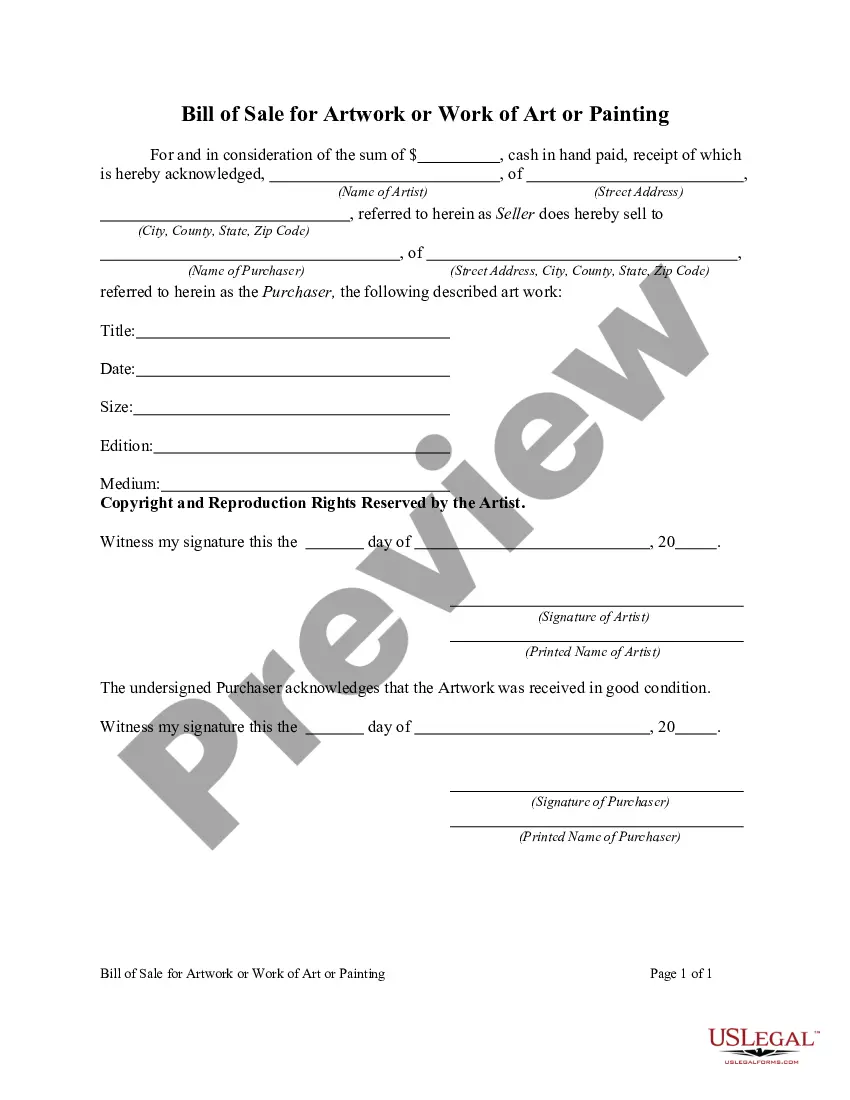
Bill Sale Art Sample With Replacement In Texas
Description
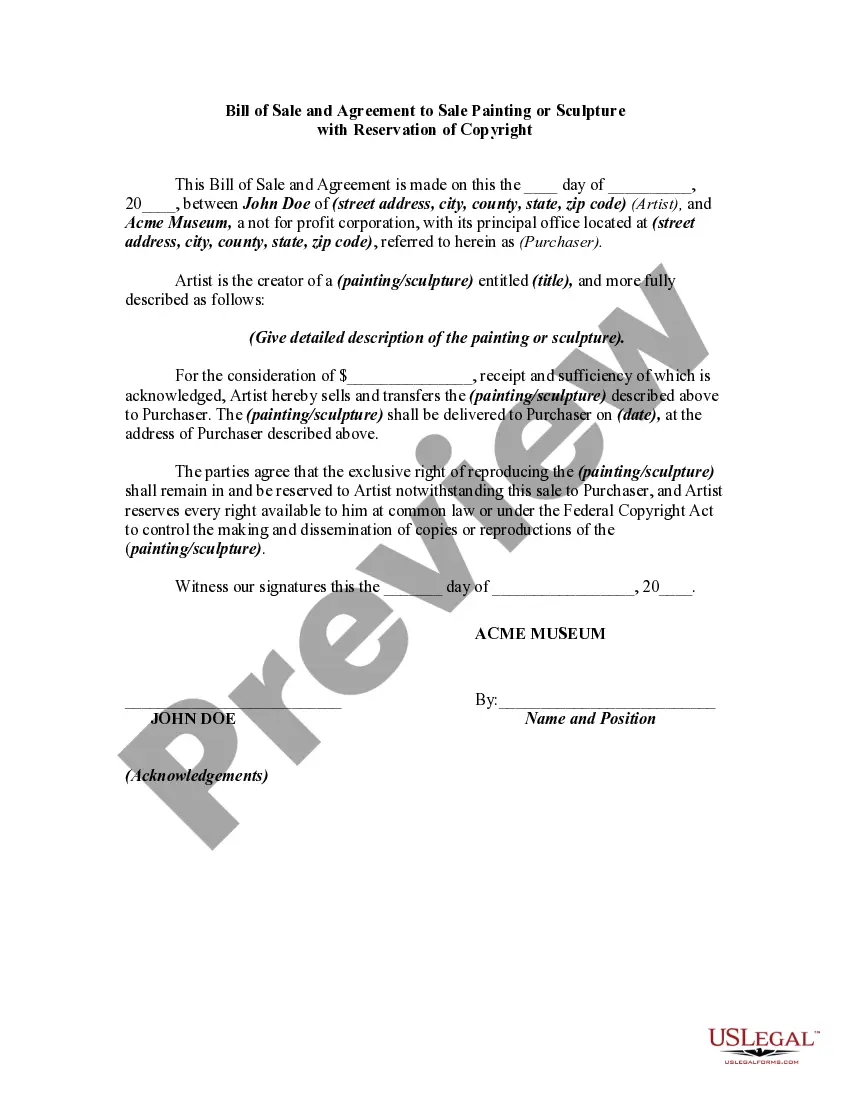
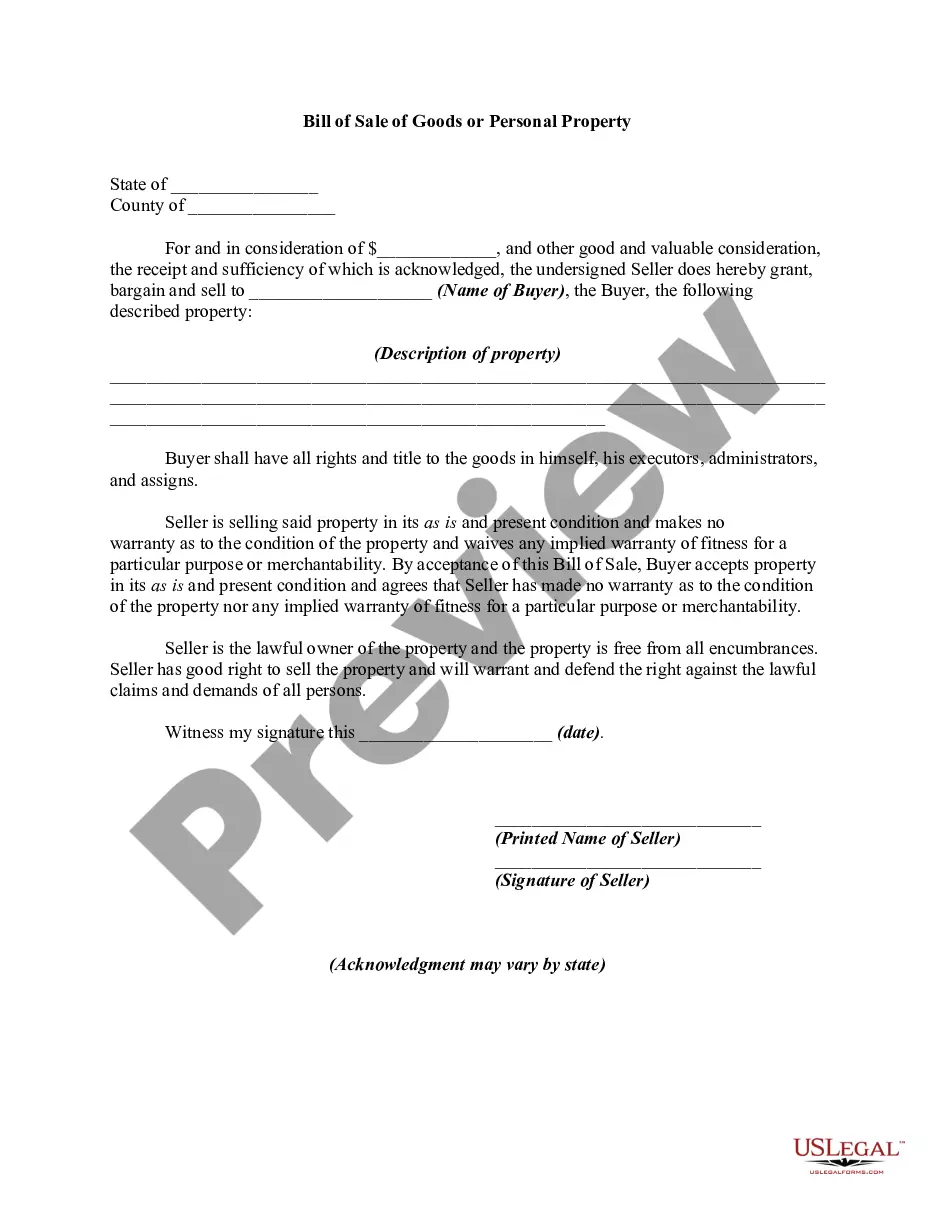
Get your form ready online
Our built-in tools help you complete, sign, share, and store your documents in one place.
Make edits, fill in missing information, and update formatting in US Legal Forms—just like you would in MS Word.
Download a copy, print it, send it by email, or mail it via USPS—whatever works best for your next step.
Sign and collect signatures with our SignNow integration. Send to multiple recipients, set reminders, and more. Go Premium to unlock E-Sign.
If this form requires notarization, complete it online through a secure video call—no need to meet a notary in person or wait for an appointment.
We protect your documents and personal data by following strict security and privacy standards.

Make edits, fill in missing information, and update formatting in US Legal Forms—just like you would in MS Word.

Download a copy, print it, send it by email, or mail it via USPS—whatever works best for your next step.

Sign and collect signatures with our SignNow integration. Send to multiple recipients, set reminders, and more. Go Premium to unlock E-Sign.

If this form requires notarization, complete it online through a secure video call—no need to meet a notary in person or wait for an appointment.

We protect your documents and personal data by following strict security and privacy standards.
Looking for another form?


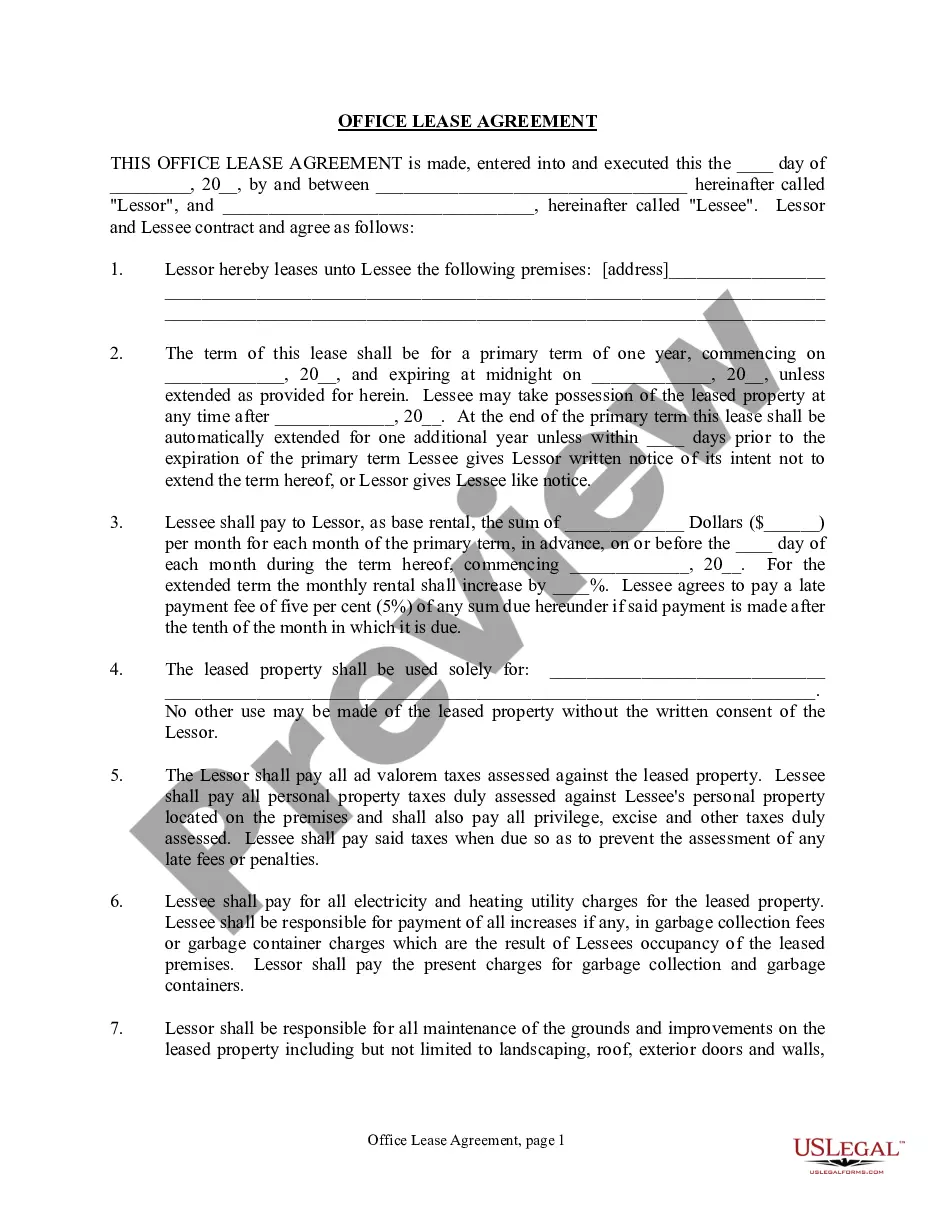






Form popularity
FAQ
A written record that details the transfer of personal property is also known as a bill of sale. In Texas, a bill of sale is not legally required; however, creating or obtaining one is a valuable way to verify a sale, especially when selling expensive personal property such commercial equipment or precious metals.
Both parties must sign a Texas bill of sale. The buyer and seller's signatures make the document legally binding. While notarization isn't mandatory for most transactions, it offers additional legal protection. Notarizing the document helps prevent disputes by validating the identities of the parties involved.
Starts right here. It is with the sale date. And then signature of seller. And printed name ofMoreStarts right here. It is with the sale date. And then signature of seller. And printed name of seller make sure again you sign the back exactly as it appears on the front.
Both parties must sign a Texas bill of sale. The buyer and seller's signatures make the document legally binding. While notarization isn't mandatory for most transactions, it offers additional legal protection. Notarizing the document helps prevent disputes by validating the identities of the parties involved.
Yes, Texas recognizes handwritten bills of sale as valid, as long as they contain all the necessary information and are signed by both the buyer and the seller.
Both parties must sign a Texas bill of sale. The buyer and seller's signatures make the document legally binding. While notarization isn't mandatory for most transactions, it offers additional legal protection. Notarizing the document helps prevent disputes by validating the identities of the parties involved.
But notarization is required in the following circumstances: Filing a lien with a county clerk. Filing a document related to real or personal property with a county clerk. Taking an oath of office or an oath administered by a specific official (not a notary public).
The State of Texas requires that you complete a bill of sale if you buy or sell a car or boat within state boundaries. No other transactions require a bill of sale, but you may choose to complete one at your discretion.