Buy Sell Agreement Online For Llc In Utah
Description

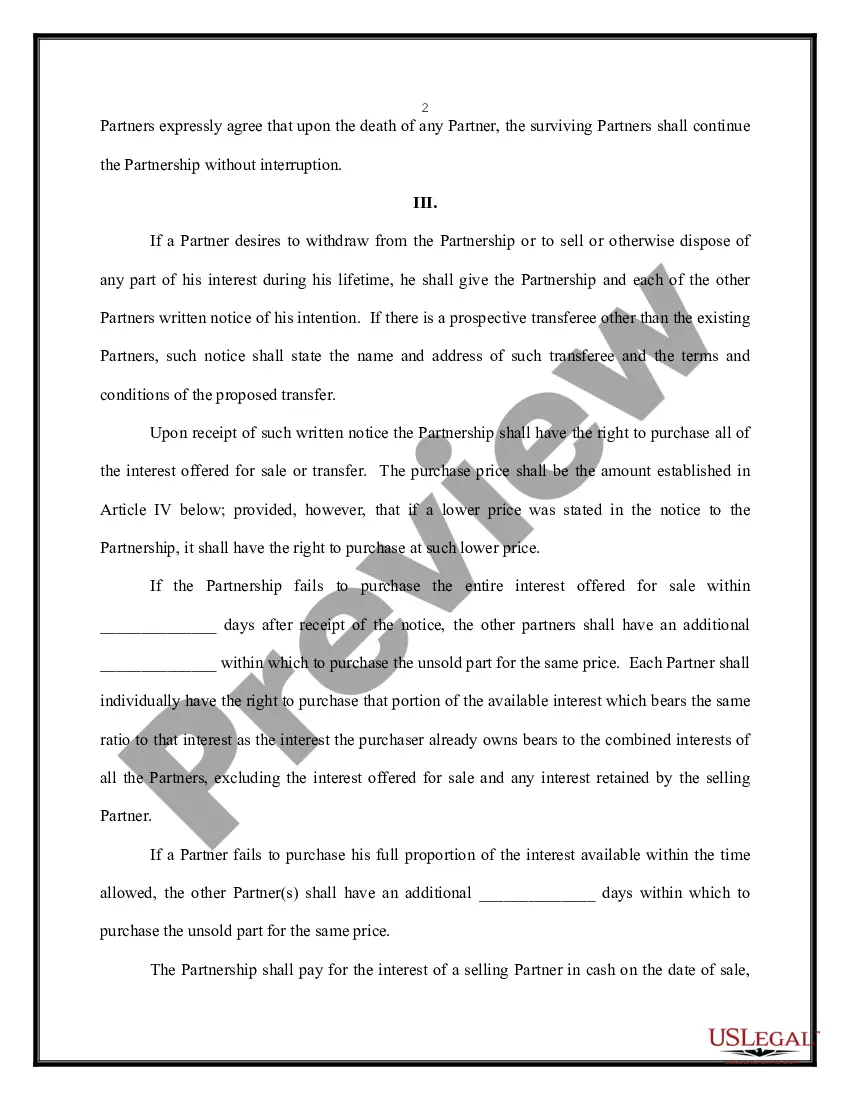
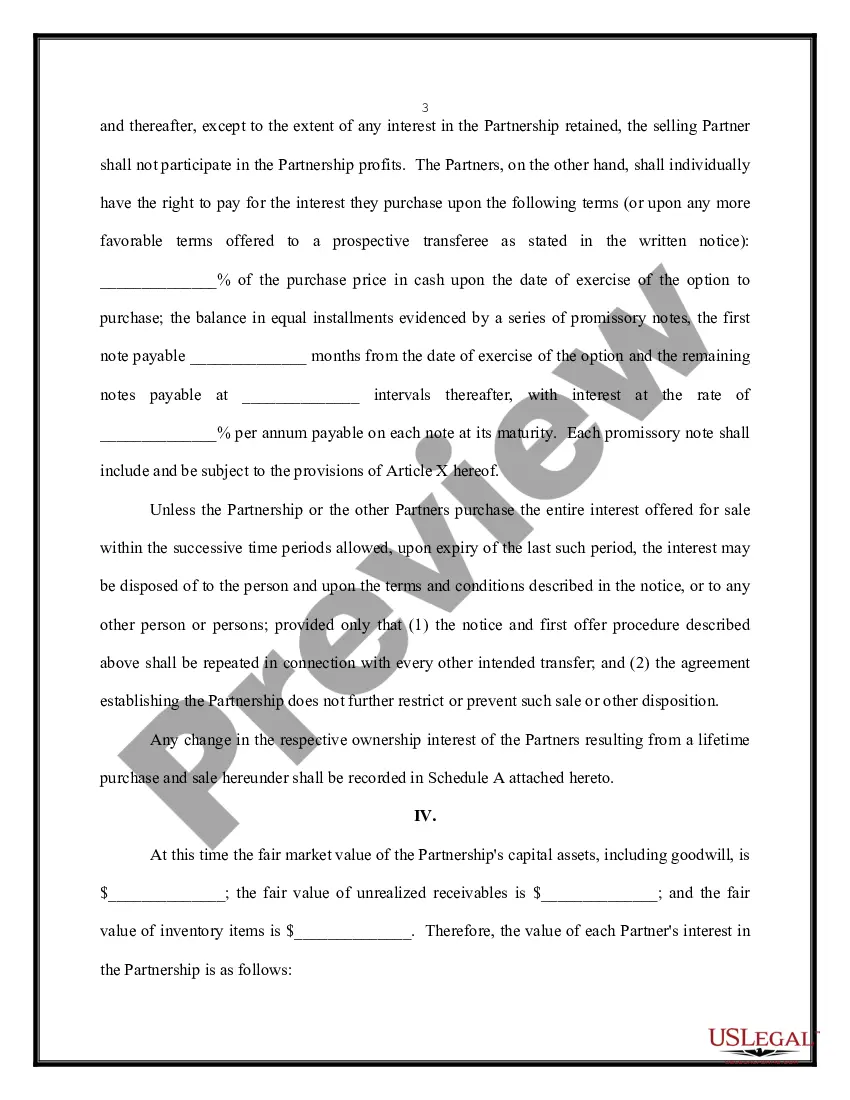
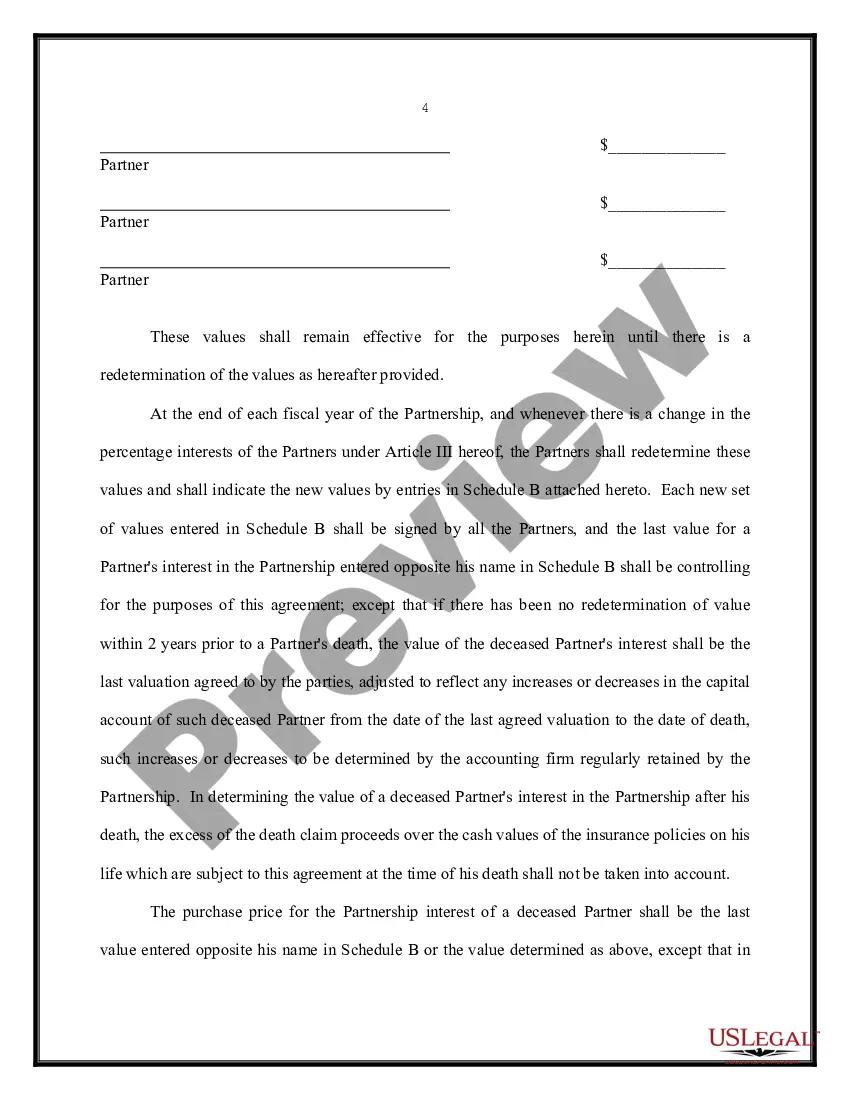
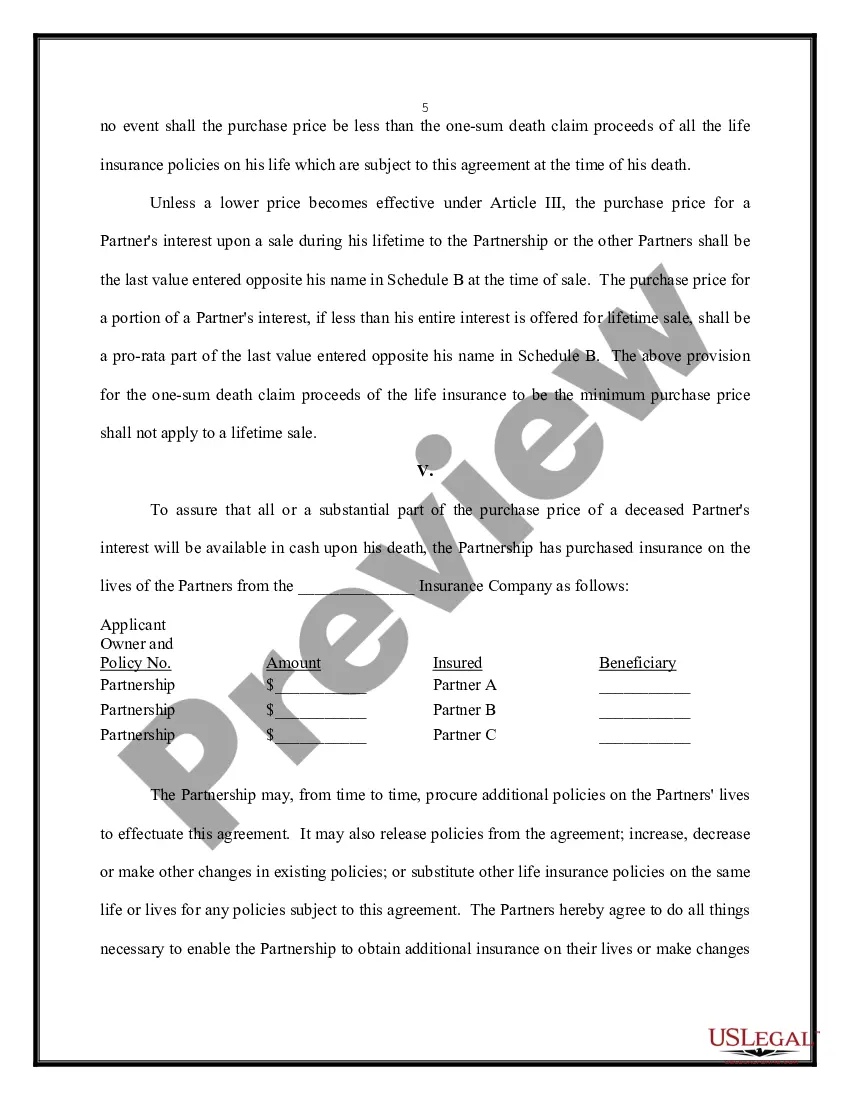
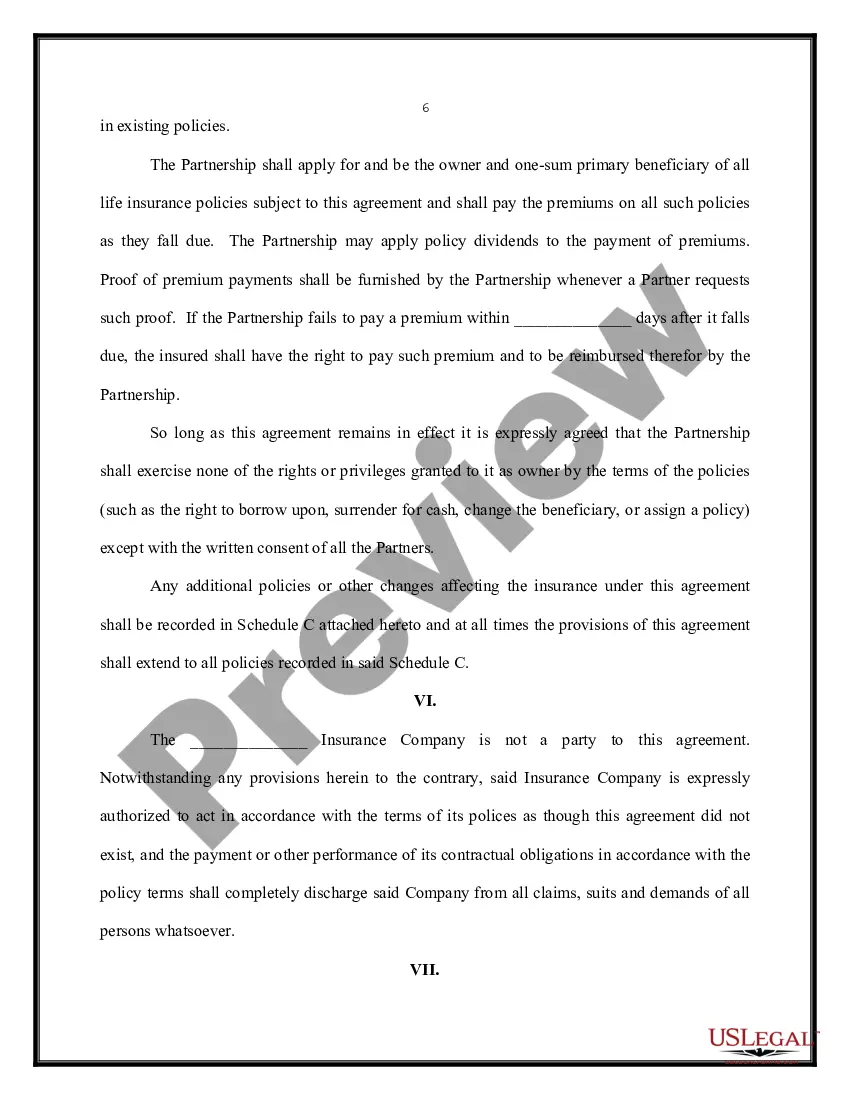
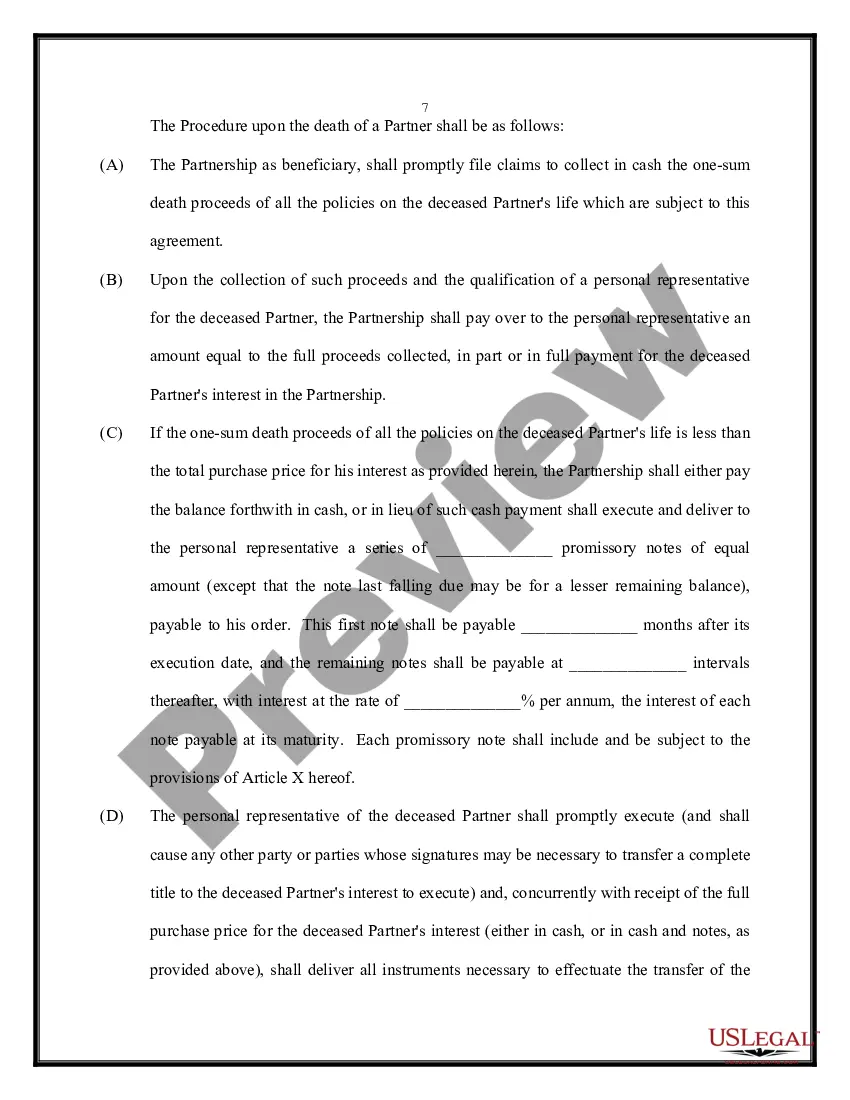
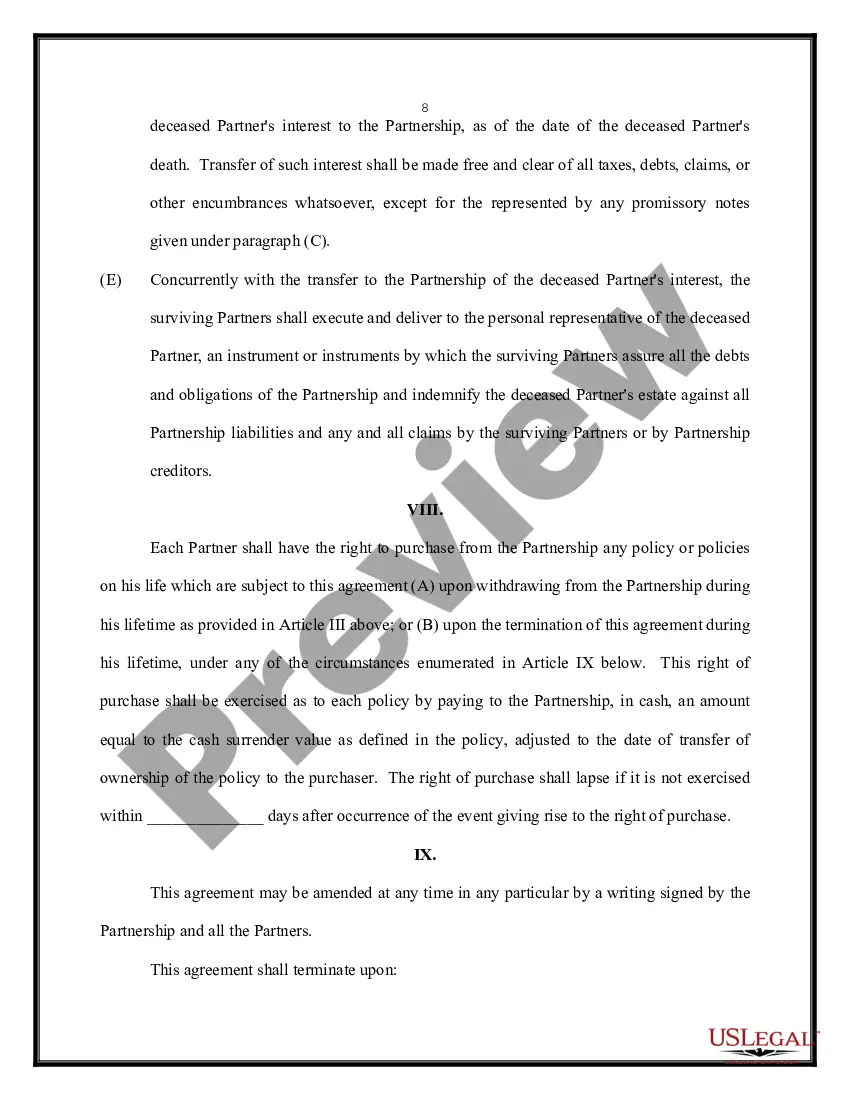
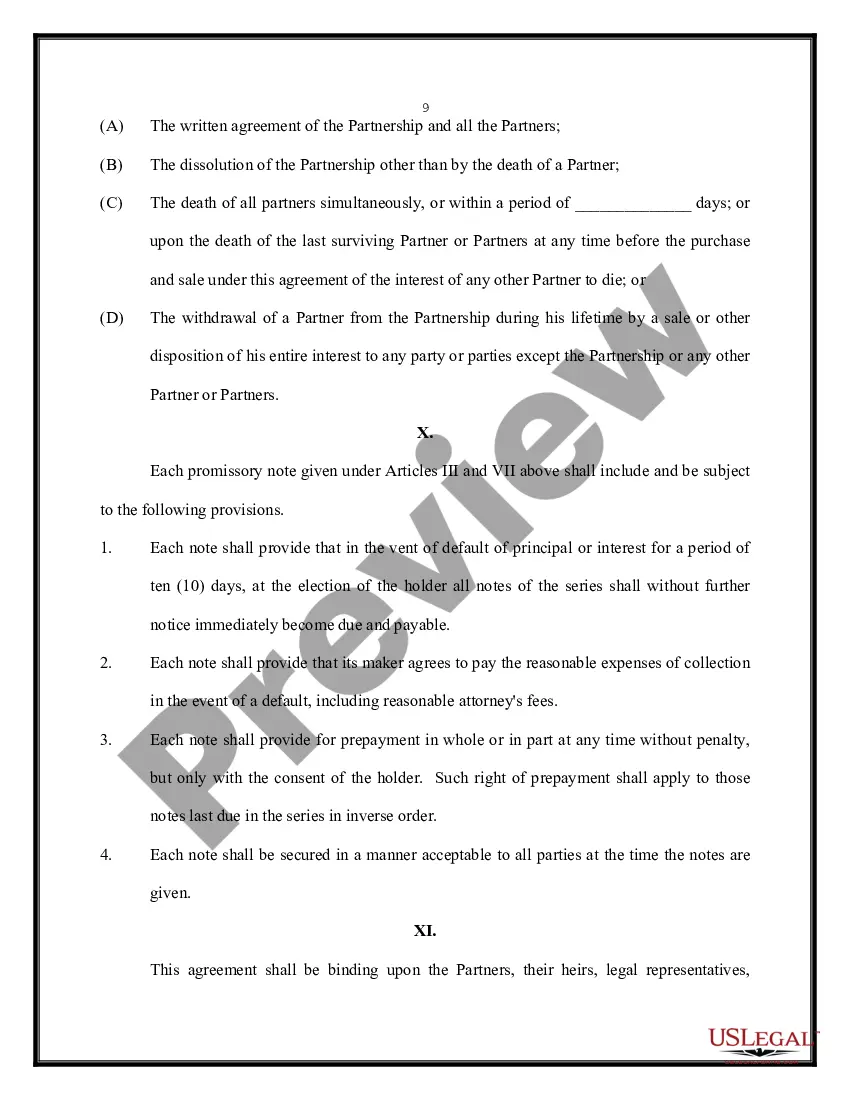
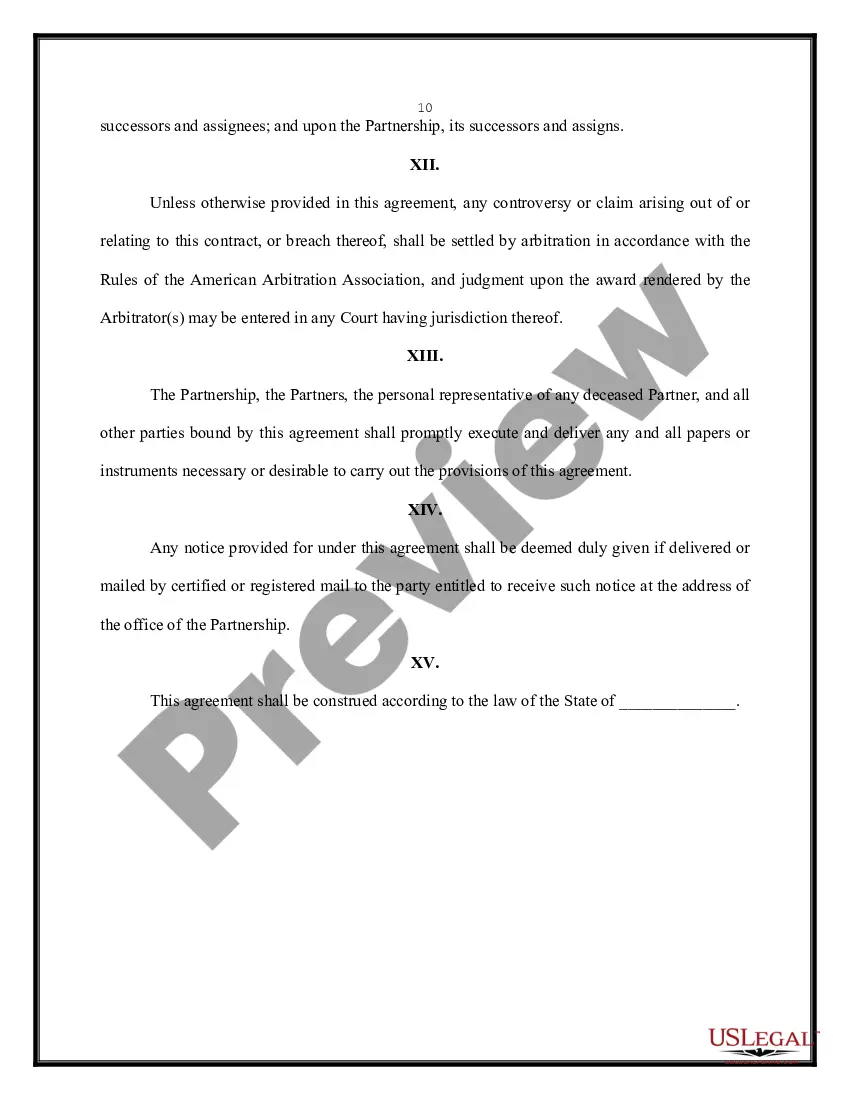


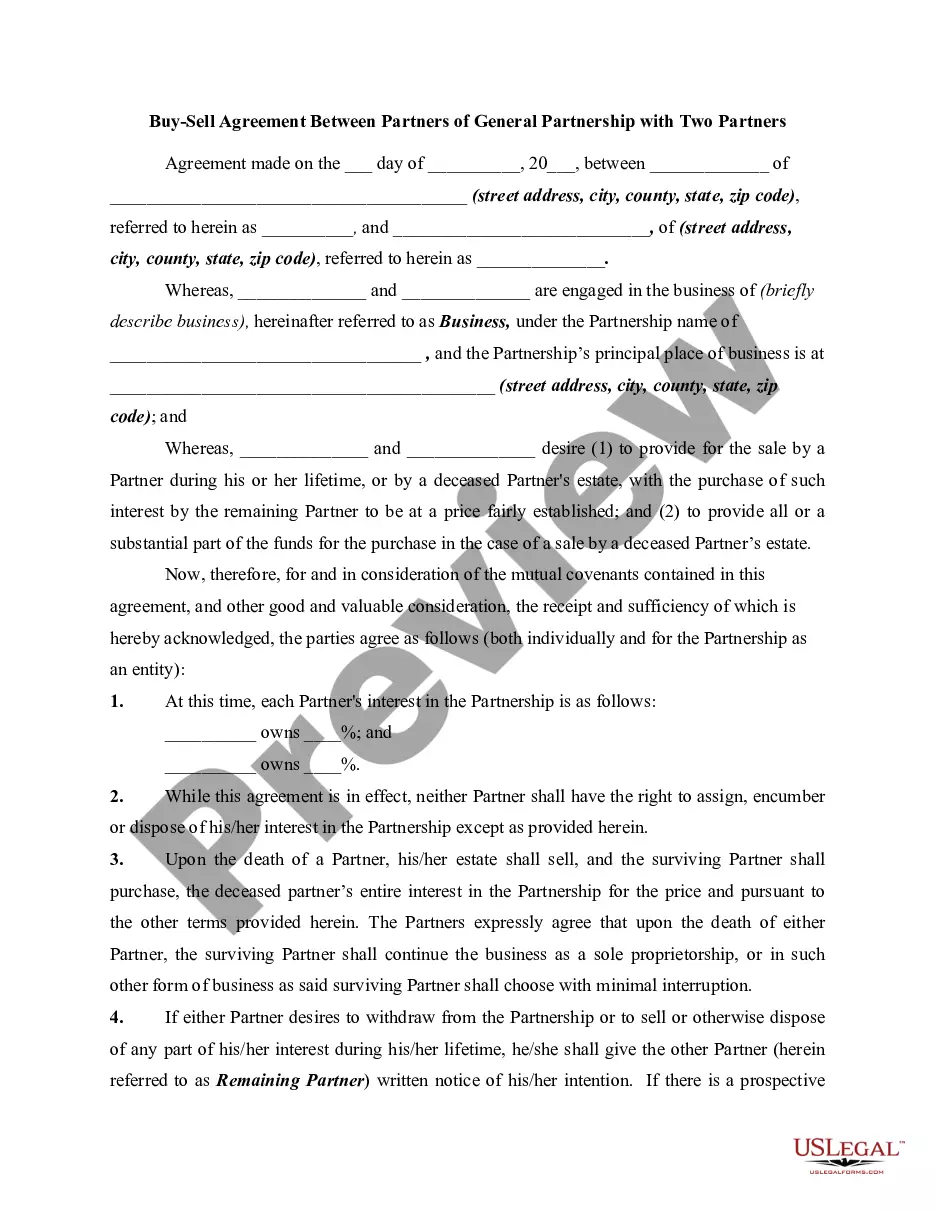
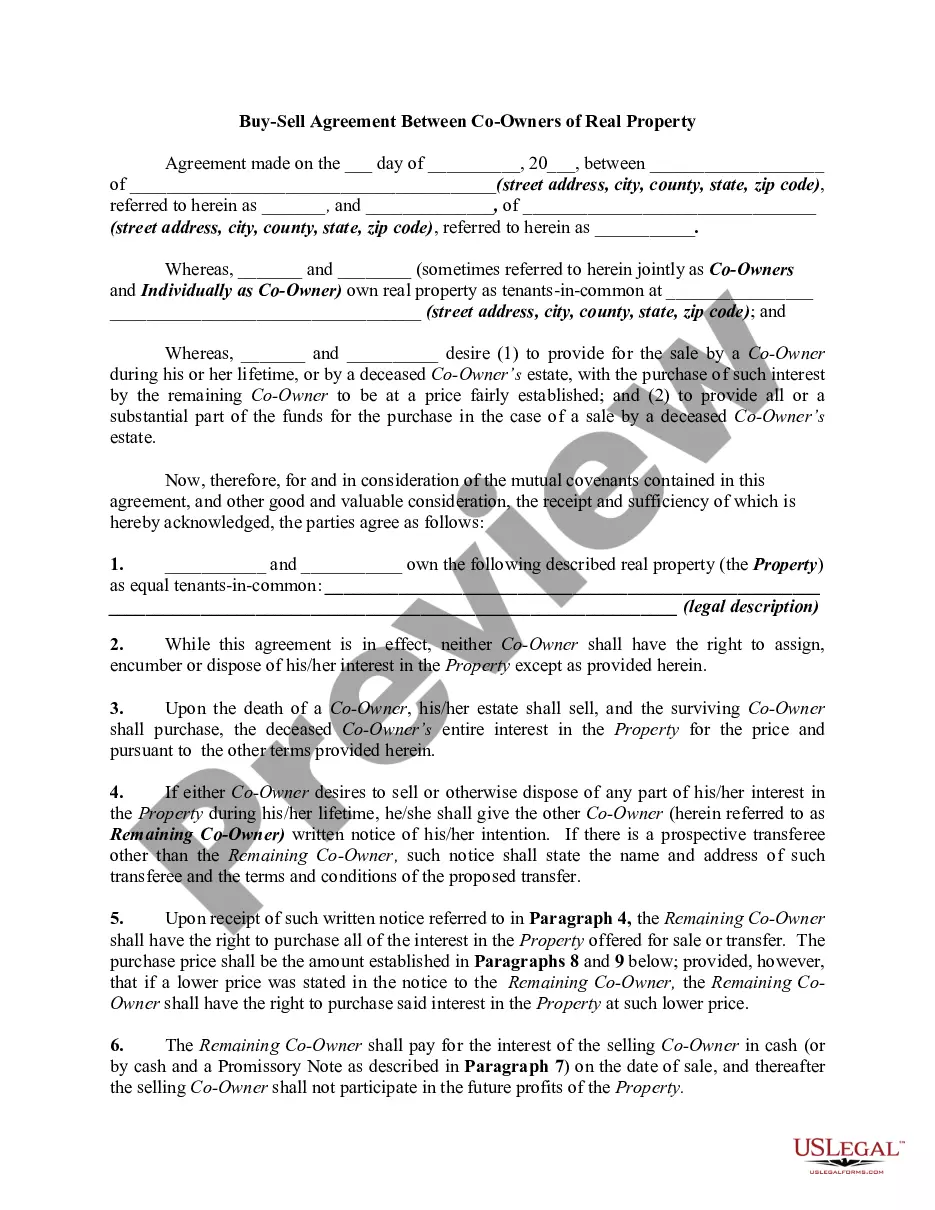
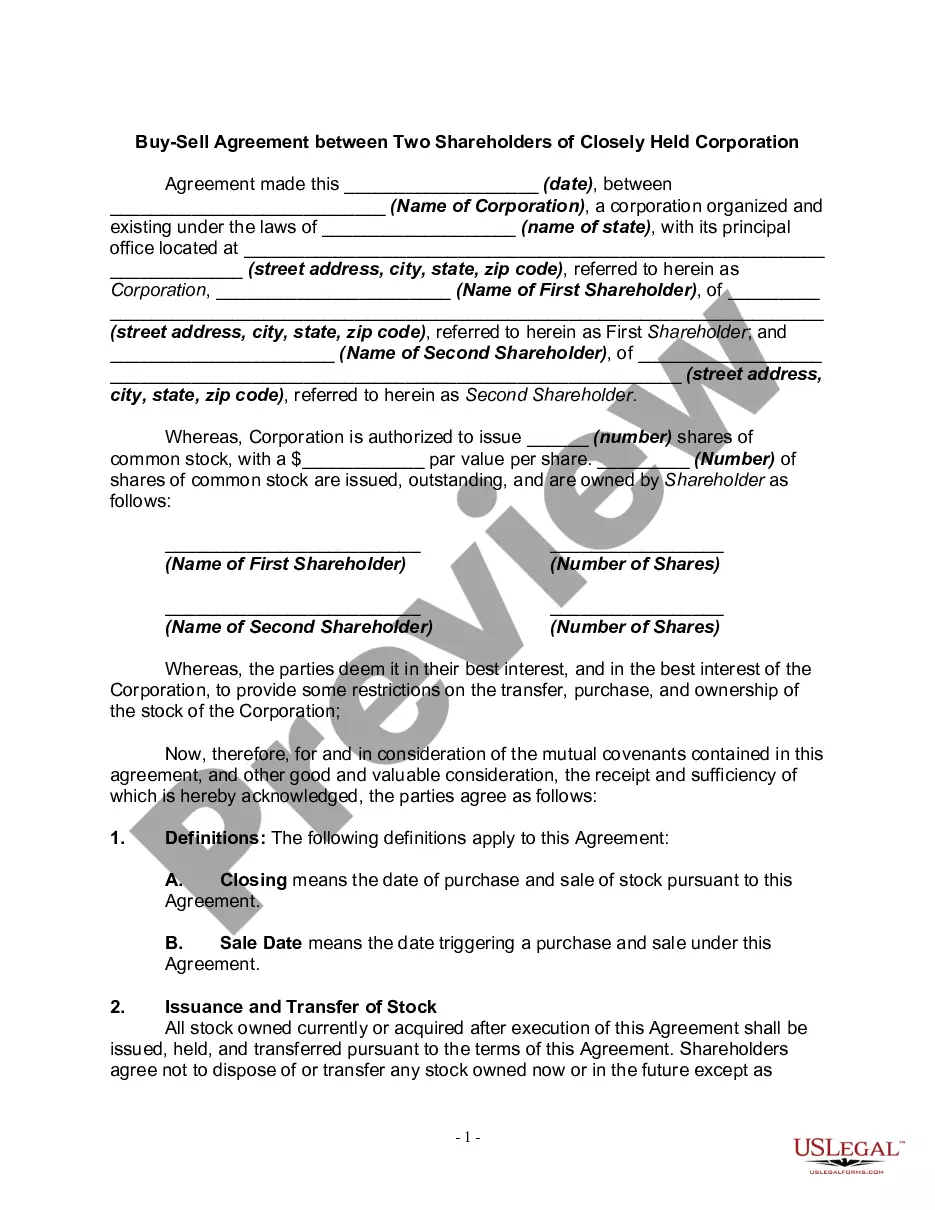
Get your form ready online
Our built-in tools help you complete, sign, share, and store your documents in one place.
Make edits, fill in missing information, and update formatting in US Legal Forms—just like you would in MS Word.
Download a copy, print it, send it by email, or mail it via USPS—whatever works best for your next step.
Sign and collect signatures with our SignNow integration. Send to multiple recipients, set reminders, and more. Go Premium to unlock E-Sign.
If this form requires notarization, complete it online through a secure video call—no need to meet a notary in person or wait for an appointment.
We protect your documents and personal data by following strict security and privacy standards.

Make edits, fill in missing information, and update formatting in US Legal Forms—just like you would in MS Word.

Download a copy, print it, send it by email, or mail it via USPS—whatever works best for your next step.

Sign and collect signatures with our SignNow integration. Send to multiple recipients, set reminders, and more. Go Premium to unlock E-Sign.

If this form requires notarization, complete it online through a secure video call—no need to meet a notary in person or wait for an appointment.

We protect your documents and personal data by following strict security and privacy standards.
Looking for another form?







Form popularity
FAQ
Utah state law does not require LLCs to adopt a written operating agreement. However, any good lawyer will recommend that you create a written operating agreement as one of the first actions of starting your Utah LLC.
Full Transfer: Selling Your Utah LLC Unless the Operating Agreement says otherwise, all LLC members must consent to the sale. A detailed Operating Agreement provides guidelines for completing the full transfer, including what to address in the buy/sell agreement.
Dissolving Your LLC in Utah Step 1: Vote to dissolve the LLC. Step 2: Wind up all business affairs. Step 3: Notify creditors and settle debts. Step 4: Notify tax agencies and settle remaining taxes. Step 5: File a statement of dissolution with the State Department of Commerce.
Utah LLCs will be treated as partnerships for tax purposes. Partnership tax treatment is advantageous because the earnings of a partnership are treated as the earnings of its partners. No separate tax is imposed on the partnership entity.
What is Required for Utah Registered Agents? ing to the Model Registered Agent Act, individuals and companies can be registered agents in Utah. The state requires both registered agent types to have: A physical address in the state where service of process can be delivered.
Forming an LLC in Utah offers several advantages, including personal liability protection, flexible management options, and pass-through taxation. LLCs also require less compliance than corporations, making them easier to manage.
