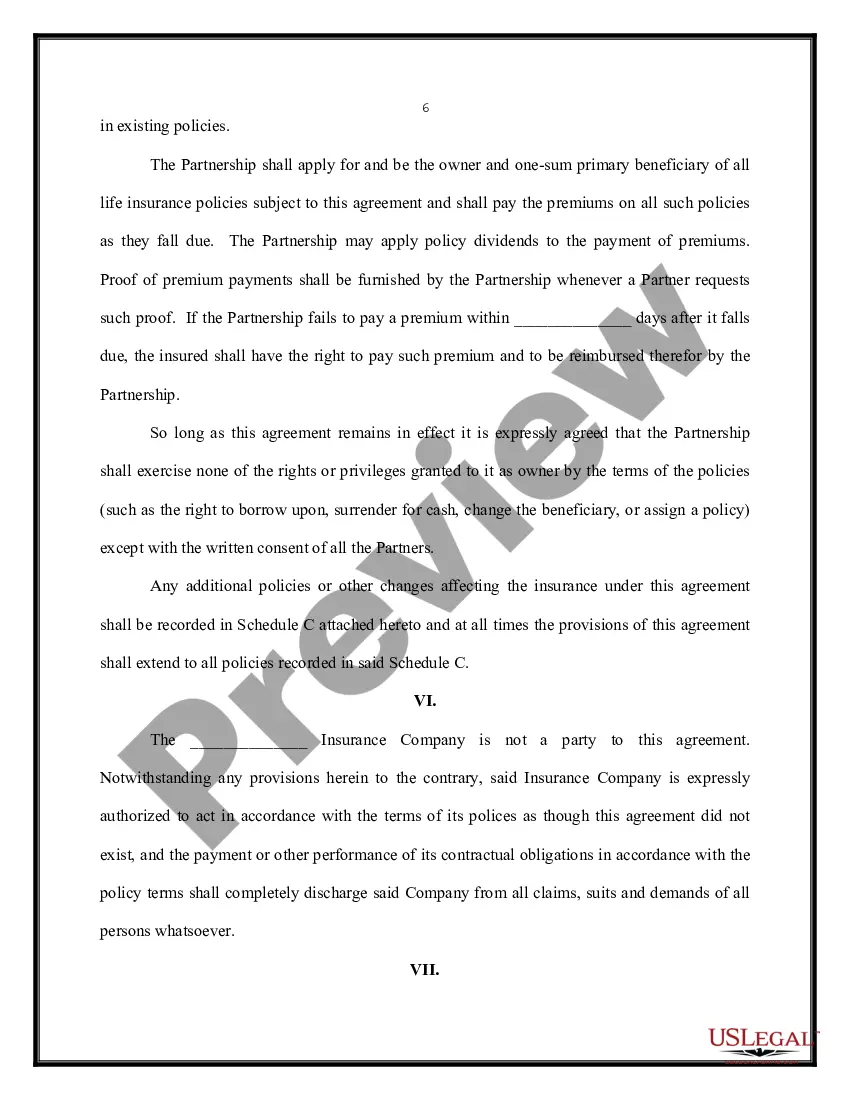
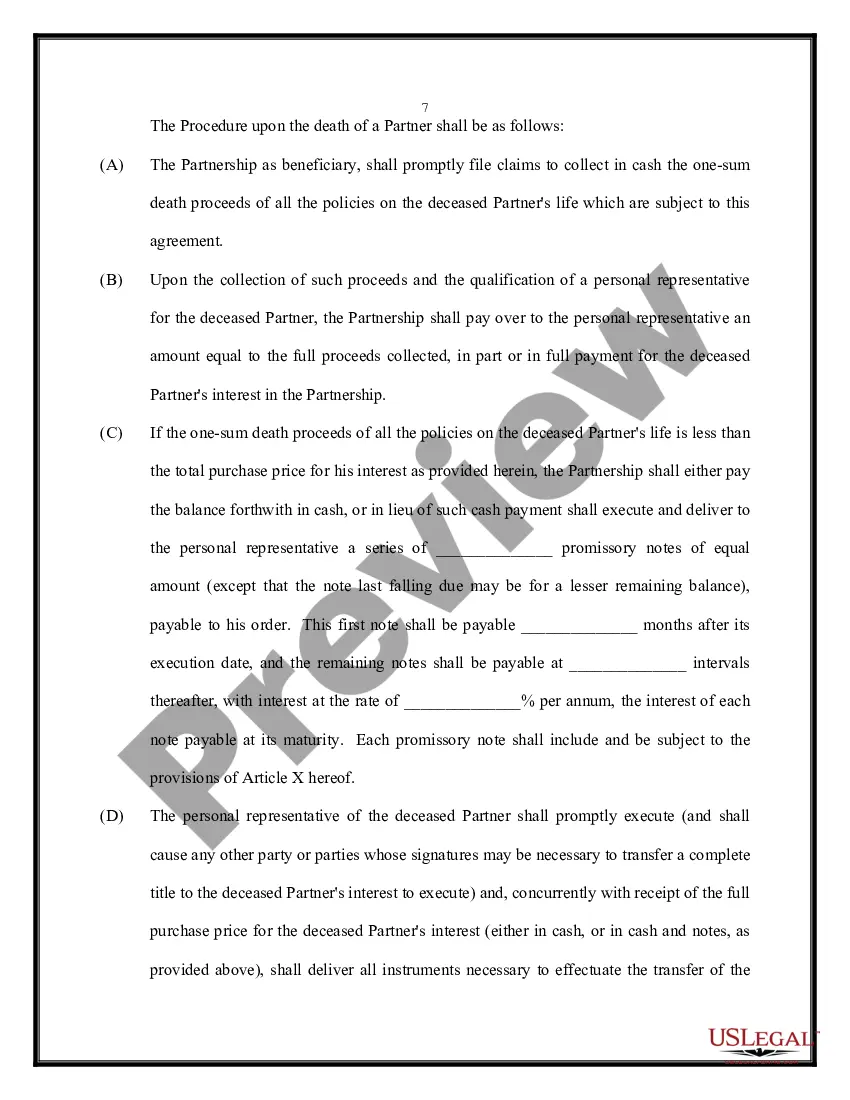
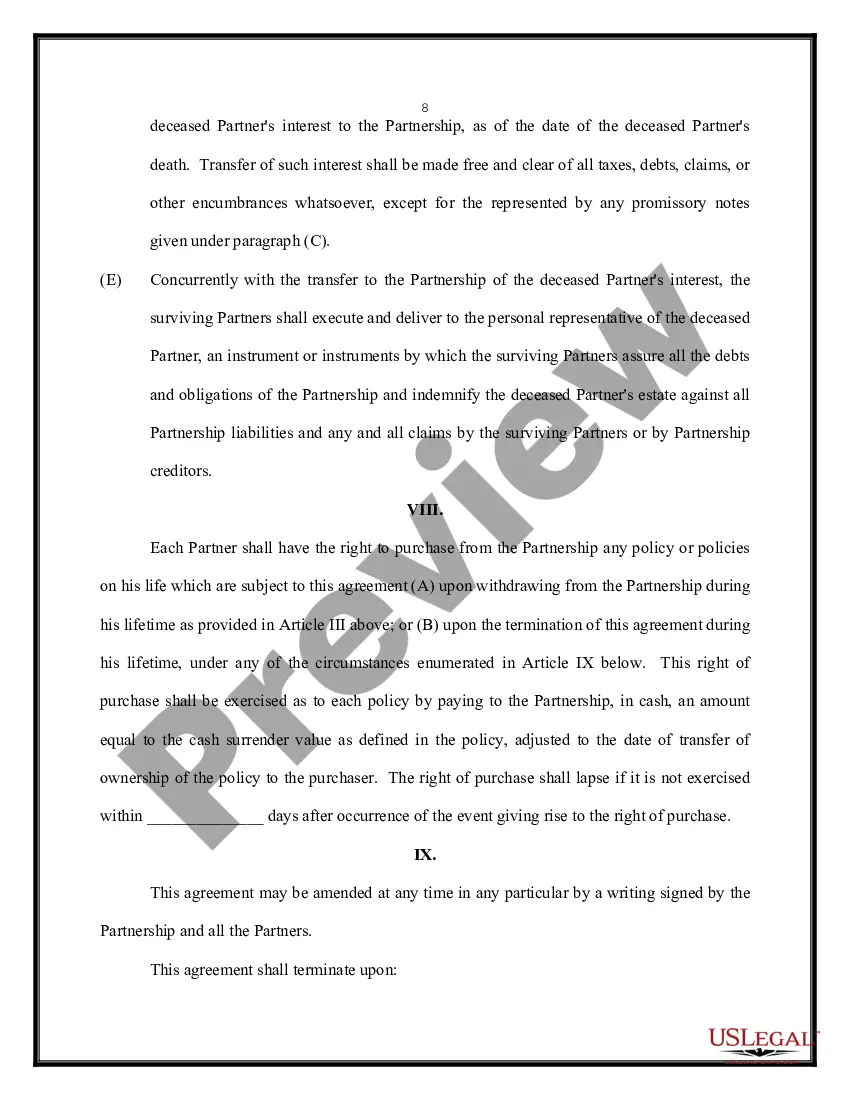
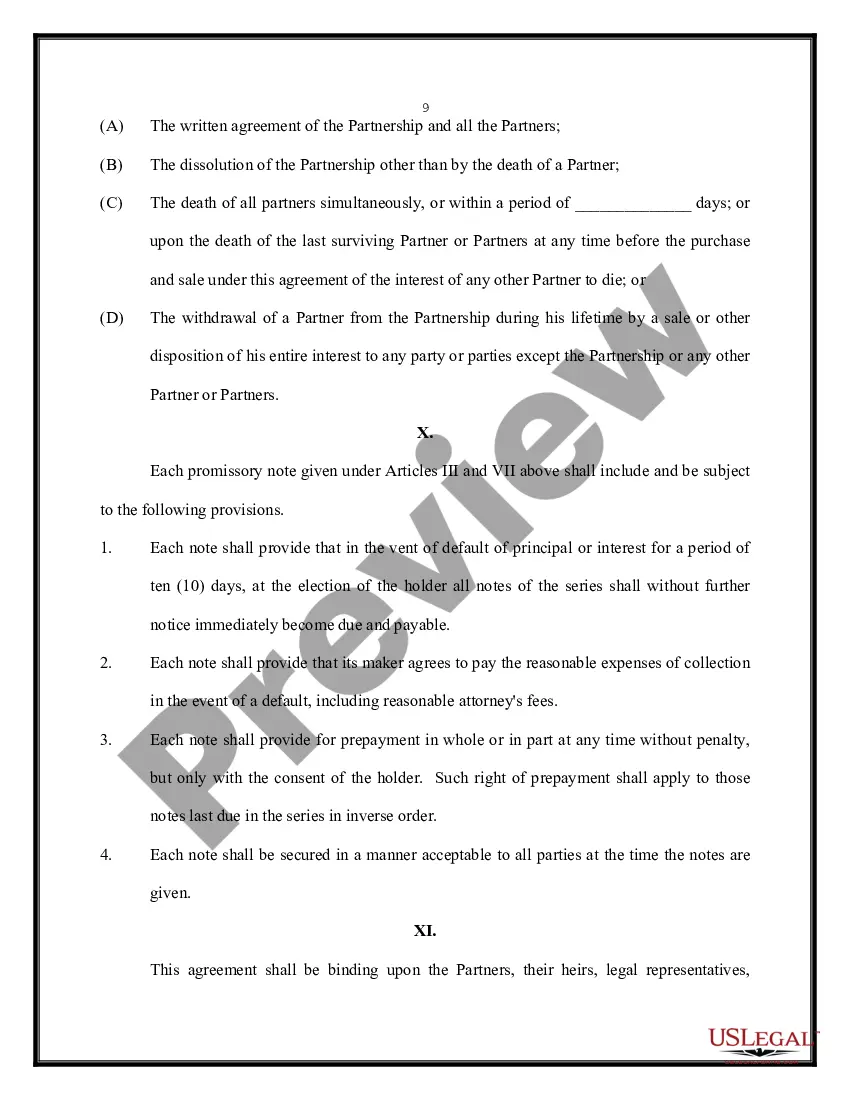
Buy Sell Agreement Purchase Formula In Tarrant
Description

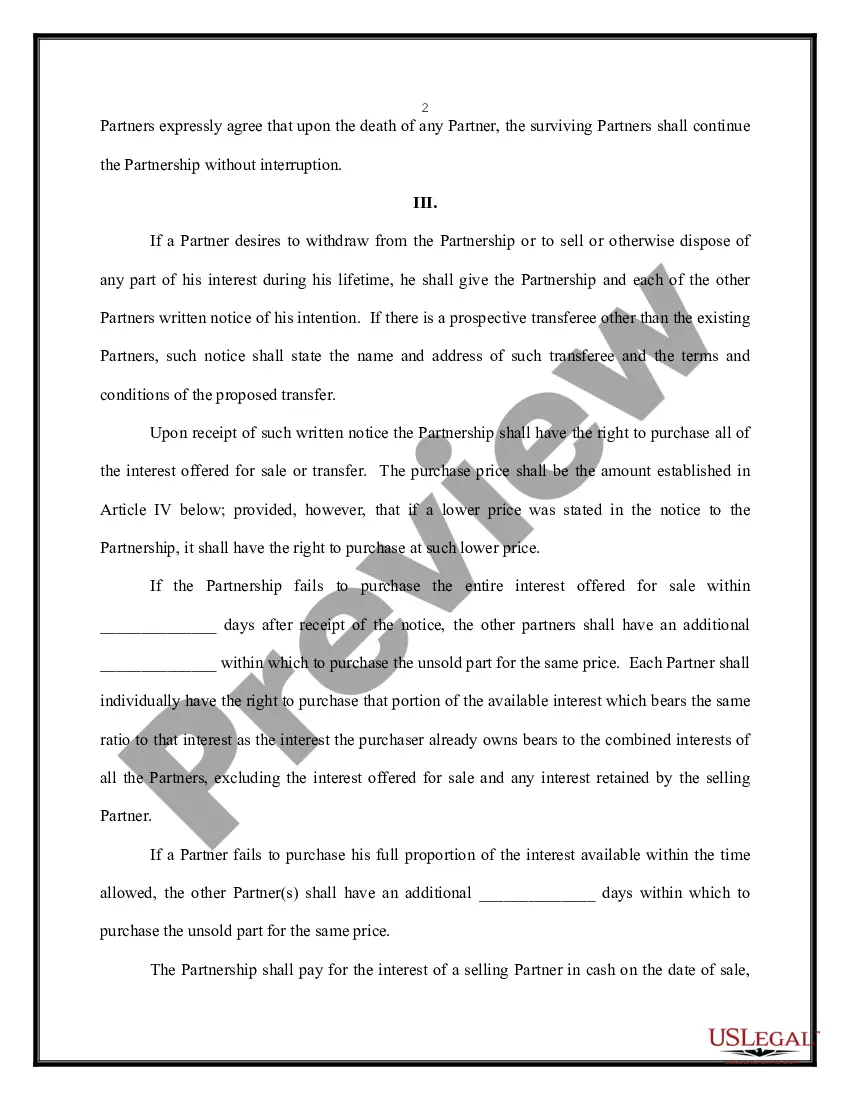
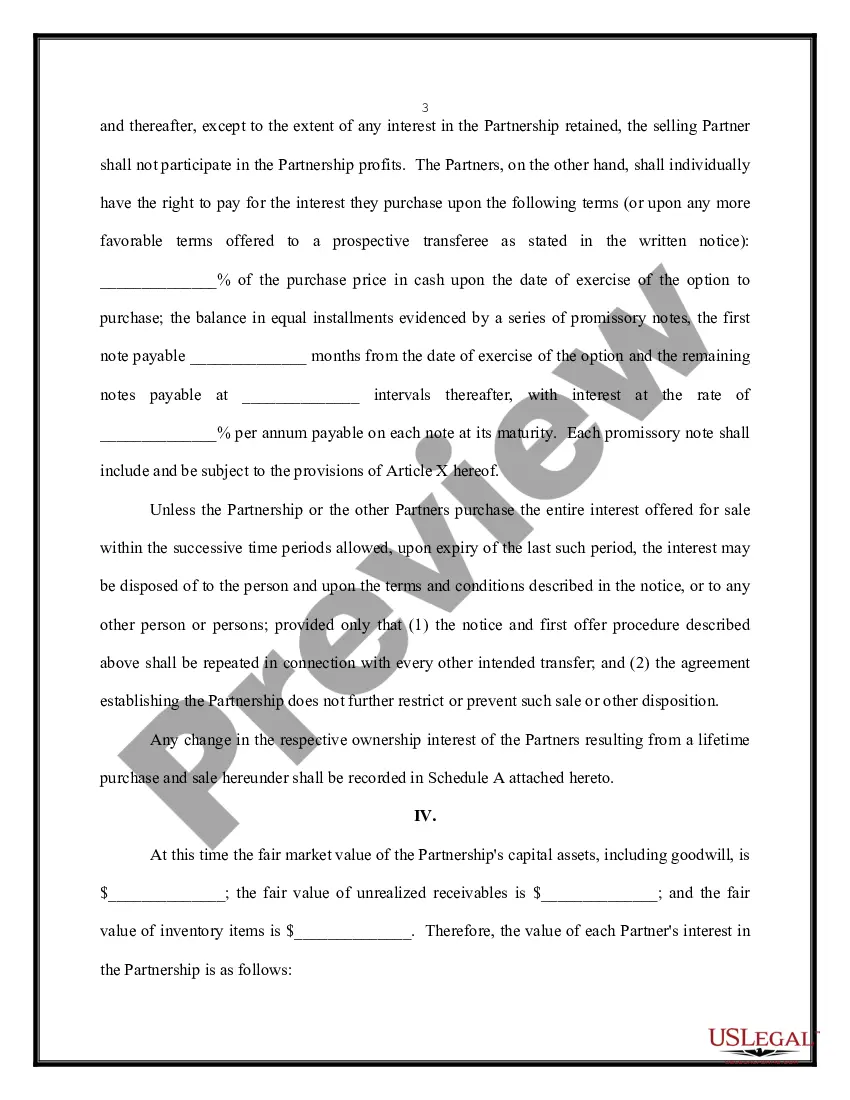
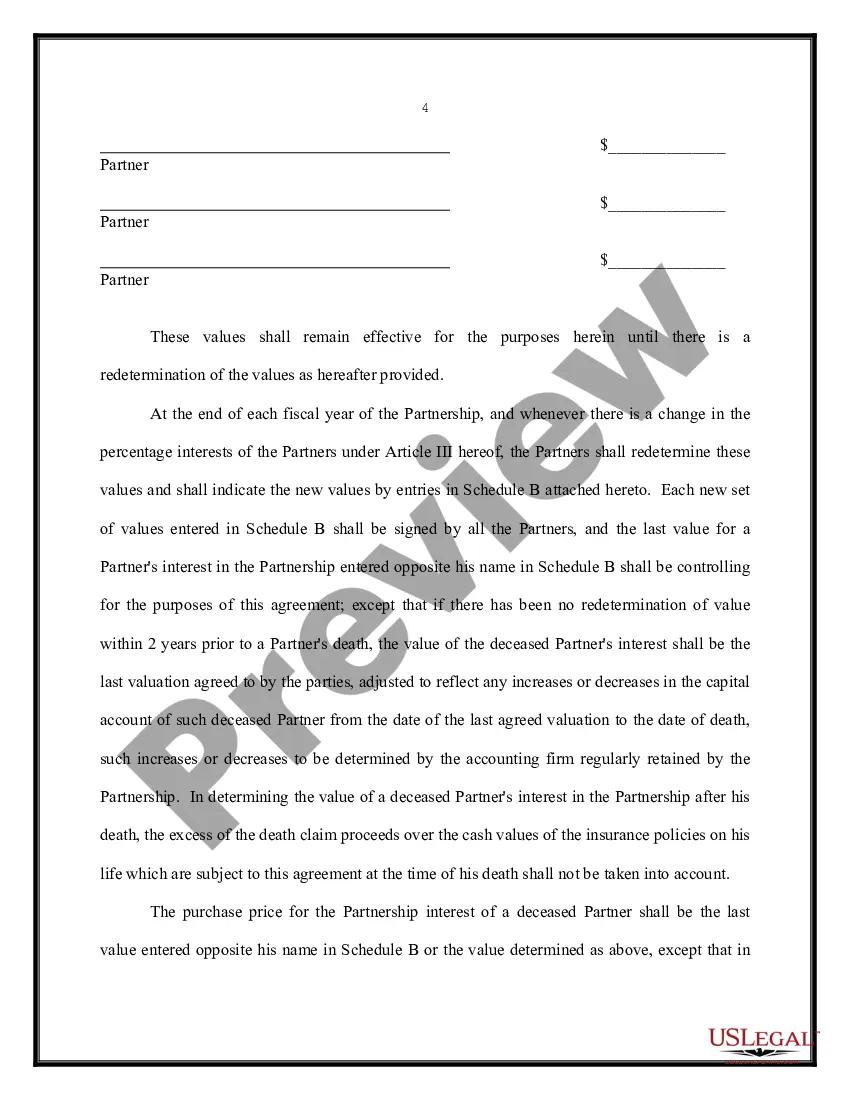
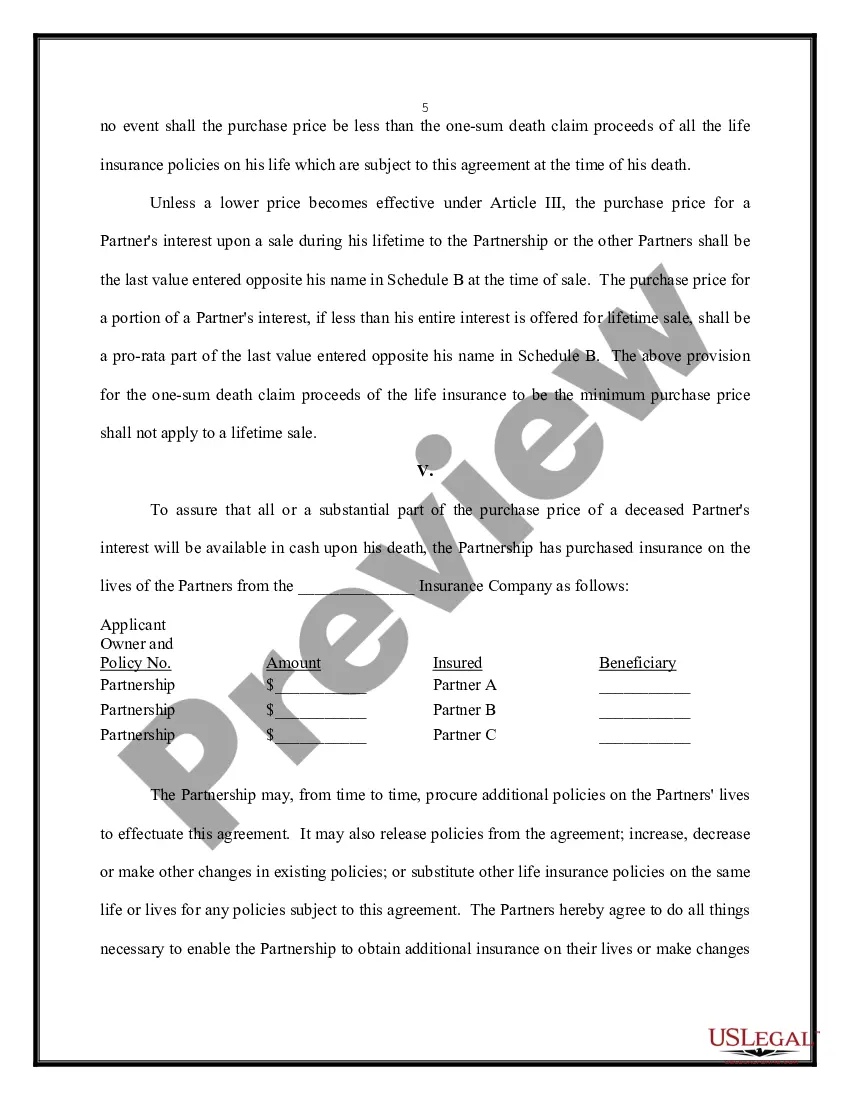
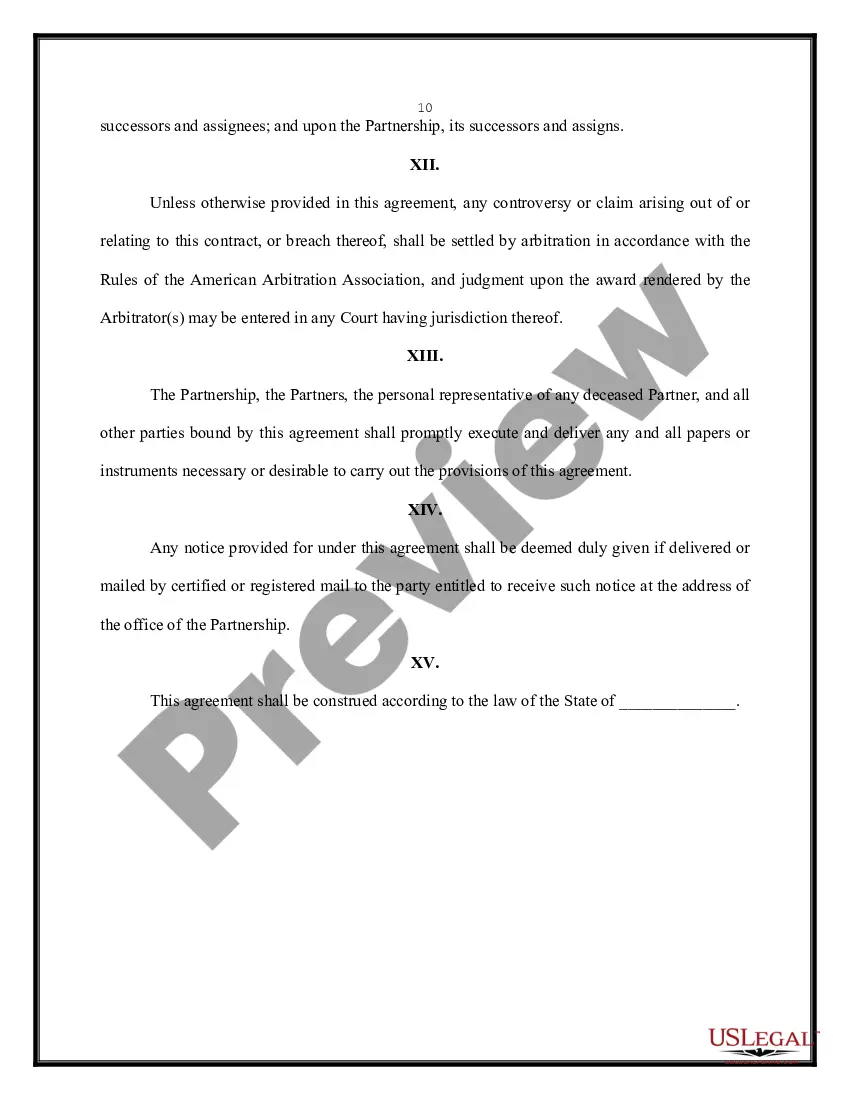


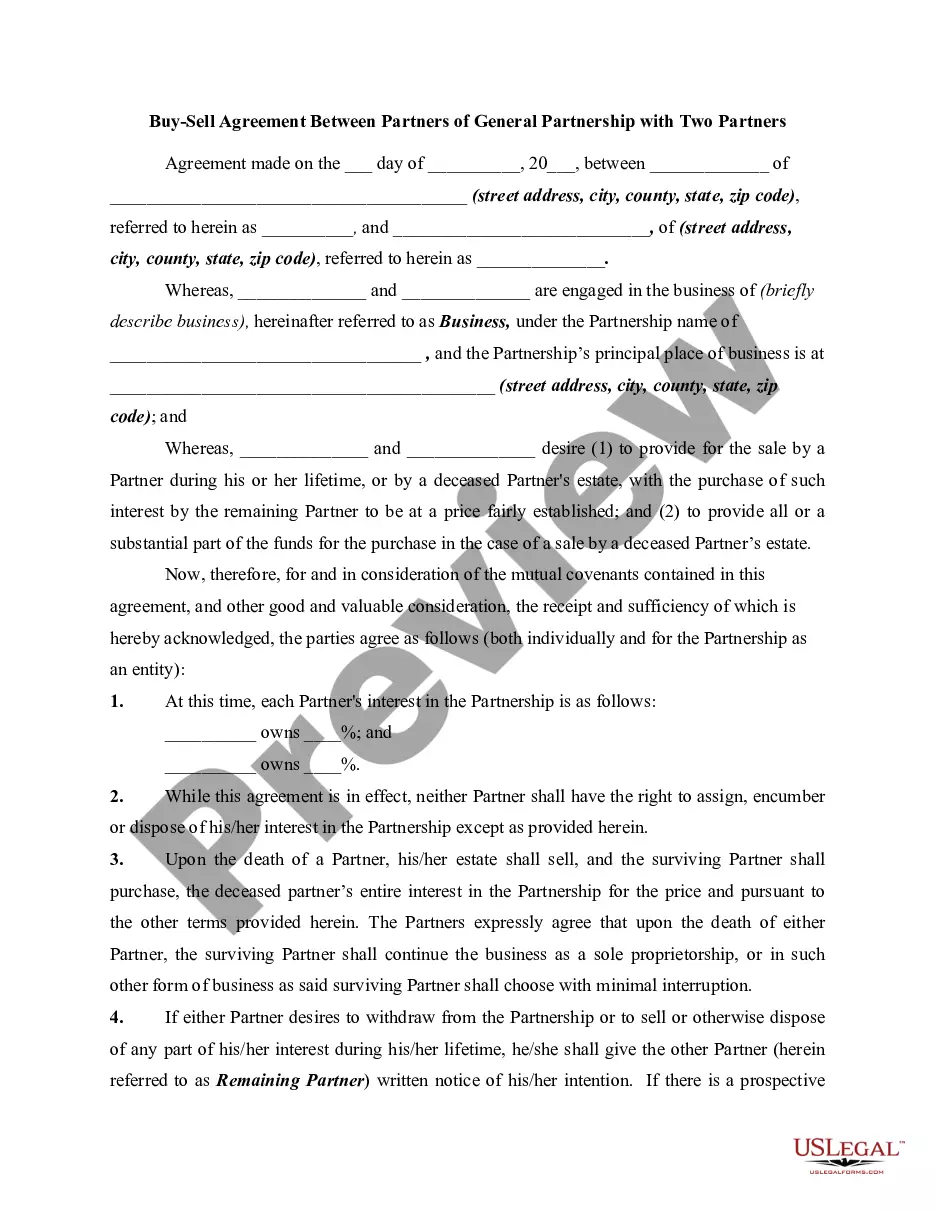
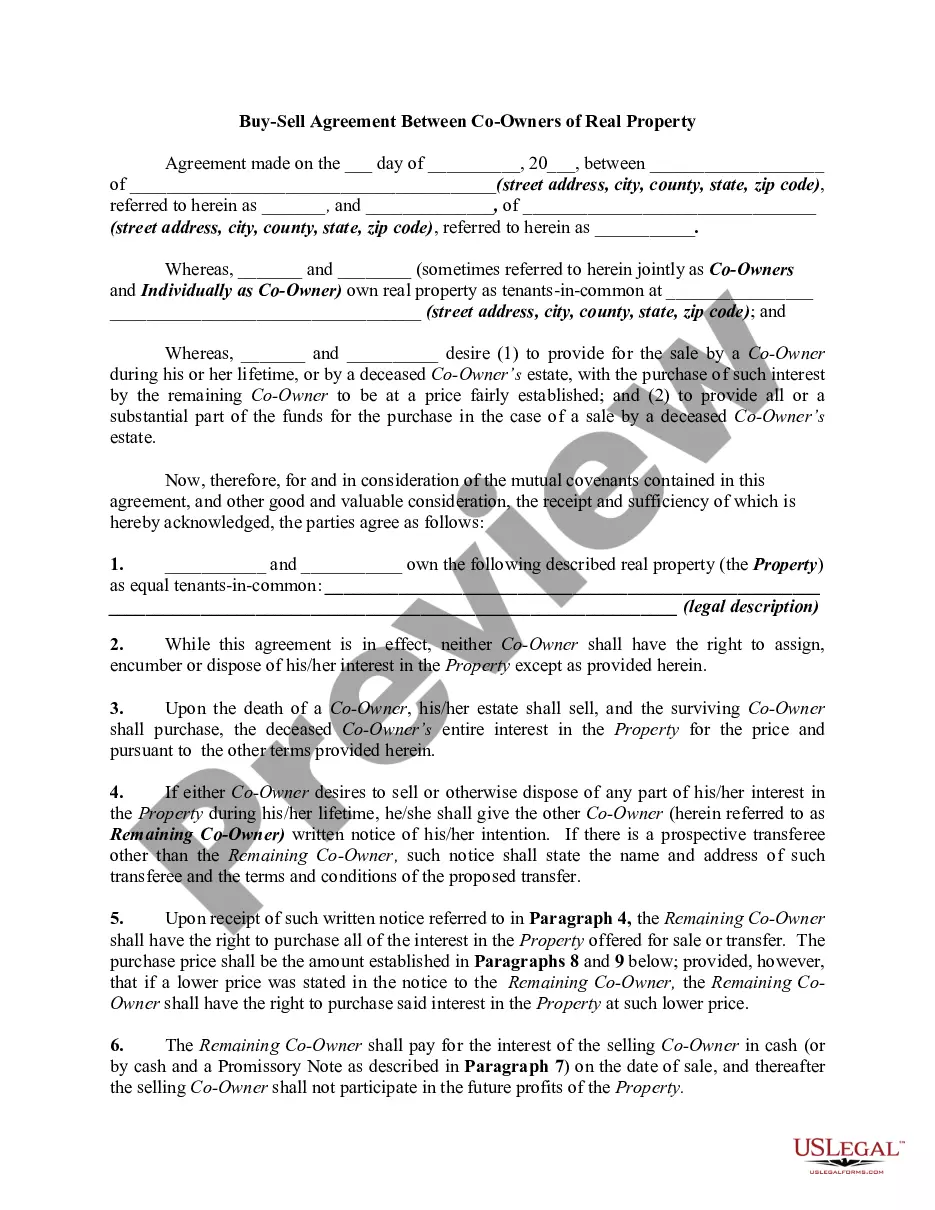
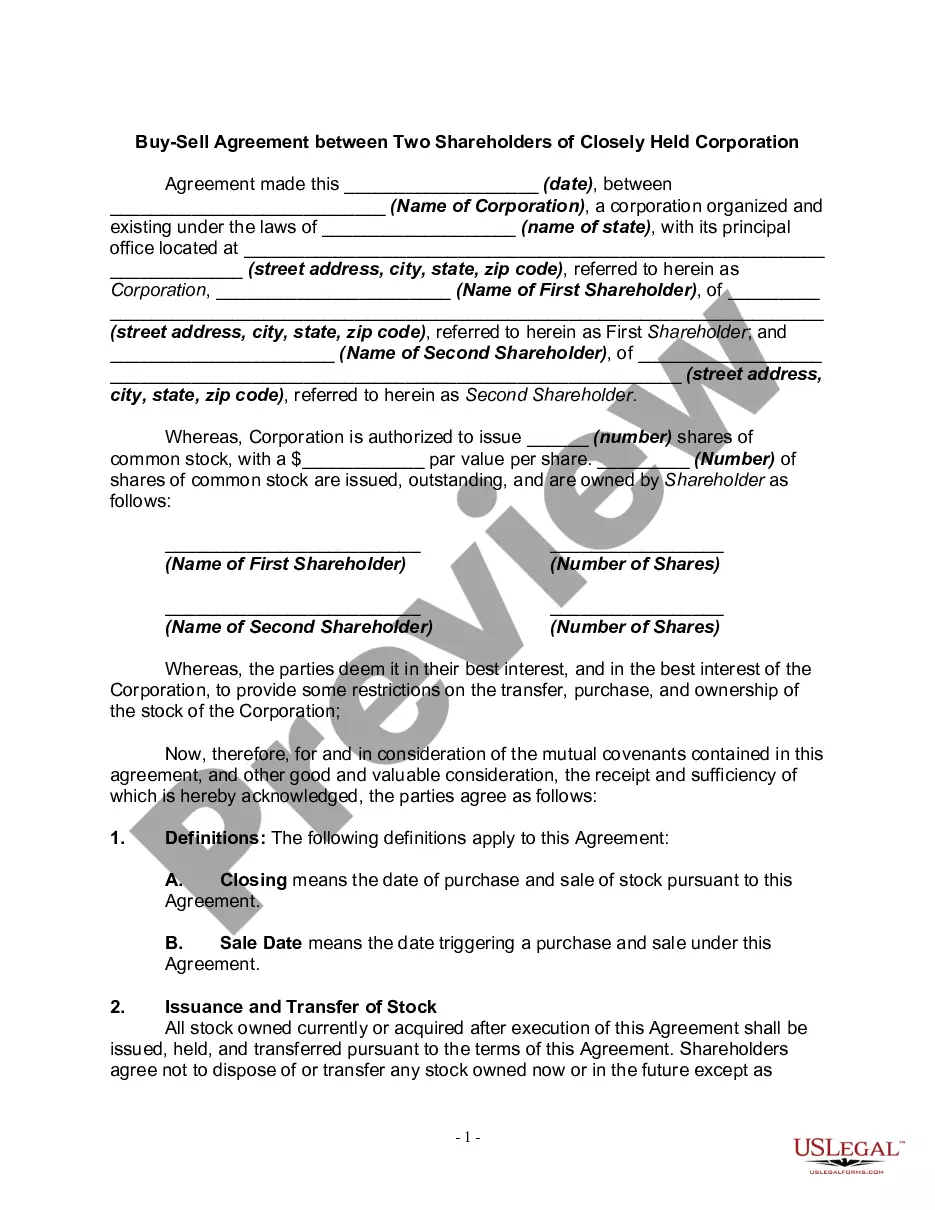
Get your form ready online
Our built-in tools help you complete, sign, share, and store your documents in one place.
Make edits, fill in missing information, and update formatting in US Legal Forms—just like you would in MS Word.
Download a copy, print it, send it by email, or mail it via USPS—whatever works best for your next step.
Sign and collect signatures with our SignNow integration. Send to multiple recipients, set reminders, and more. Go Premium to unlock E-Sign.
If this form requires notarization, complete it online through a secure video call—no need to meet a notary in person or wait for an appointment.
We protect your documents and personal data by following strict security and privacy standards.

Make edits, fill in missing information, and update formatting in US Legal Forms—just like you would in MS Word.

Download a copy, print it, send it by email, or mail it via USPS—whatever works best for your next step.

Sign and collect signatures with our SignNow integration. Send to multiple recipients, set reminders, and more. Go Premium to unlock E-Sign.

If this form requires notarization, complete it online through a secure video call—no need to meet a notary in person or wait for an appointment.

We protect your documents and personal data by following strict security and privacy standards.
Looking for another form?








Form popularity
FAQ
As a result of its unique tax attributes, life insurance may also provide significant tax benefits to the departing shareholder, and in the event of death, the surviving shareholders. As a result, life insurance is the preferred funding option in a majority of buy-sell agreements.
Despite the numerous benefits of buy-sell agreements in providing clear succession planning for small businesses, they do not come without their potential drawbacks. One significant disadvantage is the potential for liquidity issues.
Some of the common triggers include death, disability, retirement or other termination of employment, the desire to sell an interest to a non-owner, dissolution of marriage or domestic partnership, bankruptcy or insolvency, disputes among owners, and the decision by some owners to expel another owner.
Methods for Assessing a Business' Value A buy-sell agreement will typically provide for an assessment of the business' value in one of three ways: An agreed-upon value; Fair market value at the time of sale; Use of a formula to determine value.
Insurance is often a very efficient method of funding a buy-sell arrangement. If insurance is not possible, other options include planning to borrow the necessary funds and/or installment buyouts.
Below are four critical topics you and your lawyer should consider when drafting your company's buy-sell agreement. Identify the Parties Involved. Agree on the Trigger Events. Agree on a Valuation Method. Set Realistic Expectations and Frequently Review the Agreement Terms. About the Author.
What should be included in a buy-sell agreement? Any stakeholders, including partners or owners, and their current stake in the business' equity. Events that would trigger a buyout, such as death, disability, divorce, retirement, or bankruptcy. A recent business valuation.
Buy-sell agreements are commonly used by sole proprietors, closed corporations and partnerships. Most buy-sells require that the business shares be sold back to the company or the remaining members of the business. In the case of the death of a partner, the estate must agree to sell.
