Selling Partnership Interest With Negative Capital Account In Santa Clara
Description

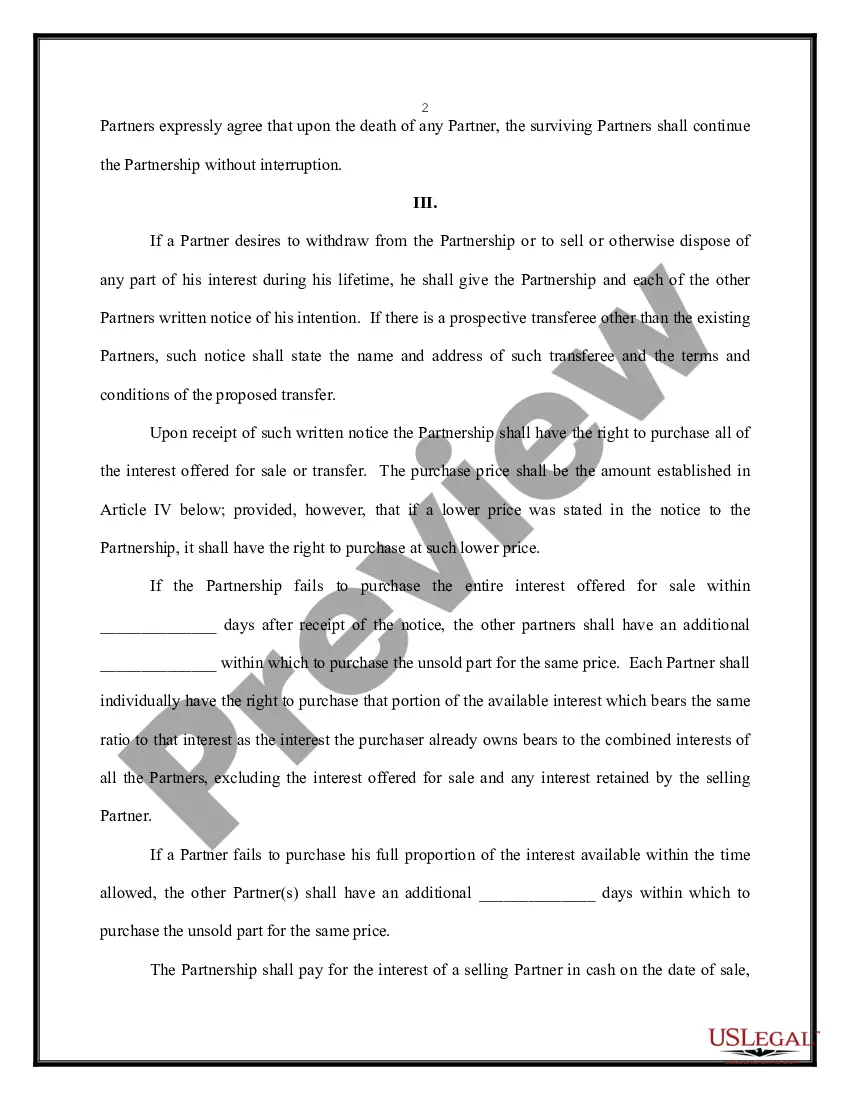
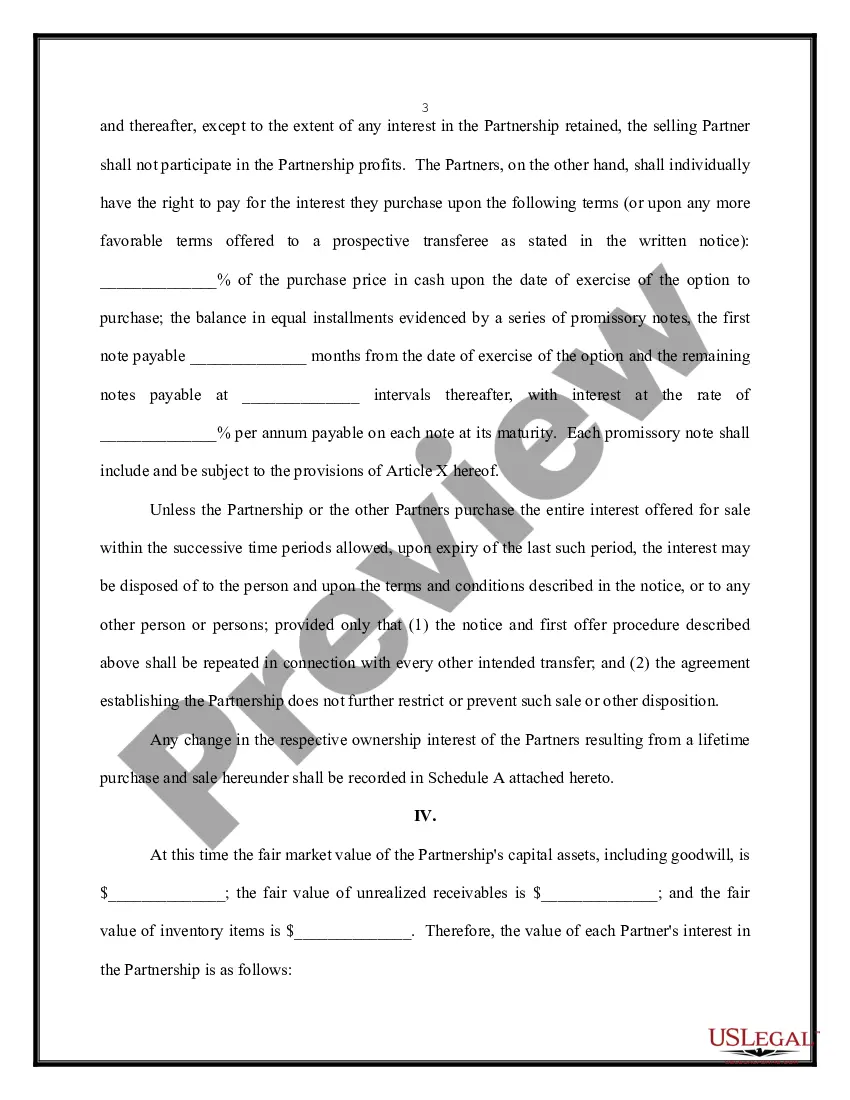
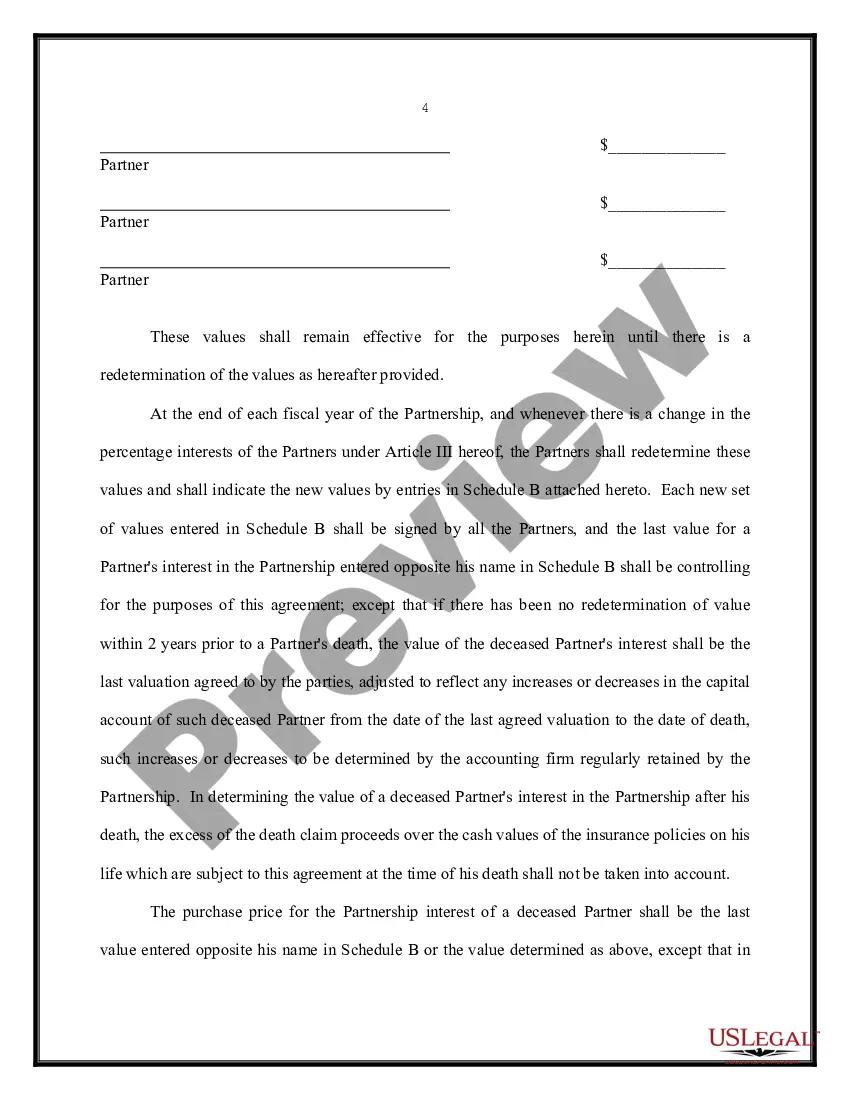
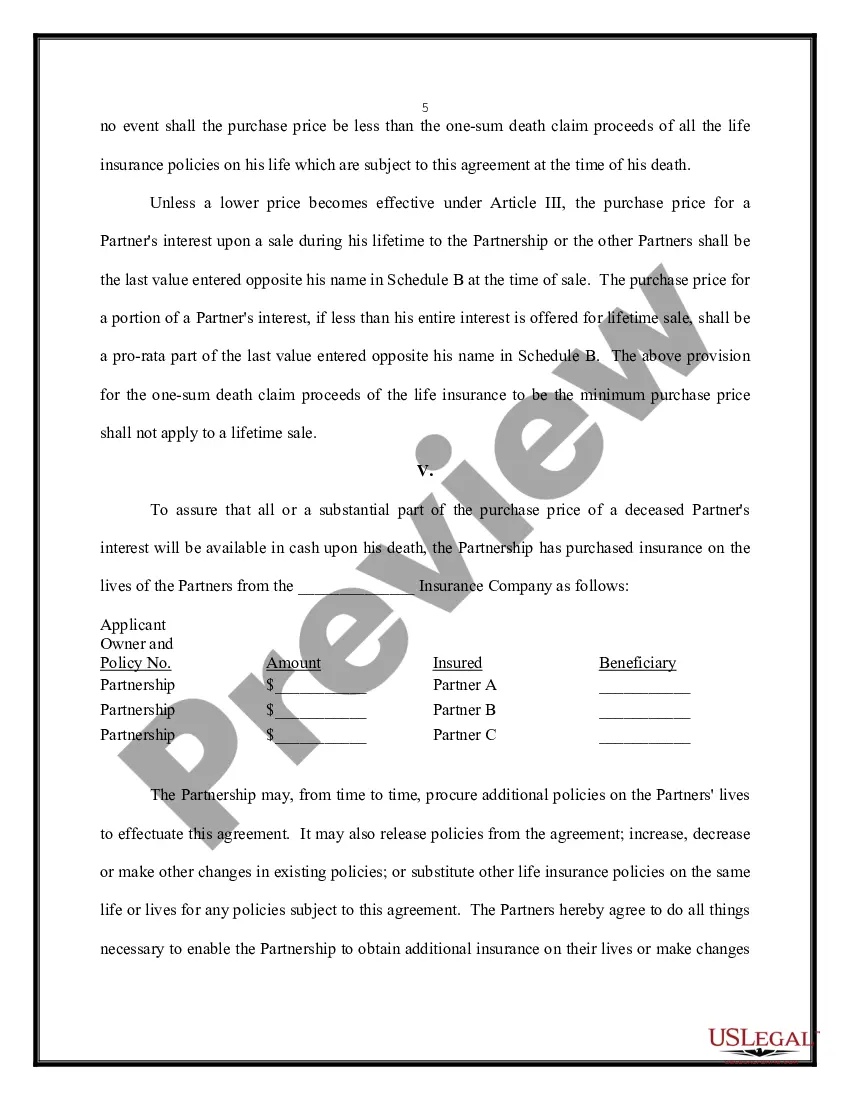


Get your form ready online
Our built-in tools help you complete, sign, share, and store your documents in one place.
Make edits, fill in missing information, and update formatting in US Legal Forms—just like you would in MS Word.
Download a copy, print it, send it by email, or mail it via USPS—whatever works best for your next step.
Sign and collect signatures with our SignNow integration. Send to multiple recipients, set reminders, and more. Go Premium to unlock E-Sign.
If this form requires notarization, complete it online through a secure video call—no need to meet a notary in person or wait for an appointment.
We protect your documents and personal data by following strict security and privacy standards.

Make edits, fill in missing information, and update formatting in US Legal Forms—just like you would in MS Word.

Download a copy, print it, send it by email, or mail it via USPS—whatever works best for your next step.

Sign and collect signatures with our SignNow integration. Send to multiple recipients, set reminders, and more. Go Premium to unlock E-Sign.

If this form requires notarization, complete it online through a secure video call—no need to meet a notary in person or wait for an appointment.

We protect your documents and personal data by following strict security and privacy standards.
Looking for another form?









Form popularity
FAQ
A negative capital account on your K-1 means you've taken more from the partnership than you've put in or been allocated. In multifamily investments, this can happen if you've received distributions that exceed your share of income and losses.
A Deficit Restoration Obligation is an obligation by a partner in a partnership (or a member in an LLC taxed as a partnership) to restore the negative balance in its capital account when the partnership liquidates.
How to zero out partner capital accounts in a final year Go into the Input Return tab. From the left of the screen, select Balance Sheet, M-1, M-2 and choose Sch M-2 (Capital Account). Scroll down to the Distributions section. In the field Other decreases (-) (Ctrl+E), enter the appropriate amount.
Per Internal Revenue Code Sections 704(a)(2) and 1367(a)(2), basis can never fall below zero. If there has been a distribution in excess of basis, then gain has to be recognized on the distribution. This gain is not reported on Schedule K-1. The partner/shareholder reports the gain on their tax return.
However, a partner's capital account can be negative. This generally happens when the partnership allocates losses or receives a distribution funded by debt incurred by the partnership. These actions can result in a taxable event for partners, so proactive steps need to be taken to avoid a negative balance.
If any members of a partnership have a negative capital account, that partner is legally obligated to restore their deficit, also known as a DRO (deficit restoration obligation).
− If a partner is selling his entire partnership interest, then his share of partnership liabilities will be reduced to zero and thus his amount realized will increase by at least the entire amount of his former share of partnership liabilities.
If a partnership holds IRC 751(a) property at the time of the sale, the partner recognizes gain or loss from its share of IRC 751(a) assets. The ordinary gain or loss is subtracted from the total gain or loss. The result is the partner's capital gain or loss from the sale.
How to zero out partner capital accounts in a final year Go into the Input Return tab. From the left of the screen, select Balance Sheet, M-1, M-2 and choose Sch M-2 (Capital Account). Scroll down to the Distributions section. In the field Other decreases (-) (Ctrl+E), enter the appropriate amount.
Both partner's current and capital account is made under Fixed Capital Method. The capital account always shows a credit balance. Current can show either credit or debit balance. Both capital and current account are shown in the balance sheet. It must be mentioned in the partnership deed. The capital remains unchanged.
