Agreement Between Partnership With Profit Sharing In Santa Clara
Description

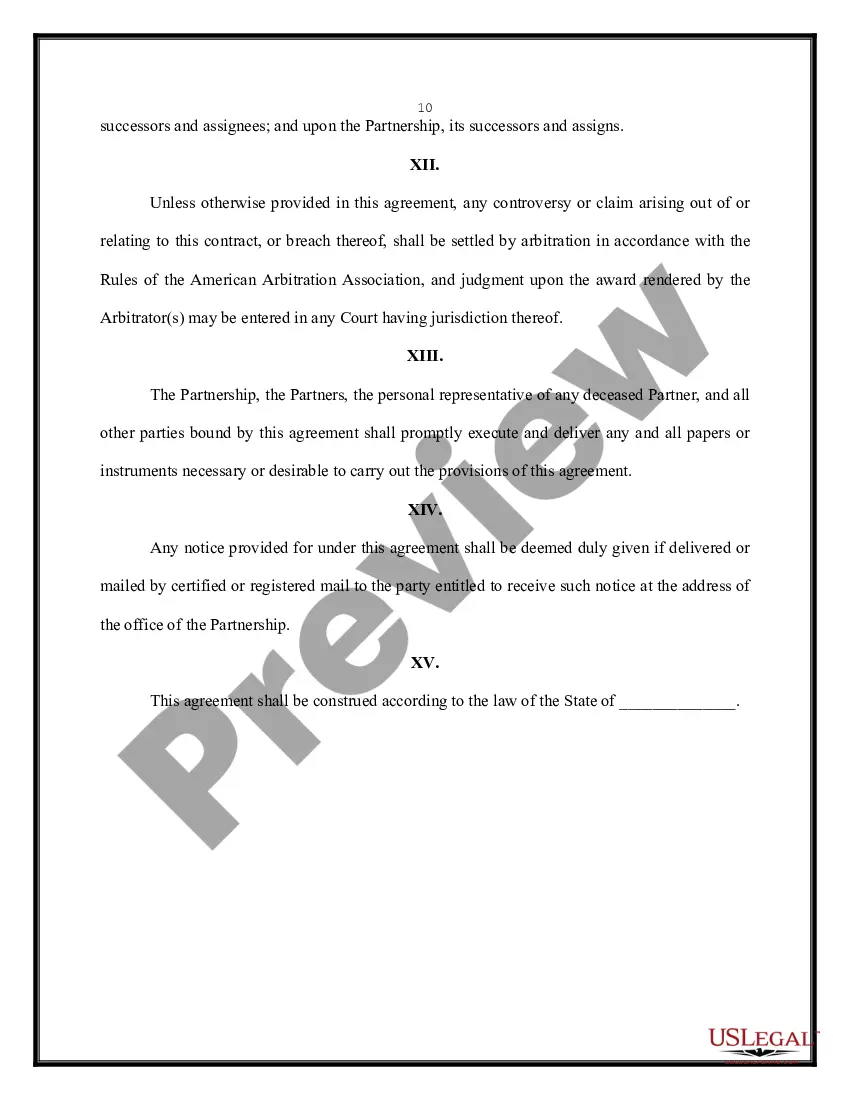


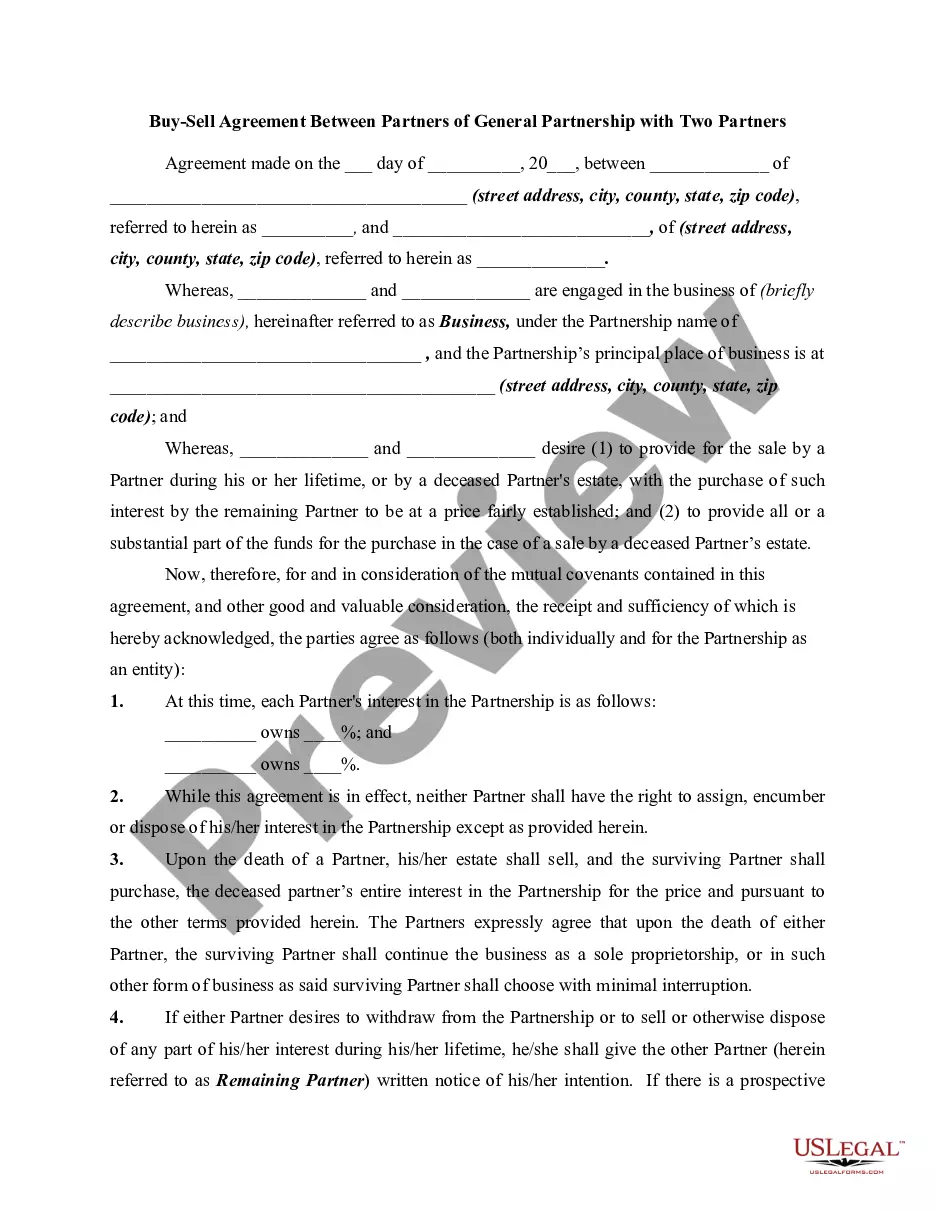
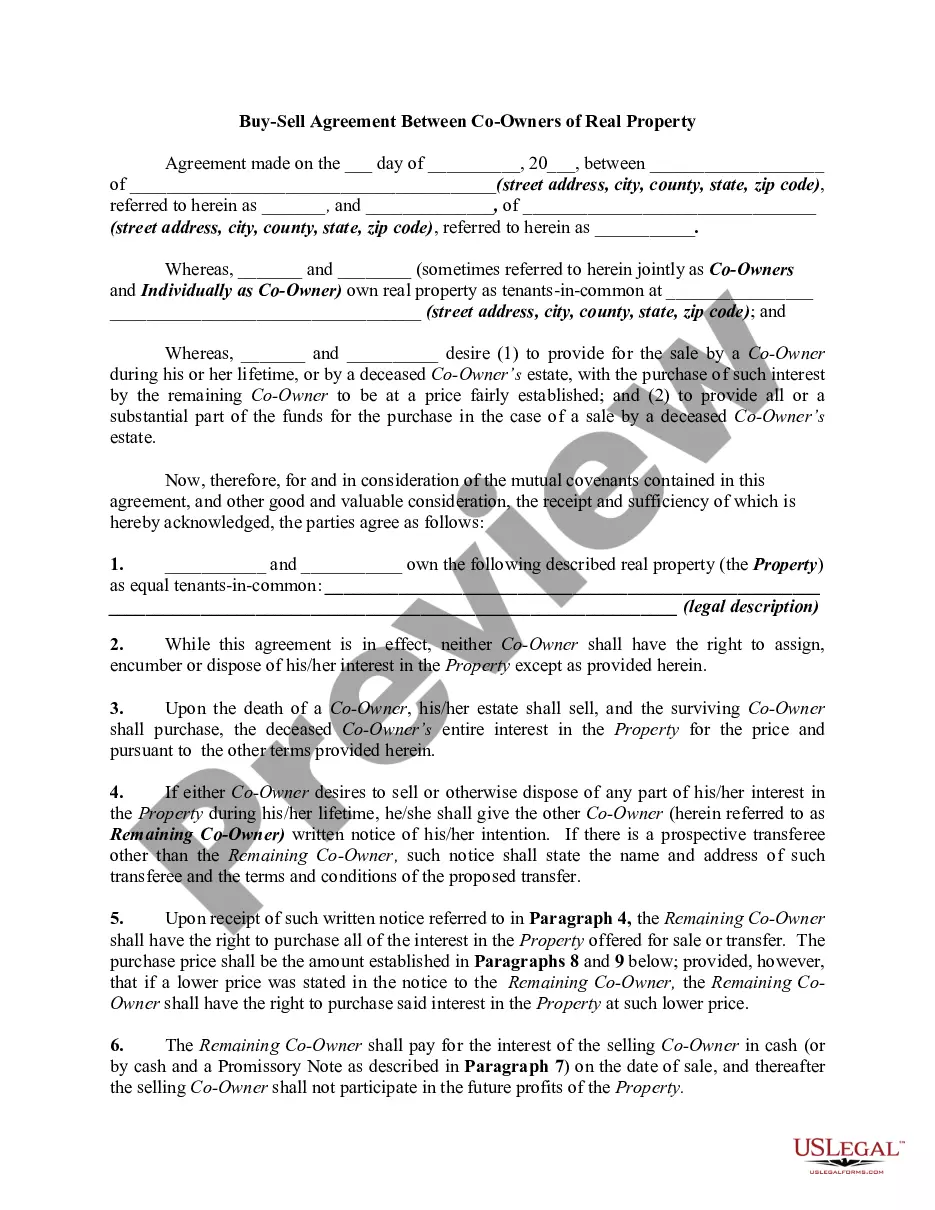
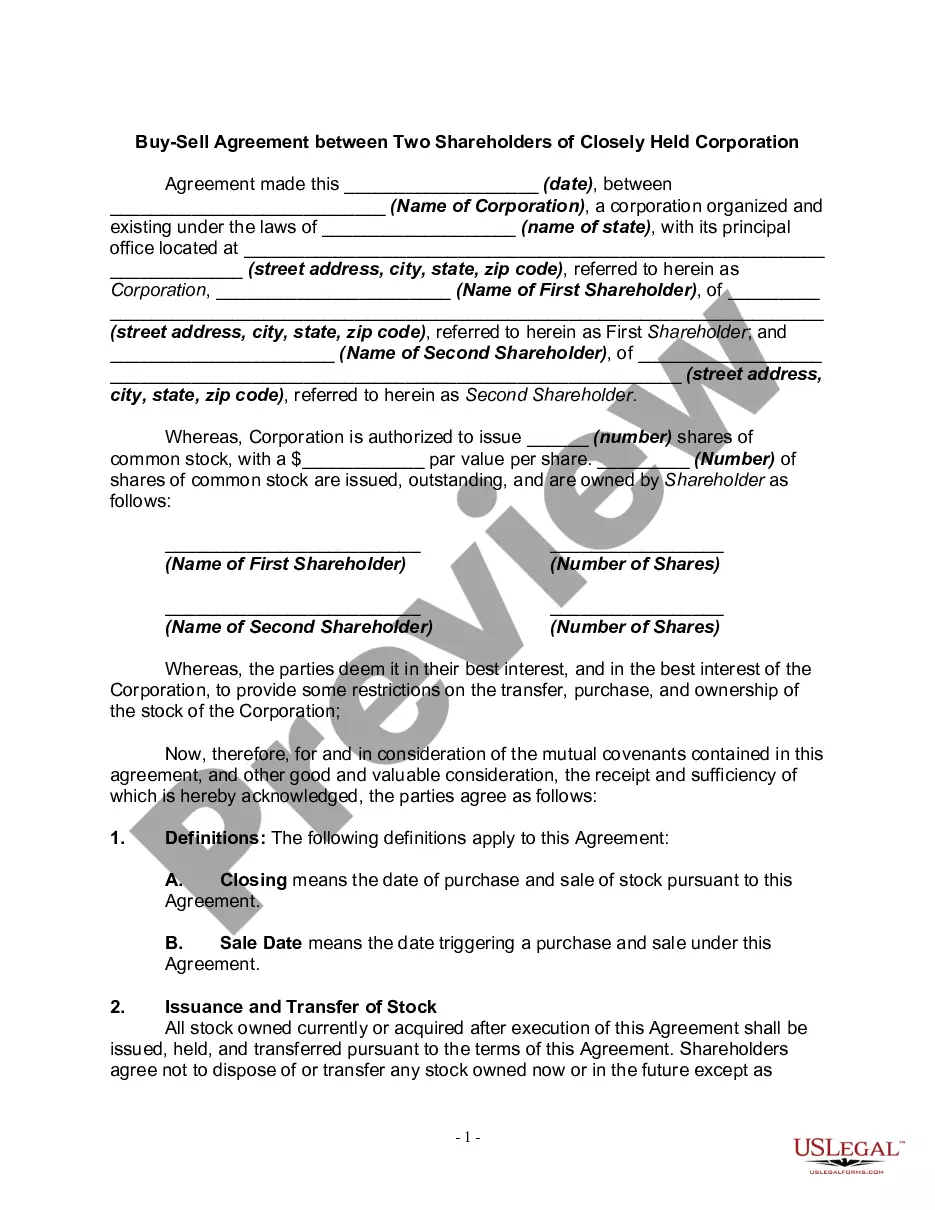
Get your form ready online
Our built-in tools help you complete, sign, share, and store your documents in one place.
Make edits, fill in missing information, and update formatting in US Legal Forms—just like you would in MS Word.
Download a copy, print it, send it by email, or mail it via USPS—whatever works best for your next step.
Sign and collect signatures with our SignNow integration. Send to multiple recipients, set reminders, and more. Go Premium to unlock E-Sign.
If this form requires notarization, complete it online through a secure video call—no need to meet a notary in person or wait for an appointment.
We protect your documents and personal data by following strict security and privacy standards.

Make edits, fill in missing information, and update formatting in US Legal Forms—just like you would in MS Word.

Download a copy, print it, send it by email, or mail it via USPS—whatever works best for your next step.

Sign and collect signatures with our SignNow integration. Send to multiple recipients, set reminders, and more. Go Premium to unlock E-Sign.

If this form requires notarization, complete it online through a secure video call—no need to meet a notary in person or wait for an appointment.

We protect your documents and personal data by following strict security and privacy standards.
Looking for another form?

Form popularity
FAQ
The five most important considerations when creating a ProfitSharing Agreement Clarify expectations. Define the role. Begin with a fixed-term agreement. Calculate how much and when to share profits. Agree on what happens when the business has losses.
Net profit (post-tax difference between revenue and costs) is the basis for distribution. The partnership agreement can change the profit distribution proportion. In this case, the shareholders may decide on other rules of division. For example, based on additional criteria such as involvement in the business.
What is partnership profit sharing? ? Partnership profit sharing is the method of deciding how to split your business profits between partners. In a business partnership, you get to decide how you split the profits but all partners must agree on a profit-sharing ratio.
A profit sharing agreement is a legally binding document. This type of agreement is between two or more businesses. This agreement outlines the distribution of profits and losses from a business venture or project. In general, the parties to the agreement will be seperate businesses or companies.
Similarly, profit sharing agreements are not the same as partnership agreements. A profit sharing agreement sets out the terms for embarking on a shared project, initiative, or venture. It does not imply that you are carrying on a business together. The agreement only lasts for the duration of the project.
When two entities come together to form a partnership, a profit-sharing agreement acts as a vital contract that maps out the distribution of profits among all parties involved.
In ance with the provisions of the partnership deed, the profits and losses made by the firm are distributed among the partners. However, sharing of profit and losses is equal among the partners, if the partnership deed is silent.
? Agree on a profit-sharing ratio There is no one-size-fits-all answer for what a good profit-sharing ratio is for all businesses. As a general rule, if there are two people in the partnership, it's 50/50, and if there are three people, it's a ⅓ split.
This ratio is usually based on each partner's investment, effort, or other factors agreed upon by the partners. Divide the total profit by the sum of the ratio values to find the value of one share. Multiply the value of one share by each partner's ratio value to find their individual profit share.
Include basic information, such as the date and names of the parties. Define the role of each party and refer to each by that role... Include information about the exchange of consideration, and write clearly as to which party delivers and what the other agrees in exchange.
