Partnership Selling Examples In Massachusetts
Description

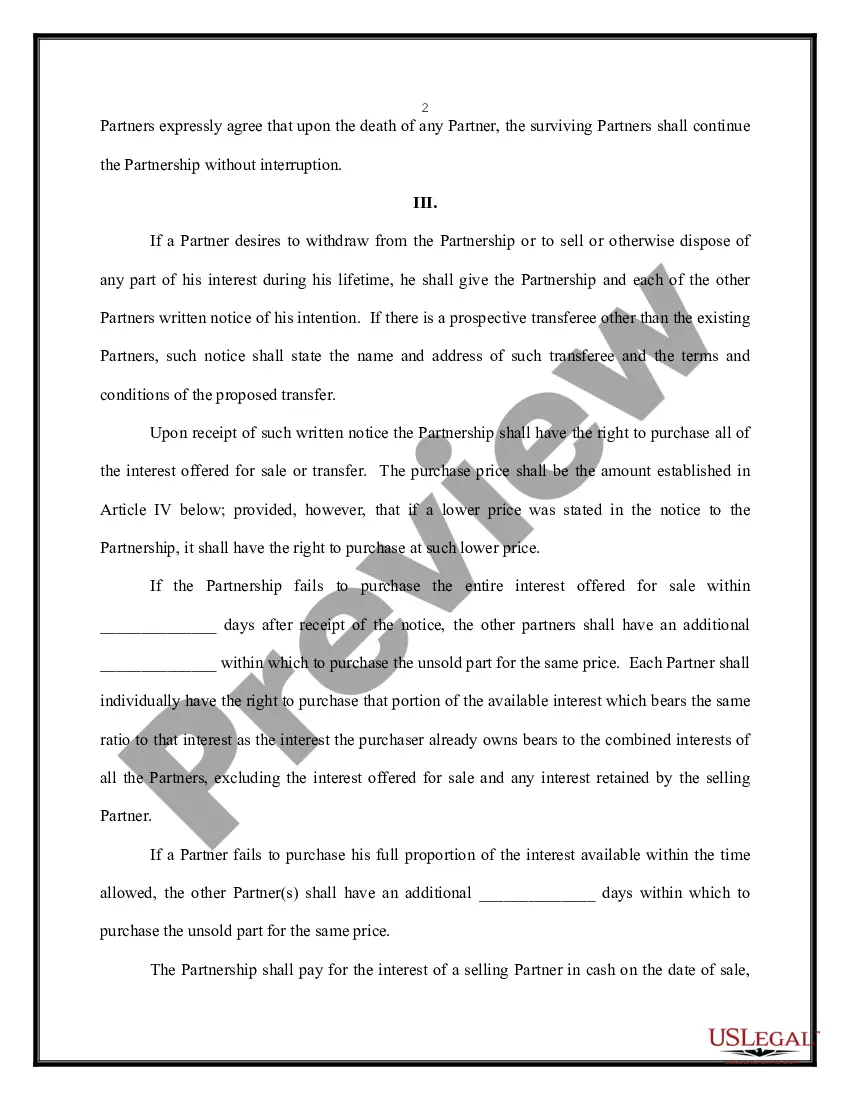
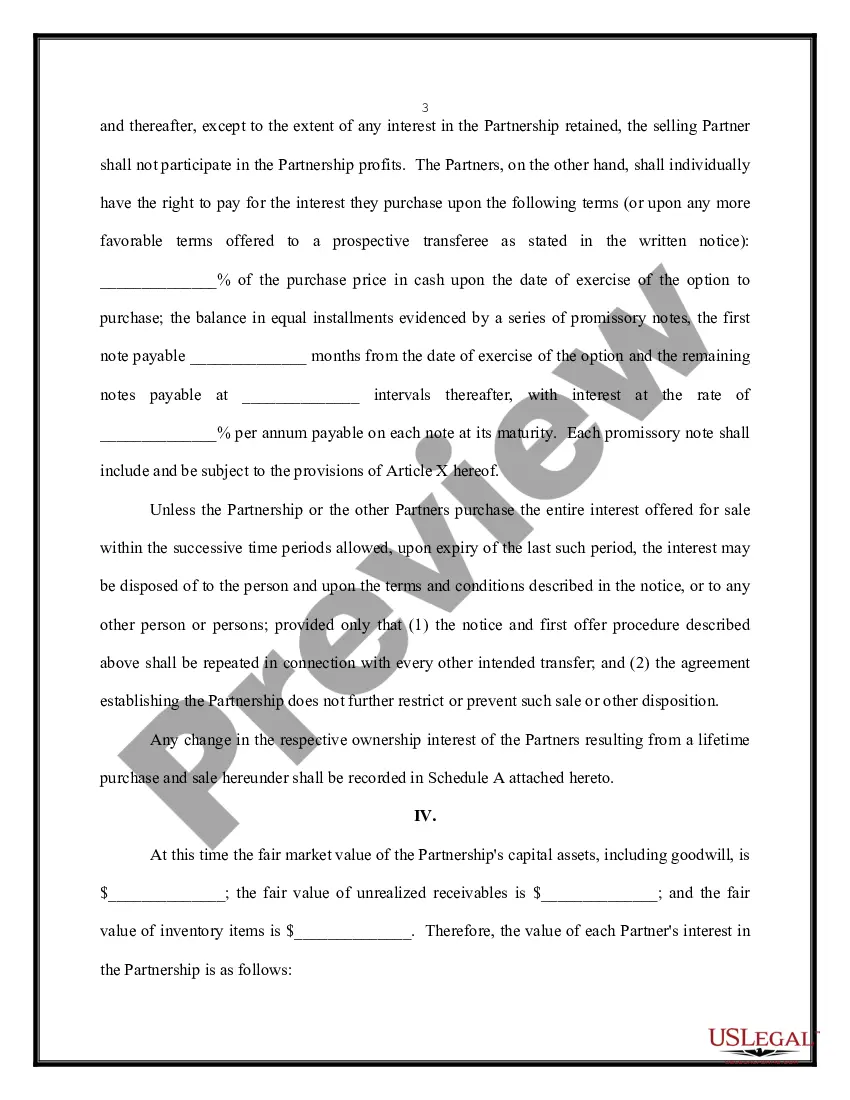
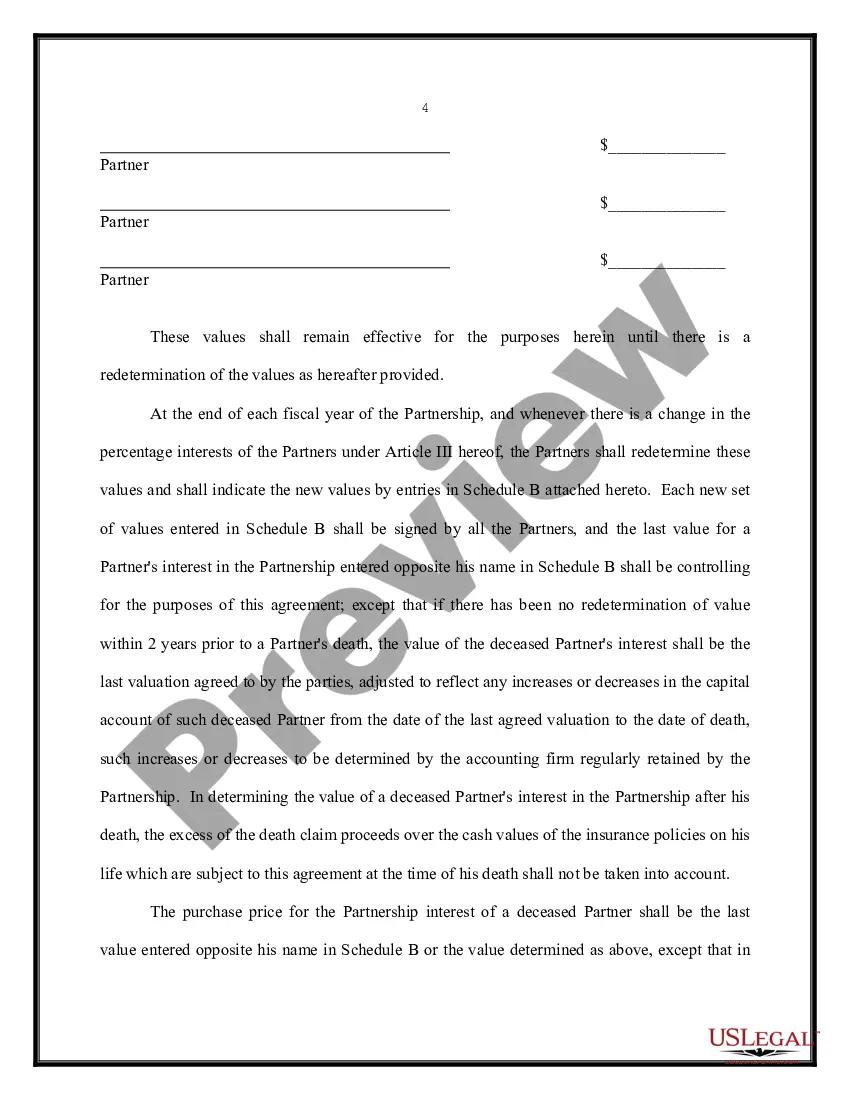
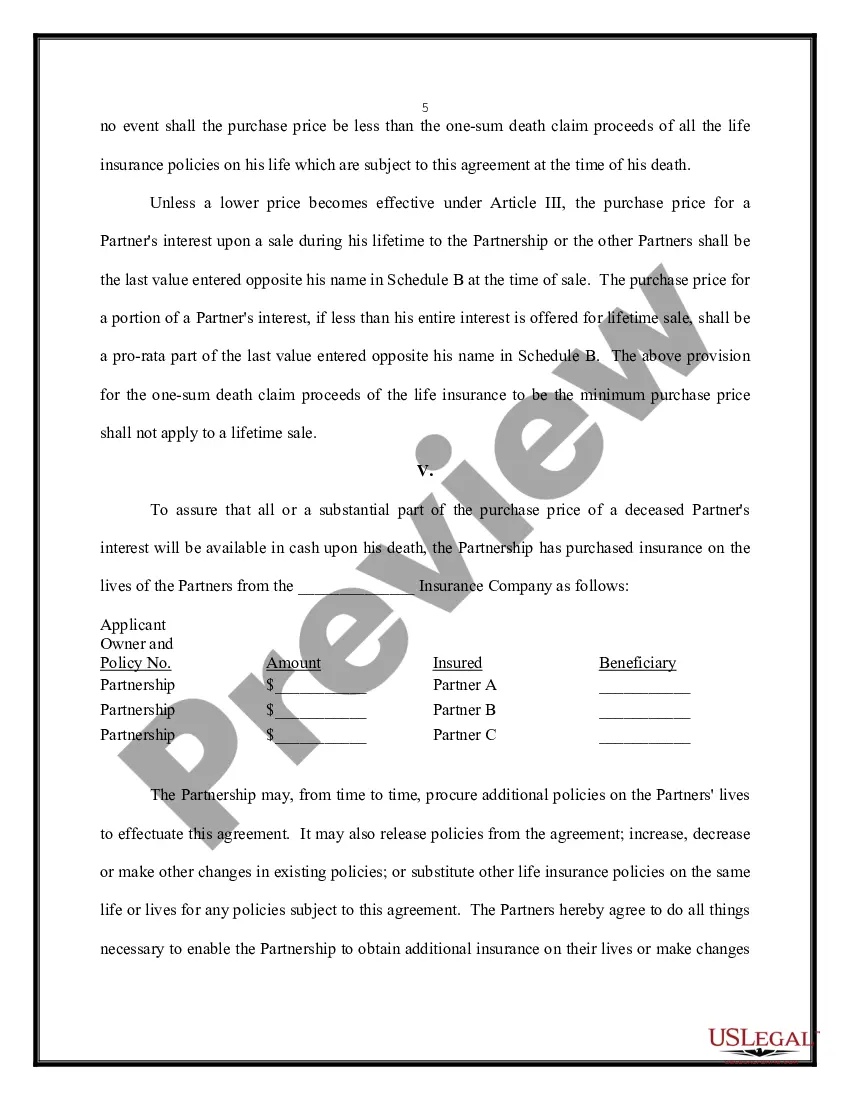



Get your form ready online
Our built-in tools help you complete, sign, share, and store your documents in one place.
Make edits, fill in missing information, and update formatting in US Legal Forms—just like you would in MS Word.
Download a copy, print it, send it by email, or mail it via USPS—whatever works best for your next step.
Sign and collect signatures with our SignNow integration. Send to multiple recipients, set reminders, and more. Go Premium to unlock E-Sign.
If this form requires notarization, complete it online through a secure video call—no need to meet a notary in person or wait for an appointment.
We protect your documents and personal data by following strict security and privacy standards.

Make edits, fill in missing information, and update formatting in US Legal Forms—just like you would in MS Word.

Download a copy, print it, send it by email, or mail it via USPS—whatever works best for your next step.

Sign and collect signatures with our SignNow integration. Send to multiple recipients, set reminders, and more. Go Premium to unlock E-Sign.

If this form requires notarization, complete it online through a secure video call—no need to meet a notary in person or wait for an appointment.

We protect your documents and personal data by following strict security and privacy standards.
Looking for another form?





Form popularity
FAQ
Use Schedule 2K-1, Beneficiary's Massachusetts Information, to report a beneficiary's share of in- come, deductions, and credits from a decedent's estate or a trust. Grantor-type trusts do not use Schedule 2K-1 to report the income, deductions or credits of the grantor or other person treated as the owner.
Form 1 and Form 1-NR/PY filers must use Schedule E-3 to report income and loss from estates, trusts, REMICs and farms. Separate Schedule(s) E-3 must be filed for each individual entity.
A Schedule K-1 is a federal tax form that pass through entities like partnerships and S corporations and sometimes trusts and estates send to their partners, shareholders, or beneficiaries. The form reports the income, losses, and gains passed to each party with an interest in the entity.
General Partnership: Like sole proprietorship, this entity type does not require registration with the Massachusetts Secretary of the Commonwealth, but it also does not protect the owners from business liability, and therefore is usually not recommended.
C. 62, § 17(b) or 830 CMR 63.39. 1(8)(b). Tiered Structure, a pass-through entity that has a pass-through entity as a member. As between two entities, the pass-through entity that is a member is the upper-tier entity, and the entity of which it is a member is the lower-tier entity.
Form 3 must be signed by one of the general partners. Mail partnership return to: Massachusetts Department of Revenue, PO Box 7017, Boston, MA 02204.
Schedule 3K-1 is designed to allow the partner- ship to report each partner's distributive share of partnership income. A separate Schedule 3K-1 is required for each partner. How Does Each Partner Report Partnership Income?
What is an Example of a Partnership Business? One of the most illustrative partnership business examples is the collaboration between Spotify and Starbucks. This partnership allowed Starbucks employees to influence the music played in-store via Spotify while integrating Starbucks' rewards program with the Spotify app.
There are three relatively common partnership types: general partnership (GP), limited partnership (LP) and limited liability partnership (LLP). A fourth, the limited liability limited partnership (LLLP), is not recognized in all states.
There are four types of business partnerships: LLC partnership (also known as a multi-member LLC) Limited liability partnership (LLP) Limited partnership (LP) General partnership (GP)
