Agreement Between Partnership For Dissolution In Cook
Description

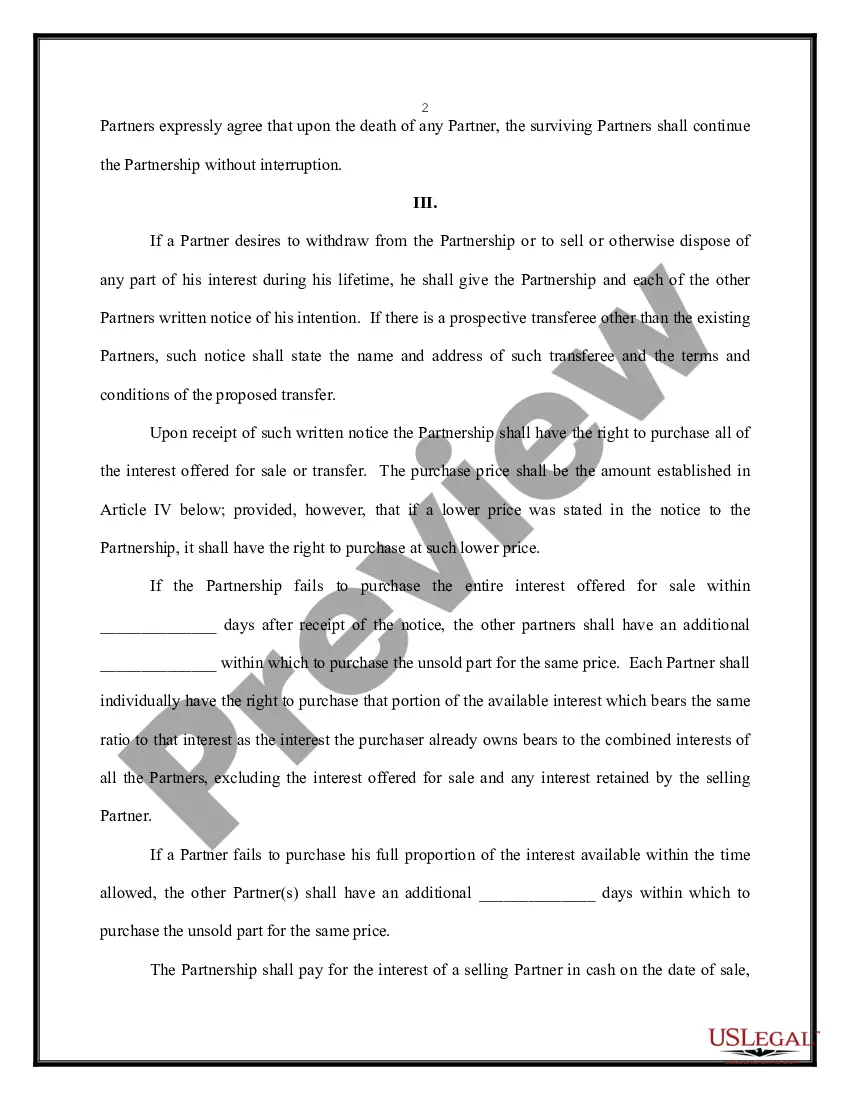
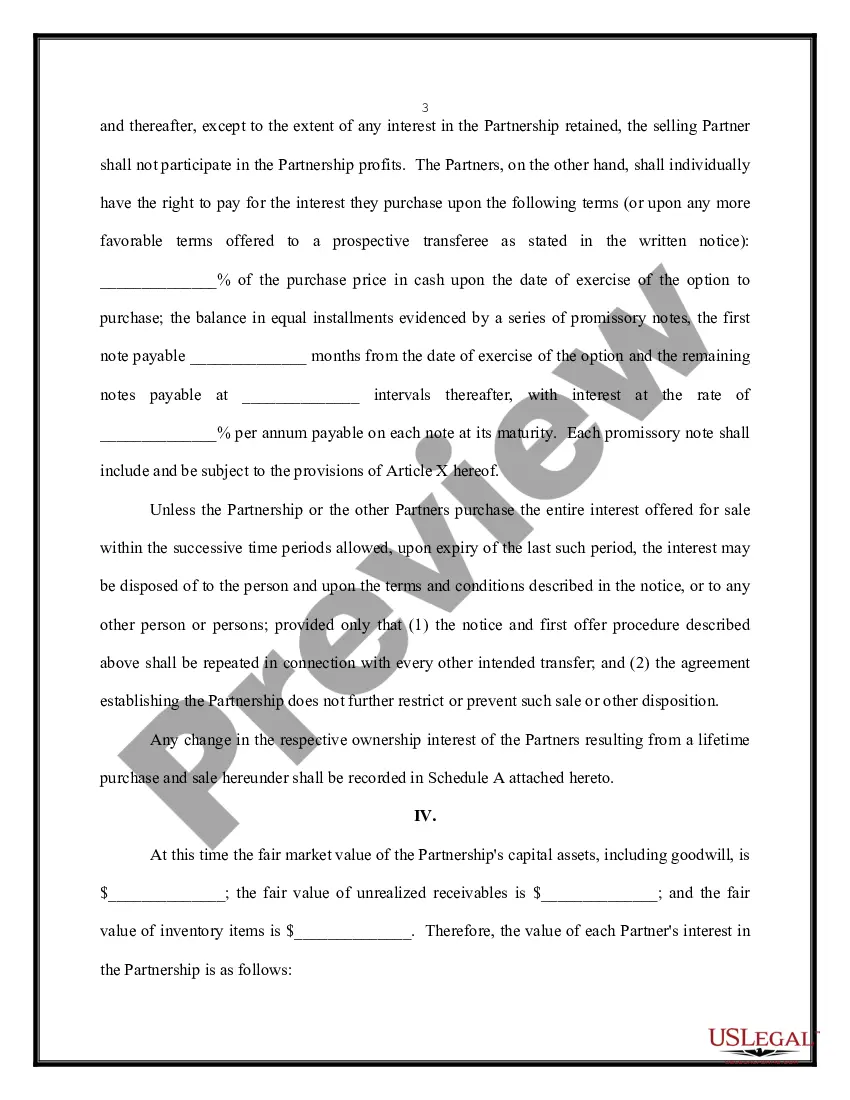
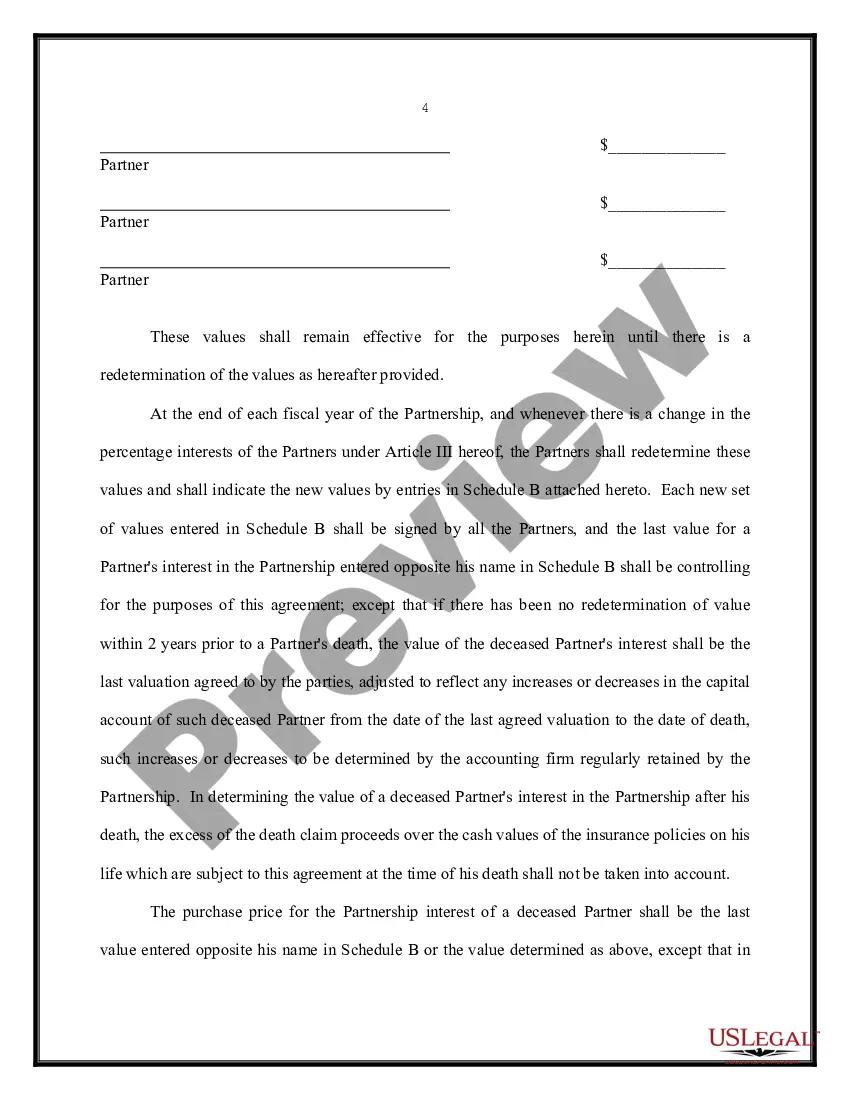
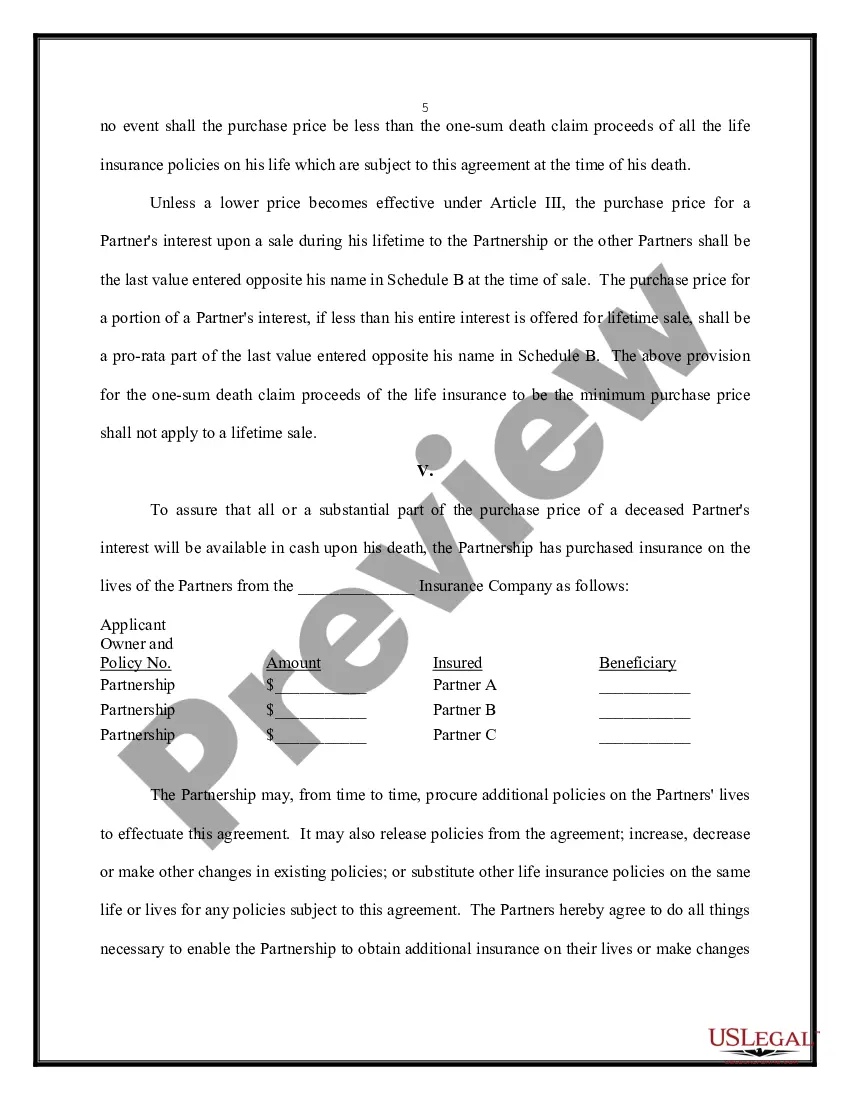


Get your form ready online
Our built-in tools help you complete, sign, share, and store your documents in one place.
Make edits, fill in missing information, and update formatting in US Legal Forms—just like you would in MS Word.
Download a copy, print it, send it by email, or mail it via USPS—whatever works best for your next step.
Sign and collect signatures with our SignNow integration. Send to multiple recipients, set reminders, and more. Go Premium to unlock E-Sign.
If this form requires notarization, complete it online through a secure video call—no need to meet a notary in person or wait for an appointment.
We protect your documents and personal data by following strict security and privacy standards.

Make edits, fill in missing information, and update formatting in US Legal Forms—just like you would in MS Word.

Download a copy, print it, send it by email, or mail it via USPS—whatever works best for your next step.

Sign and collect signatures with our SignNow integration. Send to multiple recipients, set reminders, and more. Go Premium to unlock E-Sign.

If this form requires notarization, complete it online through a secure video call—no need to meet a notary in person or wait for an appointment.

We protect your documents and personal data by following strict security and privacy standards.
Looking for another form?







Form popularity
FAQ
The dissolution process involves settling the firm's debts, distributing assets among the partners, and completing necessary legal formalities. It marks the end of the firm's existence and requires compliance with specific legal procedures to avoid future liabilities.
When a partnership dissolves, the individuals involved are no longer partners in a legal sense, but the partnership continues until all debts are settled, the business is legally terminated and the remaining company assets are distributed. Read more about strategic partnerships.
If you do not have a predetermined dissolution procedure, follow these steps to dissolve a partnership agreement: Discuss the terms and issues. Draft a dissolution agreement. Double-check the terms. Check your state's business laws. File a statement of dissolution with your state.
The notice should include essential details such as the effective date of dissolution, the reasons for dissolution, and instructions for handling any outstanding obligations or claims. It is essential to ensure that the notice complies with state laws and any specific provisions outlined in the partnership agreement.
The process of dissolving a partnership firm begins with a mutual agreement among partners, followed by issuing a dissolution notice to all stakeholders. Next, the firm's debts are settled, and assets are distributed as per the partnership deed.
Be sure you know what you want from the break before approaching your business partner and negotiating an agreement. Make the Break Quick and Decisively. Discuss Future Plans. Discuss Your Plans with an Attorney. Say Thanks and Be Reasonable. Protect Your Assets. Return Company Assets. Call in the Experts.
If you and your partners disagree on certain issues, you can ask an impartial third party or legal counsel to mediate. Draft a dissolution agreement. Vote on your decision, and draft a dissolution agreement, which will set out the agreed-upon termination terms. Document your individual votes for dissolution.
Dissolution of Partnership means there is a change in the business relationship among all the partners and the firm continues to run. Dissolution of a Firm leads to the closure of the business and also the end of the partnership.
Partners have joint liability for the firm's debts. This means that each partner is liable for the whole balance of the firm's debts. However, any payments made towards a firm's debt will reduce the balance owed by each partner.
