Contingency Contract In House In Salt Lake
Description







Get your form ready online
Our built-in tools help you complete, sign, share, and store your documents in one place.
Make edits, fill in missing information, and update formatting in US Legal Forms—just like you would in MS Word.
Download a copy, print it, send it by email, or mail it via USPS—whatever works best for your next step.
Sign and collect signatures with our SignNow integration. Send to multiple recipients, set reminders, and more. Go Premium to unlock E-Sign.
If this form requires notarization, complete it online through a secure video call—no need to meet a notary in person or wait for an appointment.
We protect your documents and personal data by following strict security and privacy standards.

Make edits, fill in missing information, and update formatting in US Legal Forms—just like you would in MS Word.

Download a copy, print it, send it by email, or mail it via USPS—whatever works best for your next step.

Sign and collect signatures with our SignNow integration. Send to multiple recipients, set reminders, and more. Go Premium to unlock E-Sign.

If this form requires notarization, complete it online through a secure video call—no need to meet a notary in person or wait for an appointment.

We protect your documents and personal data by following strict security and privacy standards.
Looking for another form?




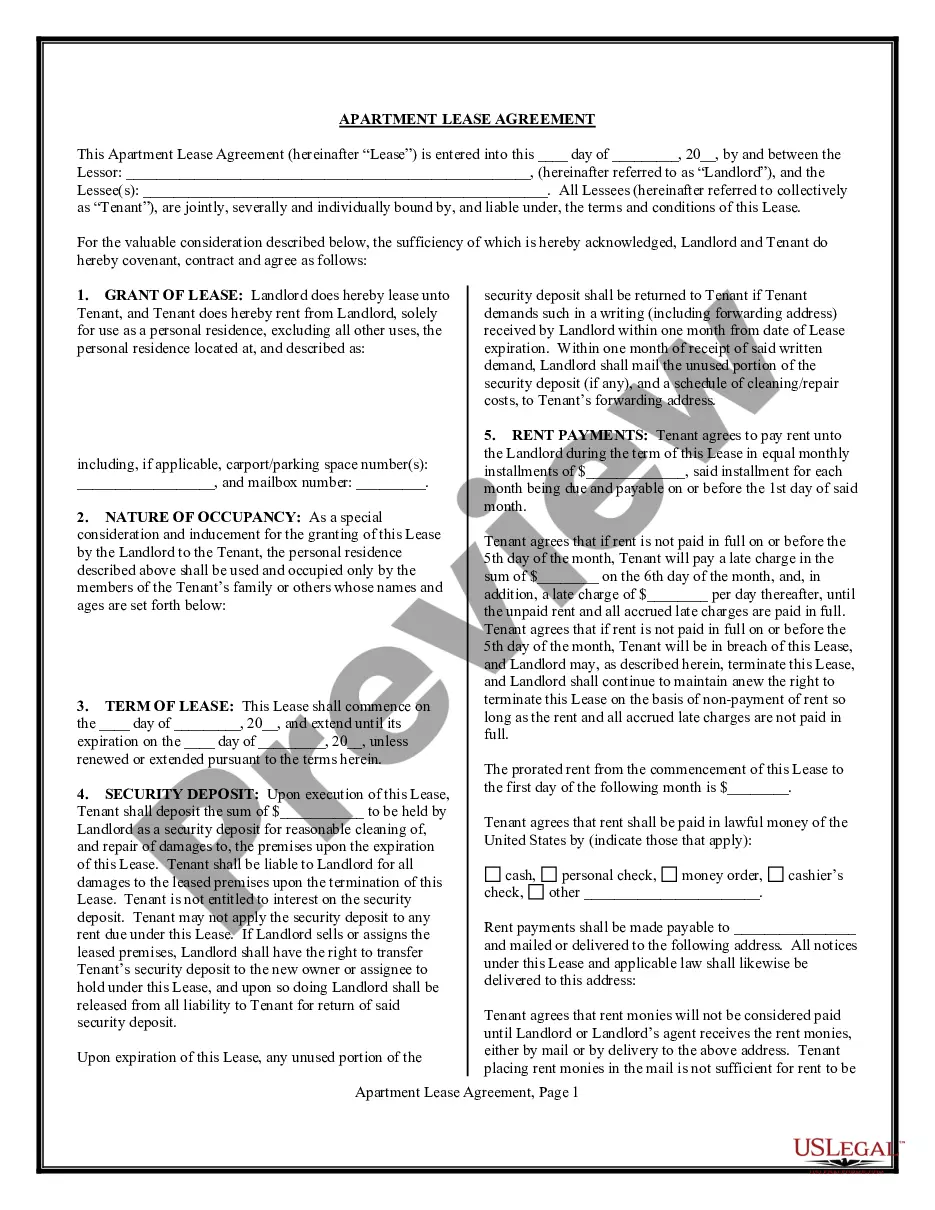

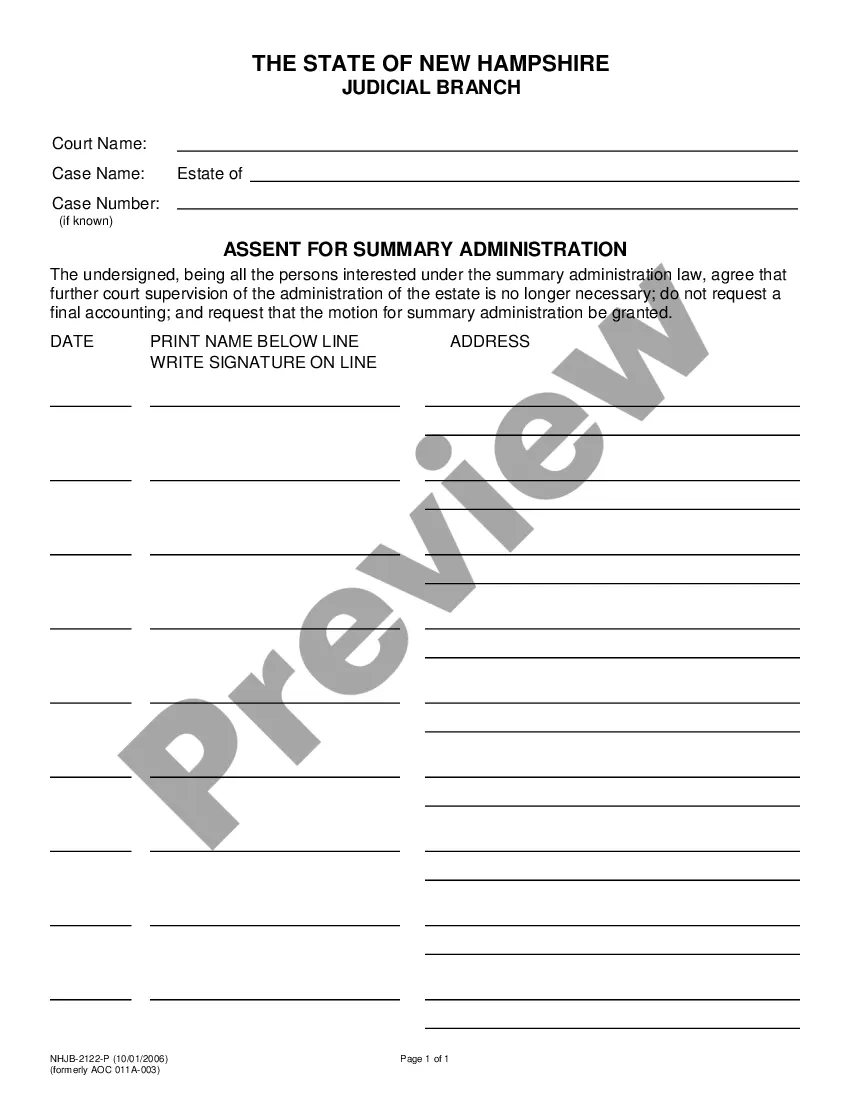


Form popularity
FAQ
Cooling-off Rule is a rule that allows you to cancel a contract within a few days (usually three days) after signing it. As explained by the Federal Trade Commission (FTC), the federal cooling-off rules gives the consumer three days to cancel certain sales for a full refund.
Example of a Contingency Contract One straightforward example might be a child who agrees with their parent that if they get an A in a particular class, they will get a new bicycle. Of course, the contract may be verbal, and it may be between family members.
As a general rule, a contract is binding as soon as you sign it, and you do not have the right to cancel the contract.
A contingency clause should clearly outline the conditions, how the conditions are to be fulfilled, and which party is responsible for fulfilling them. The clause should also provide a timeframe for what happens if the condition is not met.
A contingent contract is a legal agreement in which the terms and conditions only apply or take effect if a specific event occurs. Essentially, the parties involved agree to perform actions or obligations based on the occurrence or non-occurrence of a particular event in the future.
We want to help you prepare for the worst-case scenario, which is why we created this straightforward guide to three types of contingencies: Design contingencies. Bidding contingencies. Construction contingencies.
The most common contingency is the home inspection contingency. This condition on an offer states the home sale will only be finalized if the property passes a professional home inspection. In other words, buyers can walk away from a home sale if the home inspection turns up serious problems.
