Contingency Law In A Sentence In Georgia
Description





Get your form ready online
Our built-in tools help you complete, sign, share, and store your documents in one place.
Make edits, fill in missing information, and update formatting in US Legal Forms—just like you would in MS Word.
Download a copy, print it, send it by email, or mail it via USPS—whatever works best for your next step.
Sign and collect signatures with our SignNow integration. Send to multiple recipients, set reminders, and more. Go Premium to unlock E-Sign.
If this form requires notarization, complete it online through a secure video call—no need to meet a notary in person or wait for an appointment.
We protect your documents and personal data by following strict security and privacy standards.

Make edits, fill in missing information, and update formatting in US Legal Forms—just like you would in MS Word.

Download a copy, print it, send it by email, or mail it via USPS—whatever works best for your next step.

Sign and collect signatures with our SignNow integration. Send to multiple recipients, set reminders, and more. Go Premium to unlock E-Sign.

If this form requires notarization, complete it online through a secure video call—no need to meet a notary in person or wait for an appointment.

We protect your documents and personal data by following strict security and privacy standards.
Looking for another form?
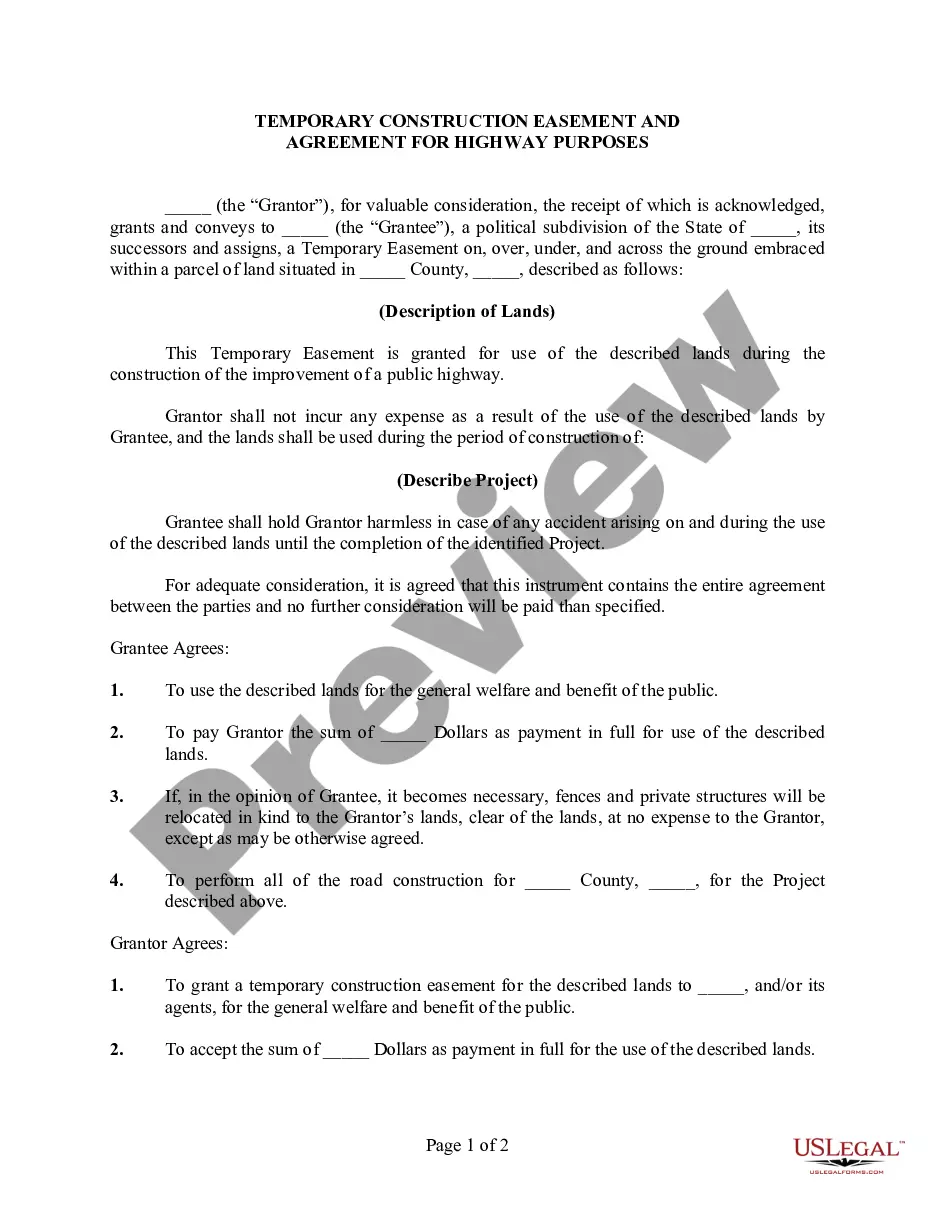
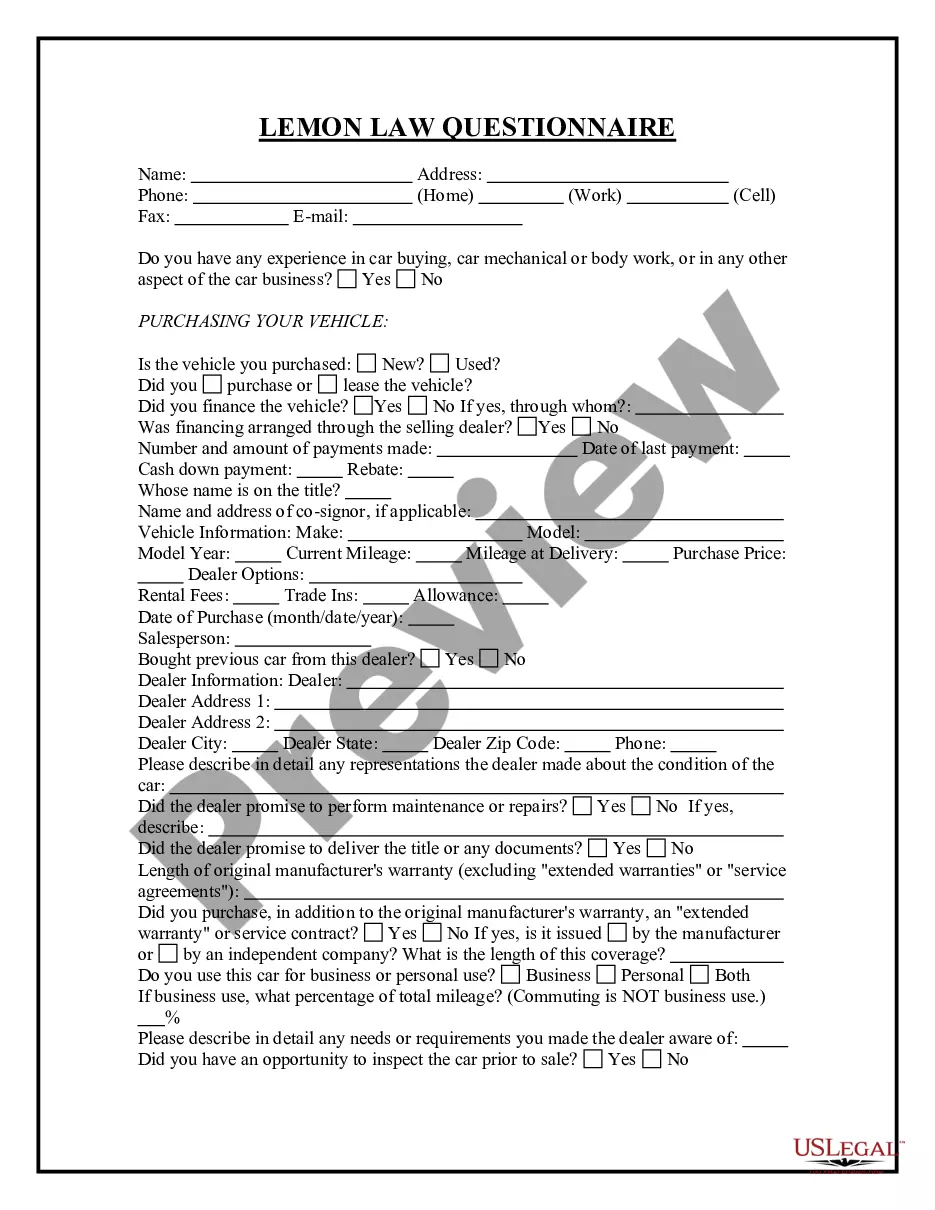
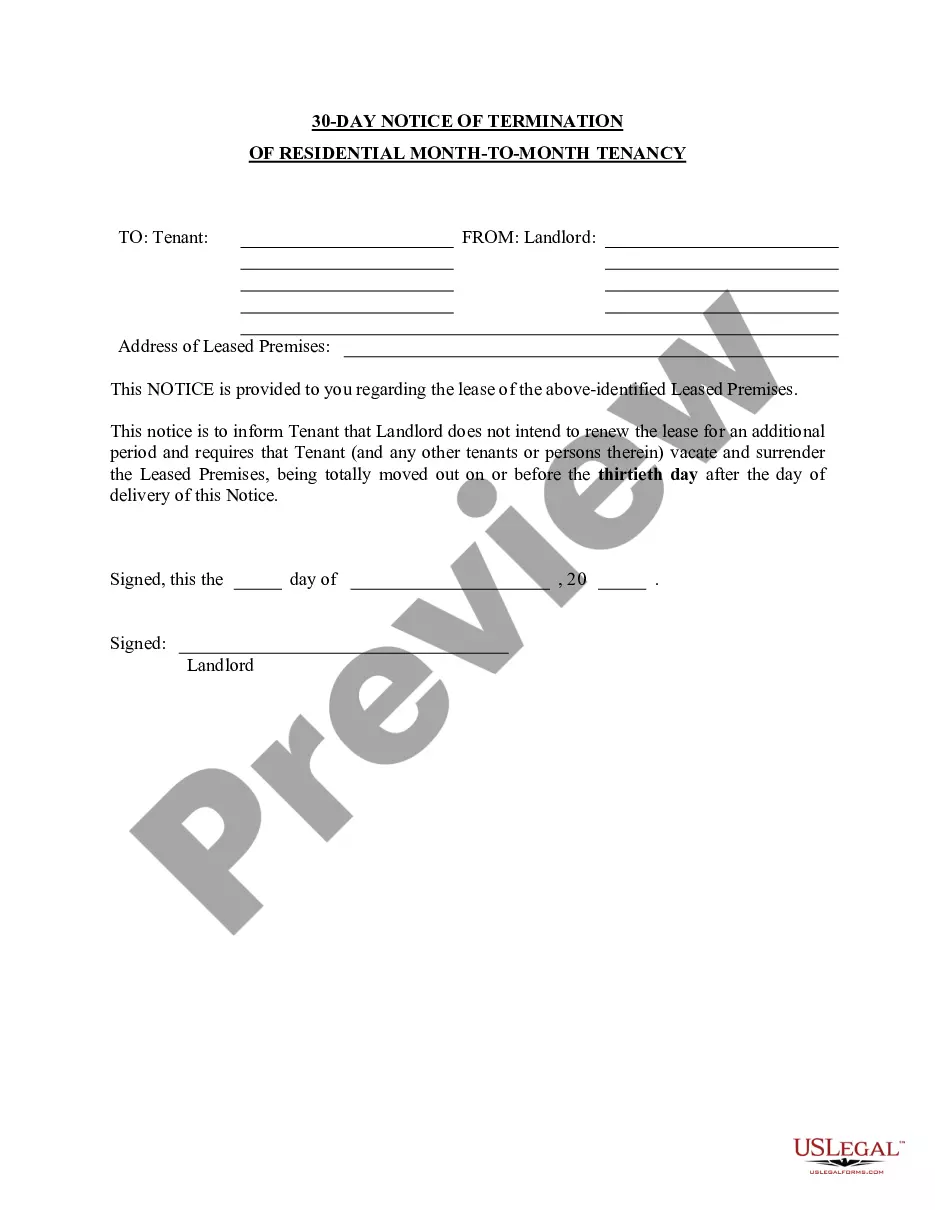
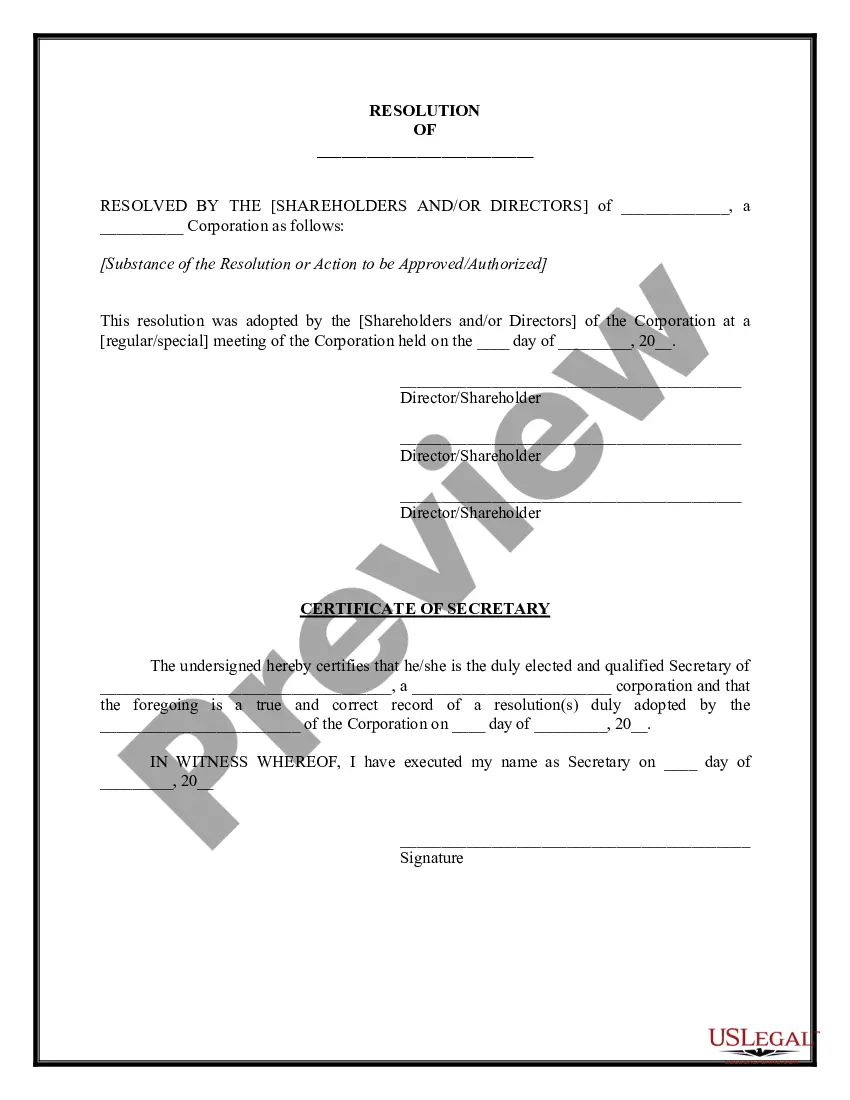

Form popularity
FAQ
The Most Common Cases that Do Not Operate on Contingency Fees Criminal defense cases. Divorce attorneys. Family law attorneys. Domestic relations cases. Business-related cases. Contracts and closings.
Contingent means that an event may or may not occur in the future, depending on the fulfillment of some condition that is uncertain. This term is often used in contracts where the event will not take effect until the specified condition occurs.
Steps to become a Lawyer/Attorney in Georgia Find Your Georgia Undergraduate Pre-Law Degree Program. Take the LSAT (Law School Admission Test) Go to Law School in Georgia. Take the Georgia State Bar Exam and become an Attorney. Now that You've Been Admitted to the Georgia Bar.
A person is not guilty of a crime, except , if the act upon which the supposed criminal liability is based is performed under such coercion that the person reasonably believes that performing the act is the only way to prevent his imminent death or great bodily injury.
While it can be unethical for a lawyer to accept a settlement without your permission, it is not illegal. If it happens, it may be worth consulting with another lawyer about whether you have a legal malpractice claim if you think your case was settled inappropriately.
However, when a lawyer knows that a client proposes a course of action that is likely to result in substantial adverse legal consequences to the client, duty to the client under Rule 1.4: Communication may require that the lawyer act if the client's course of action is related to the representation.
Rule of Professional Conduct 1.7(a) states the general rule that “a lawyer shall not represent or continue to represent a client if there is a significant risk that the lawyer's own interests or the lawyer's duties to another client, a former client, or a third person will materially and adversely affect the ...
Rule 5.2 - Filing Requirements (1) Depositions and other original discovery material shall not be filed with the court unless or until required by the provisions of O.C.G.A.
Rule 1.6 applies not merely to matters communicated in confidence by the client but also to all information gained in the professional relationship, whatever its source. A lawyer may not disclose such information except as authorized or required by the Georgia Rules of Professional Conduct or other law.
Rule 4.1: Truthfulness in Statements to Others fail to disclose a material fact to a third person when disclosure is necessary to avoid assisting a criminal or fraudulent act by a client, unless disclosure is prohibited by Rule 1.6.