Contingency Lawyer For Wrongful Termination In Chicago
Description







Get your form ready online
Our built-in tools help you complete, sign, share, and store your documents in one place.
Make edits, fill in missing information, and update formatting in US Legal Forms—just like you would in MS Word.
Download a copy, print it, send it by email, or mail it via USPS—whatever works best for your next step.
Sign and collect signatures with our SignNow integration. Send to multiple recipients, set reminders, and more. Go Premium to unlock E-Sign.
If this form requires notarization, complete it online through a secure video call—no need to meet a notary in person or wait for an appointment.
We protect your documents and personal data by following strict security and privacy standards.

Make edits, fill in missing information, and update formatting in US Legal Forms—just like you would in MS Word.

Download a copy, print it, send it by email, or mail it via USPS—whatever works best for your next step.

Sign and collect signatures with our SignNow integration. Send to multiple recipients, set reminders, and more. Go Premium to unlock E-Sign.

If this form requires notarization, complete it online through a secure video call—no need to meet a notary in person or wait for an appointment.

We protect your documents and personal data by following strict security and privacy standards.
Looking for another form?

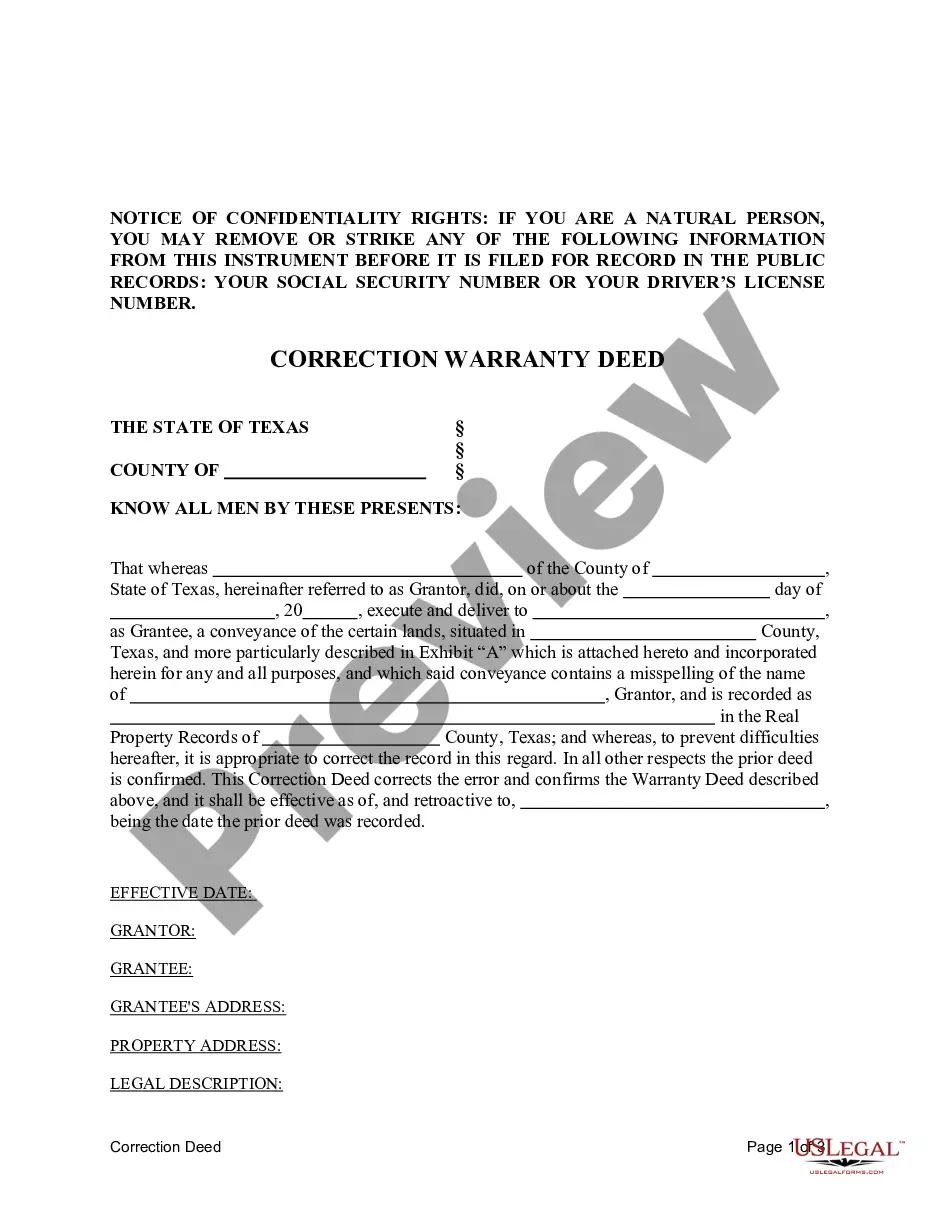


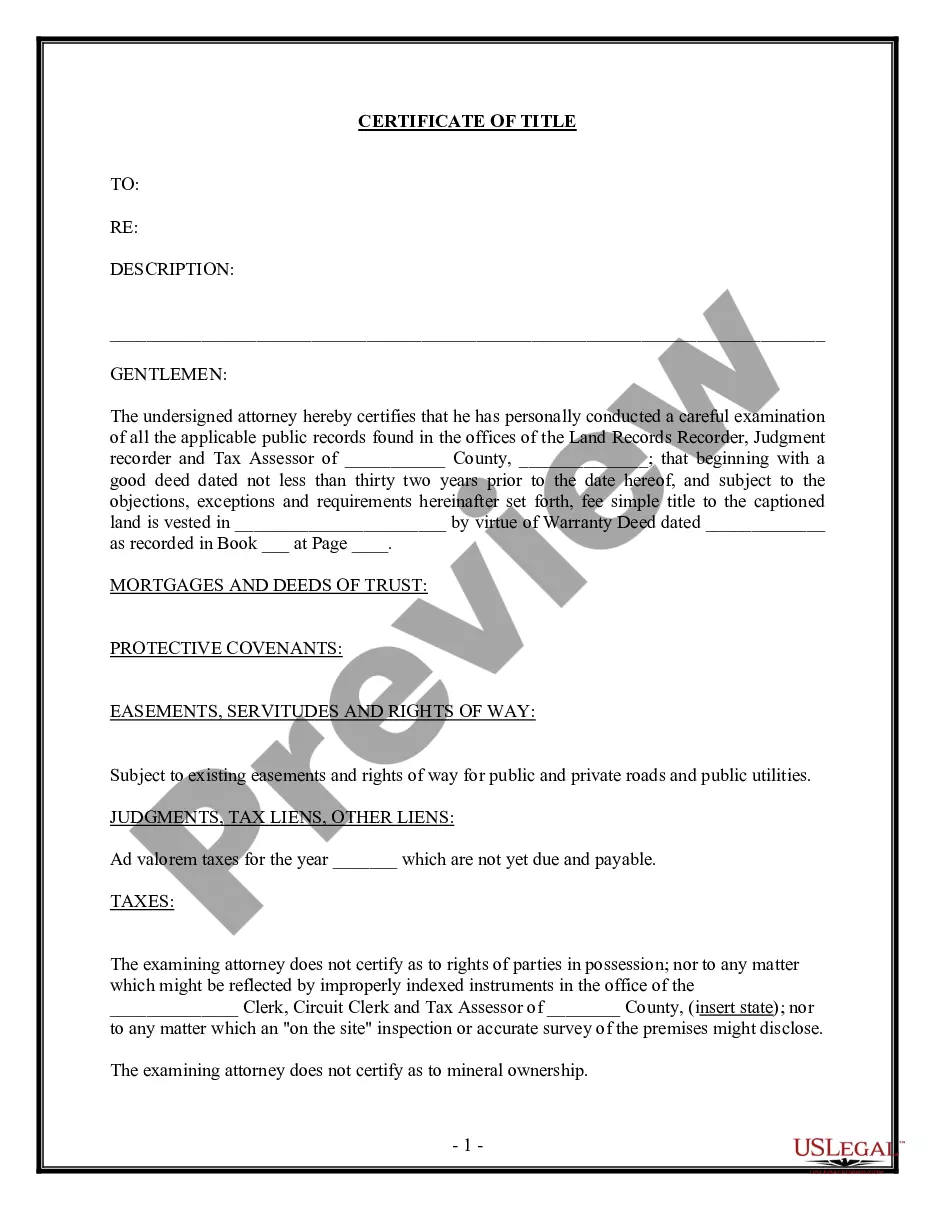





Form popularity
FAQ
The first step in a wrongful termination case is to file a claim with the EEOC. Once the EEOC considers your case evidence, it will file a lawsuit and can provide you with a list of qualified attorneys upon request. If you are an employee of the federal government, you'll have to undergo a different filing process.
While multimillion awards are possible, it is crucial to keep in mind that federal laws limit the amount of punitive and compensatory damages awarded in cases involving wrongful termination. They cannot exceed $50,000 – $300,000, depending on the number of employees working for the employer's business.
(a) An employer may not take retaliatory action against an employee who discloses or threatens to disclose to a public body conducting an investigation, or in a court, an administrative hearing, or any other proceeding initiated by a public body, information related to an activity, policy, or practice of the employer ...
You can sue an employer for firing you under false accusations if the termination violates your employment contract, discriminates against protected classes, or is considered retaliatory under labor laws. Document the accusations and seek legal counsel to determine if wrongful termination laws apply in your case.
You can sue an employer for firing you under false accusations if the termination violates your employment contract, discriminates against protected classes, or is considered retaliatory under labor laws. Document the accusations and seek legal counsel to determine if wrongful termination laws apply in your case.
The first step in a wrongful termination case is to file a claim with the EEOC. Once the EEOC considers your case evidence, it will file a lawsuit and can provide you with a list of qualified attorneys upon request. If you are an employee of the federal government, you'll have to undergo a different filing process.
If you were fired because you asserted a protected right (like filing a workers' compensation claim) or for refusing to do something illegal, you may have a claim for retaliatory discharge. The statute of limitations on these claims is five years.
An employee can file a lawsuit for wrongful discharge to seek damages. California is an at-will state, which means employers can terminate an employee without providing cause or justification.
If you're fired unfairly, gathering evidence and seeking legal help is key to building a strong case. Settlements vary widely but could range from $5,000 to over $1 million based on your situation's specifics.
In California, the statute of limitations for bringing a wrongful termination lawsuit depends on the type of claim and the circumstances of the firing. You have two years to file wrongful termination claims that are based on a violation of public policy.
