Compra Venta Contrato Withholding In San Bernardino
Description

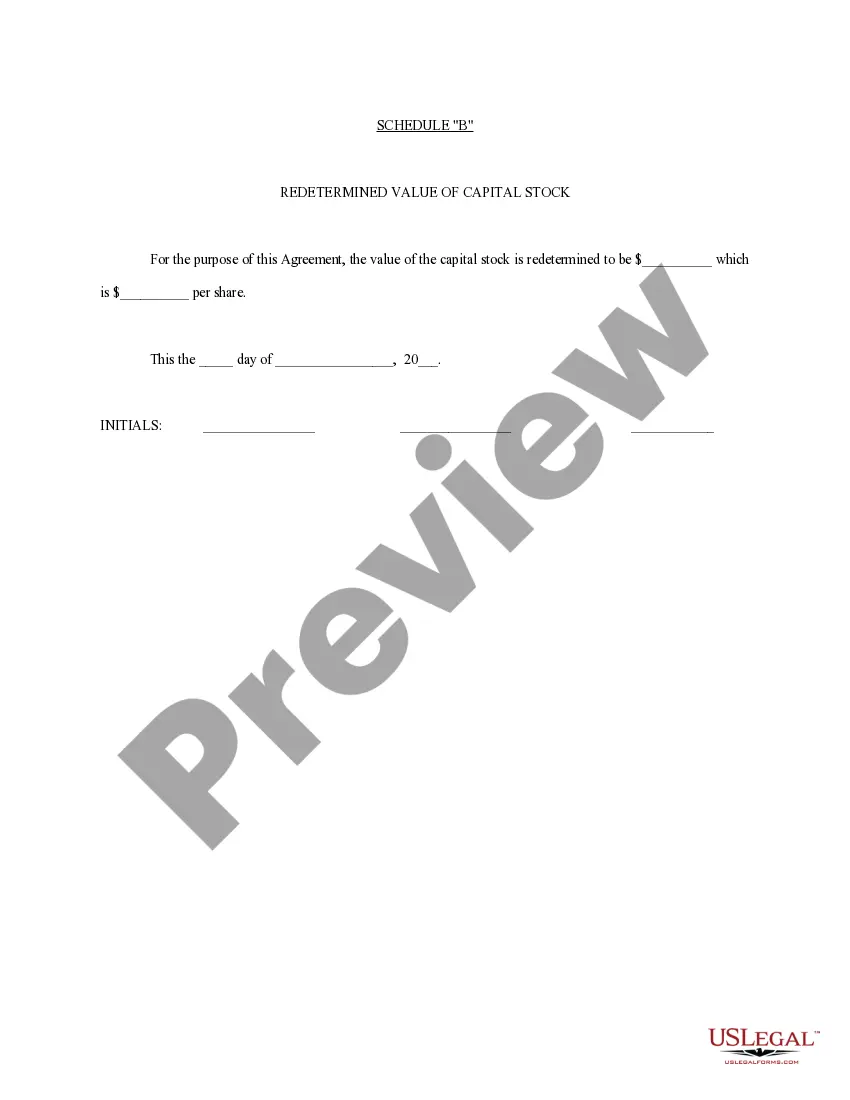

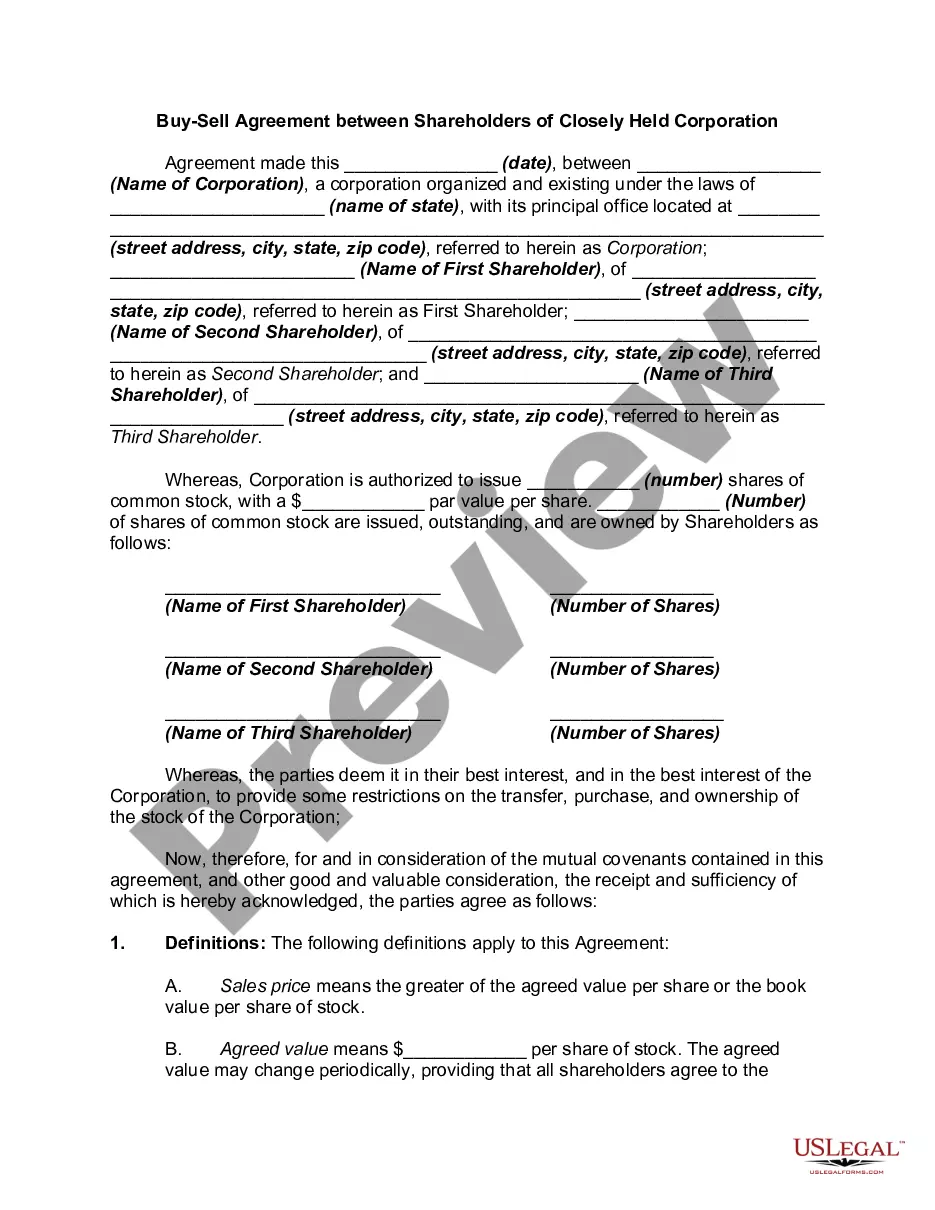
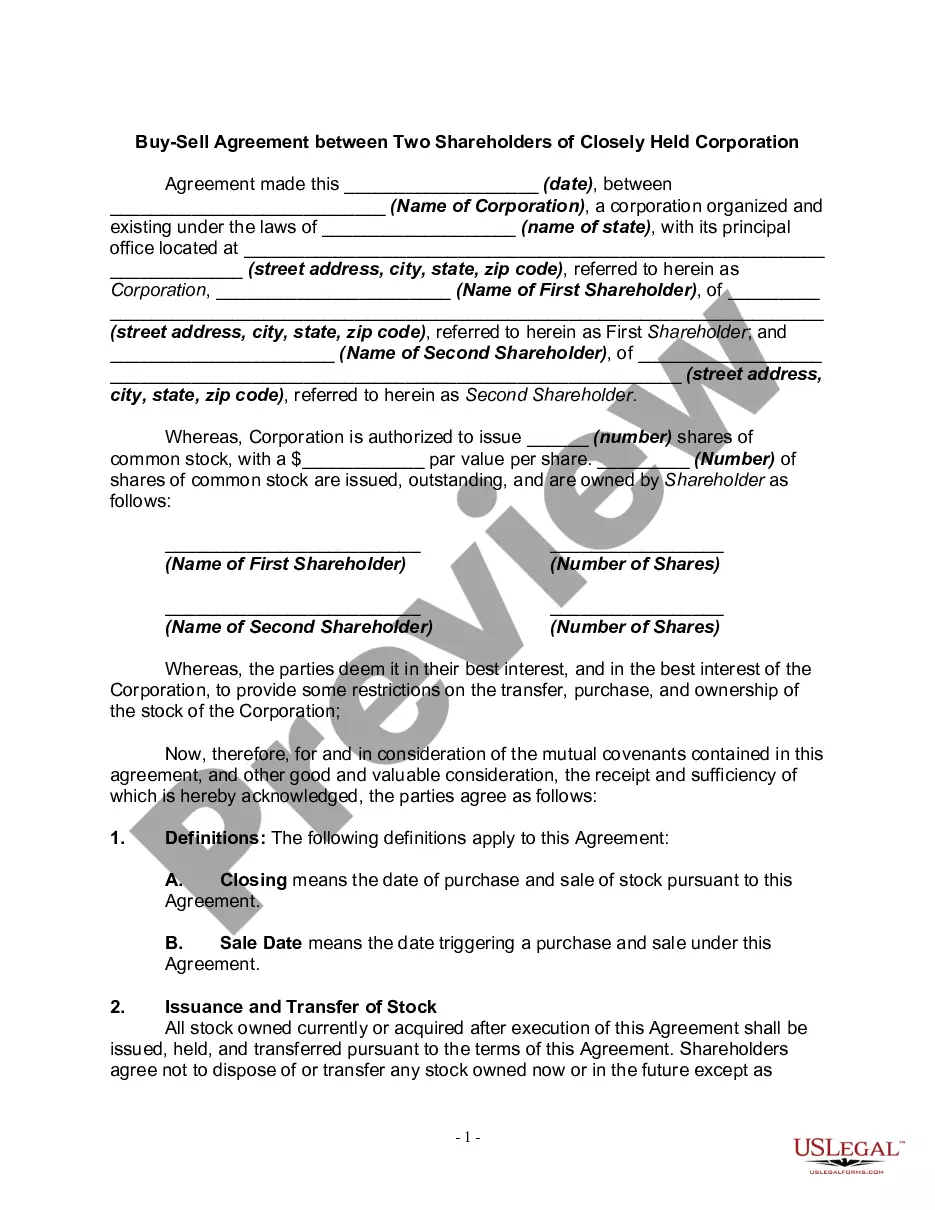
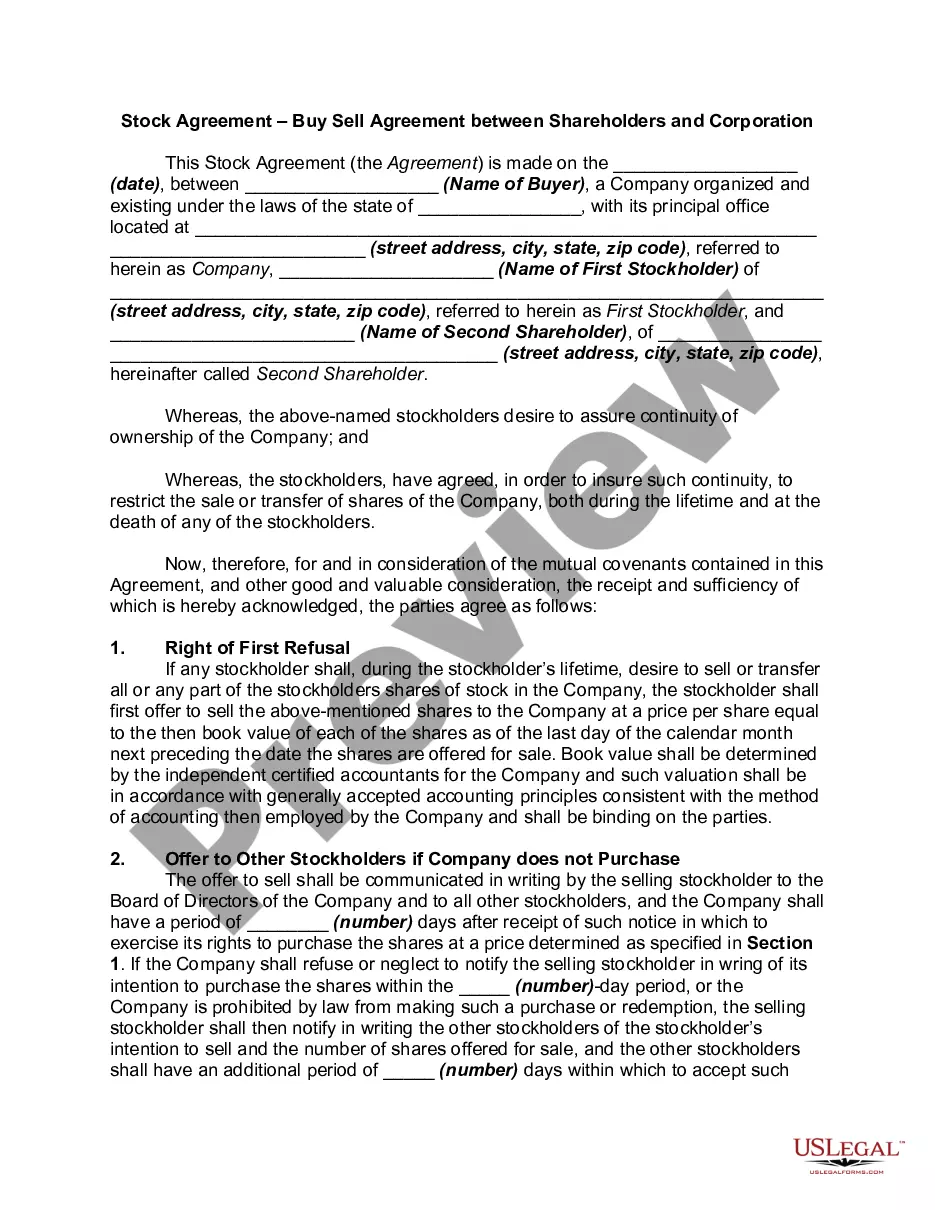
Get your form ready online
Our built-in tools help you complete, sign, share, and store your documents in one place.
Make edits, fill in missing information, and update formatting in US Legal Forms—just like you would in MS Word.
Download a copy, print it, send it by email, or mail it via USPS—whatever works best for your next step.
Sign and collect signatures with our SignNow integration. Send to multiple recipients, set reminders, and more. Go Premium to unlock E-Sign.
If this form requires notarization, complete it online through a secure video call—no need to meet a notary in person or wait for an appointment.
We protect your documents and personal data by following strict security and privacy standards.

Make edits, fill in missing information, and update formatting in US Legal Forms—just like you would in MS Word.

Download a copy, print it, send it by email, or mail it via USPS—whatever works best for your next step.

Sign and collect signatures with our SignNow integration. Send to multiple recipients, set reminders, and more. Go Premium to unlock E-Sign.

If this form requires notarization, complete it online through a secure video call—no need to meet a notary in person or wait for an appointment.

We protect your documents and personal data by following strict security and privacy standards.
Looking for another form?





Form popularity
FAQ
In order to claim exemption from state income tax withholding, employees must submit a W-4 or DE-4 certifying that they did not have any federal tax liability for the preceding year and that they do not anticipate any tax liability for the current taxable year.
Family employees - Services provided by (1) children under the age of 18 employed by a parent or partnership of parents only, (2) spouse employed by spouse, (3) registered domestic partner employed by registered domestic partner, and (4) parent employed by son or daughter are not subject to UI, ETT, and SDI.
CORRECTIVE DEEDS: A Corrective Deed is a new deed signed and dated by the grantor that originally signed the defective deed. It needs to be acknowledged (notarized ) and meet the regular recording requirements of any California deed.
To be considered an exempt employee in California, an employee will generally need to meet a strict duties test. For most exemptions, more than 50 percent of an employee's time must be spent performing exempt job duties.
Tax Exempt Status A confirmation page will display your confirmation number if you have chosen to confirm your claim for tax exemption. If you are already claiming exemption from federal and California state tax withholding for the current tax year, the Tax Exempt Status page informs you of your tax exemption status.
Exemption from withholding To qualify for this exempt status, the employee must have had no tax liability for the previous year and must expect to have no tax liability for the current year. A Form W-4 claiming exemption from withholding is valid for only the calendar year in which it's furnished to the employer.
Supplemental Tax Bills - Supplemental tax bill(s) are one-time tax bill(s) which occurs when there is a change of ownership on a property. The amount of the supplemental tax bill(s) is determined by taking the difference between your new assessed property value and the previous assessed property value.
A corrective deed is a legal instrument used to correct errors in a previously recorded deed. This document is crucial in maintaining the accuracy of the property's chain of title.
The key difference between a deed and title is that a deed is a legal document that transfers ownership of property, while a title is the concept of ownership itself. In other words, a deed is the written instrument used to convey title from one party to another.
A grantor may make a gift of property to the grantee, and use a grant deed form or a quitclaim deed form for the purpose.
