Right To Sell Property In Washington
Description


Get your form ready online
Our built-in tools help you complete, sign, share, and store your documents in one place.
Make edits, fill in missing information, and update formatting in US Legal Forms—just like you would in MS Word.
Download a copy, print it, send it by email, or mail it via USPS—whatever works best for your next step.
Sign and collect signatures with our SignNow integration. Send to multiple recipients, set reminders, and more. Go Premium to unlock E-Sign.
If this form requires notarization, complete it online through a secure video call—no need to meet a notary in person or wait for an appointment.
We protect your documents and personal data by following strict security and privacy standards.

Make edits, fill in missing information, and update formatting in US Legal Forms—just like you would in MS Word.

Download a copy, print it, send it by email, or mail it via USPS—whatever works best for your next step.

Sign and collect signatures with our SignNow integration. Send to multiple recipients, set reminders, and more. Go Premium to unlock E-Sign.

If this form requires notarization, complete it online through a secure video call—no need to meet a notary in person or wait for an appointment.

We protect your documents and personal data by following strict security and privacy standards.
Looking for another form?






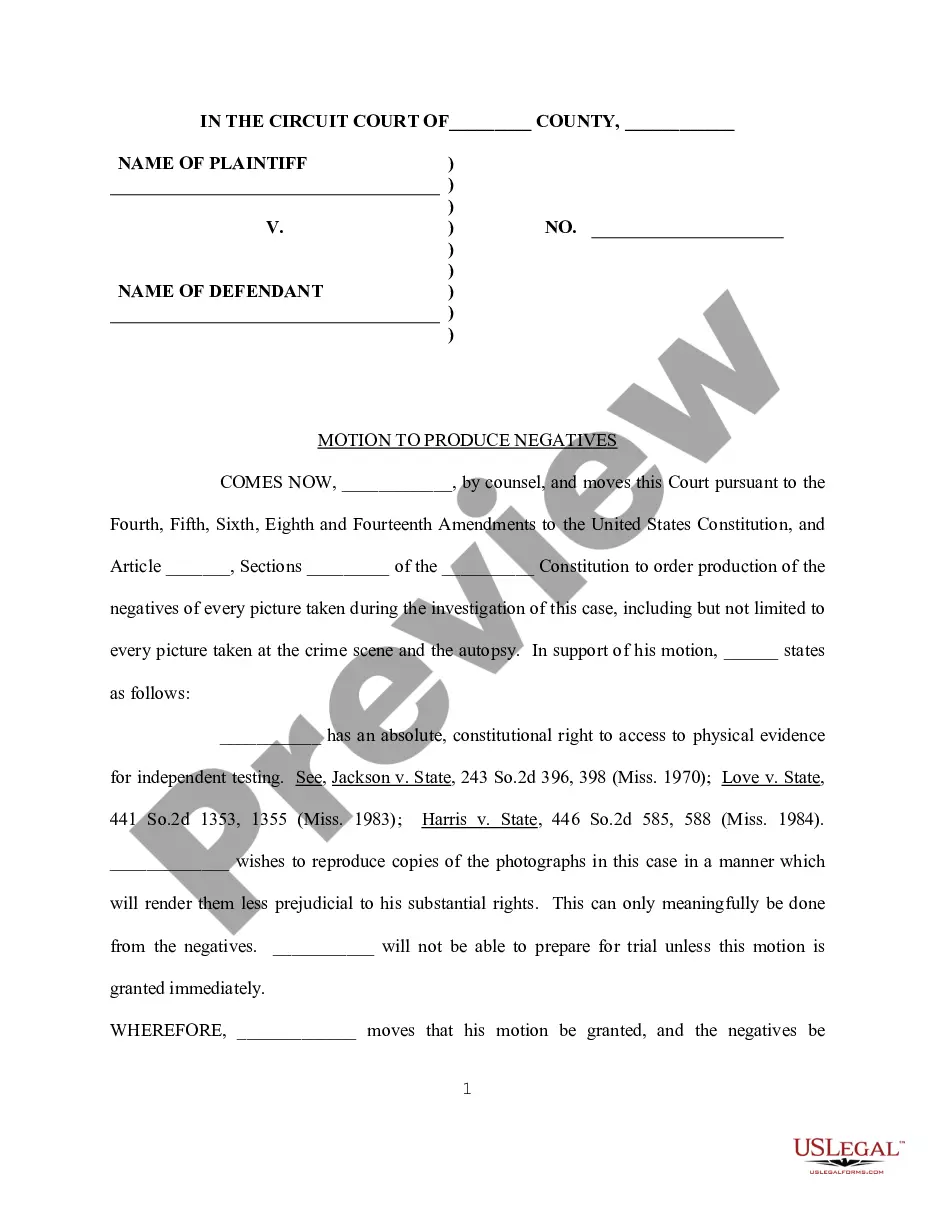
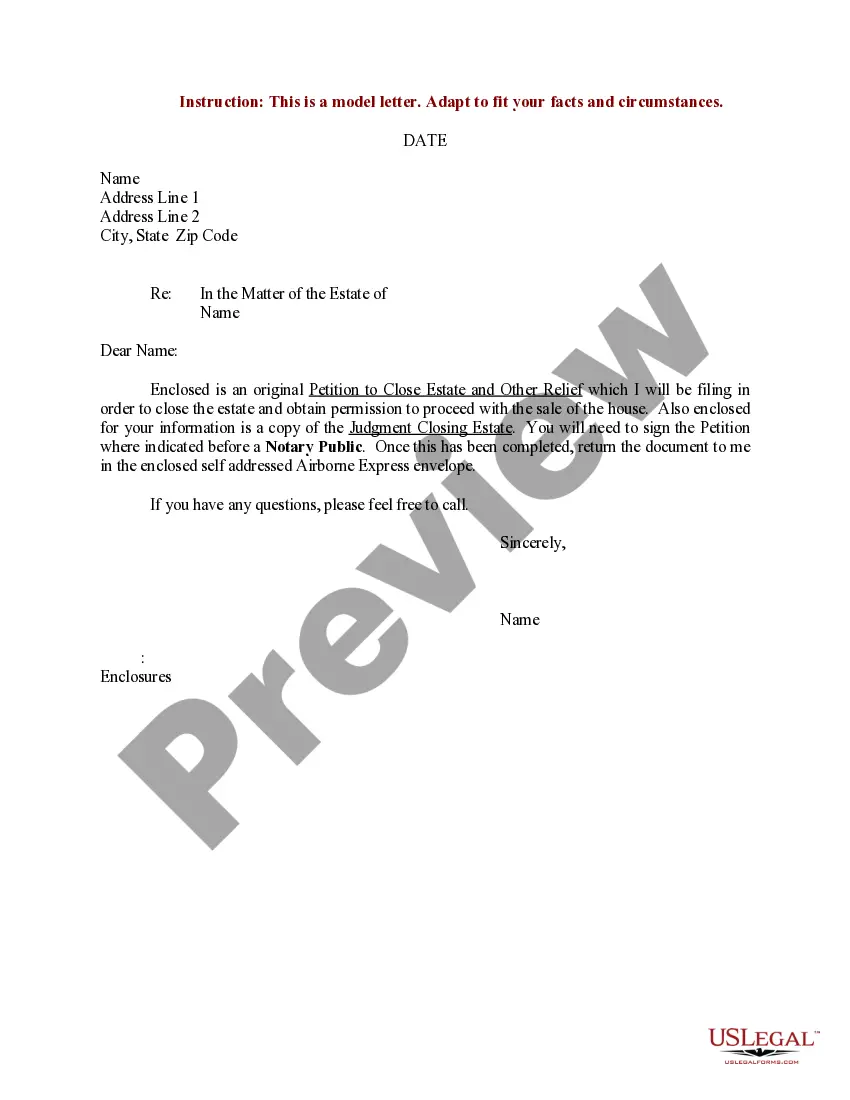
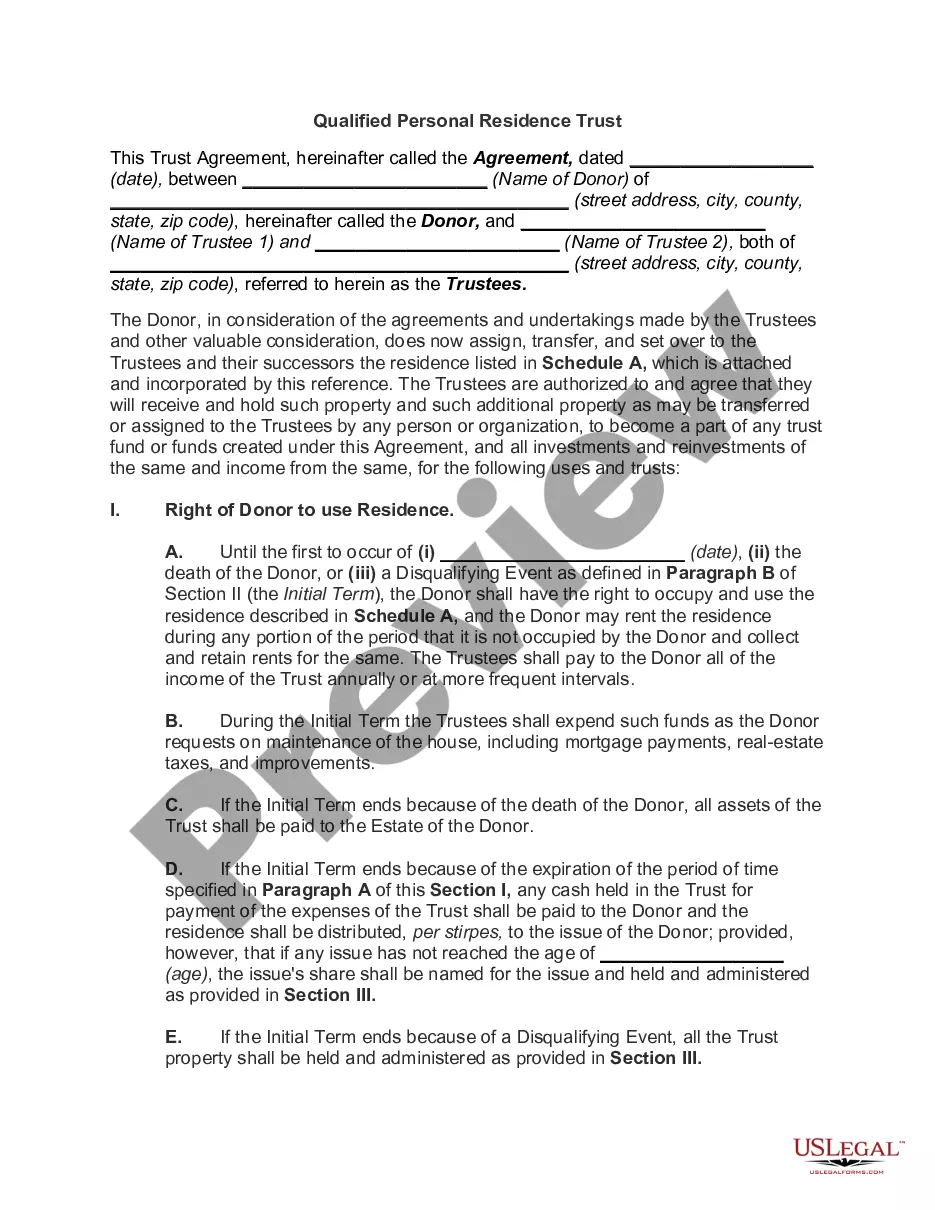
Form popularity
FAQ
Sellers must fill out either an unimproved or improved residential real estate disclosure form, which covers various topics about the property's condition. This comprehensive form asks about the state of the home's electrical, plumbing, heating and other systems.
Selling a House Privately in WA in Five Simple Steps! 1: Preparing the Contract. A sale contract is a legally binding agreement that the buyer and seller must sign before purchasing a property. 2: Decide on the Property's Value. 3: Prepare the Listing. 4: Negotiate with a Buyer. 5: Sign the Contract.
Overview. Washington property law is broader than “ownership rights and interest.” Ownership rights include: the right to “possess” property (i.e., the right to exclude others from using or occupying property) and the right to peaceful enjoyment of property.
My research indicates that Washington Tax Deed sales are final. There is no redemption period after the sale in which a heir or previous title owner can re-claim the property. The only exception is a 3-year redemption period for "Children and Incompetents".
Washington is a “non-judicial foreclosure” state, meaning a lender can foreclose on a property through a third party, the trustee, and not the court system.
Rev. Code § 61.24. 050)(1)). Because most foreclosures in Washington are nonjudicial, foreclosed homeowners in the state of Washington usually don't get a right to redeem after the sale.
If the landlord is selling the property and wants you to move for that reason, the landlord must give you a 90-Day Notice.
The actual amount of time that it takes for a foreclosure to start is up to the lender, but most lenders are going to wait at least 90 days -— or the time it takes for three missed payments to add up -— before they start the lawsuit.
Washington State requires sellers of residential real property to thoroughly disclose material facts on a form called the Residential Real Property Disclosure Statement (often referred to as Form 17).