Right To Sell Property In Massachusetts
Description

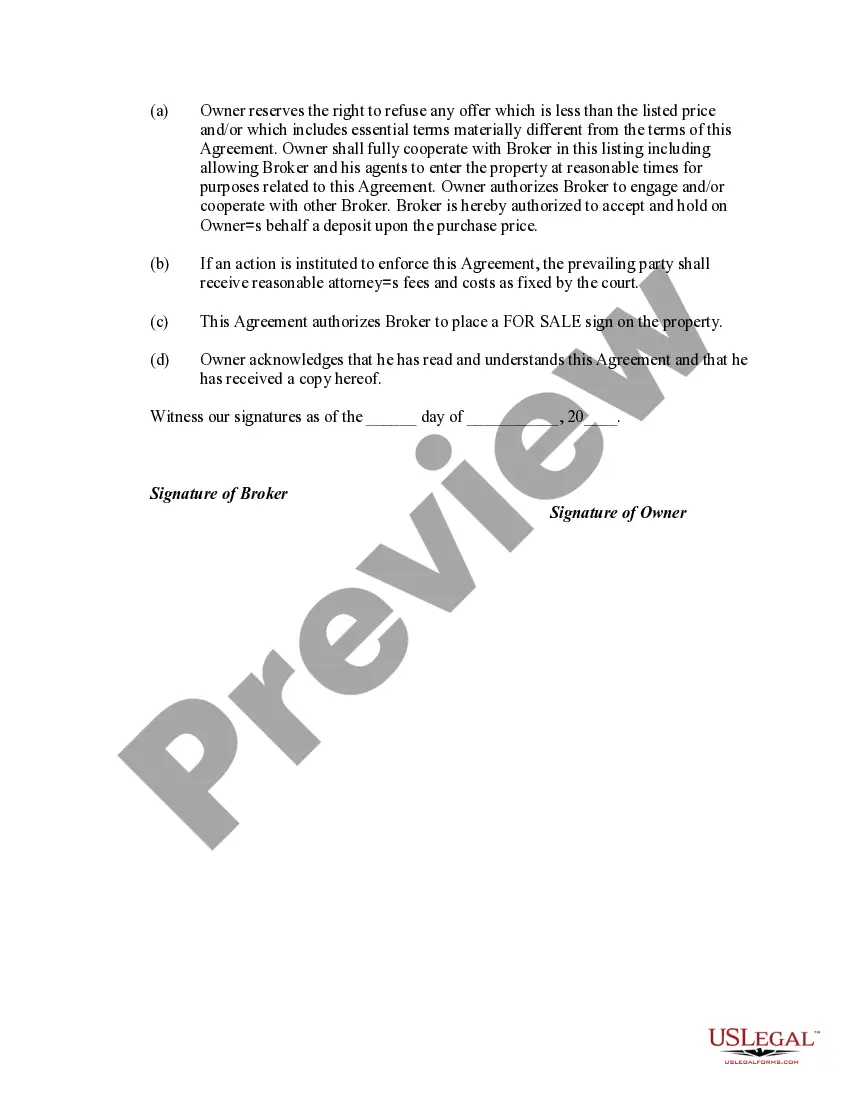

Get your form ready online
Our built-in tools help you complete, sign, share, and store your documents in one place.
Make edits, fill in missing information, and update formatting in US Legal Forms—just like you would in MS Word.
Download a copy, print it, send it by email, or mail it via USPS—whatever works best for your next step.
Sign and collect signatures with our SignNow integration. Send to multiple recipients, set reminders, and more. Go Premium to unlock E-Sign.
If this form requires notarization, complete it online through a secure video call—no need to meet a notary in person or wait for an appointment.
We protect your documents and personal data by following strict security and privacy standards.

Make edits, fill in missing information, and update formatting in US Legal Forms—just like you would in MS Word.

Download a copy, print it, send it by email, or mail it via USPS—whatever works best for your next step.

Sign and collect signatures with our SignNow integration. Send to multiple recipients, set reminders, and more. Go Premium to unlock E-Sign.

If this form requires notarization, complete it online through a secure video call—no need to meet a notary in person or wait for an appointment.

We protect your documents and personal data by following strict security and privacy standards.
Looking for another form?









Form popularity
FAQ
If they have a power of attorney from the owner to sell the property that would be fine. If they sell the property without any legal authority to do so this would be fraud.
No, the Heirs don't have to agree to sell an inherited house or property if ownership has been established by a will or the probate court. But if ownership has not been established, such as with an estate with no will and/or a Court-appointed administrator, then all Heirs must agree to the sale.
Who Gets What in Massachusetts? If you die with:here's what happens: children but no spouse children inherit everything spouse but no descendants or parents spouse inherits everything spouse and all of your descendants are from you and that spouse (and the spouse has no other descendants) spouse inherits everything5 more rows
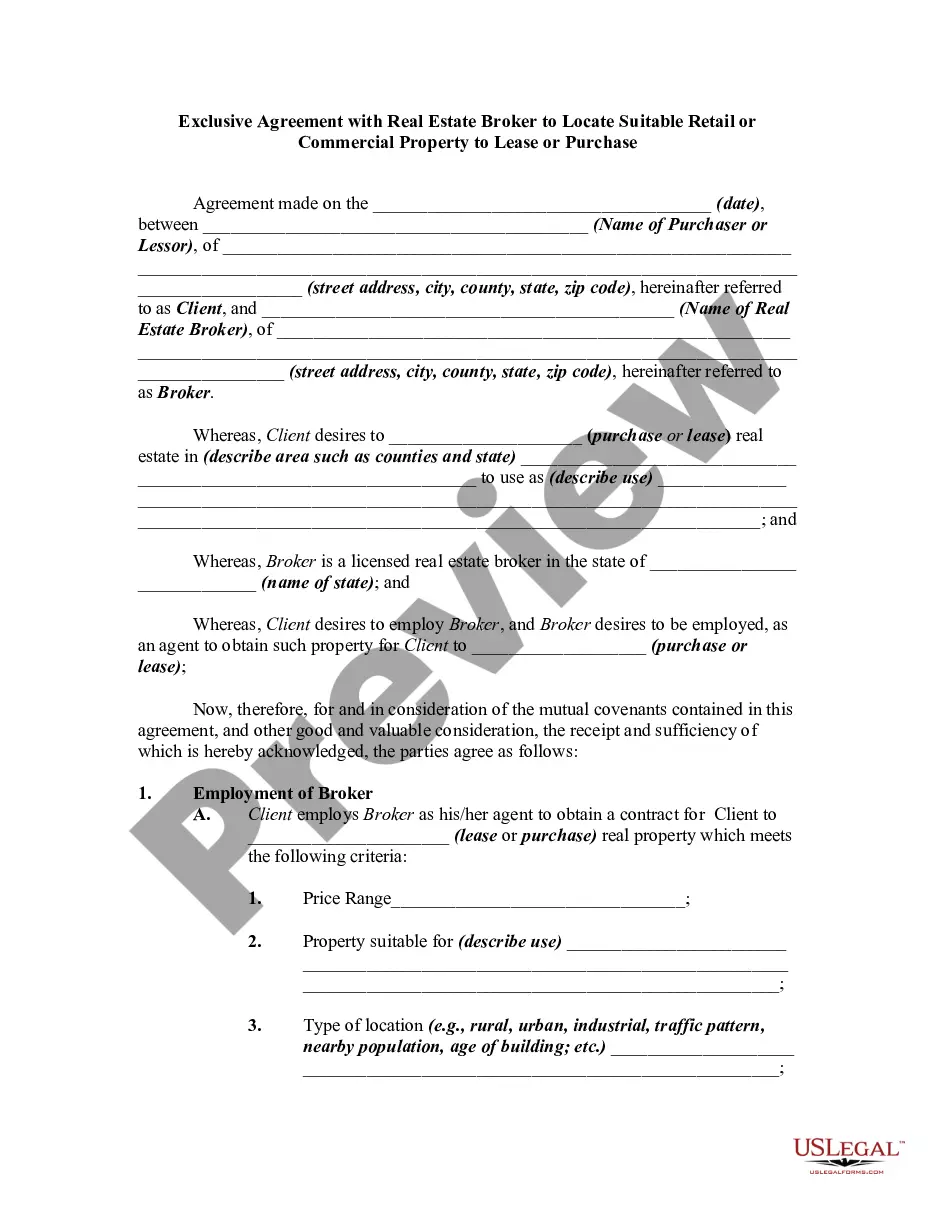
The BROKER is granted the exclusive right to sell the PROPERTY, as the SELLER'S agent, during the term of the Agreement and the SELLER agrees to refer all inquiries to the BROKER, to cooperate in marketing the PROPERTY, including completing lead paint (if property built before 1978) and other forms.
Option 1 – Sell It Right Away Because the stepped-up tax basis of an inherited property reflects the market value on the date of death, selling it quickly (before market values increase) can avoid or reduce capital gains tax.
In some cases, the executor can sell the house without getting the sign-off from all the heirs. For example, in California, if the executor can sell the property for at least 90 percent of its appraised value, they may have the authority to move forward with the sale.
A petition to partition is a legal action that can be taken by co-owners of property who cannot agree on how to use or manage the property. The petition asks the court to divide the property into separate shares or to sell the entire property and distribute the proceeds among the co-owners.
Minor Settlement Approval In Massachusetts, if a settlement is agreed to on behalf of a minor in an amount equal to or greater than $10,000.00, an insurance company will require that suit be filed (if not already done) so that a judge may review the minor settlement petition after a hearing.
Quiet Title Actions (G.L. Therefore, in Massachusetts, a Quiet Title action would be brought by a borrower only after receiving a judicial ruling indicating that the foreclosing entity does not have "jurisdiction and authority" under statute" to enforce the power of sale in the borrower's mortgage.
In Massachusetts, the sale of real estate during probate is subject to court approval. The personal representative (executor), in addition to many other duties, is responsible for handling the sale. This includes listing the property, accepting an offer, and seeking court approval before the sale can be finalized.