Retail Rights For Customers In Los Angeles
Description

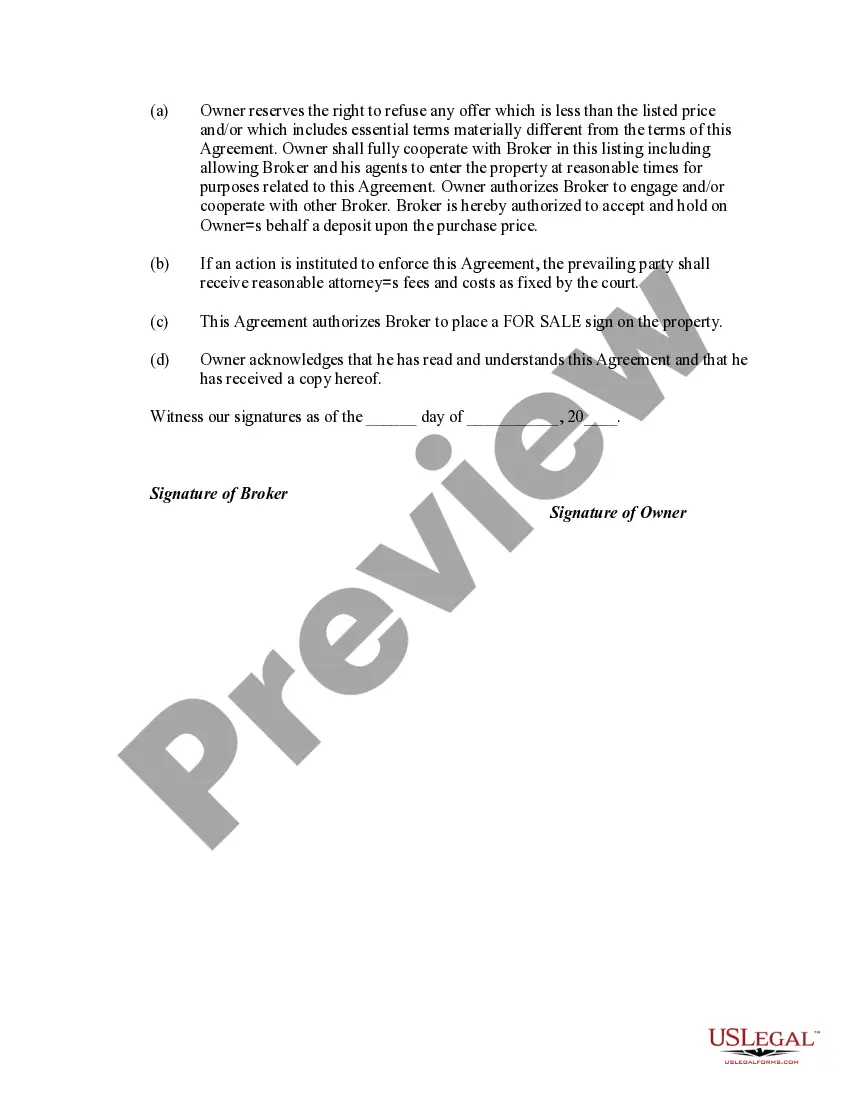

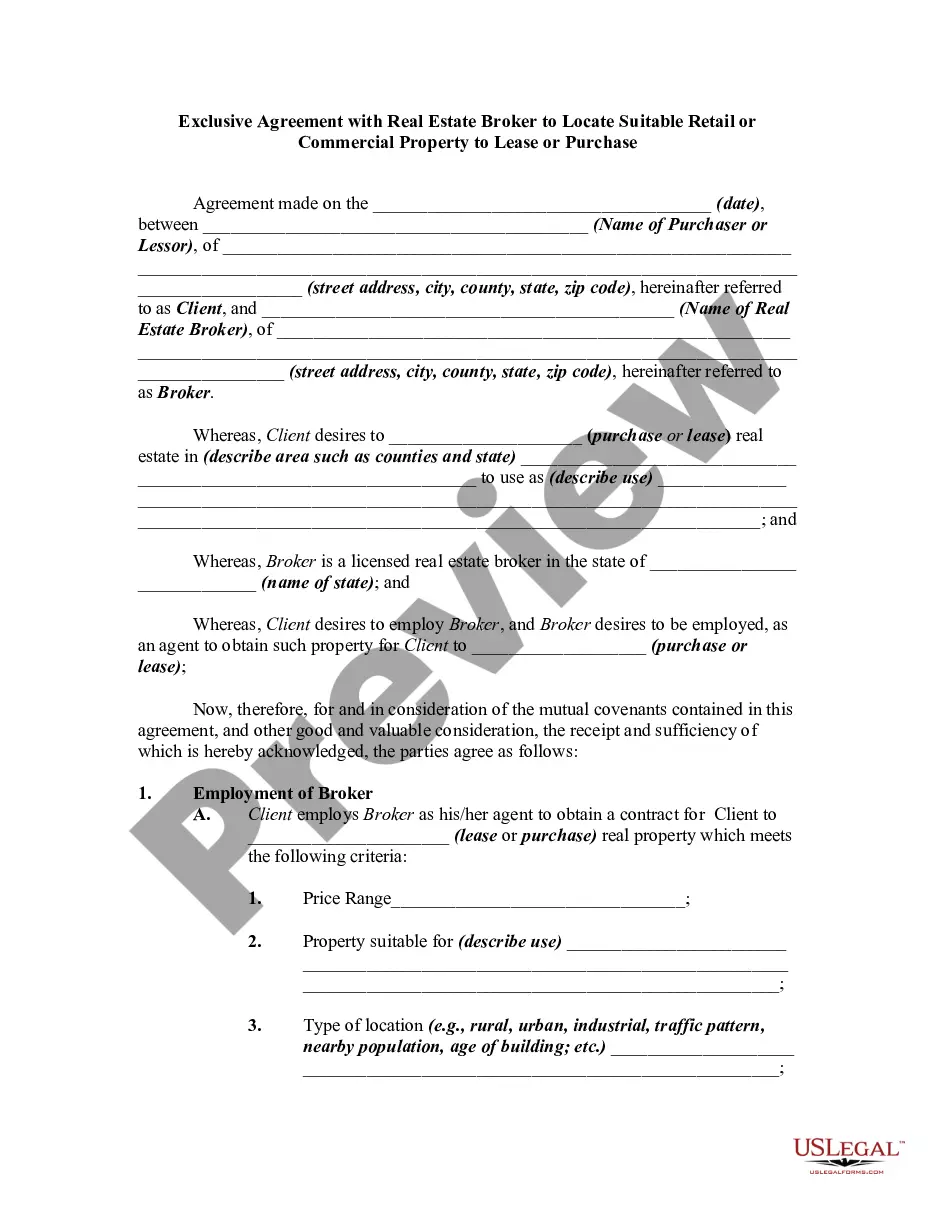
Get your form ready online
Our built-in tools help you complete, sign, share, and store your documents in one place.
Make edits, fill in missing information, and update formatting in US Legal Forms—just like you would in MS Word.
Download a copy, print it, send it by email, or mail it via USPS—whatever works best for your next step.
Sign and collect signatures with our SignNow integration. Send to multiple recipients, set reminders, and more. Go Premium to unlock E-Sign.
If this form requires notarization, complete it online through a secure video call—no need to meet a notary in person or wait for an appointment.
We protect your documents and personal data by following strict security and privacy standards.

Make edits, fill in missing information, and update formatting in US Legal Forms—just like you would in MS Word.

Download a copy, print it, send it by email, or mail it via USPS—whatever works best for your next step.

Sign and collect signatures with our SignNow integration. Send to multiple recipients, set reminders, and more. Go Premium to unlock E-Sign.

If this form requires notarization, complete it online through a secure video call—no need to meet a notary in person or wait for an appointment.

We protect your documents and personal data by following strict security and privacy standards.
Looking for another form?




Form popularity
FAQ
The CCPA requires businesses to give consumers certain information in a “notice at collection.” A notice at collection must list the categories of personal information businesses collect about consumers and the purposes for which they use the categories of information.
The California Consumer Privacy Act (CCPA) was enacted to give Californians greater transparency and control over their personal information. Passed unanimously by Californian residents in 2018, the CCPA passed into California law via a ballot initiative and became effective on January 1, 2020.
CalOPPA impacts California consumers by providing them with transparent privacy policies so they know what data a website or online service collects from them and if the site honors DNT requests or not. It also makes it easier for those individuals to request that information be corrected or deleted.
The CFIPA requires a financial institution to provide the consumer with the opportunity to “opt-out” of having the consumer's information shared with an affiliated party prior to sharing a consumer's information with an affiliate.
Californians for Consumer Privacy is dedicated to protecting and expanding privacy rights for consumers. Californians for Consumer Privacy (CCP) is the sponsor of Proposition 24, the Californian Privacy Rights Act (CPRA), that passed in November 2020 with over 9.3 million votes.
Complaints - The National Consumer Commission.
The NCC is introducing an e-Services portal that allows consumers to lodge complaints against alleged contraventions of the Consumer Protection Act (CPA) by suppliers. Consumers will need to have a registered and approved profile to be able to file their complaints on the portal.
Register a Consumer Complaint with National Consumer Helpline - NCH | National Government Services Portal.
File a complaint with your local consumer protection office. Notify the Better Business Bureau (BBB) in your area about your problem. The BBB tries to resolve complaints against companies. Report scams and suspicious communications to the Federal Trade Commission.
10 Effective Ways to Complain About a Company Online Go to the Company Website. The Better Business Bureau. The Federal Trade Commission. Ripoff Report. spam@uce. Yelp. Planetfeedback. Google Your Attorney General.
