Boundary Line Agreement Sample For Married Couples In Minnesota
Description

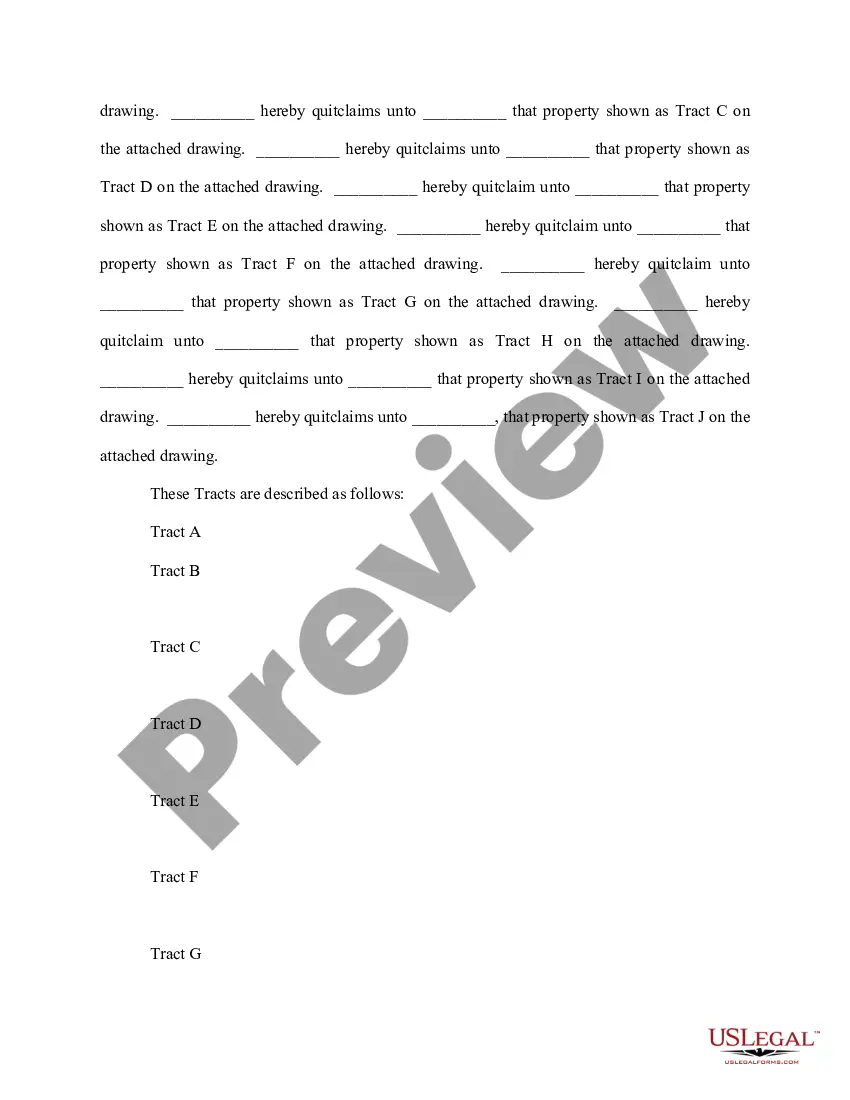

Get your form ready online
Our built-in tools help you complete, sign, share, and store your documents in one place.
Make edits, fill in missing information, and update formatting in US Legal Forms—just like you would in MS Word.
Download a copy, print it, send it by email, or mail it via USPS—whatever works best for your next step.
Sign and collect signatures with our SignNow integration. Send to multiple recipients, set reminders, and more. Go Premium to unlock E-Sign.
If this form requires notarization, complete it online through a secure video call—no need to meet a notary in person or wait for an appointment.
We protect your documents and personal data by following strict security and privacy standards.

Make edits, fill in missing information, and update formatting in US Legal Forms—just like you would in MS Word.

Download a copy, print it, send it by email, or mail it via USPS—whatever works best for your next step.

Sign and collect signatures with our SignNow integration. Send to multiple recipients, set reminders, and more. Go Premium to unlock E-Sign.

If this form requires notarization, complete it online through a secure video call—no need to meet a notary in person or wait for an appointment.

We protect your documents and personal data by following strict security and privacy standards.
Looking for another form?








Form popularity
FAQ
4 common types of boundary disputes Adverse possession. If a party has been occupying a portion of land that technically belongs to someone else for an extended period, they may claim legal ownership of that land through adverse possession. Encroachment. Undisclosed easements. Boundary line disputes.
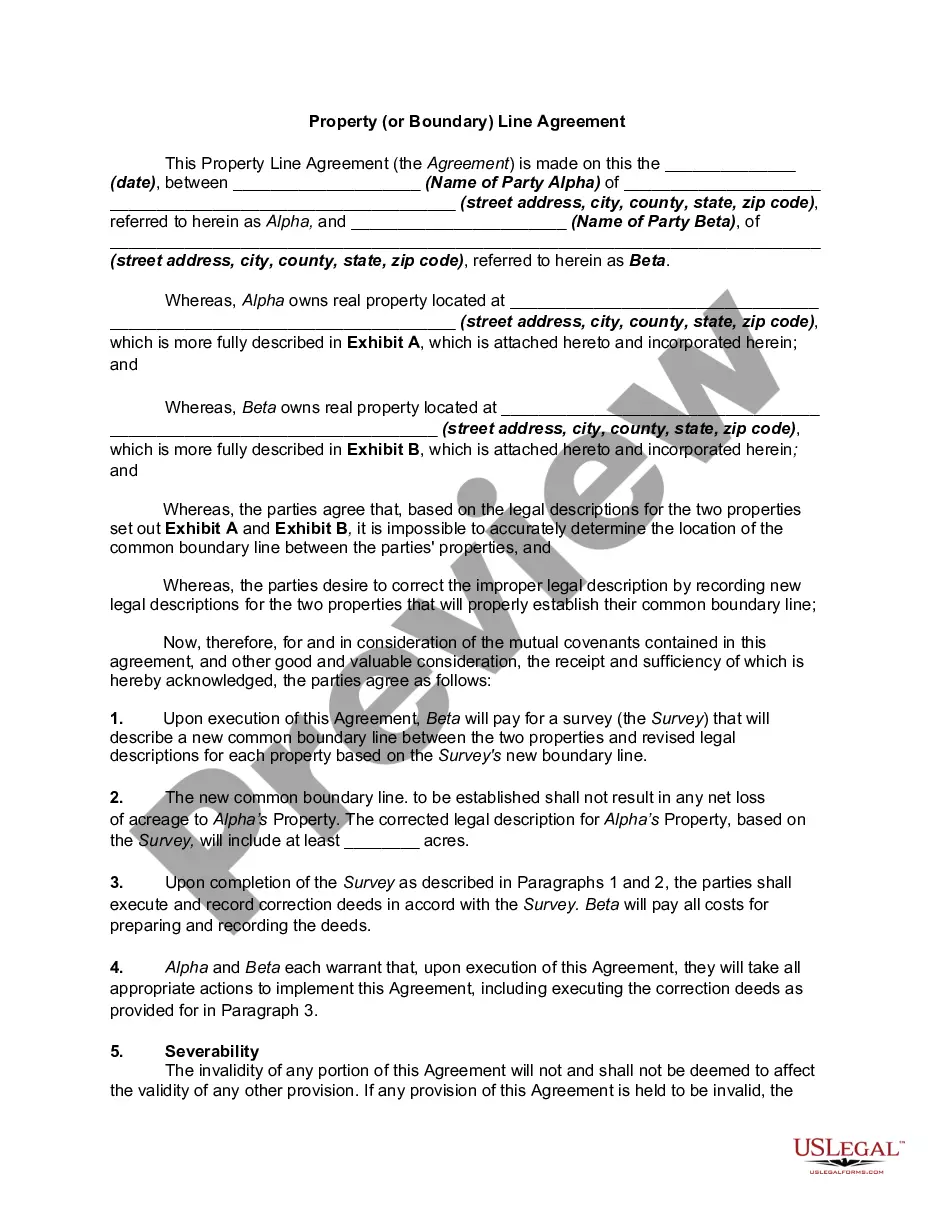
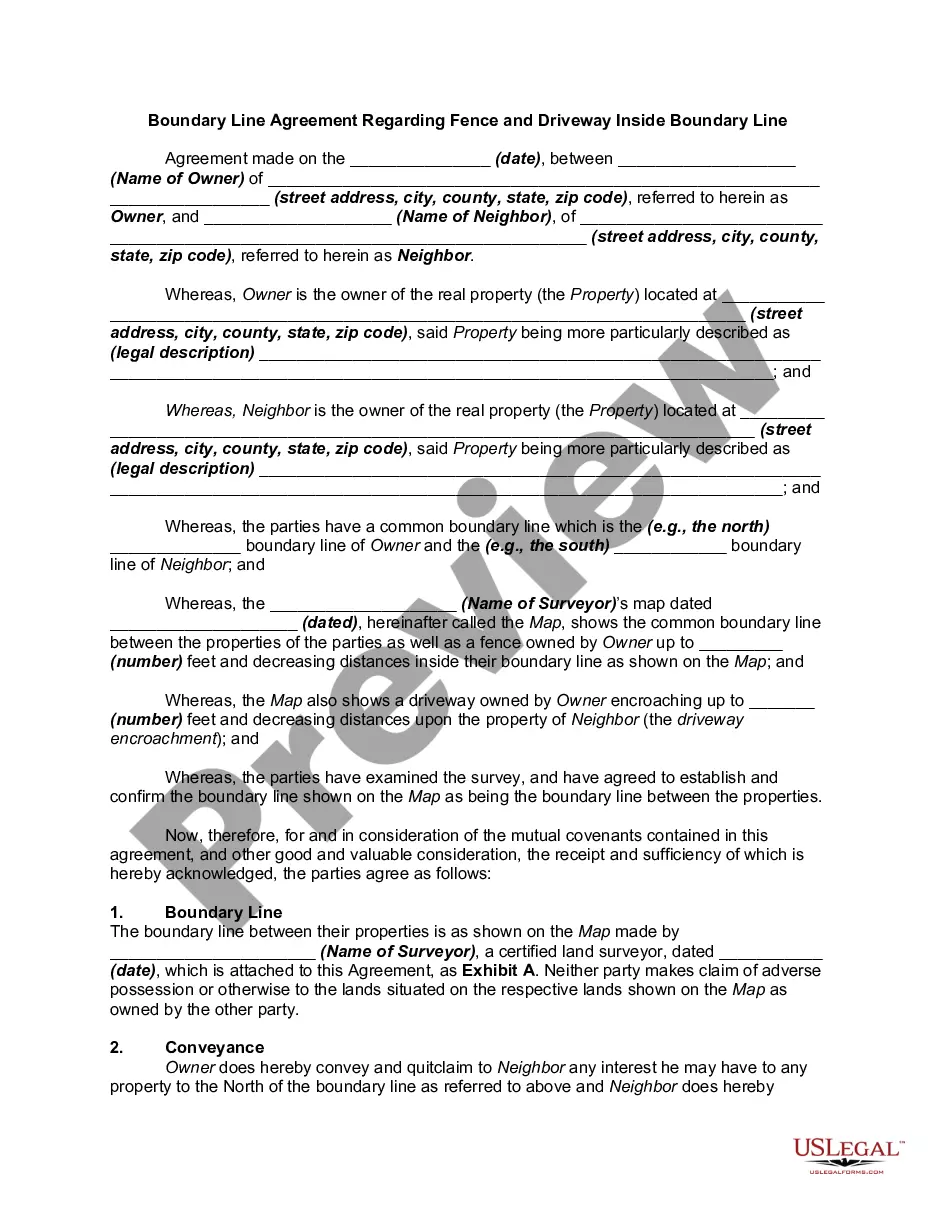
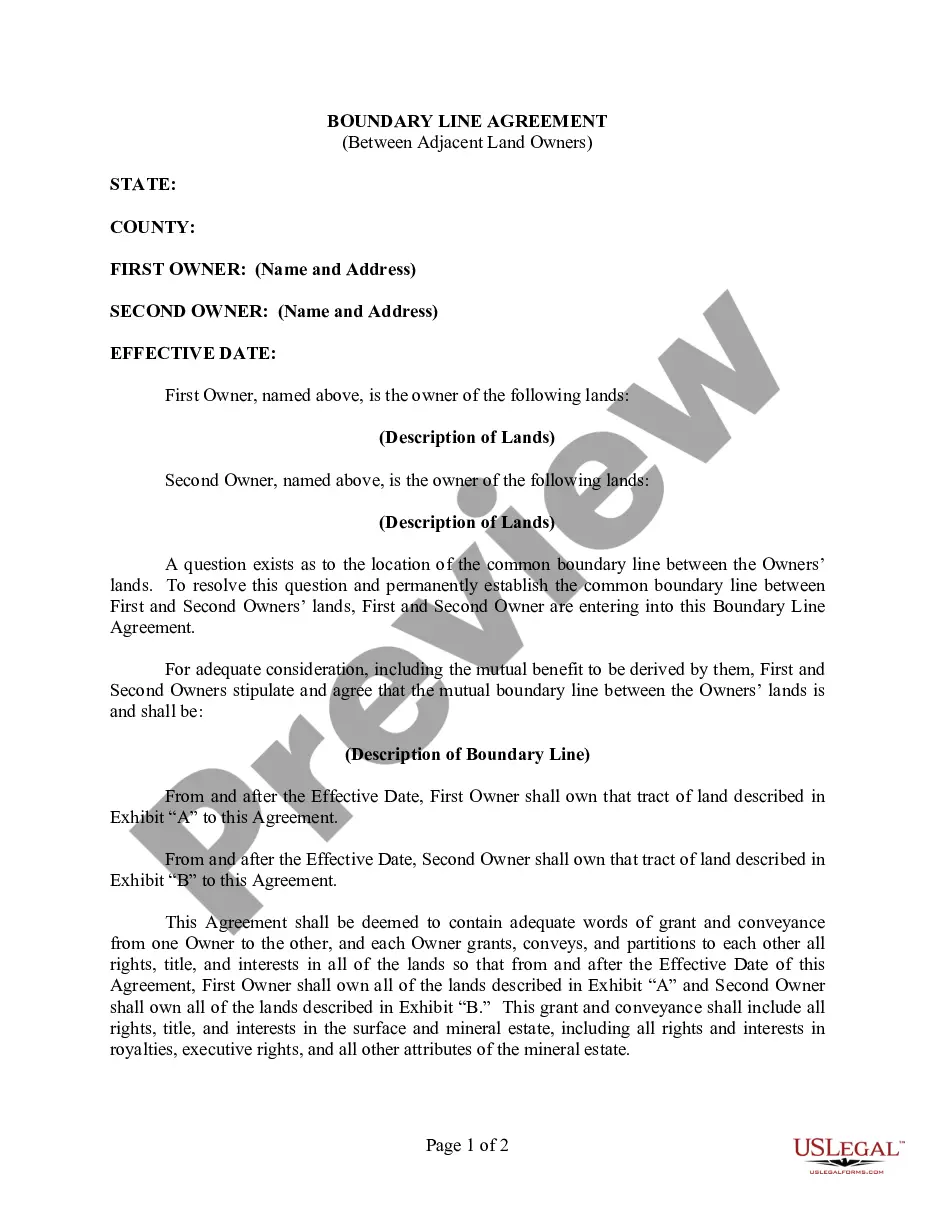
A Boundary Line Agreement is a legal document that outlines the agreed-upon boundary between two adjacent properties. This agreement is typically executed when there is a disagreement or uncertainty regarding the precise location of property lines.
Defining Boundary Lines are imaginary or physical markers that demarcate areas, roles, or limits. These lines serve as a reference point for understanding where one thing or person ends and another begins.
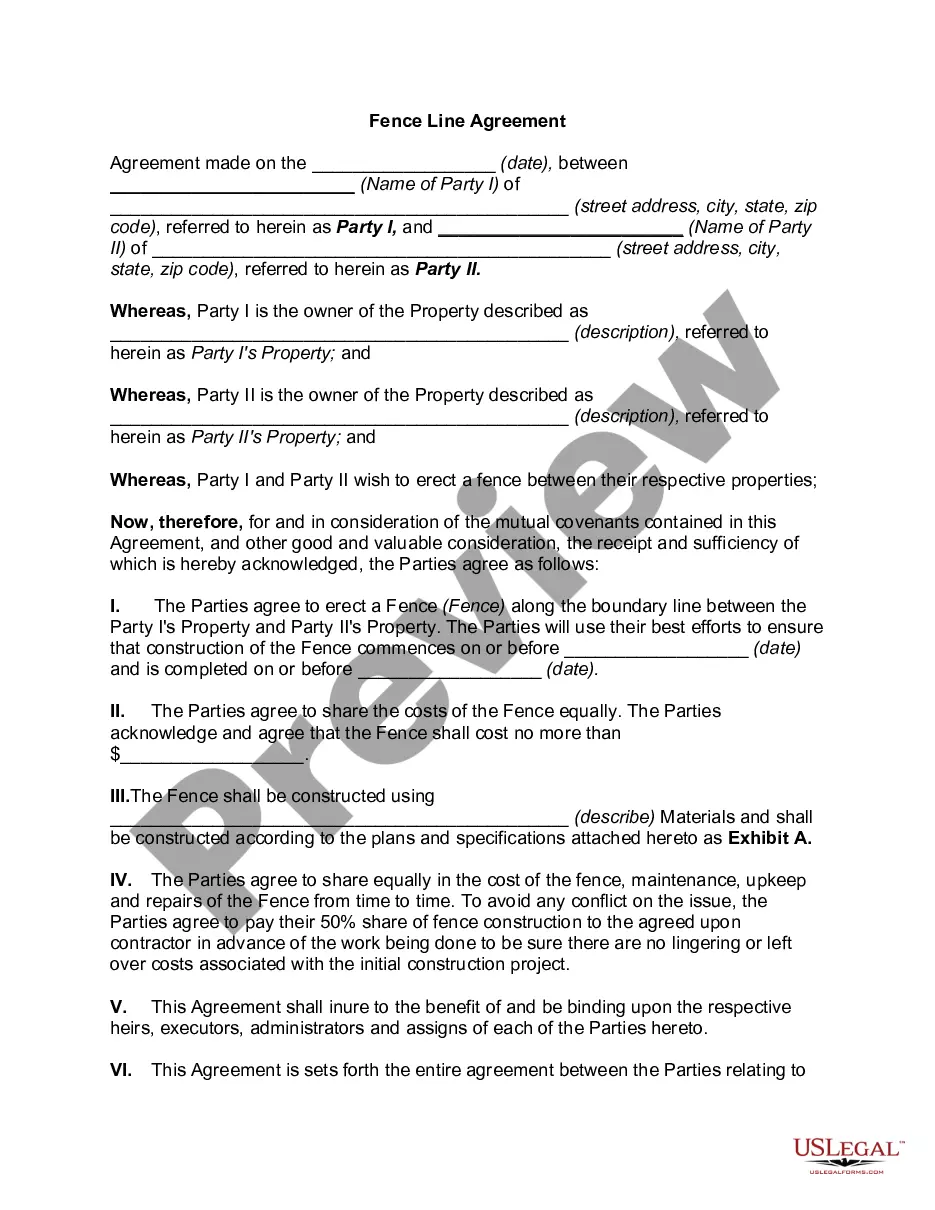
A common boundary property right refers to an agreement between two or more property owners who share a boundary line. This agreement outlines the rights and responsibilities of each property owner regarding the boundary line. In this section, we will explore whether a common boundary property right is right for you.
In Washington State, boundary trees are considered common property of the adjoining landowners. Any decisions regarding the removal or substantial trimming of these trees must be agreed upon by both parties. Unauthorized tree work can lead to legal action and potential compensation claims.
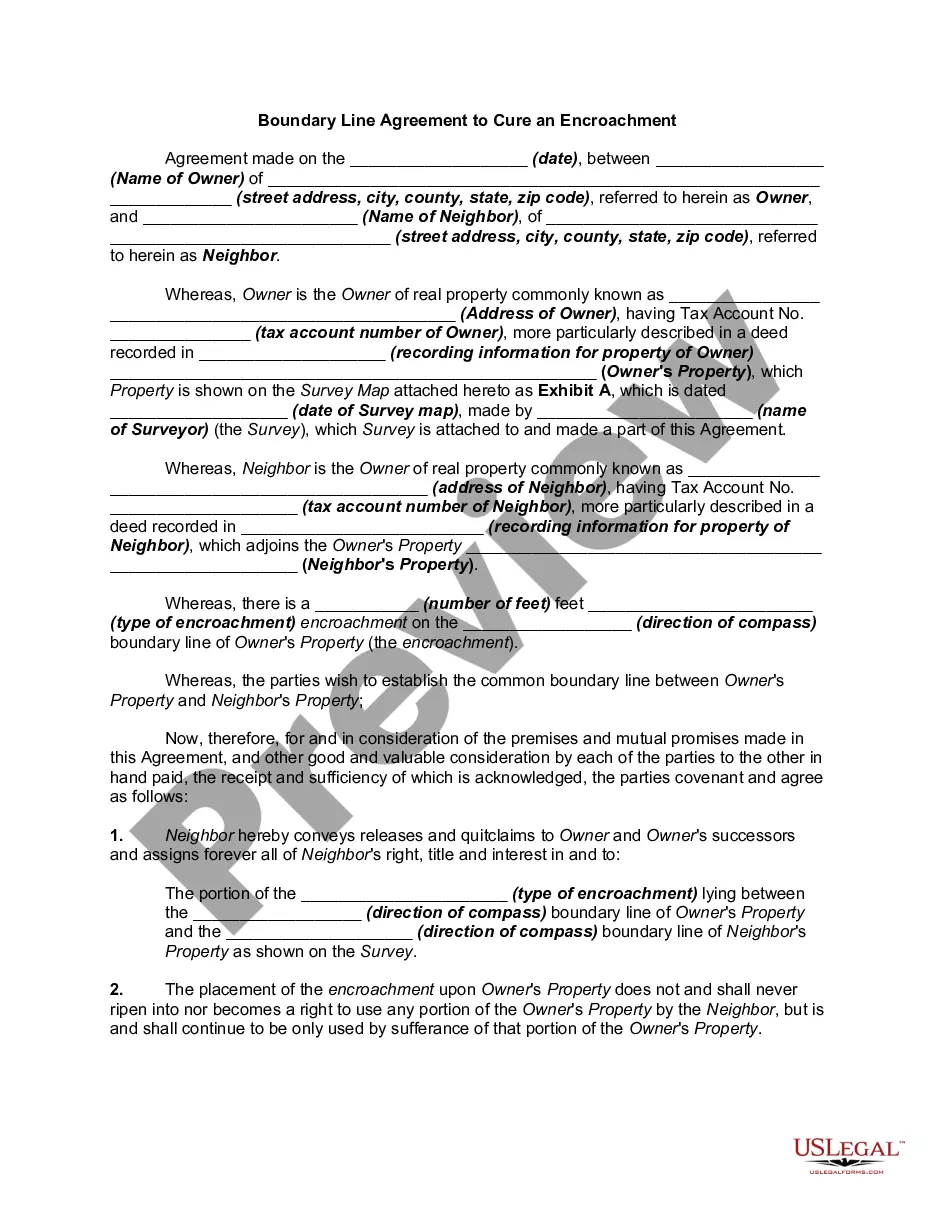
Under such an agreement, the parties acknowledge the true boundary line between the properties, and the encroaching owner releases any claim to the strip of land encroached upon. In return, the “encroached upon” owner allows the encroachment to continue for so long as he/she is not adversely affected.
The Boundary Line Agreement (BL AGR) provides a procedure for County review whenever a point or line determining the boundary between two or more parcels of real property cannot be identified from the existing public record, monuments, and landmarks or is in dispute. RCW 58.04.
These “side” issues include such matters as resolving substandard access to the public road and meeting bulk zoning regulations such as lot width and area. A Boundary Line Adjustment, then, is an Administrative action by the city or county planning authority. In contrast, a Boundary Line Agreement is a judicial action.
A Boundary Line Adjustment refers to the modification of property lines between two or more adjacent parcels of land. Property owners may seek this adjustment for various reasons, such as accommodating changes in land use, correcting erroneous legal descriptions, or resolving boundary disputes.
