Boundary In Lines In Mecklenburg
Description


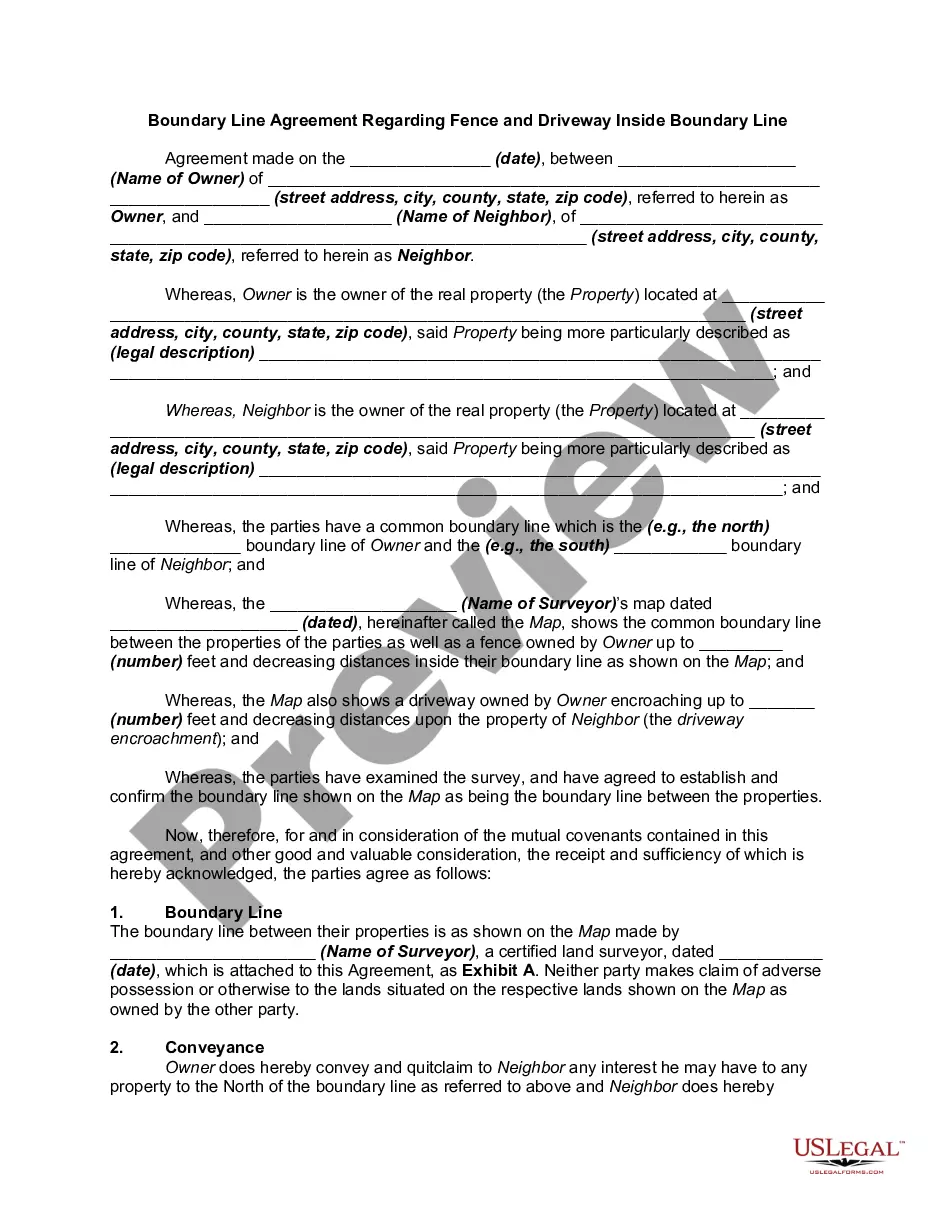
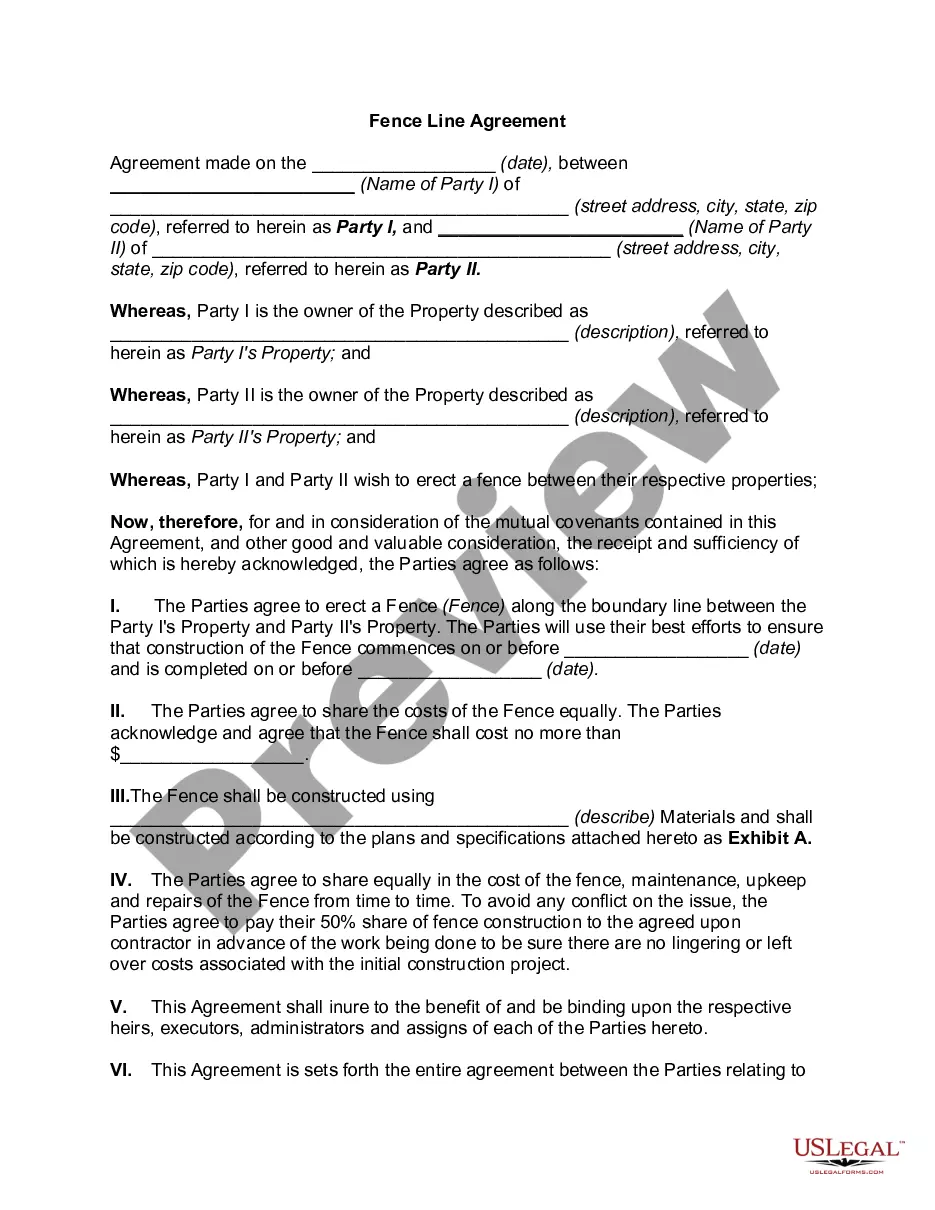
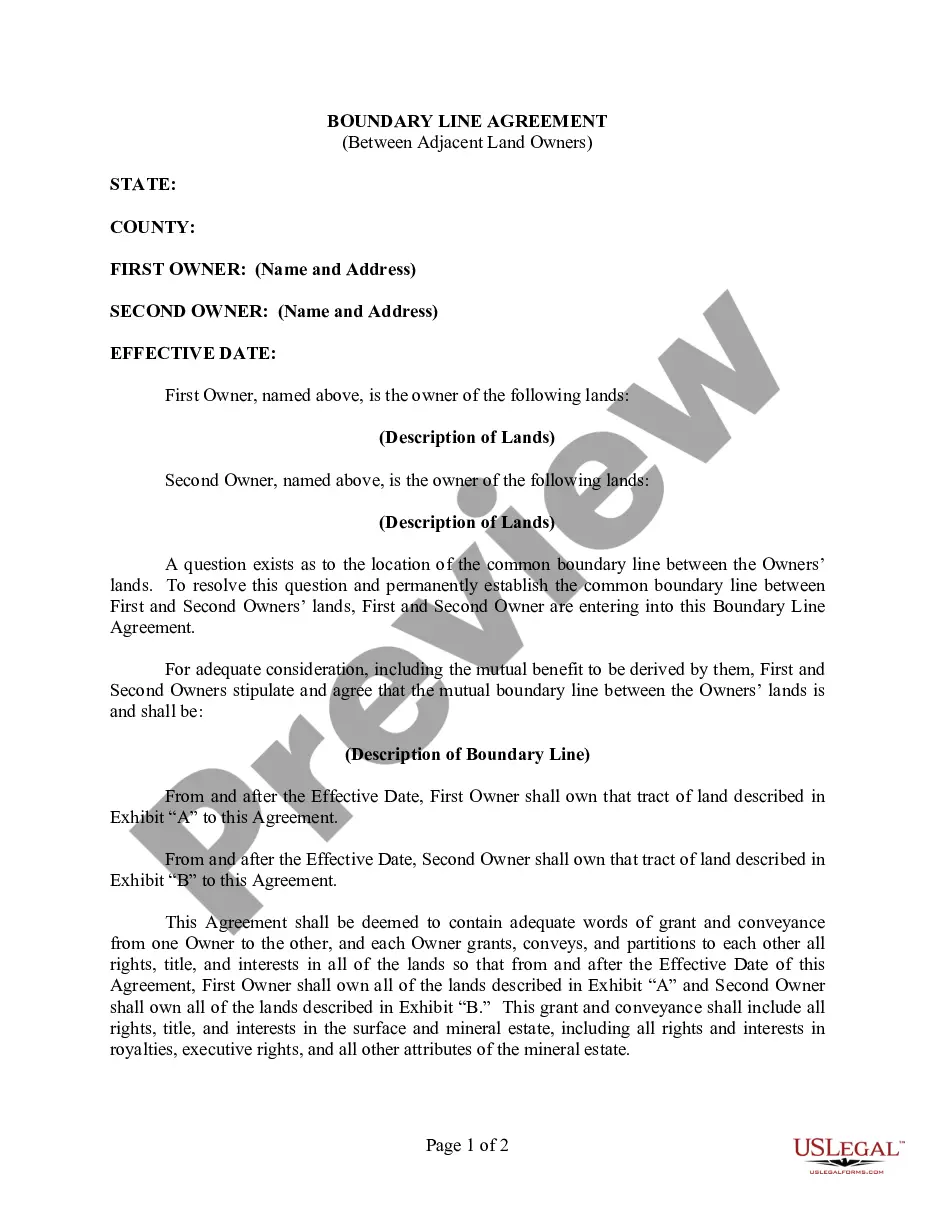
Get your form ready online
Our built-in tools help you complete, sign, share, and store your documents in one place.
Make edits, fill in missing information, and update formatting in US Legal Forms—just like you would in MS Word.
Download a copy, print it, send it by email, or mail it via USPS—whatever works best for your next step.
Sign and collect signatures with our SignNow integration. Send to multiple recipients, set reminders, and more. Go Premium to unlock E-Sign.
If this form requires notarization, complete it online through a secure video call—no need to meet a notary in person or wait for an appointment.
We protect your documents and personal data by following strict security and privacy standards.

Make edits, fill in missing information, and update formatting in US Legal Forms—just like you would in MS Word.

Download a copy, print it, send it by email, or mail it via USPS—whatever works best for your next step.

Sign and collect signatures with our SignNow integration. Send to multiple recipients, set reminders, and more. Go Premium to unlock E-Sign.

If this form requires notarization, complete it online through a secure video call—no need to meet a notary in person or wait for an appointment.

We protect your documents and personal data by following strict security and privacy standards.
Looking for another form?
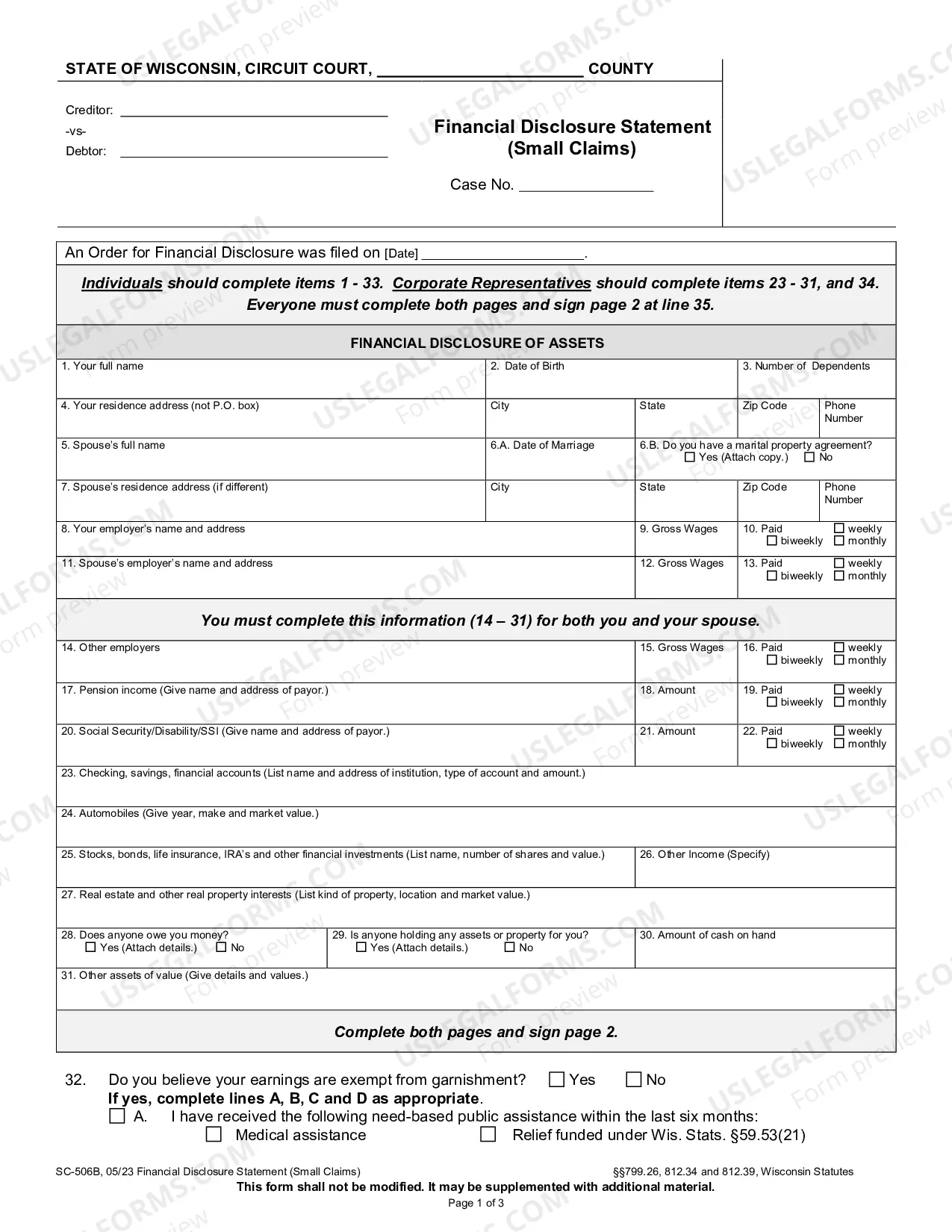









Form popularity
FAQ
To look at a deed you can: Go to your Register of Deeds Office and look at the document there. Find your Register of Deeds in: Your phone book under county government. The NC Directory of State and County Officials. Look it up online. Many counties have their real property (land) records online. Go to the county website.
In North Carolina, survey maps are recorded at the county level. The Wake County Register of Deeds property lookup system can provide a copy of a property survey. Most often property (or lots) in subdivisions is typically shown on a recorded map of the overall subdivision.
You may also be able to find your survey through the Mecklenburg County Recorder online or in-person, depending on how old the records are. Local municipalities often have public records on file, and while your property survey may not be public record, it's always worth checking.
Adjacent counties Iredell County – north. Cabarrus County – northeast. Union County – southeast. Lancaster County, South Carolina – south. York County, South Carolina – southwest. Gaston County – west. Lincoln County – northwest.
The Register of Deeds Office is the official repository for all public records related to real property located in Mecklenburg County. The office records, maintains, and safeguards these and other public records presented for registration.
Fences over a certain height (typically 4 feet in the front yard or 8 feet elsewhere) generally require a permit. Additionally, if you plan to build the fence near property lines or easements, or if your property is part of an HOA, you may need to get approval before starting construction.
The South Carolina counties of Chester, Lancaster and York form the southern flank of the 14-county Charlotte Region. The census data show York County was the second-fastest growing of all South Carolina's counties since 2000 with a population increase of over 37%.
Surrounding Counties Union County. Once sleepy and rural, Union County, just southeast of Charlotte, is now the fastest-growing county in the metro area and the 15th-fastest-growing county in the nation. Cabarrus County. Gaston County. Iredell County. Lancaster County.
Concord is the second-most populous city in the Charlotte metropolitan area, tenth-most populous city in North Carolina and 287th-most populous city in the U.S. The city was a winner of the All-America City Award in 2004.
