Indian Boundary Line With Other Countries In Massachusetts
Description


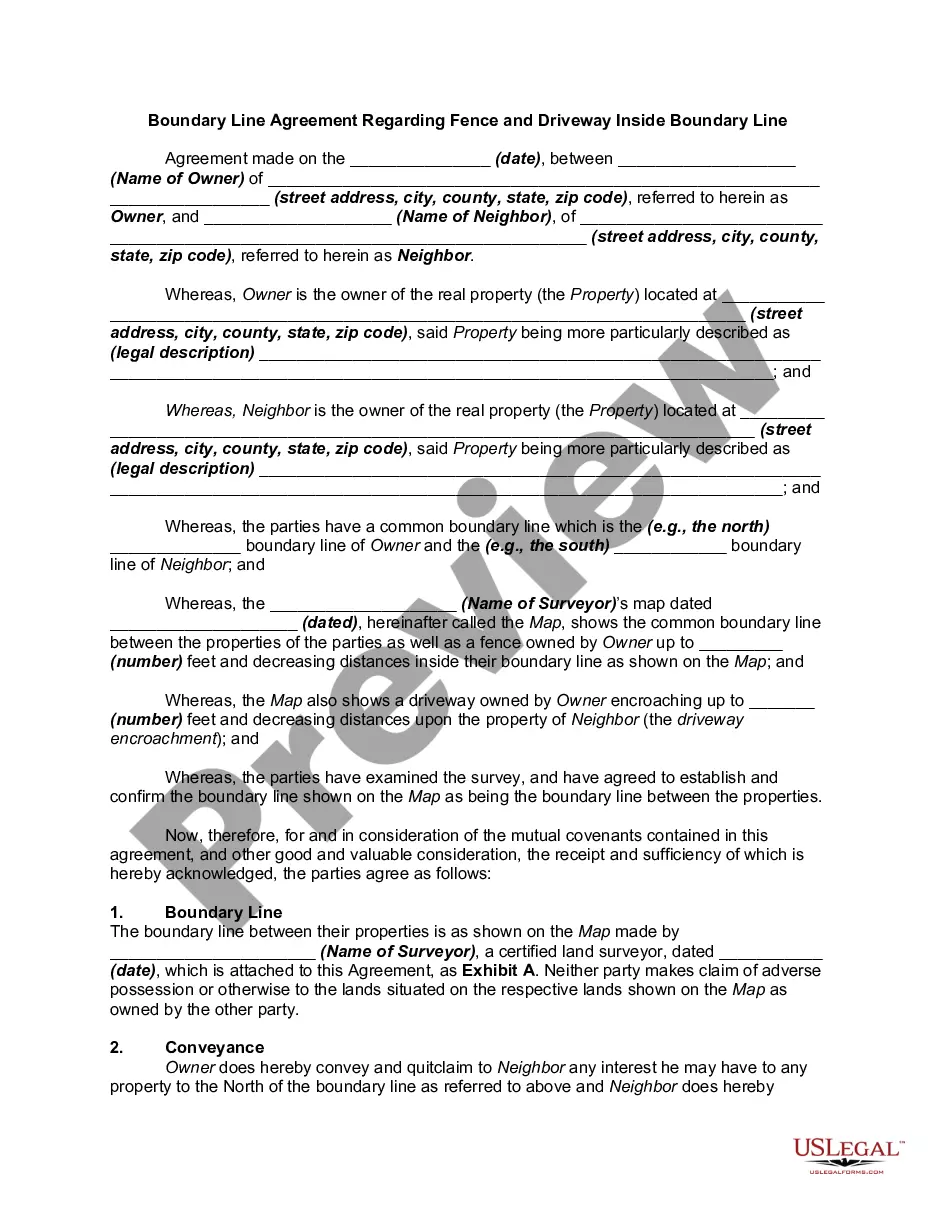
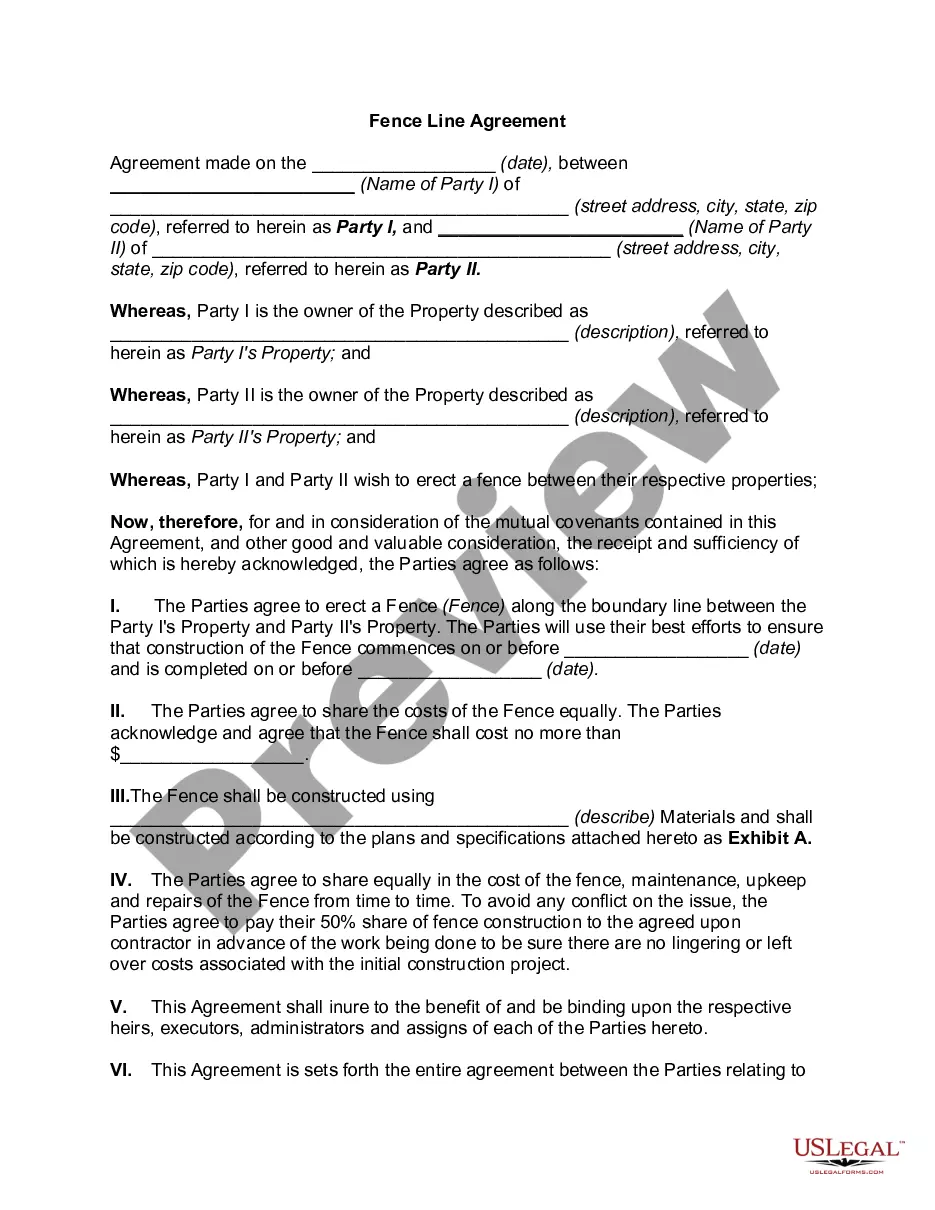
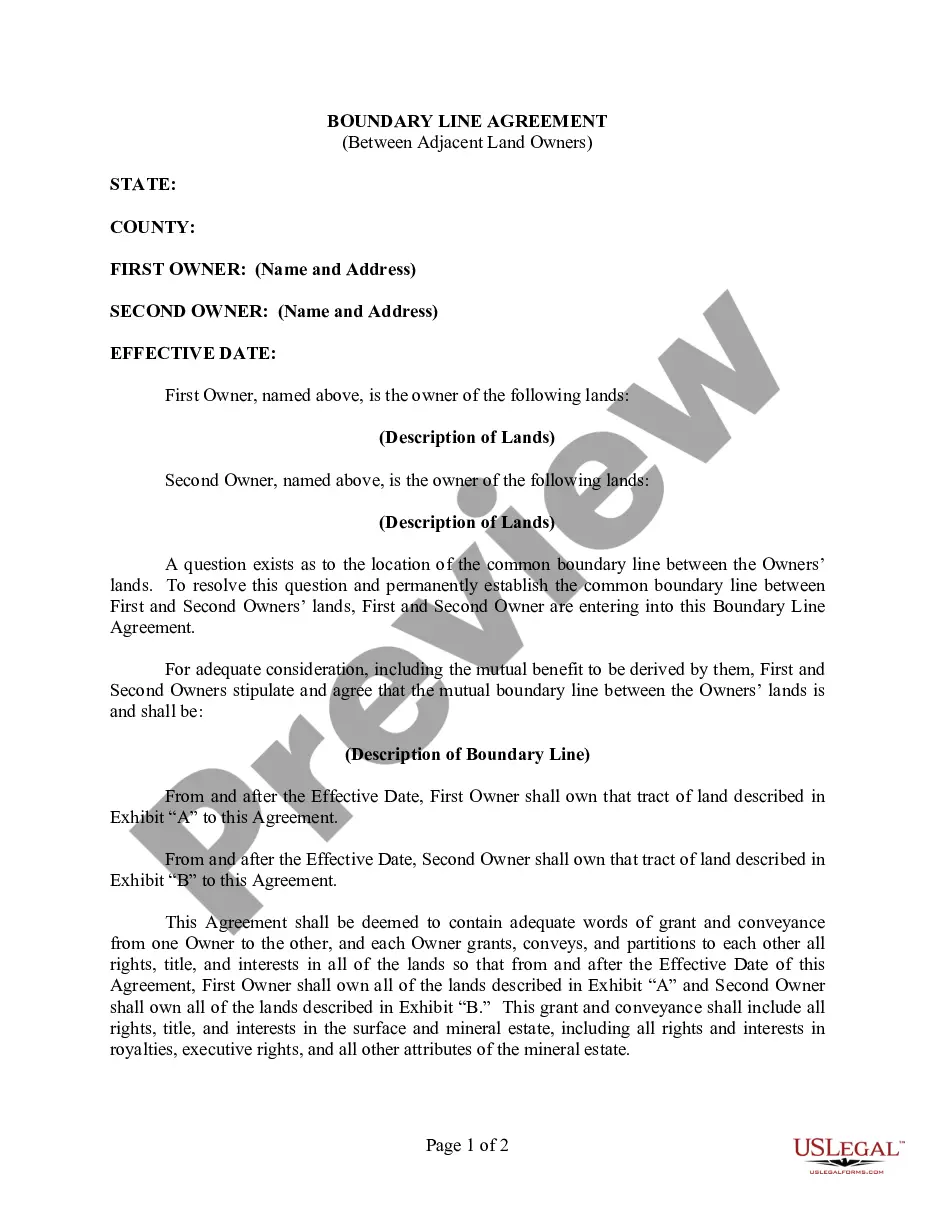
Get your form ready online
Our built-in tools help you complete, sign, share, and store your documents in one place.
Make edits, fill in missing information, and update formatting in US Legal Forms—just like you would in MS Word.
Download a copy, print it, send it by email, or mail it via USPS—whatever works best for your next step.
Sign and collect signatures with our SignNow integration. Send to multiple recipients, set reminders, and more. Go Premium to unlock E-Sign.
If this form requires notarization, complete it online through a secure video call—no need to meet a notary in person or wait for an appointment.
We protect your documents and personal data by following strict security and privacy standards.

Make edits, fill in missing information, and update formatting in US Legal Forms—just like you would in MS Word.

Download a copy, print it, send it by email, or mail it via USPS—whatever works best for your next step.

Sign and collect signatures with our SignNow integration. Send to multiple recipients, set reminders, and more. Go Premium to unlock E-Sign.

If this form requires notarization, complete it online through a secure video call—no need to meet a notary in person or wait for an appointment.

We protect your documents and personal data by following strict security and privacy standards.
Looking for another form?






Form popularity
FAQ
The process of international boundary making is generally categorised into four recognised phases. They are: the prepara- tions for an agreement, boundary delimitation, boundary demarcation and, boundary maintenance and administration.
The Mason–Dixon line (or "Mason and Dixon's Line") is a demarcation line between four U.S. states, forming part of the borders of Pennsylvania, Maryland, Delaware, and West Virginia (then part of Virginia).
India shares land borders with Bhutan, desh, China, Afghanistan, Myanmar, Nepal, and Pakistan. India's international boundaries include the McMahon Line, Radcliffe Line, Durand Line, Line of Actual Control (LAC), and Line of Control (LOC).
A demarcation is a line, boundary, or other conceptual separation between things. Geographically, a demarcation might be the border that separates two countries or the river that divides two regions.
Description: The Boundary files portray the geographic limits used for census dissemination and are available for Provinces and Territories, Census Divisions, Economic Regions, Census Metropolitan Areas and Census Agglomerations, Census Consolidated Subdivisions, Census Subdivisions and Aggregate Dissemination Area.
They are determined by treaty between the nations in question, occasionally peaceful buy often to end conflict. Because they typically need to be described in words they often follow geographic landmarks like rivers, or divides in the mountains.
Rivers: Some political borders have been formalized along natural borders formed by rivers. If a precise line is desired, it is often drawn along the thalweg, the deepest line along the river. Lakes: larger lakes create natural borders. Forests: denser jungles or forests can create strong natural borders.
There are two types of boundaries: natural and geometric or artificial boundaries. Natural boundaries are the hydrological boundaries, or watercourses, dry boundaries (wadis), mountain ranges and other natural landmarks. Artificial boundaries are boundaries marked by monuments.
India shares land boundaries with Pakistan and Afghanistan in the northwest, China (Tibet), Nepal and Bhutan in the north and Myanmar and desh in the east. India's southern neighbours across the sea consist of the two island countries, Sri Lanka and Maldives.
Answer: India has seven borders: Afghanistan and Pakistan to the north-west, China, Bhutan, and Nepal to the north, Myanmar to the east, and desh to the east. Sri Lanka (from the south-east) and the Maldives (from the south-west) have water boundaries.
