Property Lines For My House In Dallas
Description

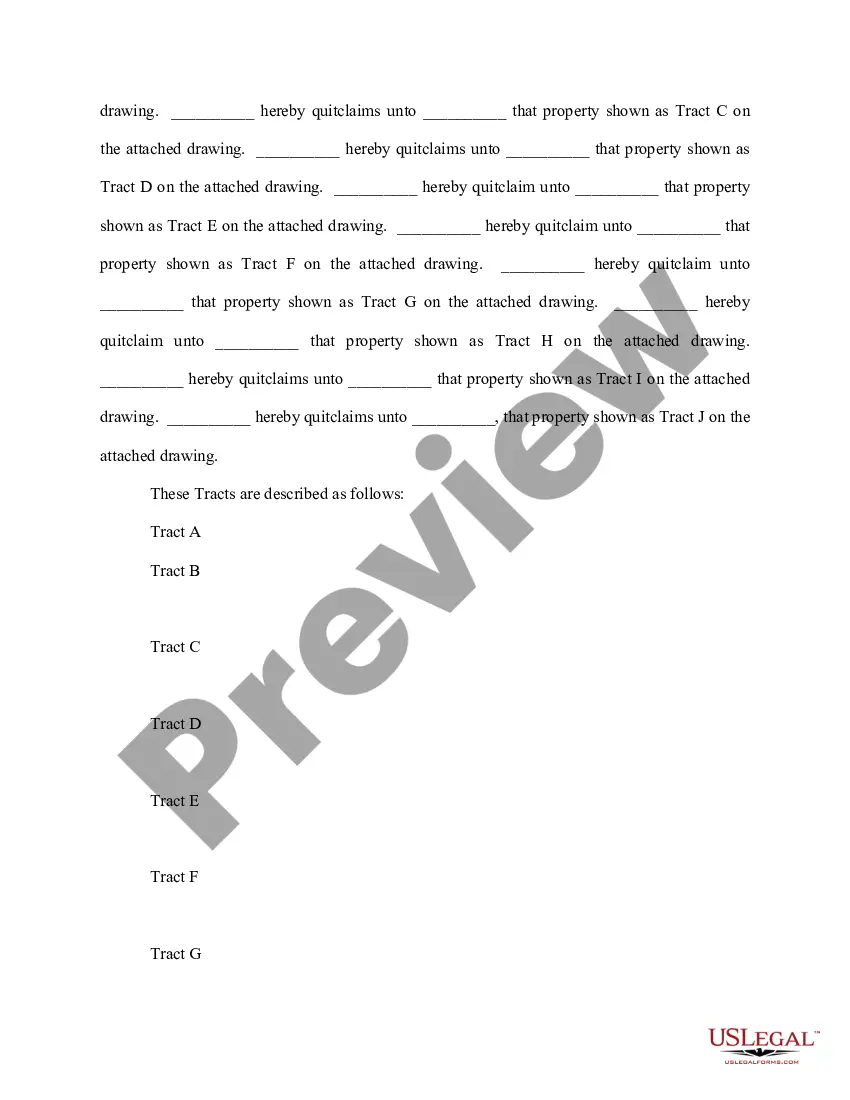
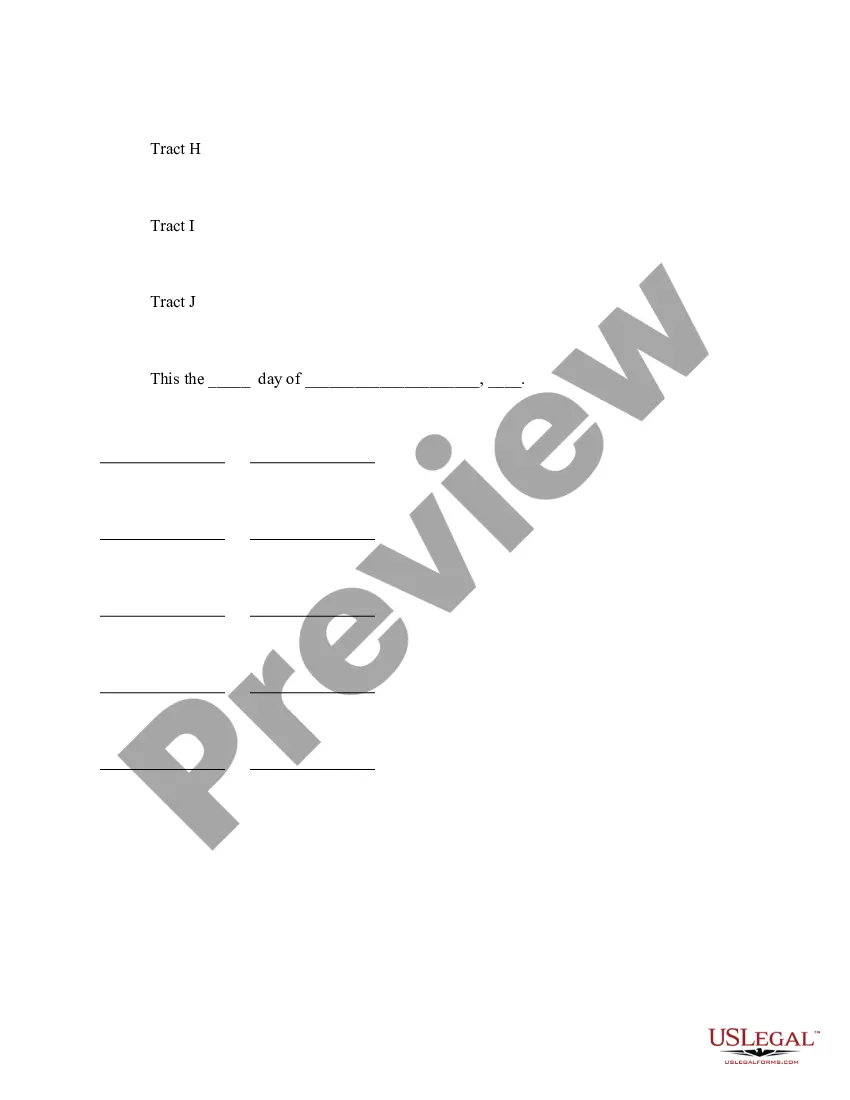

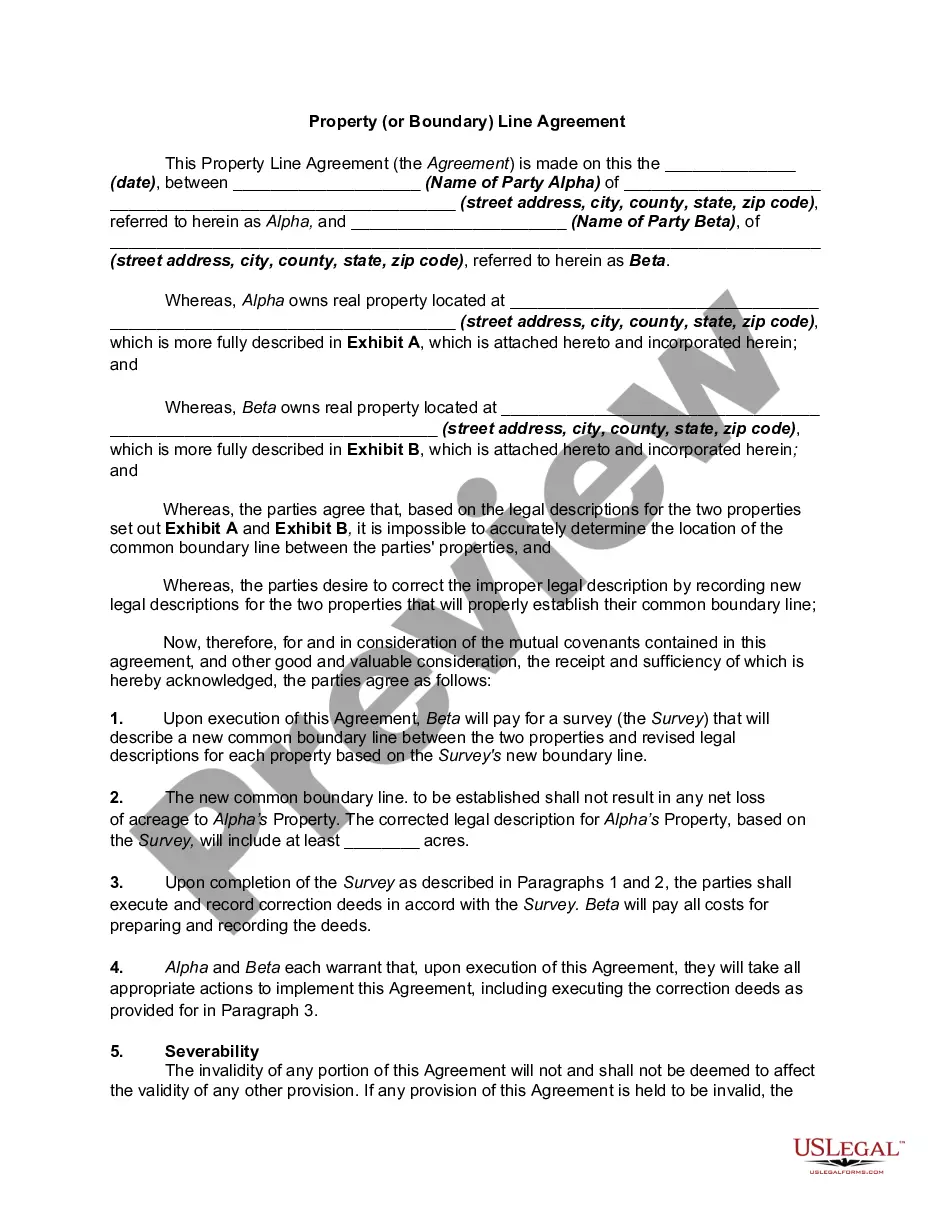
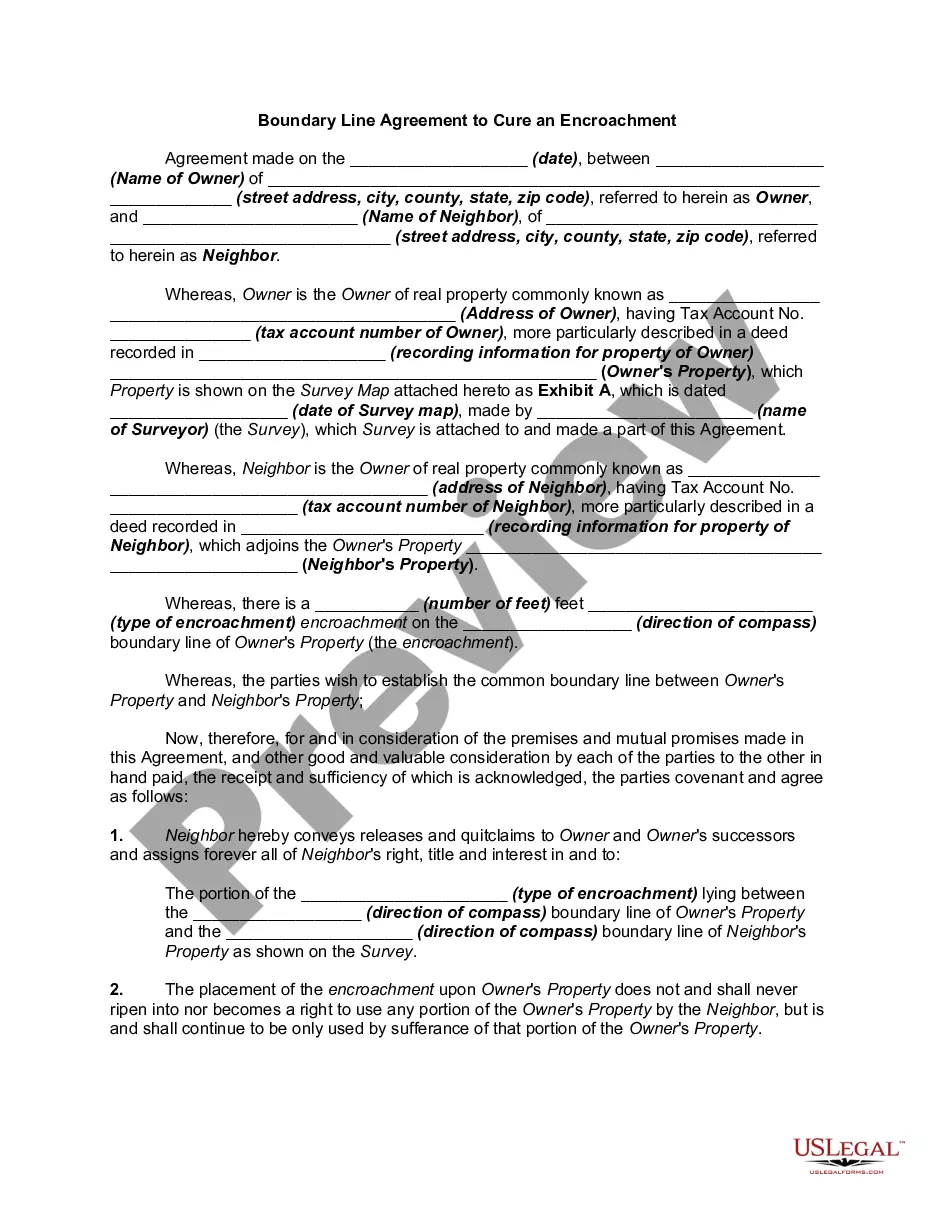
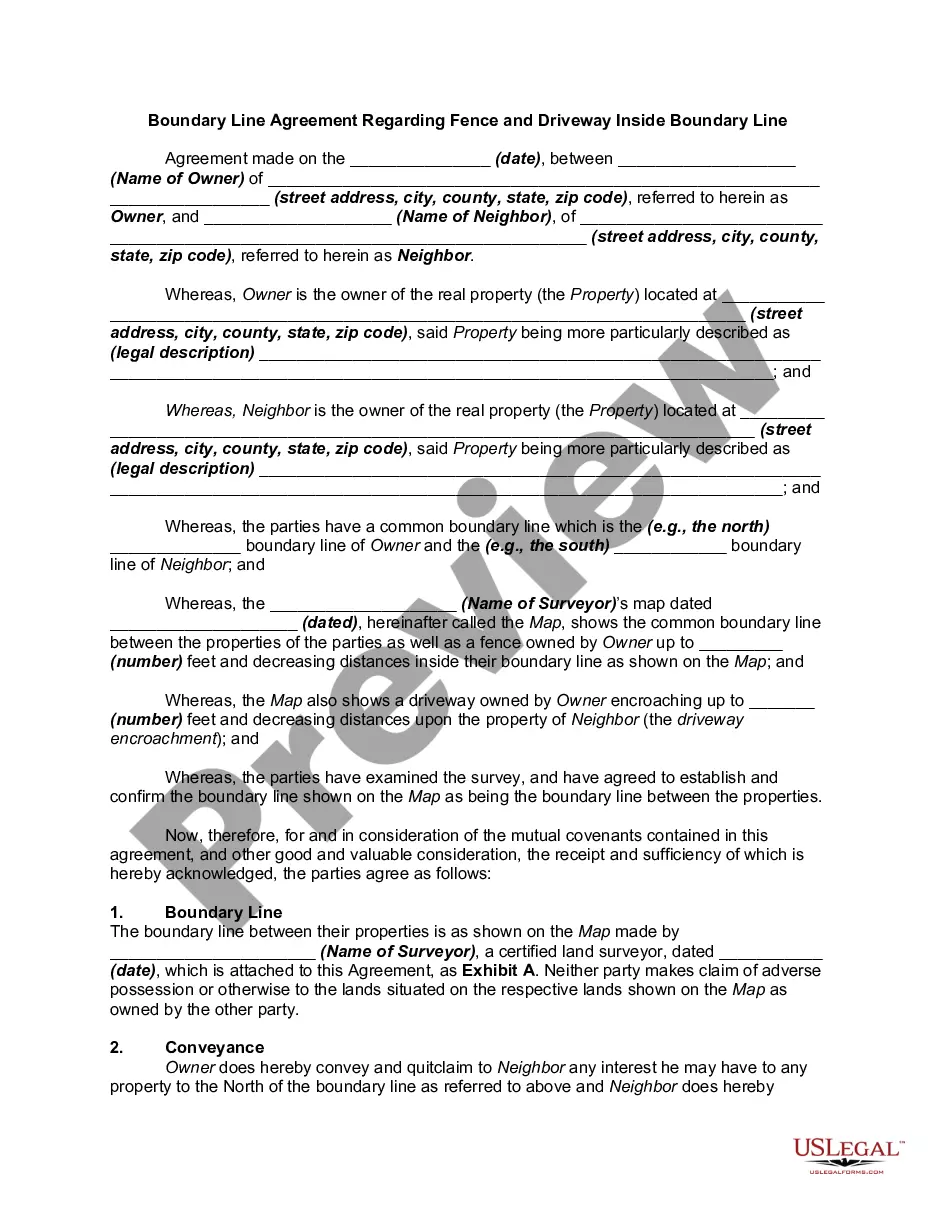
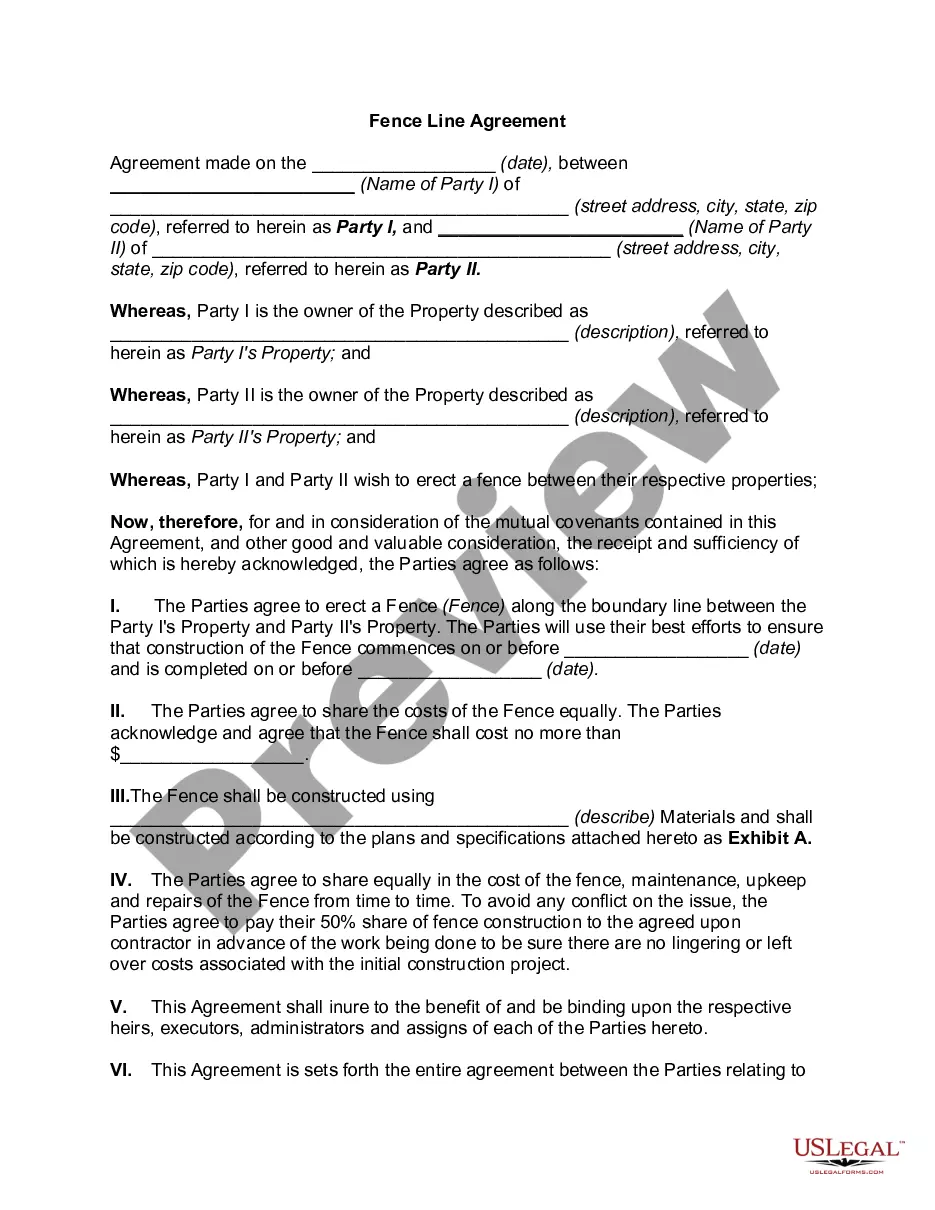
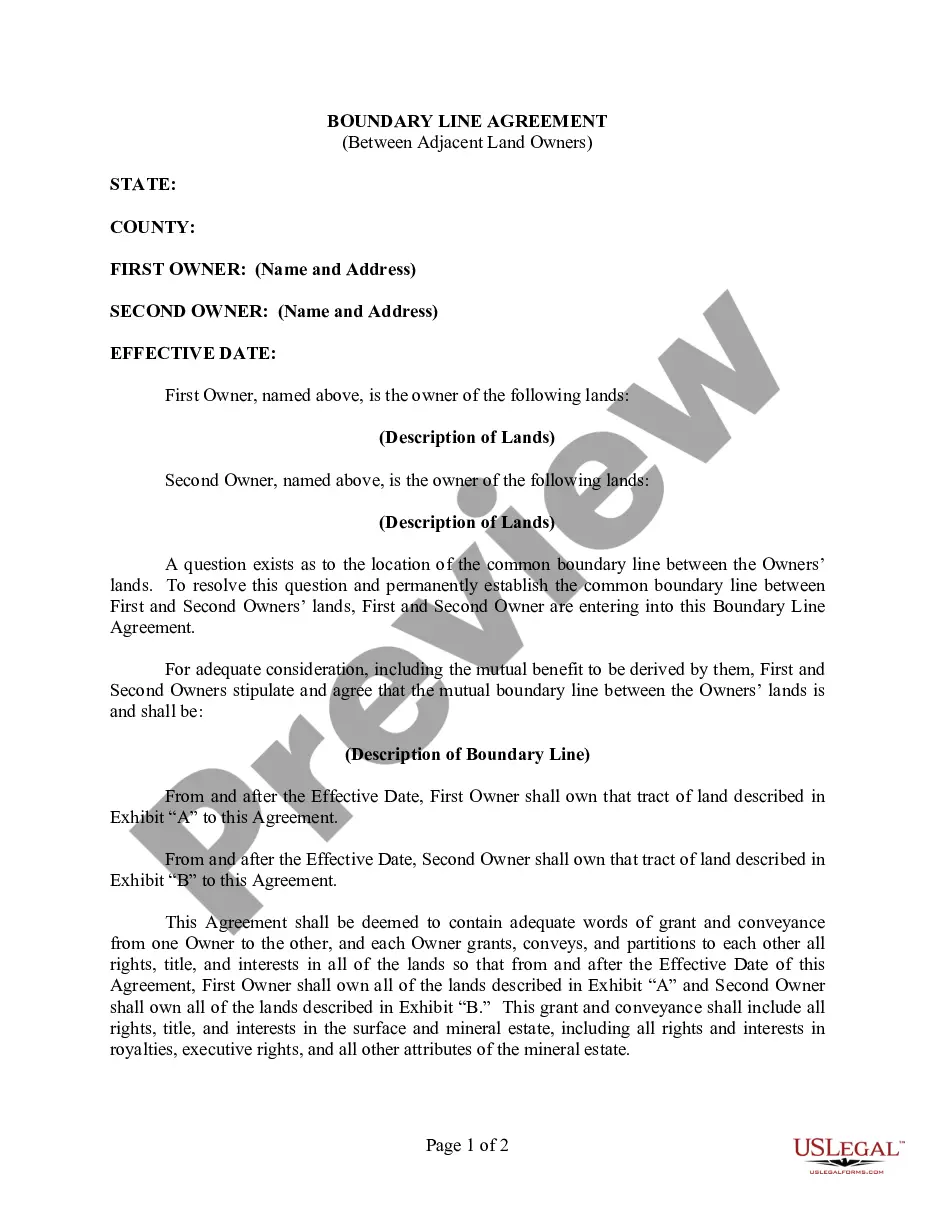
Get your form ready online
Our built-in tools help you complete, sign, share, and store your documents in one place.
Make edits, fill in missing information, and update formatting in US Legal Forms—just like you would in MS Word.
Download a copy, print it, send it by email, or mail it via USPS—whatever works best for your next step.
Sign and collect signatures with our SignNow integration. Send to multiple recipients, set reminders, and more. Go Premium to unlock E-Sign.
If this form requires notarization, complete it online through a secure video call—no need to meet a notary in person or wait for an appointment.
We protect your documents and personal data by following strict security and privacy standards.

Make edits, fill in missing information, and update formatting in US Legal Forms—just like you would in MS Word.

Download a copy, print it, send it by email, or mail it via USPS—whatever works best for your next step.

Sign and collect signatures with our SignNow integration. Send to multiple recipients, set reminders, and more. Go Premium to unlock E-Sign.

If this form requires notarization, complete it online through a secure video call—no need to meet a notary in person or wait for an appointment.

We protect your documents and personal data by following strict security and privacy standards.
Looking for another form?








Form popularity
FAQ
Public Land Records: Visit your local courthouse or land records office to access public land records, which can include maps and surveys of the area. Using these resources, you should be able to gather enough information to understand your property lines without incurring costs.
The Land id™ Discover plan is highly regarded for its accuracy in displaying property lines. It provides comprehensive and precise parcel boundary information along with detailed property data, making it one of the most reliable apps for finding property lines nationwide.
Your deed should note the parcel number, but you can typically find the parcel information if you look up your home through your local assessor's office. The plat map is also your best bet to find your property lines online, as your assessor's office may provide plat map snapshots through its website.
Here are the most common ways to find them: Check Google Maps. This one is the quickest and easiest way to establish where your property lines are. Hire a surveyor. Check online property records. Look for physical markers on your property. Check your property deed. Check a plat map. Review your property survey.
How can I determine who owns a particular property? Contact your local Appraisal District. How can I obtain my legal property description or value of the property? Go to the Property Tax Lookup/Payment Application, contact your local Appraisal District, or call 214-653-7811.
To find out the zoning for property, please call (214) 948-4480. There are three types of zoning changes: general zoning change, planned development district (PDD), and specific use permit (SUP). Each has a different process and requirements.
They can be established through visible features, such as roads, ditches or fences, but they also may be imperceptible. Ask Your Mortgage Or Title Company. Look For Property Markers. Look For Hidden Survey Pins. Refer To Physical Markers. Visit Your Local Zoning Office. Measure Your Property Yourself.
To find your property lines in Texas, consider these tools: Survey Equipment: Metal detectors or measuring tapes for locating boundary markers. County Records Offices: Access plat maps, deeds, and surveys.
What Is the Most Accurate App for Finding Property Lines? The Land id™ Discover plan is highly regarded for its accuracy in displaying property lines.
