Boundary Lines In Pickleball In Broward
Description


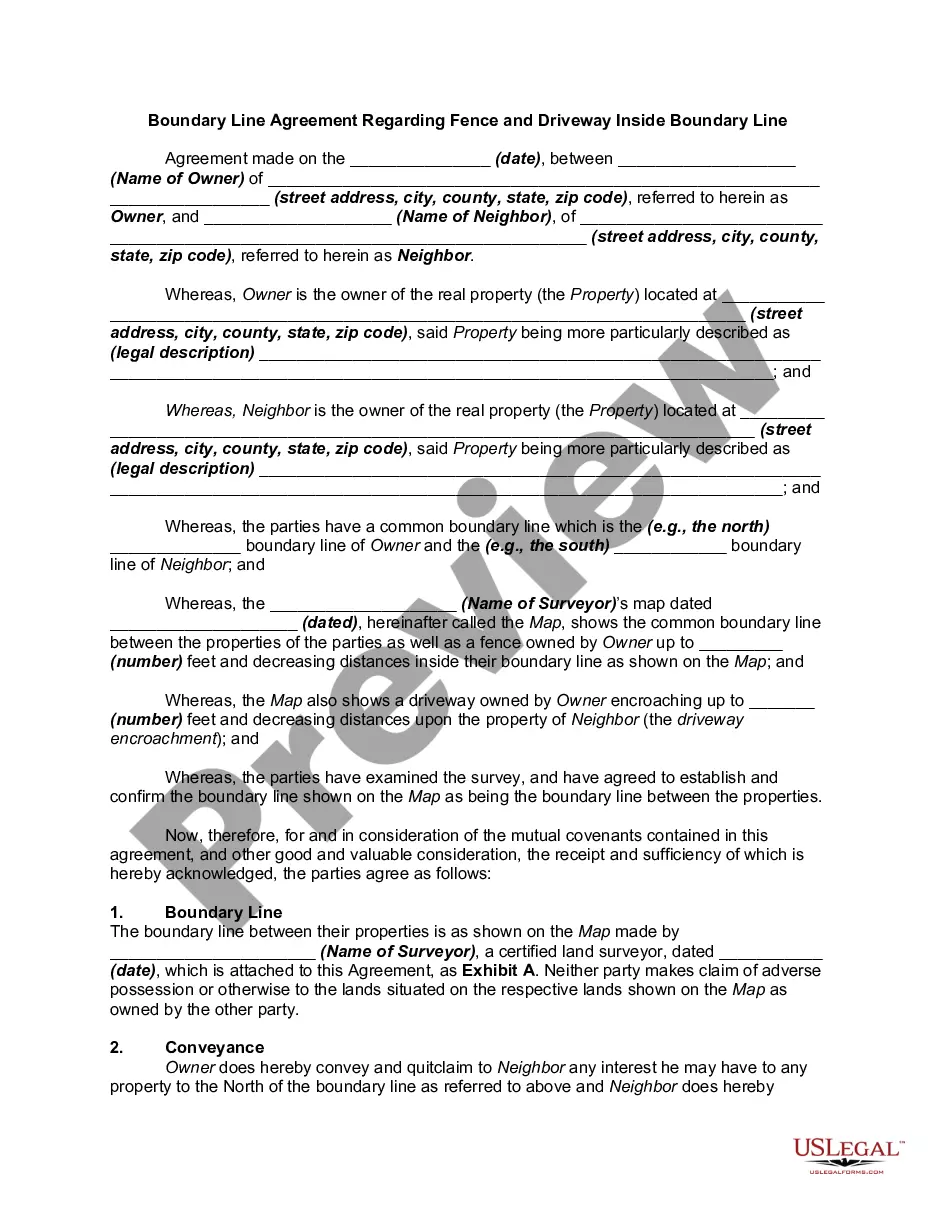
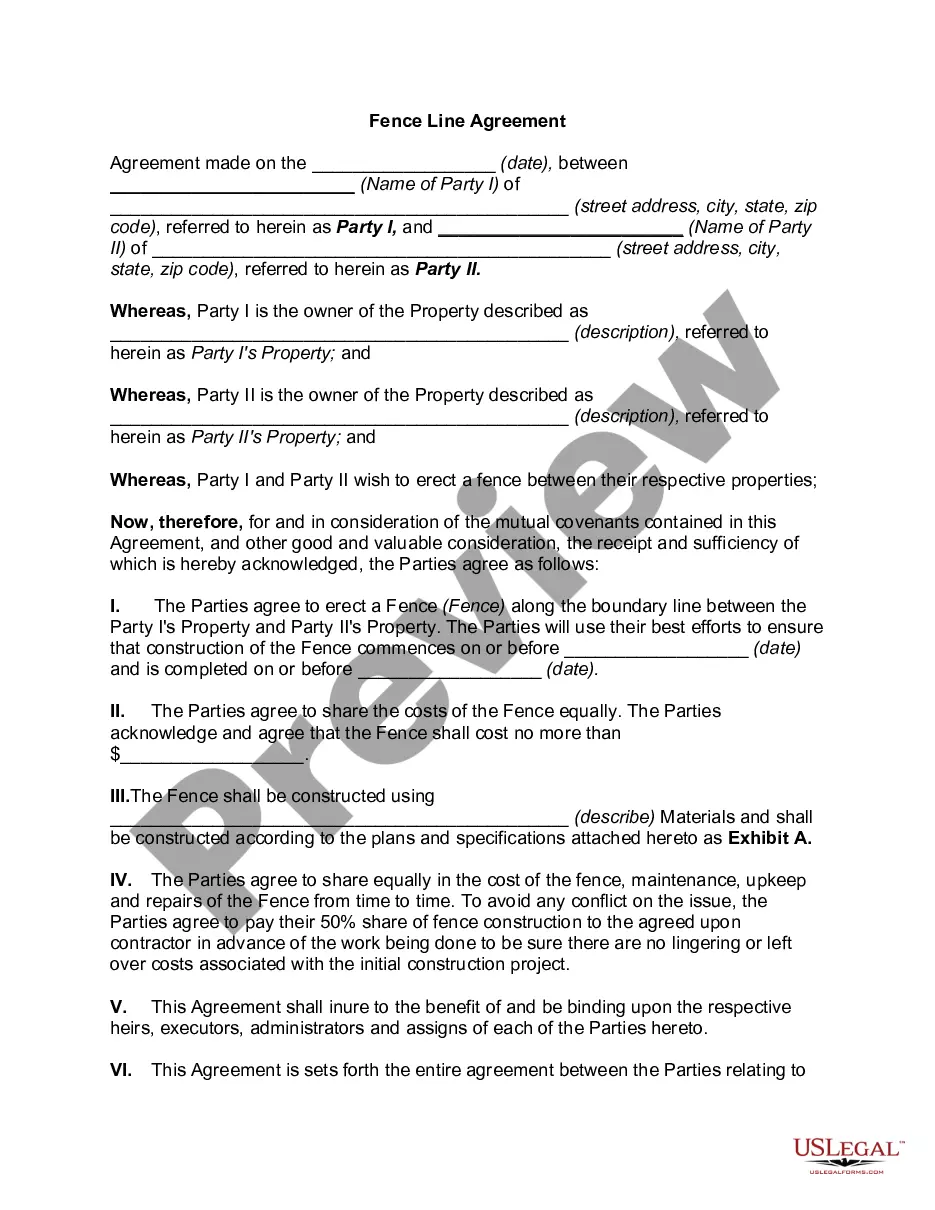
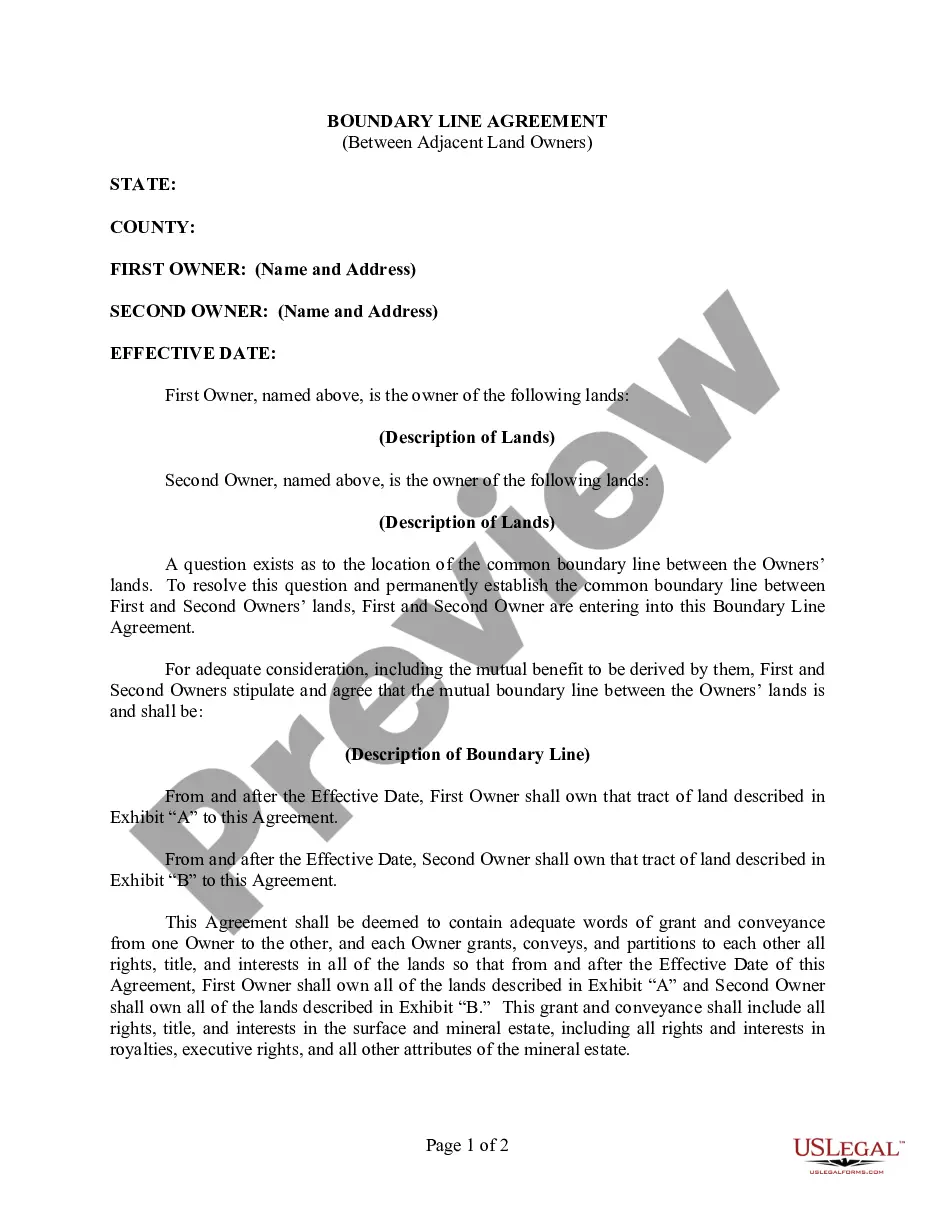
Get your form ready online
Our built-in tools help you complete, sign, share, and store your documents in one place.
Make edits, fill in missing information, and update formatting in US Legal Forms—just like you would in MS Word.
Download a copy, print it, send it by email, or mail it via USPS—whatever works best for your next step.
Sign and collect signatures with our SignNow integration. Send to multiple recipients, set reminders, and more. Go Premium to unlock E-Sign.
If this form requires notarization, complete it online through a secure video call—no need to meet a notary in person or wait for an appointment.
We protect your documents and personal data by following strict security and privacy standards.

Make edits, fill in missing information, and update formatting in US Legal Forms—just like you would in MS Word.

Download a copy, print it, send it by email, or mail it via USPS—whatever works best for your next step.

Sign and collect signatures with our SignNow integration. Send to multiple recipients, set reminders, and more. Go Premium to unlock E-Sign.

If this form requires notarization, complete it online through a secure video call—no need to meet a notary in person or wait for an appointment.

We protect your documents and personal data by following strict security and privacy standards.
Looking for another form?
Form popularity
FAQ
Here are the line rules during a serve in pickleball: A ball may contact the sidelines or baseline during a serve and be considered “in,” unless it touches the sidelines within the non-volley zone. A ball may not contact the non-volley (or “kitchen”) line during a serve. If it does, it's considered a fault.
The Serve Volley serves and drop serves must be made underhand. Paddle contact with the ball must be below the server's waist (navel level). The serve is initiated with at least one foot behind the baseline; neither foot may contact the baseline or court until after the ball is struck.
For the team that starts the game, only one person gets to serve. The server always starts in the right-hand court and must serve crosscourt (to the backcourt diagonally opposite and beyond the non-volley zone line).
In pickleball, line call rules decide whether a ball is “in” or “out.” The pickleball must clear the net and land in the correct court on the serve. During the serve, the ball is considered “in” if it contacts any part of any line including the centerline, sideline, and baseline, but excluding the non-volley zone.
PICKLEBALL LINES: COURT LINES 2 inches wide and measurements should be made to the outside of the lines. PICKLEBALL LINES: BASELINE Lines parallel to the net at each end of the court. PICKLEBALL LINES: SIDELINES Lines perpendicular to the net on each side of the court.
The server's arm must be moving in an upward arc when the ball is struck. Paddle contact with the ball must not be made above the waist level. The head of the paddle must not be above the highest part of the wrist at contact. A 'drop serve' is also permitted in which case none of the elements above apply.
Pickleball court lines and layout A pickleball court is 20 feet wide x 44 feet long (22 feet long on either side of the net). The non-volley zone (NVZ, or the kitchen) is seven feet long (from the net to the top of the kitchen line) on either side of the net and 20 feet wide — from sideline to sideline.
So, is the line in or out in pickleball? ing to the rules, any ball that touches any part of a line is considered “in.” This applies to all lines, including the baseline, sideline, and centerline. However, when serving, a ball that lands on the kitchen line is “out” because the serve cannot land in the kitchen.
The 10-second rule under USA Pickleball says that, once the score has been called by the server, the server has 10 seconds to serve the ball. This is true even if the receiving team is not yet in the correct position. However, the server should wait until the receiving team is ready to receive the ball.
Line Calls A ball contacting any line, except the non-volley zone line on a serve, is considered “in.” A serve contacting the non-volley zone line is short and a fault.
