Claim For Dependent Parent In Wayne
Description


Get your form ready online
Our built-in tools help you complete, sign, share, and store your documents in one place.
Make edits, fill in missing information, and update formatting in US Legal Forms—just like you would in MS Word.
Download a copy, print it, send it by email, or mail it via USPS—whatever works best for your next step.
Sign and collect signatures with our SignNow integration. Send to multiple recipients, set reminders, and more. Go Premium to unlock E-Sign.
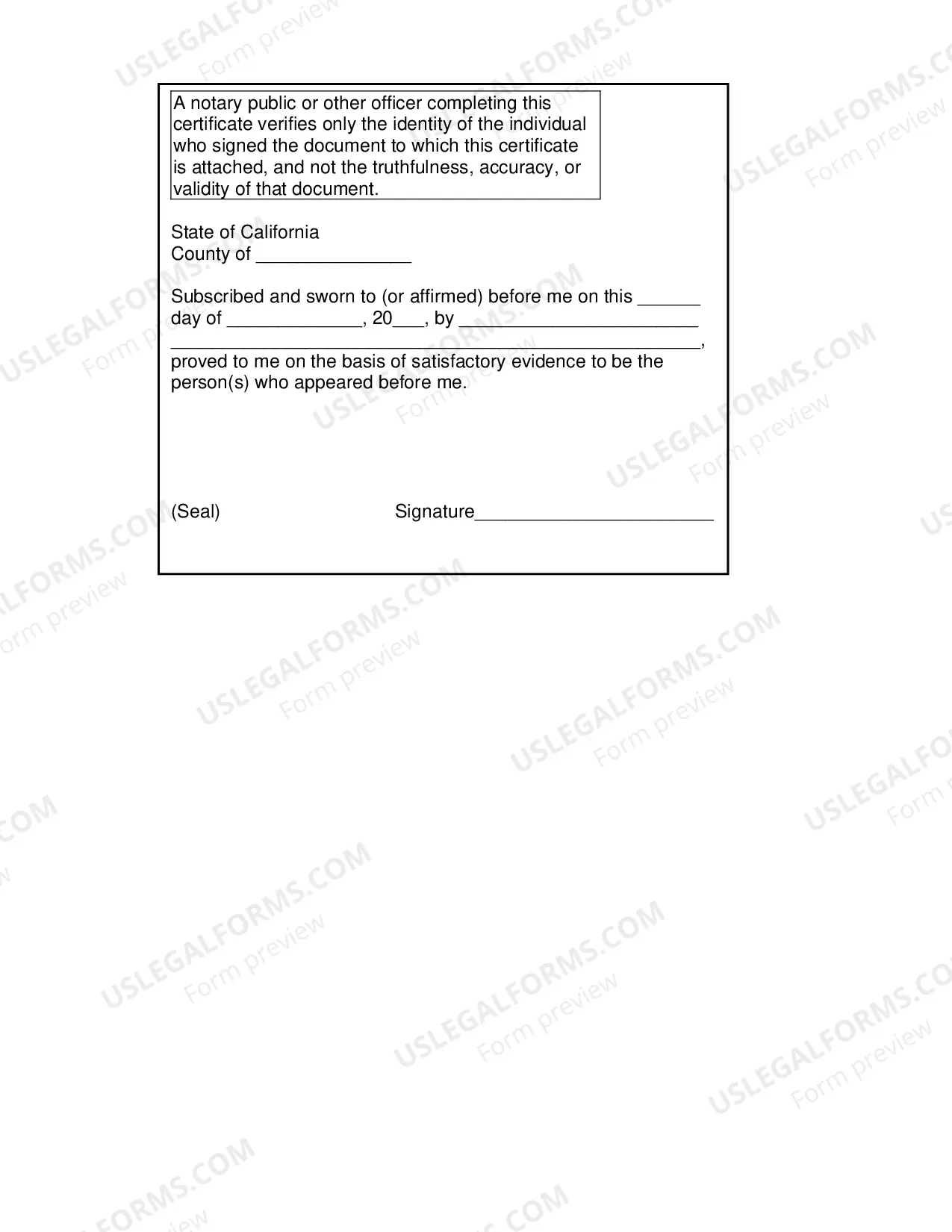
If this form requires notarization, complete it online through a secure video call—no need to meet a notary in person or wait for an appointment.
We protect your documents and personal data by following strict security and privacy standards.

Make edits, fill in missing information, and update formatting in US Legal Forms—just like you would in MS Word.

Download a copy, print it, send it by email, or mail it via USPS—whatever works best for your next step.

Sign and collect signatures with our SignNow integration. Send to multiple recipients, set reminders, and more. Go Premium to unlock E-Sign.

If this form requires notarization, complete it online through a secure video call—no need to meet a notary in person or wait for an appointment.

We protect your documents and personal data by following strict security and privacy standards.
Looking for another form?






Form popularity
FAQ
An individual claimed as a dependent must be a citizen, national, or resident of the United States, or a resident of Canada or Mexico.
Dependent Parents means your mother or father who financially rely on you. Seen in 7 SEC filings. Dependent Parents means in relation to a member, the legal or traditional parents of said member. Seen in 3 SEC filings.
(updated Aug. 2, 2022) In general, you can claim qualifying individuals as your dependents. To be your dependent, the qualifying individual must be a U.S. citizen, U.S. national, U.S. resident alien, or a resident of Canada or Mexico for some part of the calendar year in which your tax year begins.
An individual claimed as a dependent must be a citizen, national, or resident of the United States, or a resident of Canada or Mexico.
To be allowed to claim your parent as a dependent, your parent's taxable income must be less than $4,700 for tax year 2023 (and $5,050 for 2024). This means that if your parent's income falls into that threshold you aren't eligible to claim them as a dependent.
Claiming the Canada caregiver amount for spouse or common-law partner, or eligible dependant age 18 or older. You may be entitled to claim an amount of $2,616 in the calculation of line 30300 if your spouse or common-law partner has an impairment in physical or mental functions.
How many dependents can I claim? Although there are limits to specific dependent credits, there's no maximum number of dependent exemptions you can claim. If a person meets the requirements for a qualifying child or relative, you can claim them as a dependent. You can do this regardless of your filing status.
Whatever the case, when it comes to your taxes, the rule is that you must be a resident of Canada in order to claim personal amounts for your dependants. The only exception is if the Canadian income on your return represents 90% or more of your total world income.
The eligible dependant amount tax credit usually applies to single-parent families supporting a dependant who lives with them, including children, parents, grandparents, and siblings under 18 (or older if impaired), provided the claimant is not supported by a spouse or partner.
How to claim the Canada caregiver amount. If the eligible dependant is 18 years of age or older and dependent on you because of an impairment in physical or mental functions, you may also be entitled to claim an amount up to a maximum of $8,375 on line 30425.

