Settlement Against Estate Format In Suffolk
Description


Get your form ready online
Our built-in tools help you complete, sign, share, and store your documents in one place.
Make edits, fill in missing information, and update formatting in US Legal Forms—just like you would in MS Word.
Download a copy, print it, send it by email, or mail it via USPS—whatever works best for your next step.
Sign and collect signatures with our SignNow integration. Send to multiple recipients, set reminders, and more. Go Premium to unlock E-Sign.
If this form requires notarization, complete it online through a secure video call—no need to meet a notary in person or wait for an appointment.
We protect your documents and personal data by following strict security and privacy standards.

Make edits, fill in missing information, and update formatting in US Legal Forms—just like you would in MS Word.

Download a copy, print it, send it by email, or mail it via USPS—whatever works best for your next step.

Sign and collect signatures with our SignNow integration. Send to multiple recipients, set reminders, and more. Go Premium to unlock E-Sign.

If this form requires notarization, complete it online through a secure video call—no need to meet a notary in person or wait for an appointment.

We protect your documents and personal data by following strict security and privacy standards.
Looking for another form?

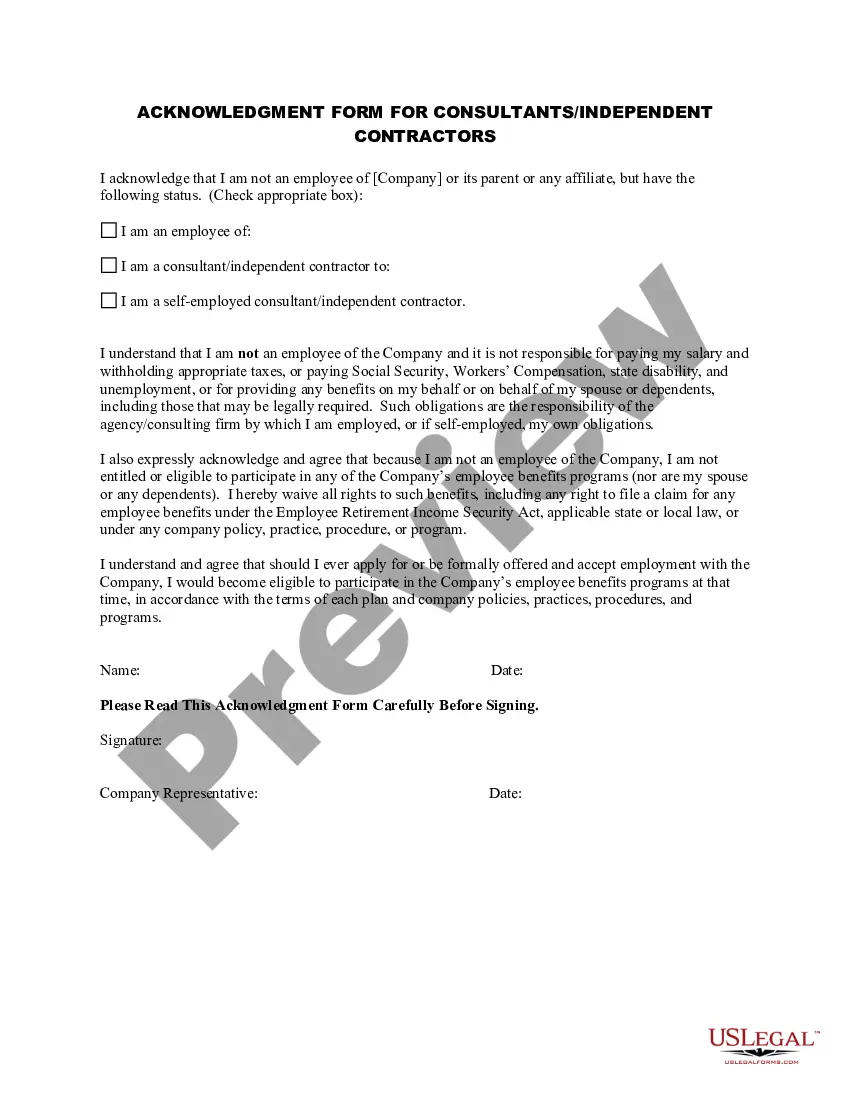





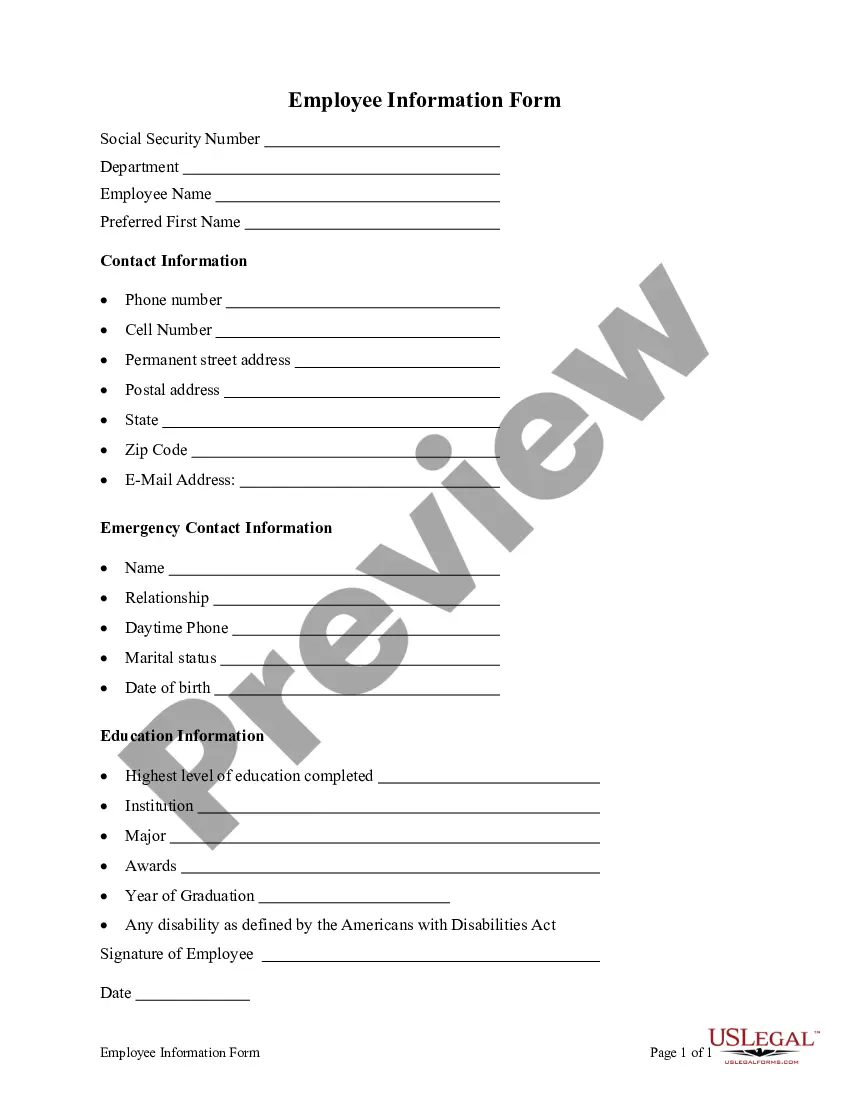
Form popularity
FAQ
For assistance you may call (631) 853-4600 Monday through Friday, from 9am to 4 pm. Note: To initiate a complaint, you must complete and sign the complaint form and then send it back to us with the required documentation.
What are Letters of Testamentary in New York? Letters testamentary are issued from the Surrogate's Court in New York that verifies the appointment of the executor to manage the distribution of a deceased person's assets and property.
An Order to Show Cause is a method that a party may use to request that the court reopen their case, usually after a default judgment has been entered. A default judgment can be entered if a defendant fails to answer a summons, or fails to appear for trial or hearing.
In order to respond to a motion or an order to show cause, you must prepare answering papers. If you disagree with what is being asked for in the motion or order to show cause, you must prepare an affidavit in opposition (see Exhibit A).
It is mandatory that a Show Cause Notice (SCN) is issued if the department contemplates any action prejudicial to the assessee. The SCN would detail the provisions of law allegedly violated and ask the noticee to show cause why action should not be initiated against him under the relevant provisions of the Act/Rules.
An order to show cause (OSC) is a request to the court for a new hearing. It can ask for more time or stop the marshal from evicting you. If you do not have a lawyer, you will have to fill out the OSC yourself.
Who may become a voluntary administrator? A. If the decedent died without a Will, the right to act as voluntary administrator is given first to the spouse and then, in order of preference, to an adult child or grandchild, parent, brother or sister, niece or nephew or aunt or uncle of the decedent.

