Sample Statement Of Claim For Debt Recovery In Sacramento
Description


Get your form ready online
Our built-in tools help you complete, sign, share, and store your documents in one place.
Make edits, fill in missing information, and update formatting in US Legal Forms—just like you would in MS Word.
Download a copy, print it, send it by email, or mail it via USPS—whatever works best for your next step.
Sign and collect signatures with our SignNow integration. Send to multiple recipients, set reminders, and more. Go Premium to unlock E-Sign.
If this form requires notarization, complete it online through a secure video call—no need to meet a notary in person or wait for an appointment.
We protect your documents and personal data by following strict security and privacy standards.

Make edits, fill in missing information, and update formatting in US Legal Forms—just like you would in MS Word.

Download a copy, print it, send it by email, or mail it via USPS—whatever works best for your next step.

Sign and collect signatures with our SignNow integration. Send to multiple recipients, set reminders, and more. Go Premium to unlock E-Sign.

If this form requires notarization, complete it online through a secure video call—no need to meet a notary in person or wait for an appointment.

We protect your documents and personal data by following strict security and privacy standards.
Looking for another form?









Form popularity
FAQ
A lawyer typically takes anywhere from a few days to a few weeks to draft a demand letter. However, this timeline can be influenced by factors pertaining to your case, as well as the workload of your attorney and their firm.
In California, you're typically required to send a small claims demand letter to the defendant before filing a small claims case.
A demand letter is also sometimes called a “lawyer's letter” or “formal notice” or, in French, a “mise en demeure.” It means you're making a formal demand for something.
However, sending a letter of demand can have its disadvantages. Depending on the situation, the other party may feel threatened and respond negatively, or they may not respond at all. They might engage a lawyer, or they might even start legal action against you.
A 'letter of demand' is a letter formally requesting payment of a debt. For example, a creditor can send a letter of demand to recover payment of an unpaid invoice, or seek a refund if a business has provided faulty goods or deficient services.
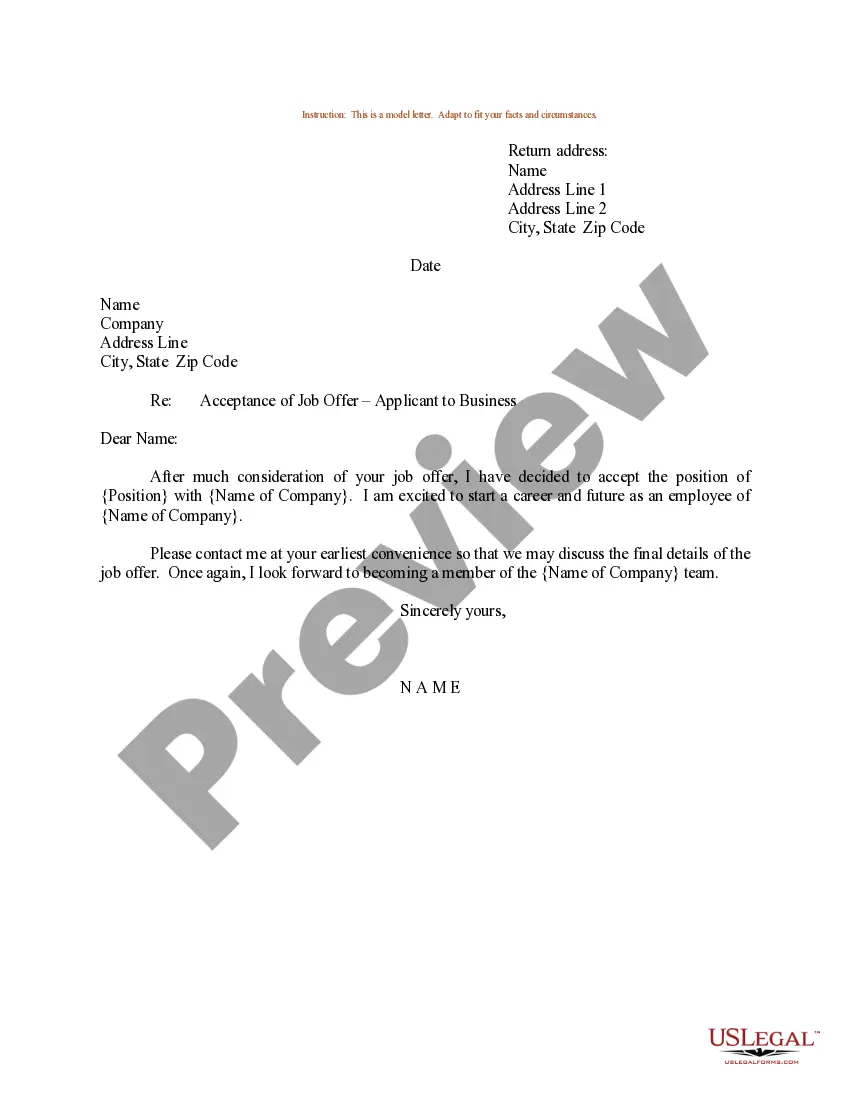
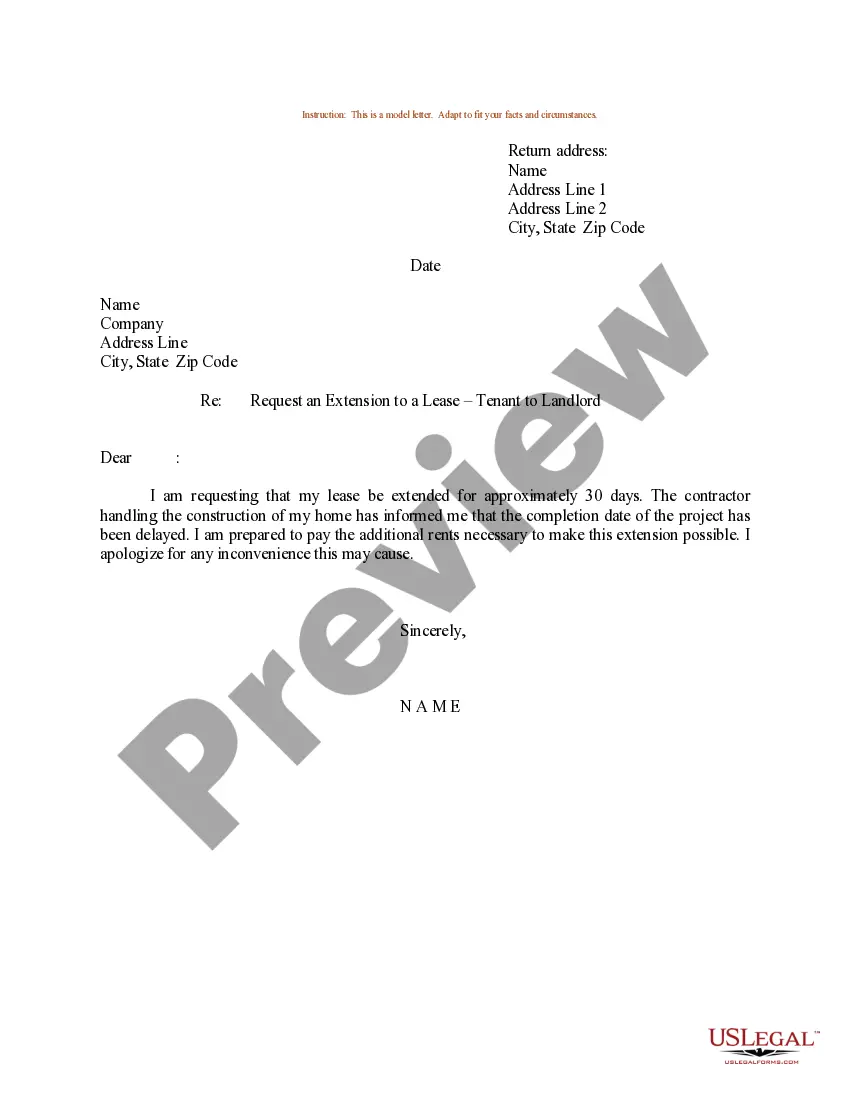
Frequently Asked Questions (FAQ) Type your letter. Concisely review the main facts. Be polite. Write with your goal in mind. Ask for exactly what you want. Set a deadline. End the letter by stating you will promptly pursue legal remedies if the other party does not meet your demand. Make and keep copies.
Generally, you can only sue for up to $12,500 in small claims court (or up to $6,250 if you're a business). You can ask a lawyer for advice before you go to court, but you can't have one with you in court. Starting November 1, 2021, you can sue or be sued for COVID-19 rental debt in small claims.
Monetary Limits Usually, the most "a natural person" can ask for is $12,500; however, you are limited to filing no more than two claims anywhere in the State of California for over $2,500 in one calendar year. You may file an unlimited amount of claims for $2,500 or less.
Other Plaintiffs or Defendants (SC-100A) Use this form if you are filing a case that involves three or more Plaintiffs or Defendants. Fill out this form and attach it to your Plaintiff's Claim. Download Other Plaintiff's Form. Proof of Service (SC-104)
Good Demand Letter Sent by certified mail so you can prove it was received. The letter is dated plus the story includes all of the important dates to show that the warranty is still in force. Copies (not the originals) of the documents that support your story are enclosed. You are polite.