Settlement Against Estate Form Ny In Pima
Description


Get your form ready online
Our built-in tools help you complete, sign, share, and store your documents in one place.
Make edits, fill in missing information, and update formatting in US Legal Forms—just like you would in MS Word.
Download a copy, print it, send it by email, or mail it via USPS—whatever works best for your next step.
Sign and collect signatures with our SignNow integration. Send to multiple recipients, set reminders, and more. Go Premium to unlock E-Sign.
If this form requires notarization, complete it online through a secure video call—no need to meet a notary in person or wait for an appointment.
We protect your documents and personal data by following strict security and privacy standards.

Make edits, fill in missing information, and update formatting in US Legal Forms—just like you would in MS Word.

Download a copy, print it, send it by email, or mail it via USPS—whatever works best for your next step.

Sign and collect signatures with our SignNow integration. Send to multiple recipients, set reminders, and more. Go Premium to unlock E-Sign.

If this form requires notarization, complete it online through a secure video call—no need to meet a notary in person or wait for an appointment.

We protect your documents and personal data by following strict security and privacy standards.
Looking for another form?
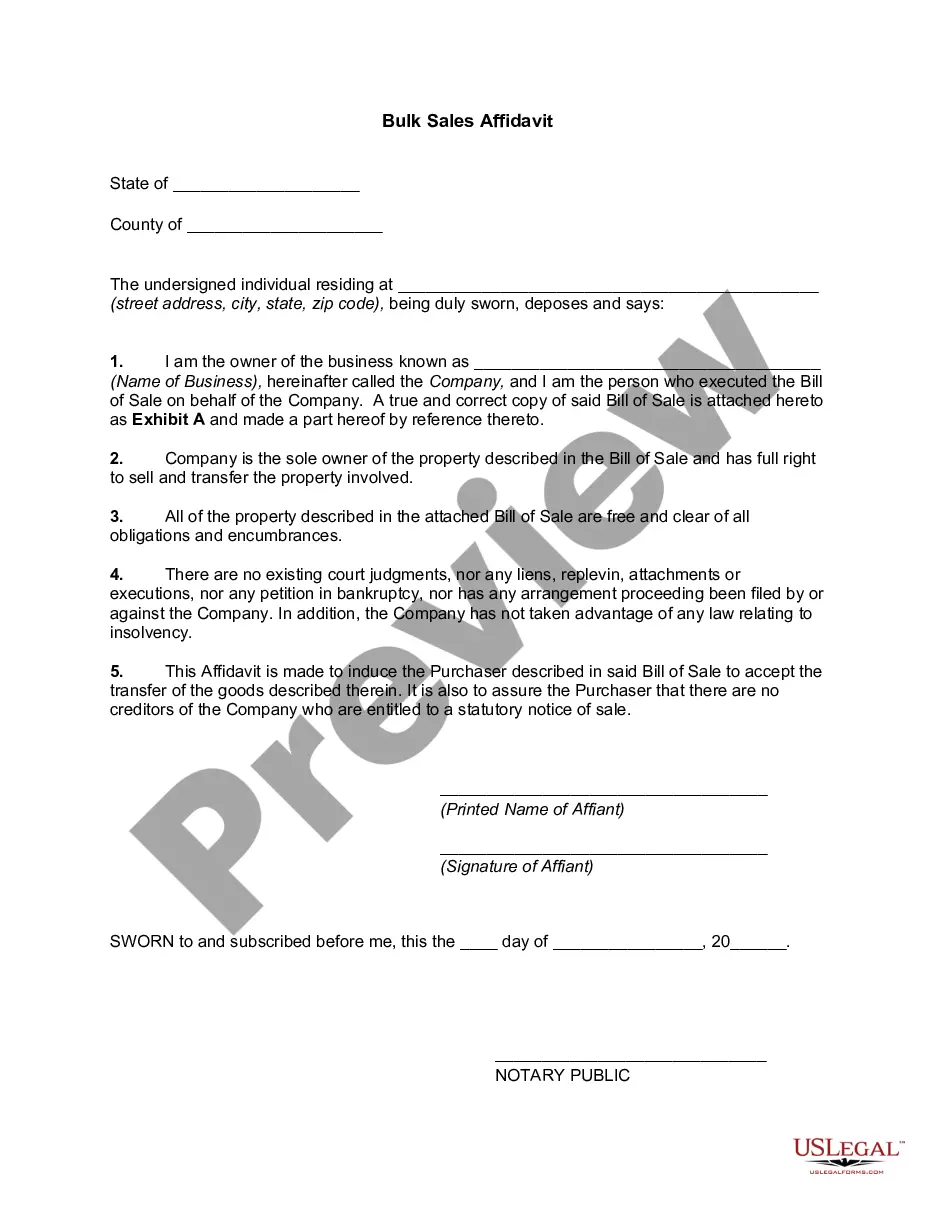


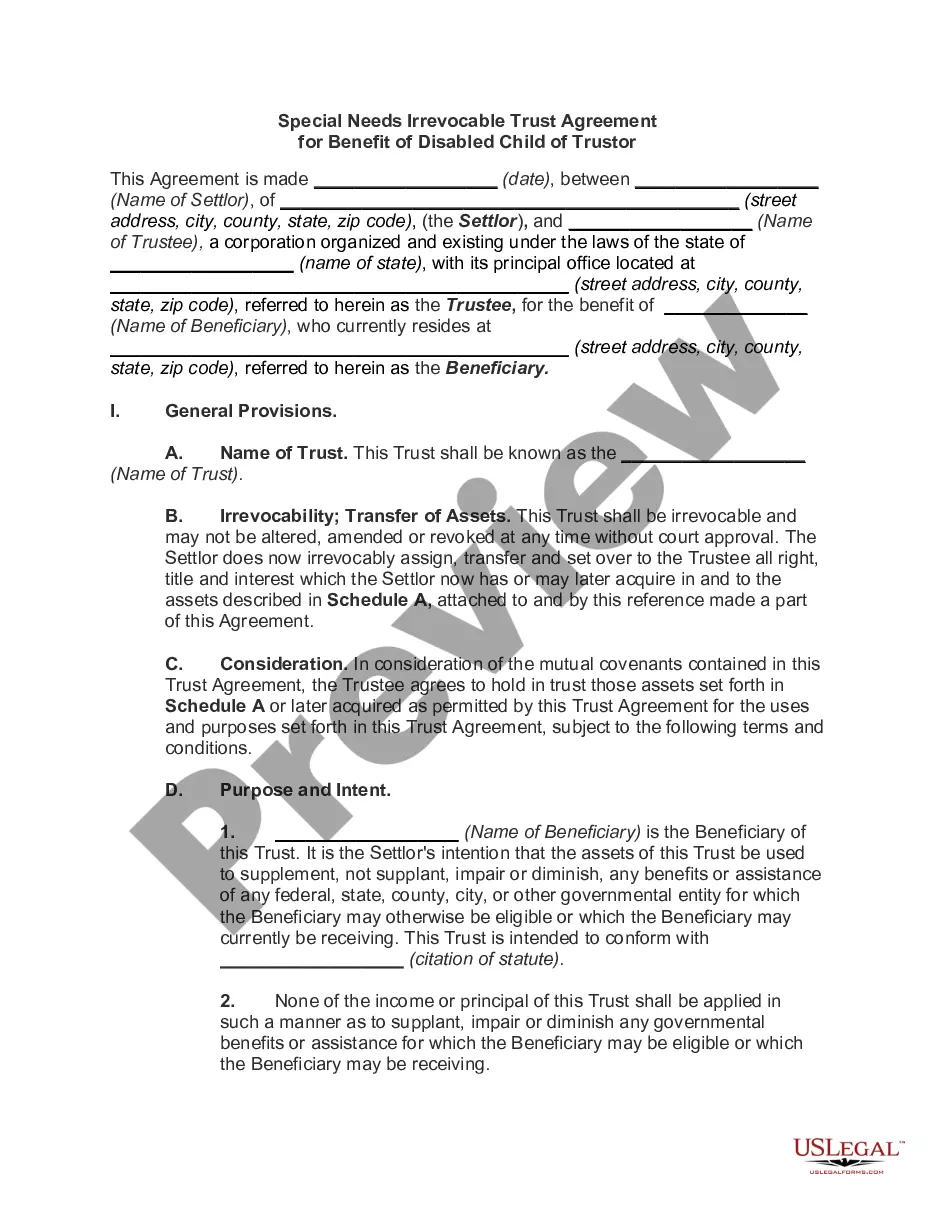






Form popularity
FAQ
After a deposition, settlement can happen in days, weeks, or months, depending on your case specifics. If a settlement isn't reached, the case may go to trial, where a judge or jury decides.
The General Municipal Law requires that a Notice of Claim be served within 90 days after the claim arises. Section 50-e2 The claim will normally arise on the date of the accident (e.g., slip and fall) or the event (e.g., assault) that has given rise to the claim.
Ask the County Clerk or search online for your county's probate forms. Fill out the forms with the requested details, such as the decedent's full name, address, date of birth, and date of death; their personal representatives' contact details; heirs; estate value; and more. Then return the forms to the County Clerk.
Submit your claim directly to the probate court and serve a copy on the personal representative. If you file a formal claim and the personal representative rejects it, you can file suit against the estate within three months of the rejection.
The order, together with the notice of settlement, must be served and presented to the court within sixty (60) days of the justice's decision. The party settling the order must also submit an original affidavit of service showing the proposed order and notice of settlement were served on all other parties to the case.
New York state law does not have a specific time limit for settling an estate.
To qualify for a small estate affidavit in New York, the total value of the deceased person's estate must be $50,000 or less, excluding real property like land or buildings. If the decedent owned real estate, the small estate procedure isn't an option. Instead, a formal probate process may be required.
Only an estate valued over $50,000 must be probated when there is a will. The court has a “small estate proceeding” when the estate is below $50,000.
Filing for a Small Estate If there is a Will, the Executor files the original Will and a certified death certificate with the small estate affidavit petition and other supporting documents in the Surrogate's Court in the county where the Decedent had their primary residence.
Probate involves several steps: Filing the probate petition. Give Notice. Inventorying the property. Paying outstanding debts and taxes. Distributing the remaining property as the will or state intestacy law directs.

