Claim Against Estate Document Format In Ohio
Description


Get your form ready online
Our built-in tools help you complete, sign, share, and store your documents in one place.
Make edits, fill in missing information, and update formatting in US Legal Forms—just like you would in MS Word.
Download a copy, print it, send it by email, or mail it via USPS—whatever works best for your next step.
Sign and collect signatures with our SignNow integration. Send to multiple recipients, set reminders, and more. Go Premium to unlock E-Sign.
If this form requires notarization, complete it online through a secure video call—no need to meet a notary in person or wait for an appointment.
We protect your documents and personal data by following strict security and privacy standards.

Make edits, fill in missing information, and update formatting in US Legal Forms—just like you would in MS Word.

Download a copy, print it, send it by email, or mail it via USPS—whatever works best for your next step.

Sign and collect signatures with our SignNow integration. Send to multiple recipients, set reminders, and more. Go Premium to unlock E-Sign.

If this form requires notarization, complete it online through a secure video call—no need to meet a notary in person or wait for an appointment.

We protect your documents and personal data by following strict security and privacy standards.
Looking for another form?
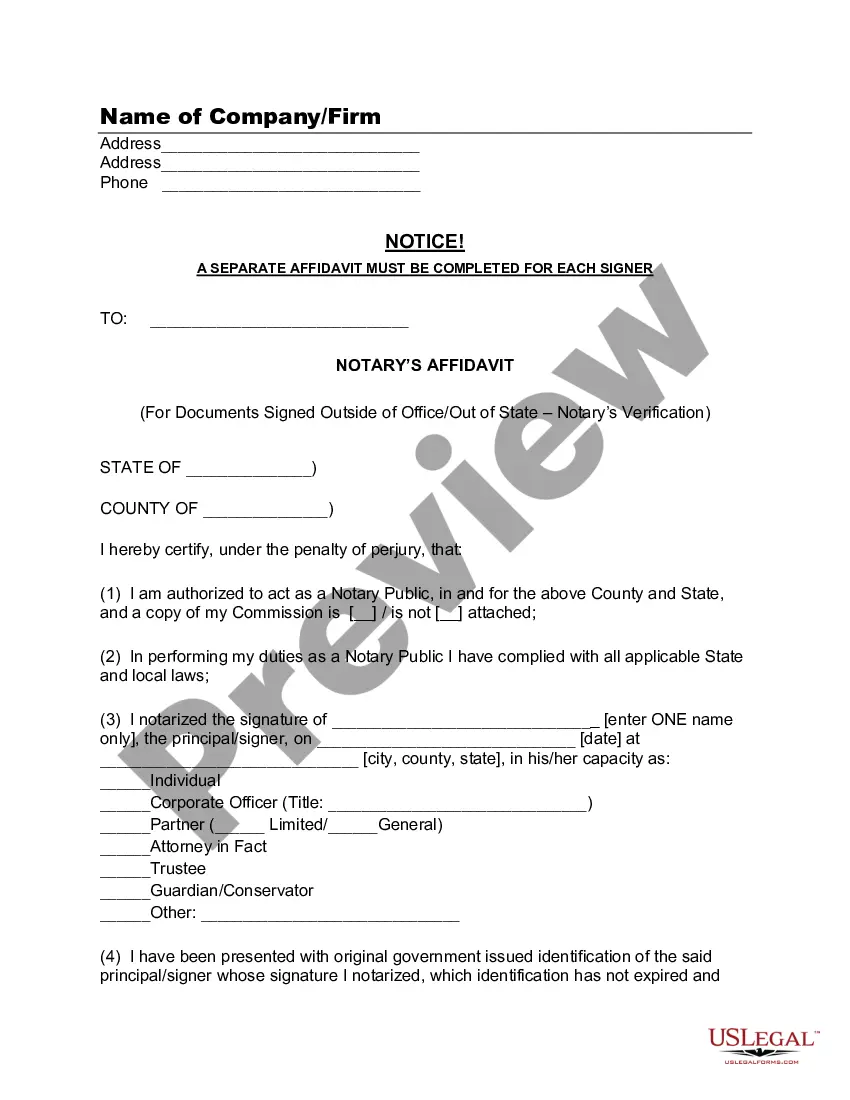
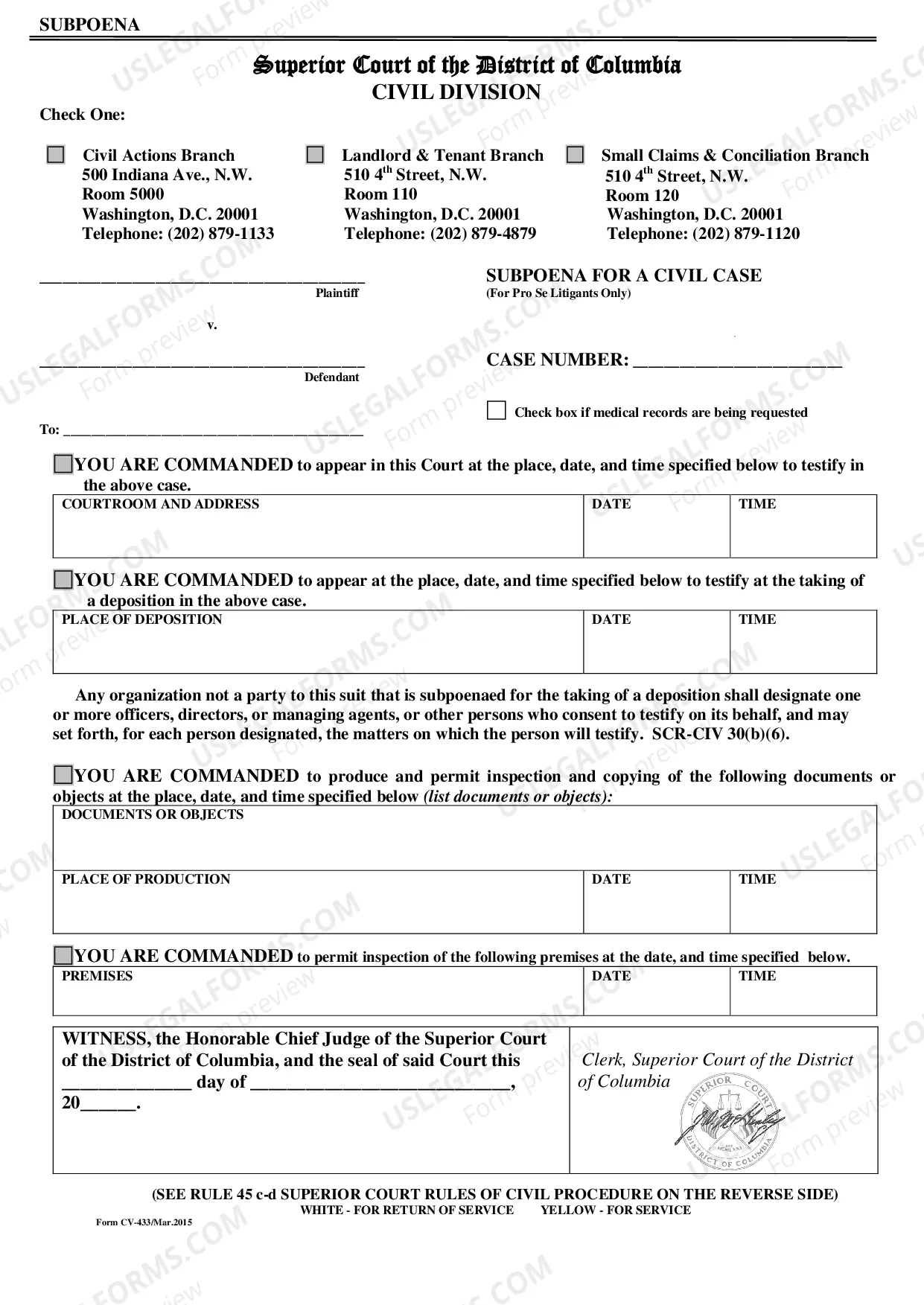

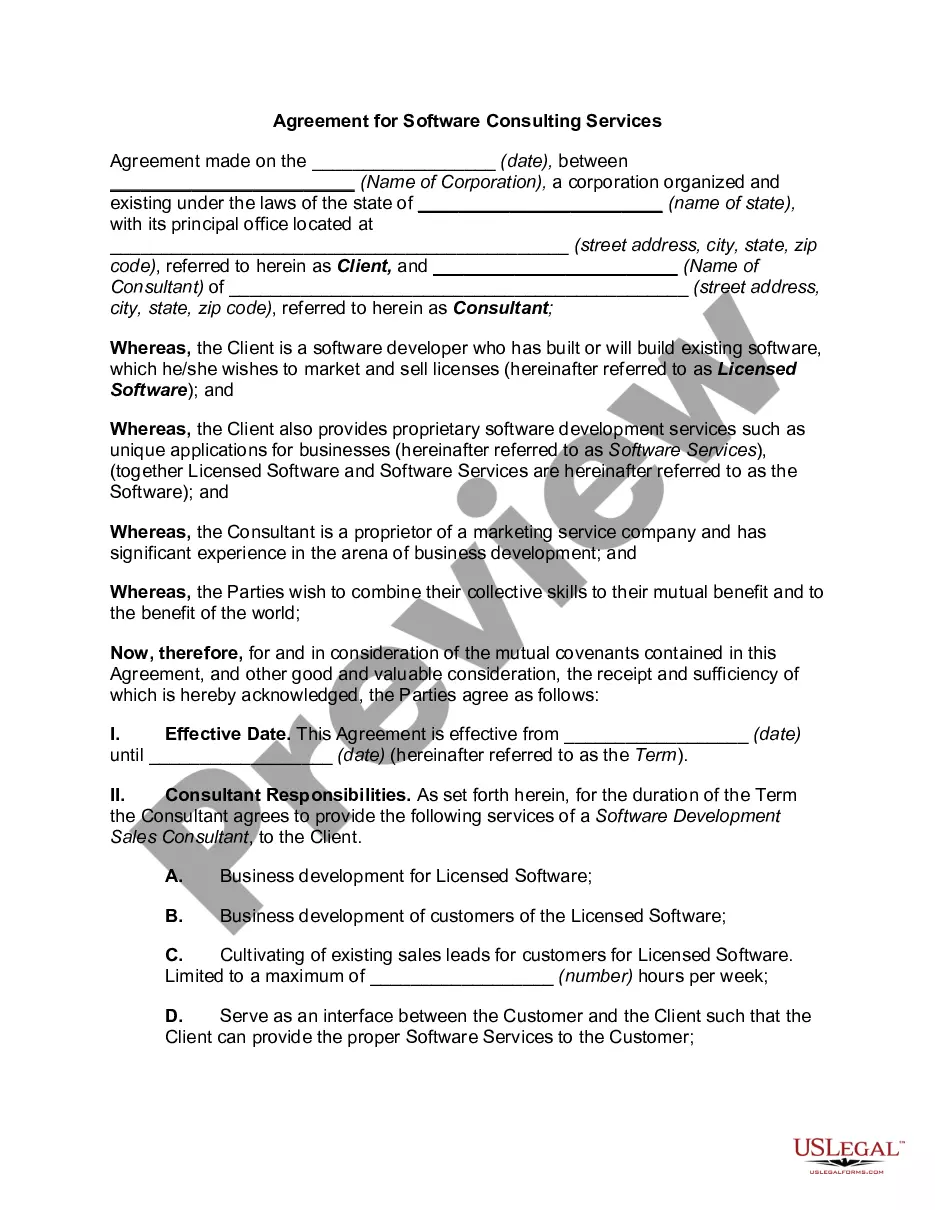

Form popularity
FAQ
If the executor or administrator distributes any part of the assets of the estate more than three months but less than one year after the death of the decedent, the executor or administrator shall be personally liable only to those claimants who present their claims before the time of distribution and within the time ...
To ensure the process is done correctly and in ance with Ohio's probate statutes, we strongly recommend hiring a probate attorney.
Personal representatives (i.e., executors and administrators of the estate) are required to provide beneficiaries and other interested parties (i.e., persons or entities with a financial stake in the estate) with financial information about the estate they are overseeing.
However, the court system does not require an attorney in order for a Will to be probated. You especially don't need an attorney if you are the only beneficiary of the estate, the estate's property only contains common assets, and the Will itself is simple and straightforward to follow.
(B)(1) Every administrator and executor, within six months after appointment, shall render a final and distributive account of the administrator's or executor's administration of the estate unless one or more of the following circumstances apply: (a) An Ohio estate tax return must be filed for the estate.
While timelines can vary, the process generally lasts between six months to a year for uncomplicated estates. Factors such as the size of the estate, outstanding debts or will disputes can significantly extend this period. For smaller estates, Ohio offers simplified probate options, which can expedite the process.
The decedent must have resided in Ohio at the time of death, and the affidavit must be filed in the probate court of the county where the decedent lived. The required documentation includes the completed affidavit form, a copy of the decedent's death certificate, and a list of assets.
Decedent's Estate 1.0: Surviving Spouse, Children, Next of Kin, Legatees, and Devisees. 2.0: Application to Probate Will. 2.1: Waiver of Notice of Probate of Will. 2.2: Notice of Probate of Will. 2.3: Entry Admitting Will to Probate. 2.4: Certificate of Service of Notice of Probate of Will. 3.0: Appointment of Appraiser.
To obtain your Ohio Certificate of Authority, you will submit an Application for Certificate of Authority, along with required certificates or certified copies from your home state. You will need to appoint a registered agent in order for your filing to be approved.
(B) Except as provided in section 2117.061 of the Revised Code, all claims shall be presented within six months after the death of the decedent, whether or not the estate is released from administration or an executor or administrator is appointed during that six-month period.

