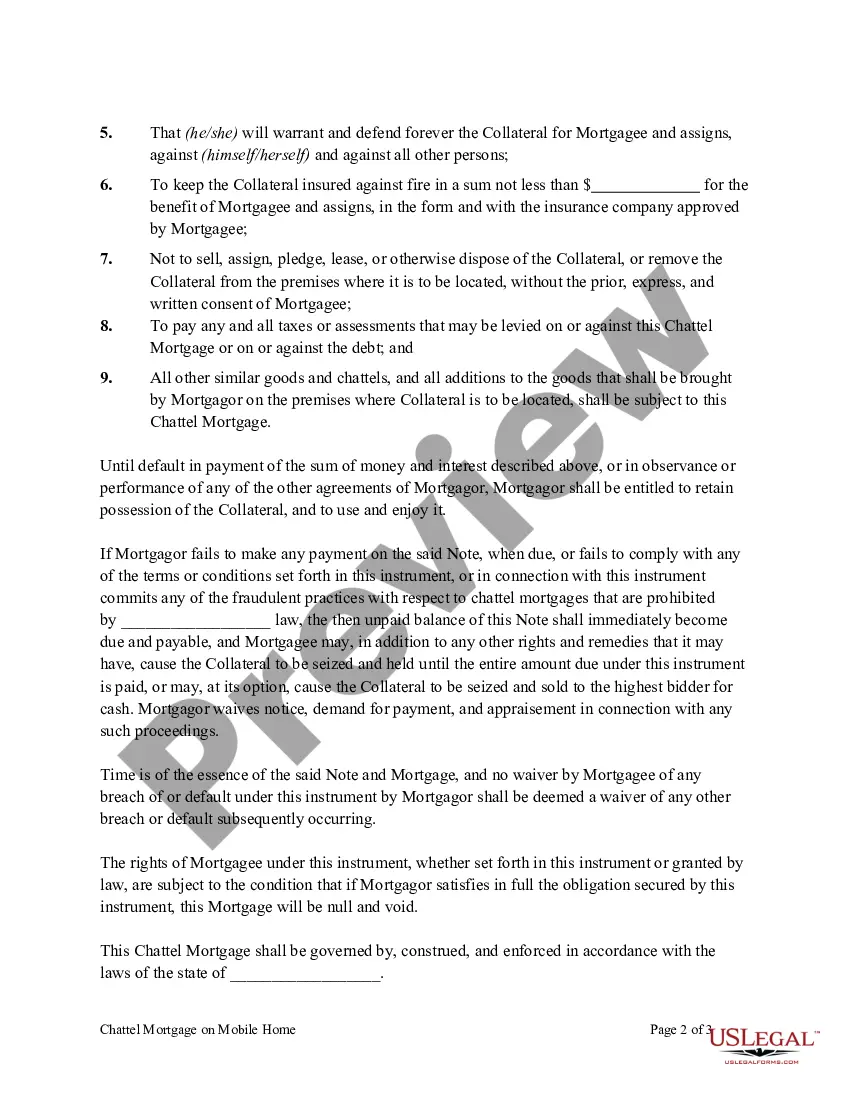
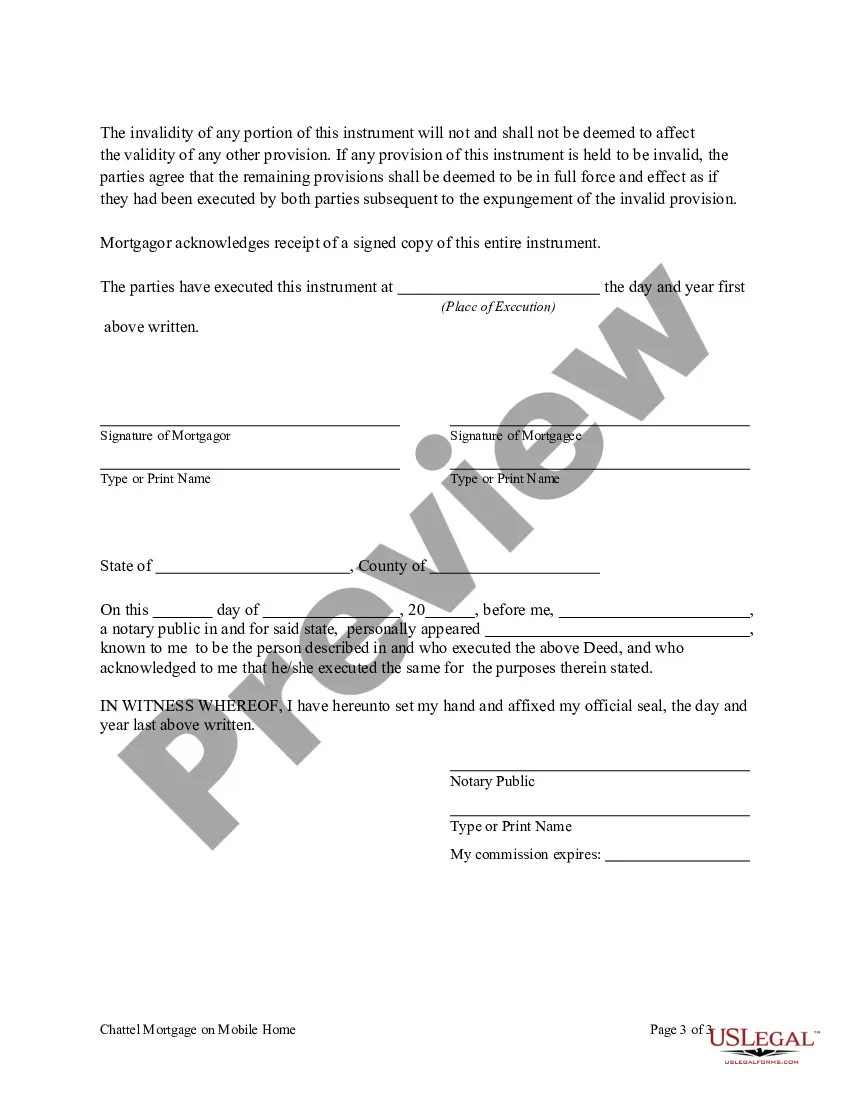
Chattel Form Paper Format In North Carolina
Description

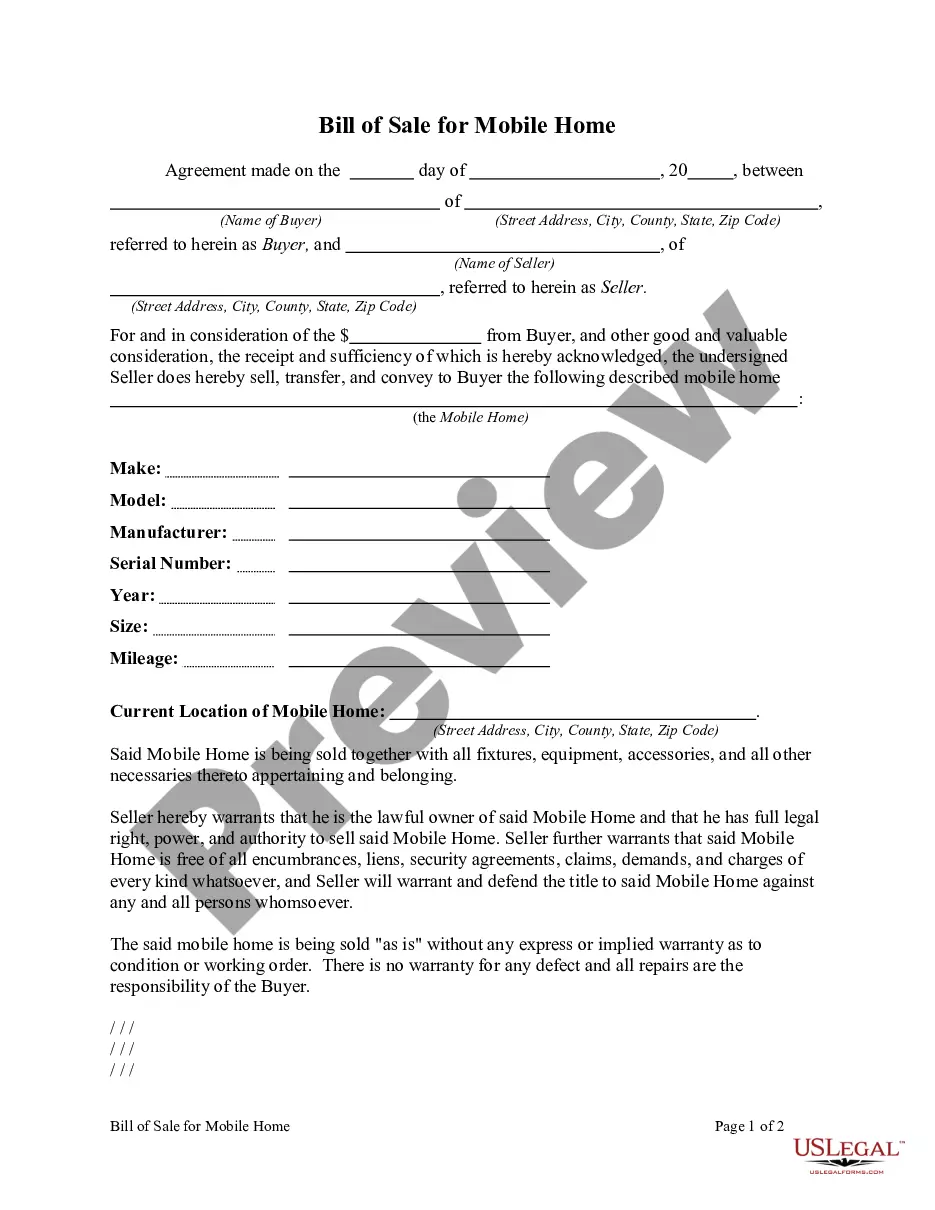
Get your form ready online
Our built-in tools help you complete, sign, share, and store your documents in one place.
Make edits, fill in missing information, and update formatting in US Legal Forms—just like you would in MS Word.
Download a copy, print it, send it by email, or mail it via USPS—whatever works best for your next step.
Sign and collect signatures with our SignNow integration. Send to multiple recipients, set reminders, and more. Go Premium to unlock E-Sign.
If this form requires notarization, complete it online through a secure video call—no need to meet a notary in person or wait for an appointment.
We protect your documents and personal data by following strict security and privacy standards.

Make edits, fill in missing information, and update formatting in US Legal Forms—just like you would in MS Word.

Download a copy, print it, send it by email, or mail it via USPS—whatever works best for your next step.

Sign and collect signatures with our SignNow integration. Send to multiple recipients, set reminders, and more. Go Premium to unlock E-Sign.

If this form requires notarization, complete it online through a secure video call—no need to meet a notary in person or wait for an appointment.

We protect your documents and personal data by following strict security and privacy standards.
Looking for another form?
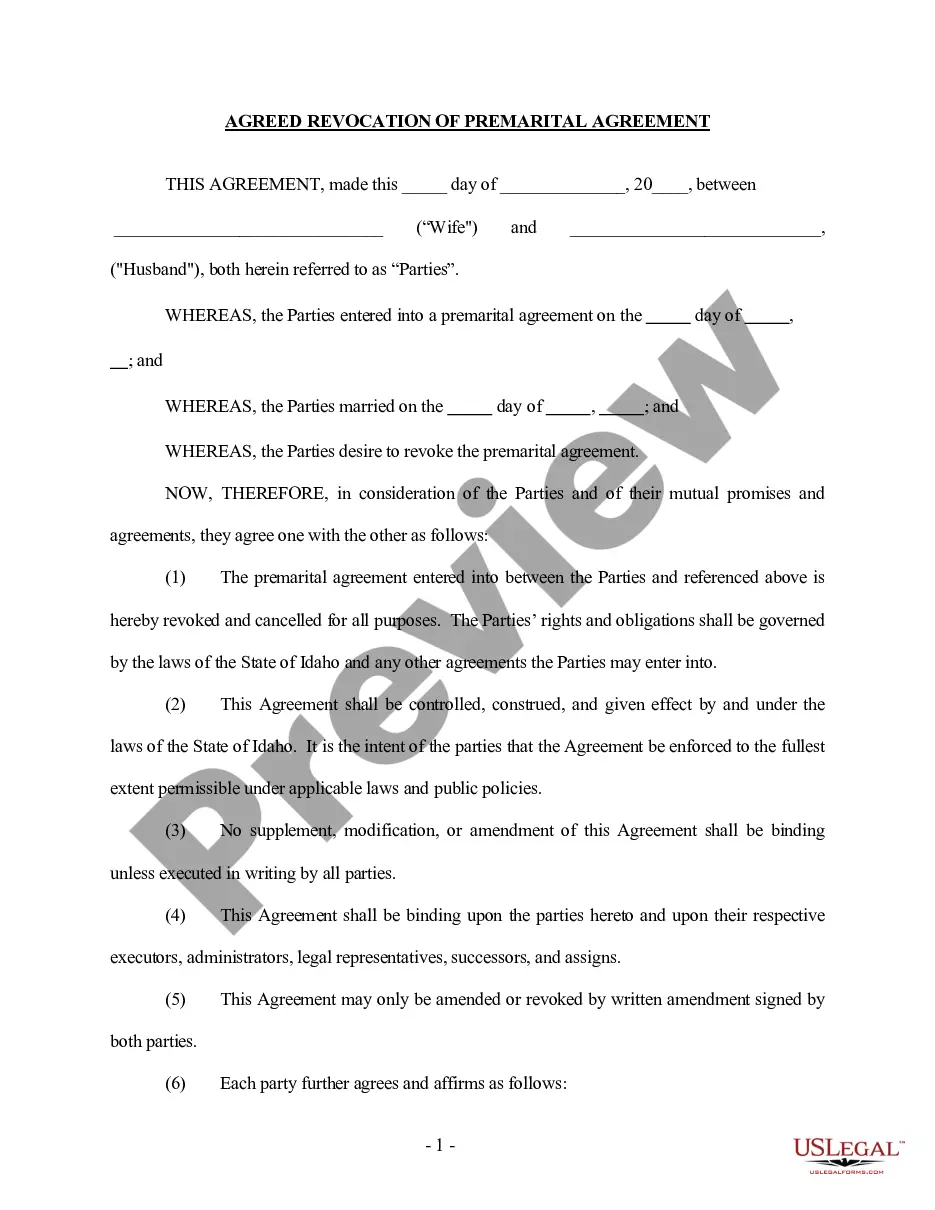






Form popularity
FAQ
"A deed seeking to convey an interest in land "is void unless it contains a description of the land sufficient to identify it or refers to something extrinsic by which land may be identified with certainty." Overton v. Boyce, 289 N.C. 291, 293, 221 S.E.2d 347, 348 (1976).
To be validly registered pursuant to G.S. 47‑20, a mortgage, deed of trust or conditional sales contract, or any combination of these, of both personal property and real property must be registered pursuant to the provisions of G.S. 47‑20.1 for the real property covered by the instrument and pursuant to the provisions ...
North Carolina is a “race to record state.” This means that the first person or entity to record the deed is the true and lawful owner of the property. Recording is the act of putting the deed on record in the Register of Deeds in the County in which the real property is located.
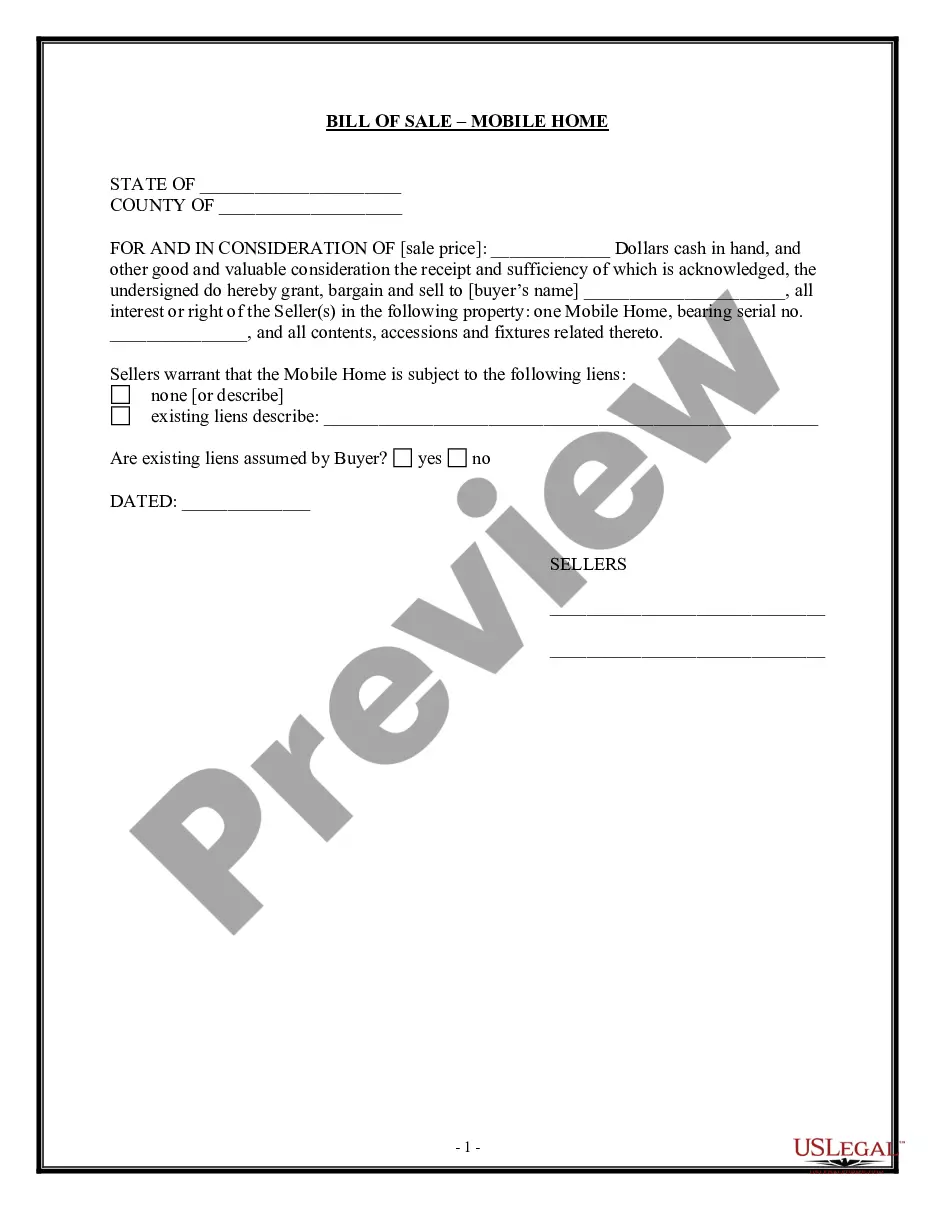
Chattel is personal property that is movable between locations, as opposed to real property, which has a fixed location. Common examples include mobile homes, furniture, and automobiles. This article explains what chattel is and how it is used as security in chattel mortgages.
Chattel property law is defined as any property that is not land or physical items that belong to the land. Chattel is movable goods and land cannot be moved. A house would not be considered chattel property because it is attached to the land.
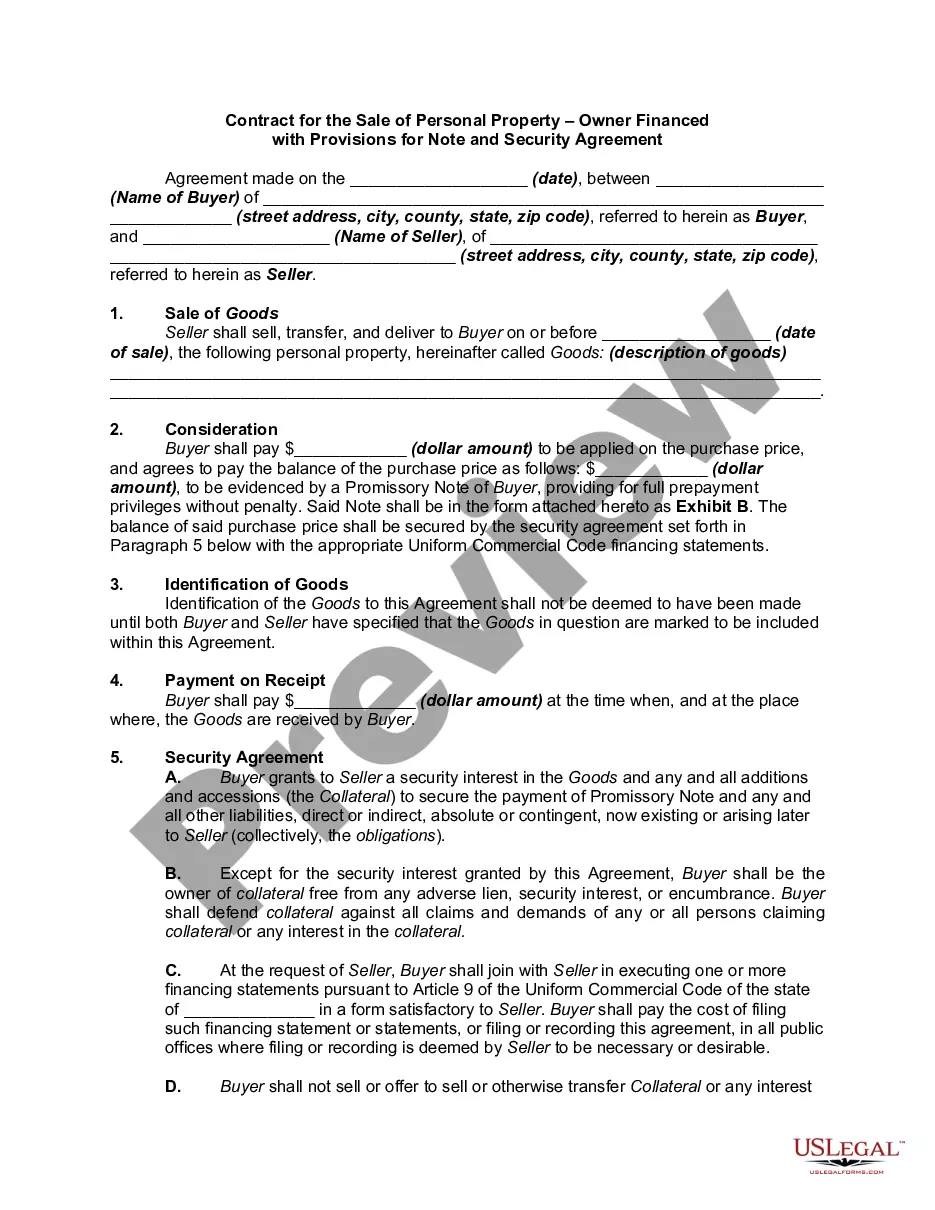
The se- curity or lease interest is embodied in a writing which evidences the debt. This writing constitutes the "chattel paper," which may consist of a conditional sales contract, a chattel mortgage, a security agreement or a chattel lease,2 with or without an accompanying negotiable instru- ment.
Chattel paper refers to a document used in secured transactions to sell property on credit while retaining some interest in the property.
Chattel is any tangible personal property that is movable. Examples of chattel are furniture, livestock, bedding, picture frames, and jewelry.
