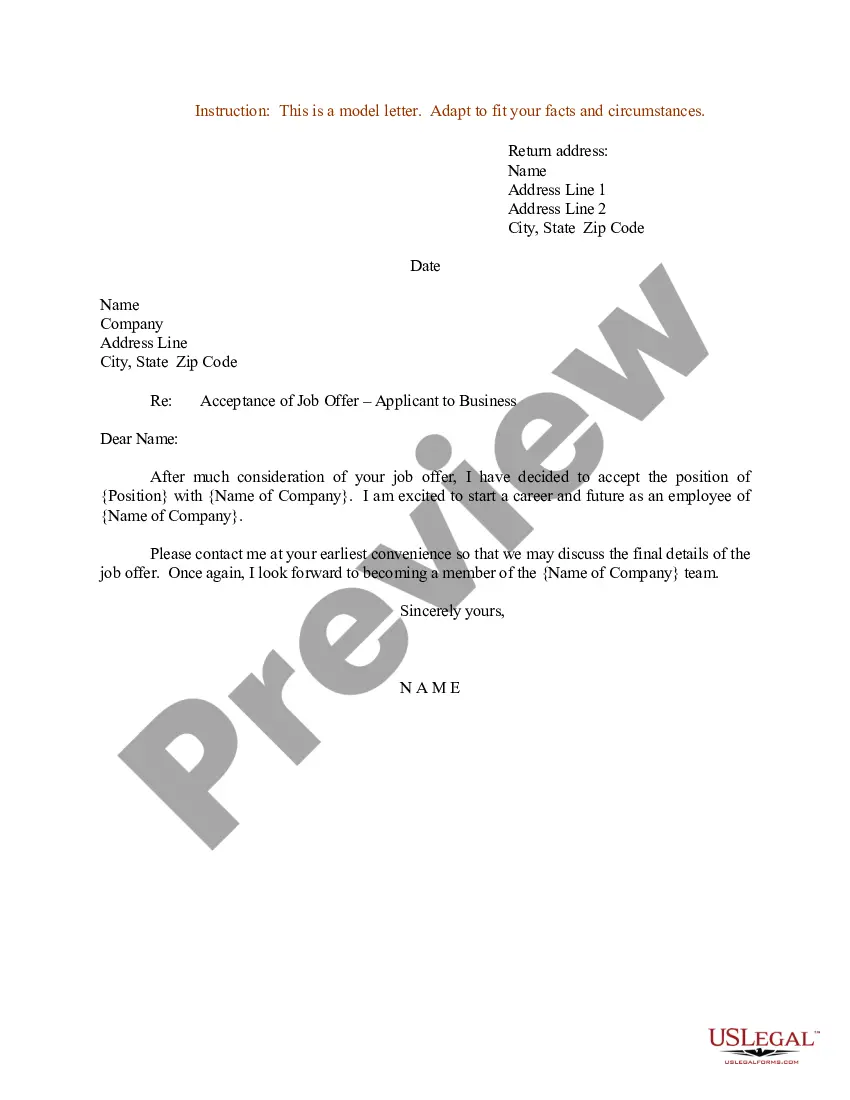
Sample Claim Statement With Case Laws In Broward
Description


Get your form ready online
Our built-in tools help you complete, sign, share, and store your documents in one place.
Make edits, fill in missing information, and update formatting in US Legal Forms—just like you would in MS Word.
Download a copy, print it, send it by email, or mail it via USPS—whatever works best for your next step.
Sign and collect signatures with our SignNow integration. Send to multiple recipients, set reminders, and more. Go Premium to unlock E-Sign.
If this form requires notarization, complete it online through a secure video call—no need to meet a notary in person or wait for an appointment.
We protect your documents and personal data by following strict security and privacy standards.

Make edits, fill in missing information, and update formatting in US Legal Forms—just like you would in MS Word.

Download a copy, print it, send it by email, or mail it via USPS—whatever works best for your next step.

Sign and collect signatures with our SignNow integration. Send to multiple recipients, set reminders, and more. Go Premium to unlock E-Sign.

If this form requires notarization, complete it online through a secure video call—no need to meet a notary in person or wait for an appointment.

We protect your documents and personal data by following strict security and privacy standards.
Looking for another form?







Form popularity
FAQ
A small claims action begins by filing a Statement of Claim. Small claim cases should be filed with the clerk in the appropriate county. Filing fees for small claims actions are established in the Florida Statutes and local county ordinances. The clerk of court may be able to provide information on filing fees.
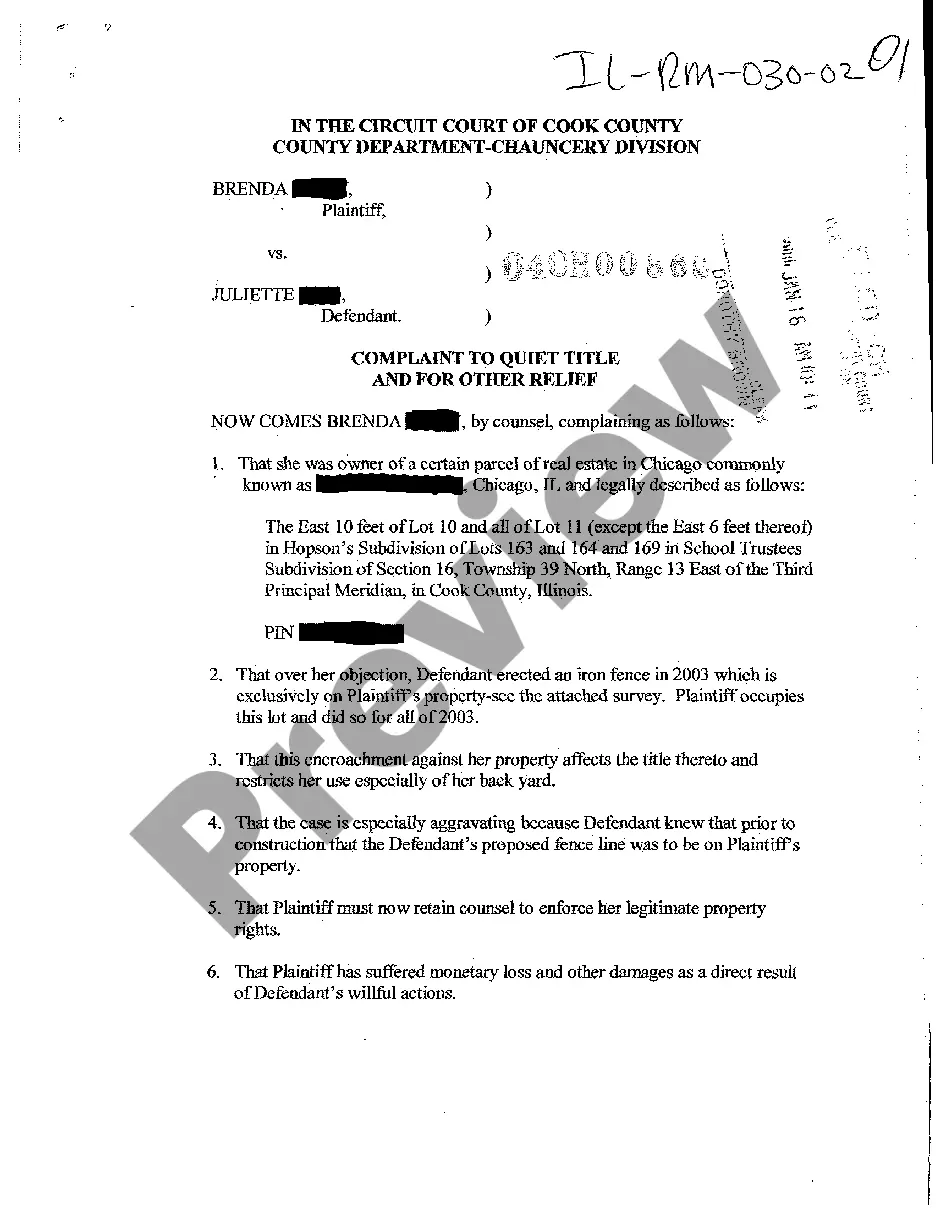
You, the plaintiff, must file a “Statement of Claim” form, available at your Clerk's office. This must be fully completed and signed to receive a pre-trial conference date. If your claim is based upon written documentation, attach a copy of the contract to the Statement of Claim form. You may file by mail or in person.
Online requests can be submitted by clicking "Make Request". You can also submit your request by emailing publicrecords@browardvotes, calling (954) 712-1969, in person at our Main Office at 115 S. Andrews Avenue, Room 102, Fort Lauderdale, FL 33301. Make a new public records request.
A small claims action begins by filing a Statement of Claim. Small claim cases should be filed with the clerk in the appropriate county. Filing fees for small claims actions are established in the Florida Statutes and local county ordinances. The clerk of court may be able to provide information on filing fees.
Division, Address and Room NumberHours of Operation and Phone Numbers Evidence Central Courthouse Judicial Complex, West Building 201 S.E. 6th Street Fort Lauderdale, FL 33301 Monday - Friday a.m. - p.m. Excluding Holidays 954-831-5537 954-831-553922 more rows
How Do I Find Public Records in Florida? For arrest records, contact the Sheriff's Office where the arrest was made. For vital records, visit the Florida Bureau of Vital Statistics. For inmate records, visit the Florida Department of Corrections (FDC). For court records, contact the clerk at the appropriate court.
As in with the Miami-Dade Status Quo Order, the Broward Status Quo Order commands that neither parent will permanently remove, cause to be removed, no permit the removal of any minor child of the parties to a location greater than fifty (50) miles from the principal residence of a parent.
A small claims action begins by filing a Statement of Claim. Small claim cases should be filed with the clerk in the appropriate county. Filing fees for small claims actions are established in the Florida Statutes and local county ordinances. The clerk of court may be able to provide information on filing fees.
How long you have to file a claim in court, notably Small Claims Court, varies depending on the topic and circumstances of the respective litigation. Chapter 95.11, Florida Statutes, explains that a person has between one and five years.