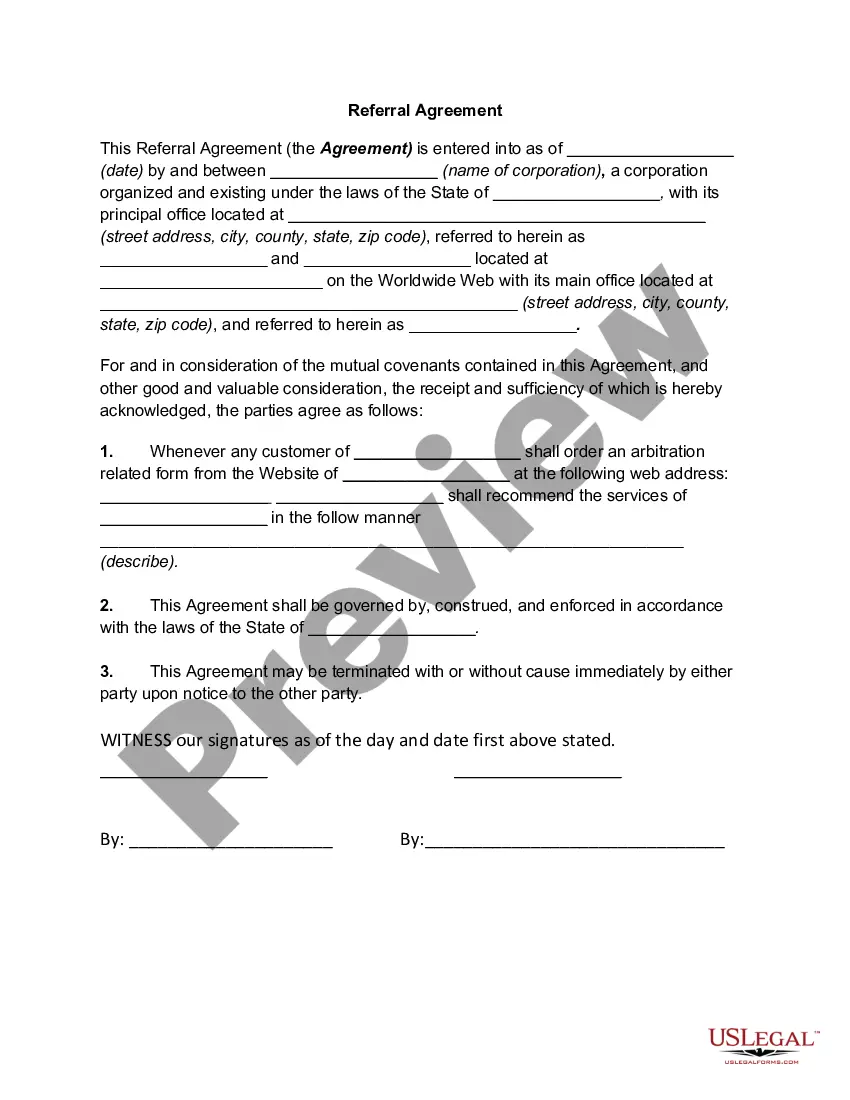
Claim Against Estate File Format In Bronx
Description


Get your form ready online
Our built-in tools help you complete, sign, share, and store your documents in one place.
Make edits, fill in missing information, and update formatting in US Legal Forms—just like you would in MS Word.
Download a copy, print it, send it by email, or mail it via USPS—whatever works best for your next step.
Sign and collect signatures with our SignNow integration. Send to multiple recipients, set reminders, and more. Go Premium to unlock E-Sign.
If this form requires notarization, complete it online through a secure video call—no need to meet a notary in person or wait for an appointment.
We protect your documents and personal data by following strict security and privacy standards.

Make edits, fill in missing information, and update formatting in US Legal Forms—just like you would in MS Word.

Download a copy, print it, send it by email, or mail it via USPS—whatever works best for your next step.

Sign and collect signatures with our SignNow integration. Send to multiple recipients, set reminders, and more. Go Premium to unlock E-Sign.

If this form requires notarization, complete it online through a secure video call—no need to meet a notary in person or wait for an appointment.

We protect your documents and personal data by following strict security and privacy standards.
Looking for another form?







Form popularity
FAQ
Filing a claim requires the use of a Judicial Council creditor's claim form, which is available at the courthouse or on the Judicial Council website. A creditor must then serve a copy of the claim upon the person appointed as the personal representative of the decedent's estate.
Submit your claim directly to the probate court and serve a copy on the personal representative. If you file a formal claim and the personal representative rejects it, you can file suit against the estate within three months of the rejection.
How to Submit a Claim A copy of the death certificate. Proof of Address or Ownership connecting the owner to the address or funds. Letters of Authority (Testamentary/Administration) issued by the court certifying your appointment, dated within the last six months, or a Small Estates Affidavit and Table of Heirs.
Filing a claim against an estate is a fairly simple process: In the claim, you'll state under oath that the debt is owed and provide details on the amount of the debt and any payments the decedent made. If you have written documentation, you can attach it to your claim.
Understanding the Deceased Estate 3-Year Rule The core premise of the 3-year rule is that if the deceased's estate is not claimed or administered within three years of their death, the state or governing body may step in and take control of the distribution and management of the assets.
Only an estate valued over $50,000 must be probated when there is a will. The court has a “small estate proceeding” when the estate is below $50,000.
To qualify for a small estate affidavit in New York, the total value of the deceased person's estate must be $50,000 or less, excluding real property like land or buildings. If the decedent owned real estate, the small estate procedure isn't an option. Instead, a formal probate process may be required.
To qualify for a small estate affidavit in New York, the total value of the deceased person's estate must be $50,000 or less, excluding real property like land or buildings. If the decedent owned real estate, the small estate procedure isn't an option. Instead, a formal probate process may be required.
In New York, creditors typically have seven months from the date the executor is appointed to file claims against the estate. This period, known as the "creditor's claim period," is crucial for settling the estate's debts.
How to Submit a Claim A copy of the death certificate. Proof of Address or Ownership connecting the owner to the address or funds. Letters of Authority (Testamentary/Administration) issued by the court certifying your appointment, dated within the last six months, or a Small Estates Affidavit and Table of Heirs.