Agreement Letter For Utang In Harris
Description
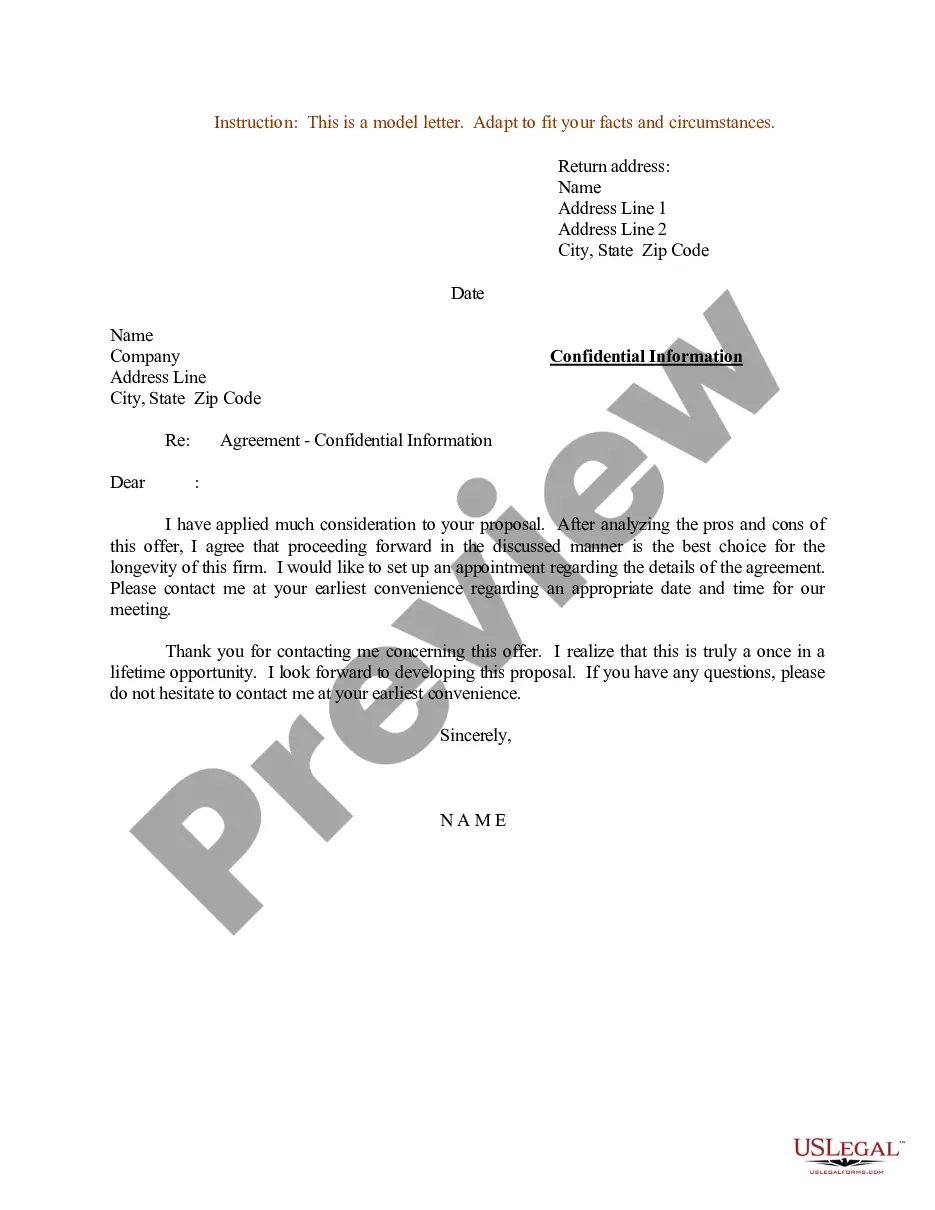
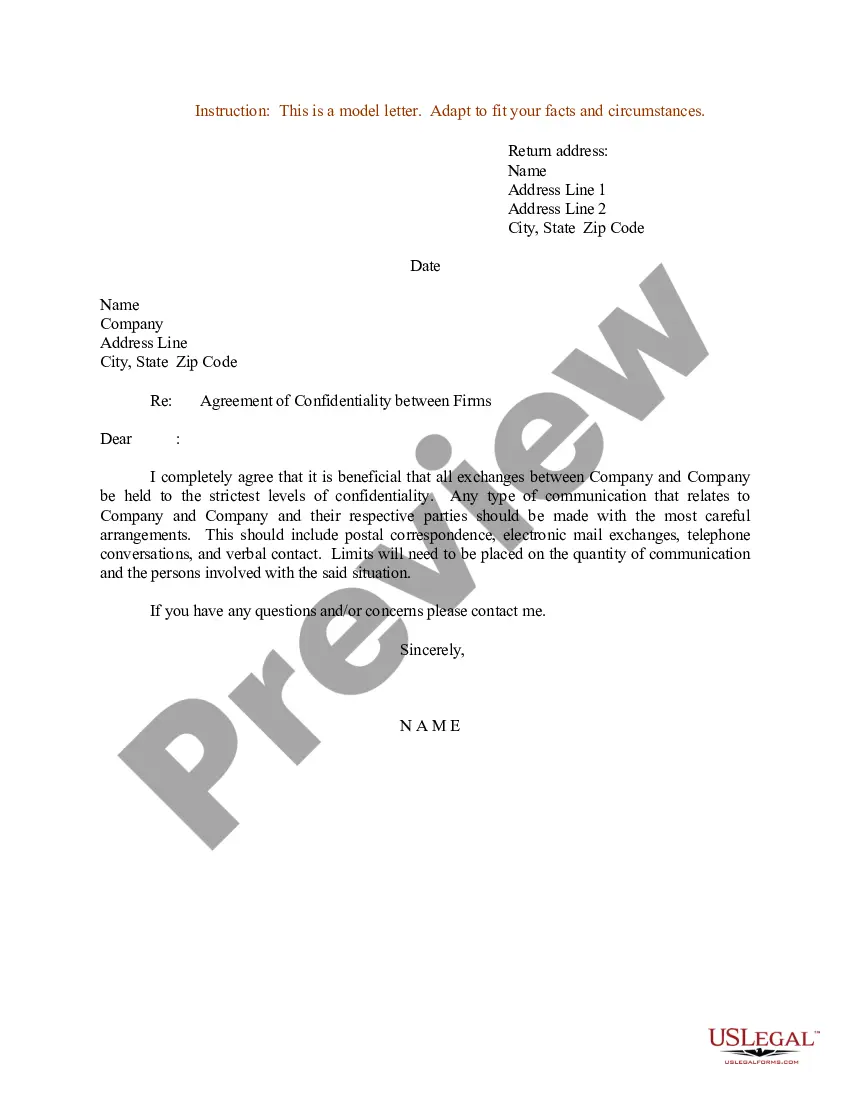
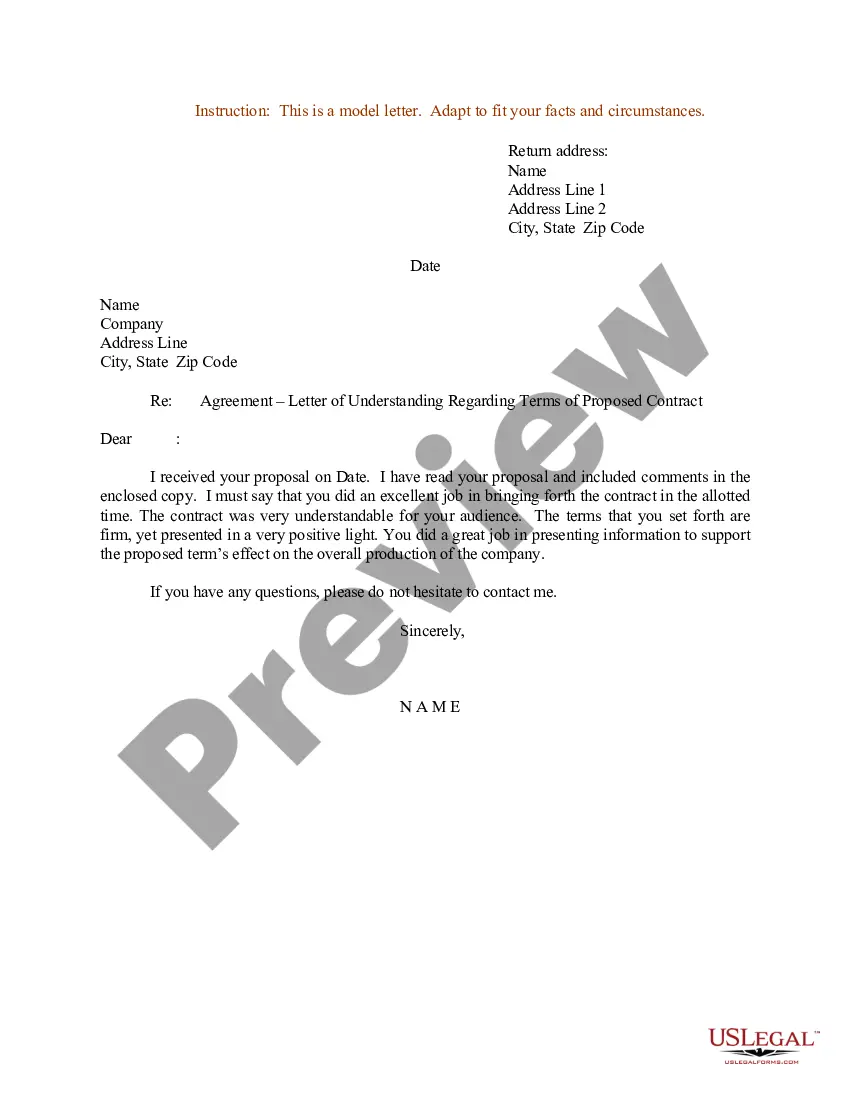
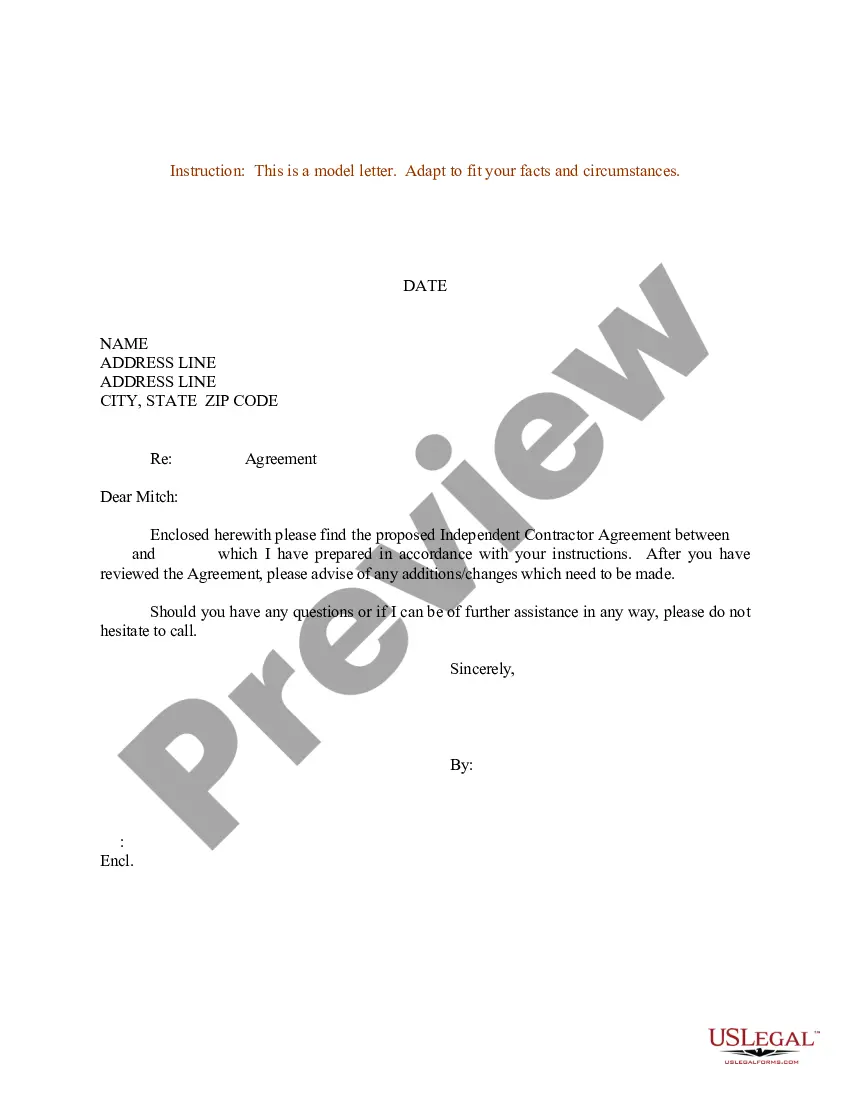
Get your form ready online
Our built-in tools help you complete, sign, share, and store your documents in one place.
Make edits, fill in missing information, and update formatting in US Legal Forms—just like you would in MS Word.
Download a copy, print it, send it by email, or mail it via USPS—whatever works best for your next step.
Sign and collect signatures with our SignNow integration. Send to multiple recipients, set reminders, and more. Go Premium to unlock E-Sign.
If this form requires notarization, complete it online through a secure video call—no need to meet a notary in person or wait for an appointment.
We protect your documents and personal data by following strict security and privacy standards.

Make edits, fill in missing information, and update formatting in US Legal Forms—just like you would in MS Word.

Download a copy, print it, send it by email, or mail it via USPS—whatever works best for your next step.

Sign and collect signatures with our SignNow integration. Send to multiple recipients, set reminders, and more. Go Premium to unlock E-Sign.

If this form requires notarization, complete it online through a secure video call—no need to meet a notary in person or wait for an appointment.

We protect your documents and personal data by following strict security and privacy standards.
Looking for another form?









Form popularity
FAQ
In December 2021, debt held by the public was estimated at 96.19% of GDP, and approximately 33% of this public debt was owned by foreigners (government and private). The ratio of debt to GDP may decrease as a result of a government surplus or via growth of GDP and inflation.
Since the U.S. dollar has a variable exchange rate, however, any sale by any nation holding huge U.S. debt or dollar reserves will trigger the adjustment of the trade balance at the international level. The offloaded U.S. reserves by China will either end up with another nation or will return to the U.S.
The U.S. credit rating "would almost certainly be downgraded," the White House said in a December 2021 post about the effects of a default, "and interest rates would broadly rise for many consumer loans, making products like auto loans and mortgages more expensive for families who are subject to interest rate changes ...
Foreign holders of United States treasury debt Of the total held by foreign countries, Japan and Mainland China held the greatest portions, with China holding 759 billion U.S. dollars in U.S. securities.
Up until the week before his death in May 1995, Durst himself adjusted the tally via modem. After his death, his son Douglas became president of the Durst Organization, which owns and maintains the clock. Artkraft Strauss has been keeping the figures current since then.
The debt ceiling, which had been suspended since June 2023, was reinstated on January 2, 2025 at $36.1 trillion — the level of debt at the end of the suspension period.
The debt ceiling is a limit on how much the Treasury can borrow, defined by Congress. It's essentially an arbitrary limit; there's no particular reason for it being what it is; Congress simply raises it whenever necessary.

