Agreement Letter For Child Support In Collin
Description
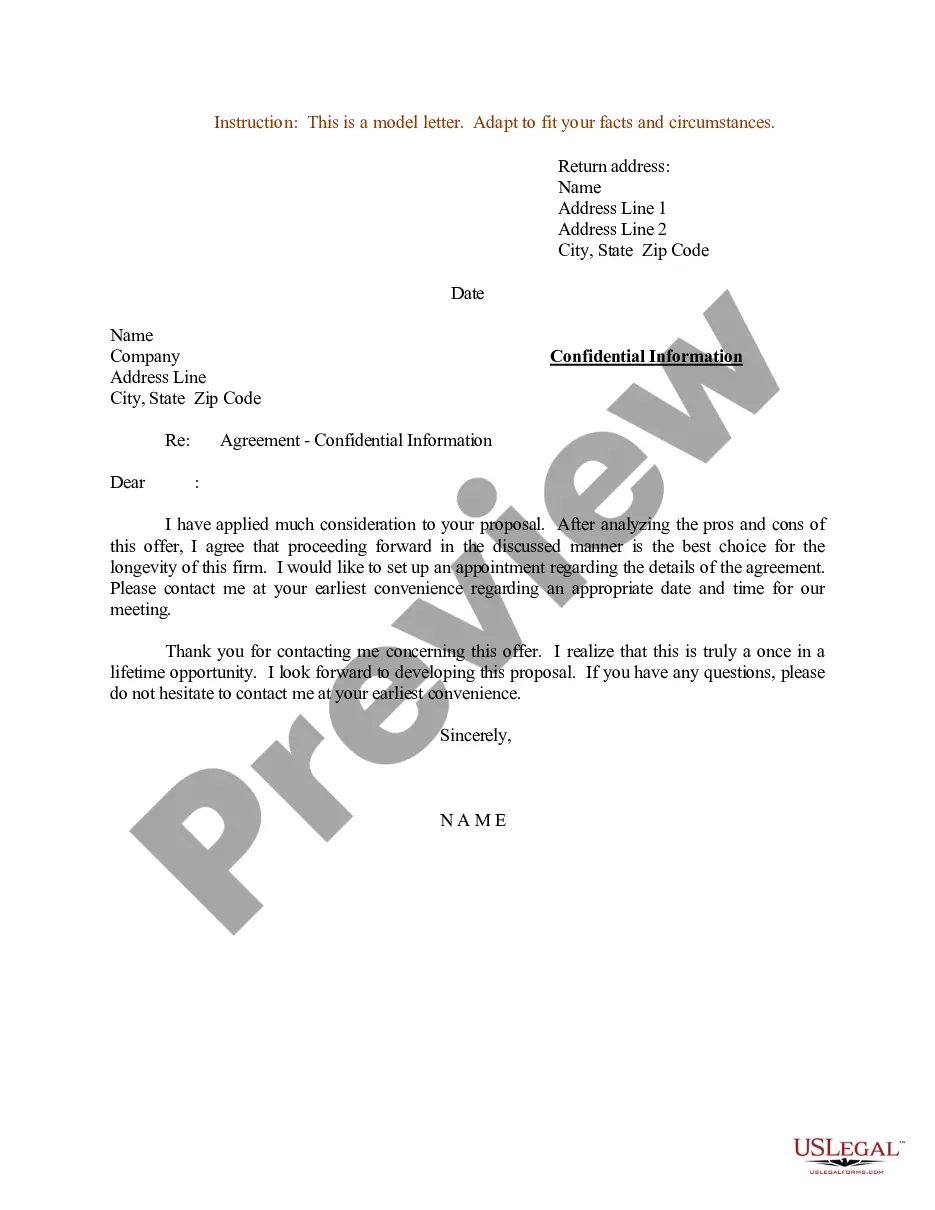
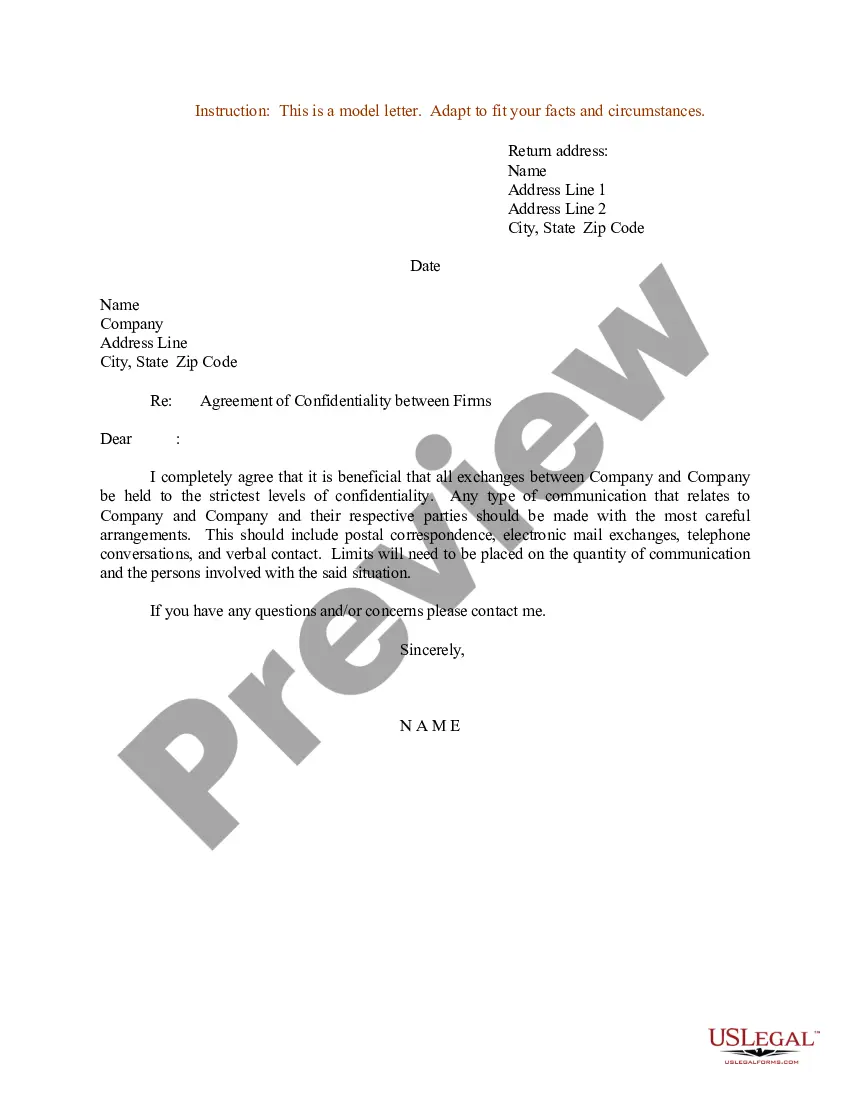
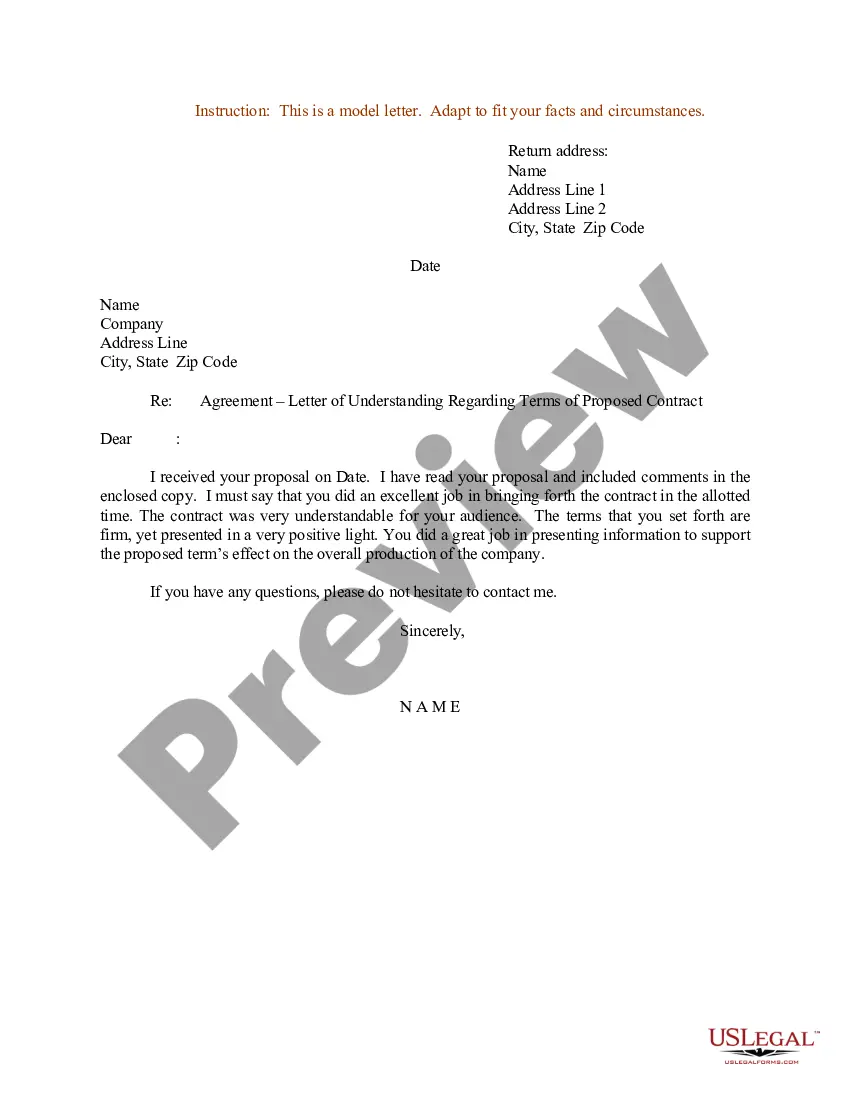
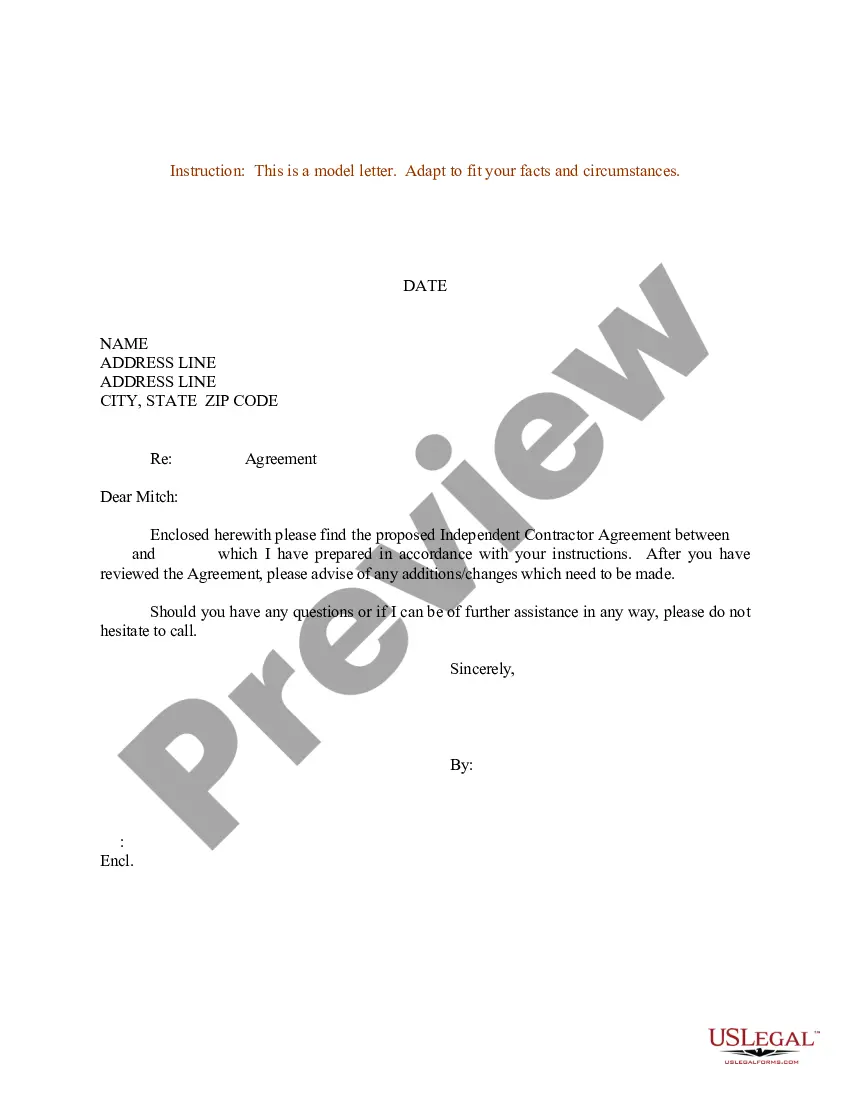
Get your form ready online
Our built-in tools help you complete, sign, share, and store your documents in one place.
Make edits, fill in missing information, and update formatting in US Legal Forms—just like you would in MS Word.
Download a copy, print it, send it by email, or mail it via USPS—whatever works best for your next step.
Sign and collect signatures with our SignNow integration. Send to multiple recipients, set reminders, and more. Go Premium to unlock E-Sign.
If this form requires notarization, complete it online through a secure video call—no need to meet a notary in person or wait for an appointment.
We protect your documents and personal data by following strict security and privacy standards.

Make edits, fill in missing information, and update formatting in US Legal Forms—just like you would in MS Word.

Download a copy, print it, send it by email, or mail it via USPS—whatever works best for your next step.

Sign and collect signatures with our SignNow integration. Send to multiple recipients, set reminders, and more. Go Premium to unlock E-Sign.

If this form requires notarization, complete it online through a secure video call—no need to meet a notary in person or wait for an appointment.

We protect your documents and personal data by following strict security and privacy standards.
Looking for another form?

Form popularity
FAQ
To get a copy of your custody order in Texas, you can contact the district clerk's office in the county where the custody case was filed. You can also search for your case number online using public access systems provided by the Texas court system.
In Texas, child support is a legal obligation typically enforced through court orders. However, parents may agree to support arrangements without involving the court. These informal agreements can be flexible and tailored to the family's needs but lack the legal enforcement of court-ordered payments.
How To File For Custody of a Child in Texas Step 1: Determine the Correct Court. Step 2: Complete the Required Forms. Step 3: File the Petition. Step 4: Serve the Other Parent. Step 5: Prepare for Mediation. Step 6: Attend the Court Hearing. Step 7: Follow the Court's Decision.
If you have a question, concern or change regarding information contained in or submitted via our child support interactive service, please contact us at child.support@oag.texas.
Texas Family Code 154.124 allows parents to make their own agreements regarding child support payments. This includes agreements where one parent agrees not to receive child support payments. However, it's crucial to understand that such agreements are not automatically binding.
You can also contact the Child Support Division of the Office of the Attorney General (OAG). The OAG will not represent you the way a lawyer would, but they can go to court to get an order for child support, custody, and visitation. You can contact the OAG at (800) 255-8014 or through their website.

