Appointed Director Without Consent In Wayne
Description
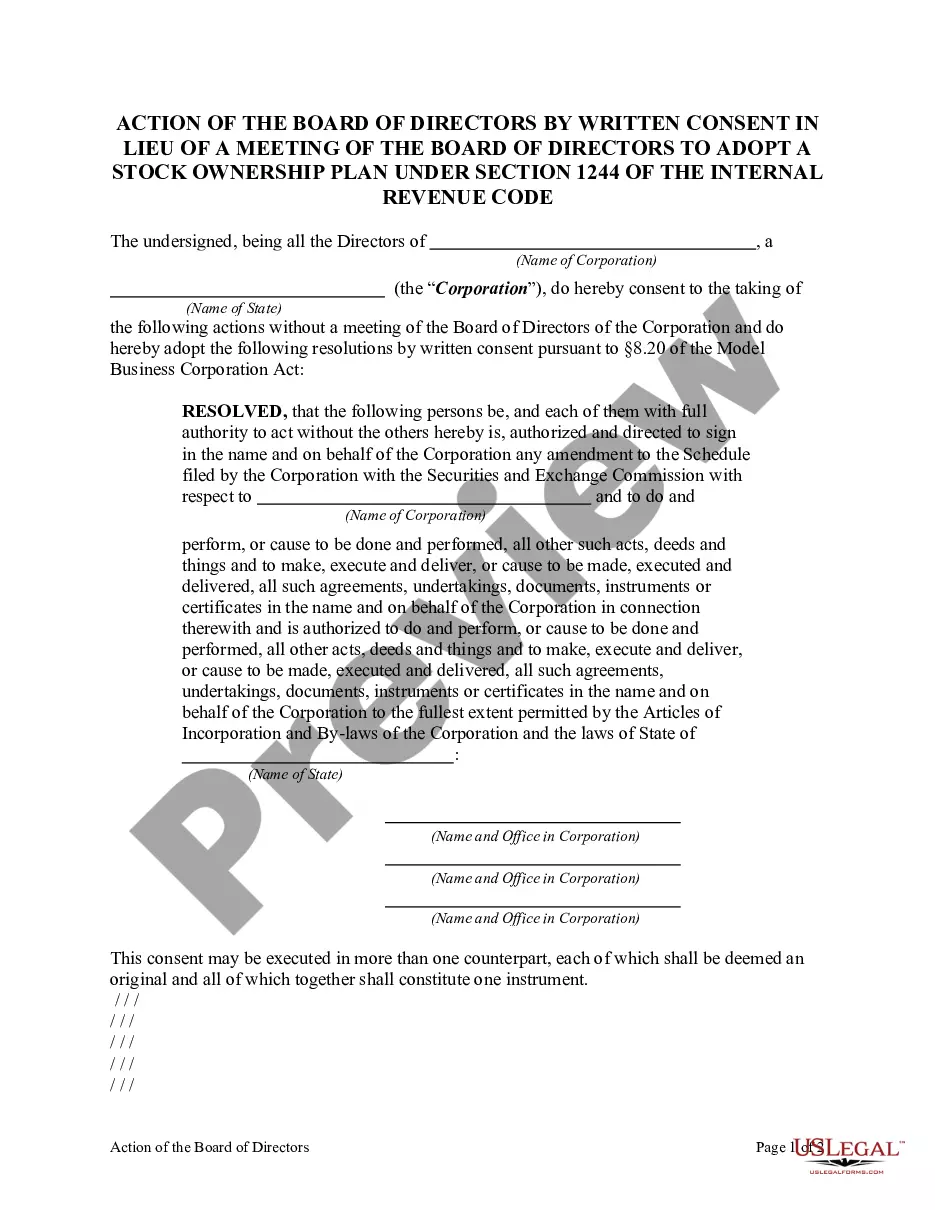

Get your form ready online
Our built-in tools help you complete, sign, share, and store your documents in one place.
Make edits, fill in missing information, and update formatting in US Legal Forms—just like you would in MS Word.
Download a copy, print it, send it by email, or mail it via USPS—whatever works best for your next step.
Sign and collect signatures with our SignNow integration. Send to multiple recipients, set reminders, and more. Go Premium to unlock E-Sign.
If this form requires notarization, complete it online through a secure video call—no need to meet a notary in person or wait for an appointment.
We protect your documents and personal data by following strict security and privacy standards.

Make edits, fill in missing information, and update formatting in US Legal Forms—just like you would in MS Word.

Download a copy, print it, send it by email, or mail it via USPS—whatever works best for your next step.

Sign and collect signatures with our SignNow integration. Send to multiple recipients, set reminders, and more. Go Premium to unlock E-Sign.

If this form requires notarization, complete it online through a secure video call—no need to meet a notary in person or wait for an appointment.

We protect your documents and personal data by following strict security and privacy standards.
Looking for another form?








Form popularity
FAQ
Directors are not just those who are registered as directors at Companies House. They are anyone who acts as a director, whether they are called directors or not. They include directors who have been appointed by the company but never properly registered.
Both the manger and CEO need not be directors of the Company. However both will be treated as officers who are in default. The definition of 'Chief Executive Officer' as discussed above is to be referred for all the purposes except where the context otherwise provides.
Your company must have at least one director. Directors are legally responsible for running the company and making sure company accounts and reports are properly prepared. A director must be 16 or over and not be disqualified from being a director.
Who cannot be a company director. In certain circumstances, a person is automatically disqualified from being a company director. This includes, but is not limited to, if they are an undischarged bankrupt or have been convicted of certain types of offences.
Directors are not just those who are registered as directors at Companies House. They are anyone who acts as a director, whether they are called directors or not. They include directors who have been appointed by the company but never properly registered.
Shareholder Vote - In many jurisdictions, directors can be removed by a majority vote of the shareholders. If the company's bylaws allow, shareholders can call a meeting and vote to remove the director, even if they do not consent.
Most commonly, directors are appointed by the shareholders at the Annual General Meeting (AGM), or in extreme circumstances, at an Extraordinary General Meeting (EGM). A resolution for the appointment is put to a vote, and passed if a majority of shares are voted in favour.
IN LIGHT OF THE ECONOMIC CRIME & CORPORATE TRANSPARENCY ACT 2023, THIS TEMPLATE IS CURRENTLY UNDER REVIEW. This Director's Consent to Act allows a prospective director to confirm that he/she is a fit and proper person to act as a director of a company.
How to remove a director under the company's articles of association they resign. a majority of the company shareholders vote them out by ordinary resolution. they're stopped from being a director by a court or in law. they become bankrupt or similar.
A director may be removed by: An ordinary resolution adopted at a shareholders' meeting by the persons entitled to exercise voting rights in the election of that director.
