Made A Director Without Consent In San Antonio
Description


Get your form ready online
Our built-in tools help you complete, sign, share, and store your documents in one place.
Make edits, fill in missing information, and update formatting in US Legal Forms—just like you would in MS Word.
Download a copy, print it, send it by email, or mail it via USPS—whatever works best for your next step.
Sign and collect signatures with our SignNow integration. Send to multiple recipients, set reminders, and more. Go Premium to unlock E-Sign.
If this form requires notarization, complete it online through a secure video call—no need to meet a notary in person or wait for an appointment.
We protect your documents and personal data by following strict security and privacy standards.

Make edits, fill in missing information, and update formatting in US Legal Forms—just like you would in MS Word.

Download a copy, print it, send it by email, or mail it via USPS—whatever works best for your next step.

Sign and collect signatures with our SignNow integration. Send to multiple recipients, set reminders, and more. Go Premium to unlock E-Sign.

If this form requires notarization, complete it online through a secure video call—no need to meet a notary in person or wait for an appointment.

We protect your documents and personal data by following strict security and privacy standards.
Looking for another form?

Form popularity
FAQ
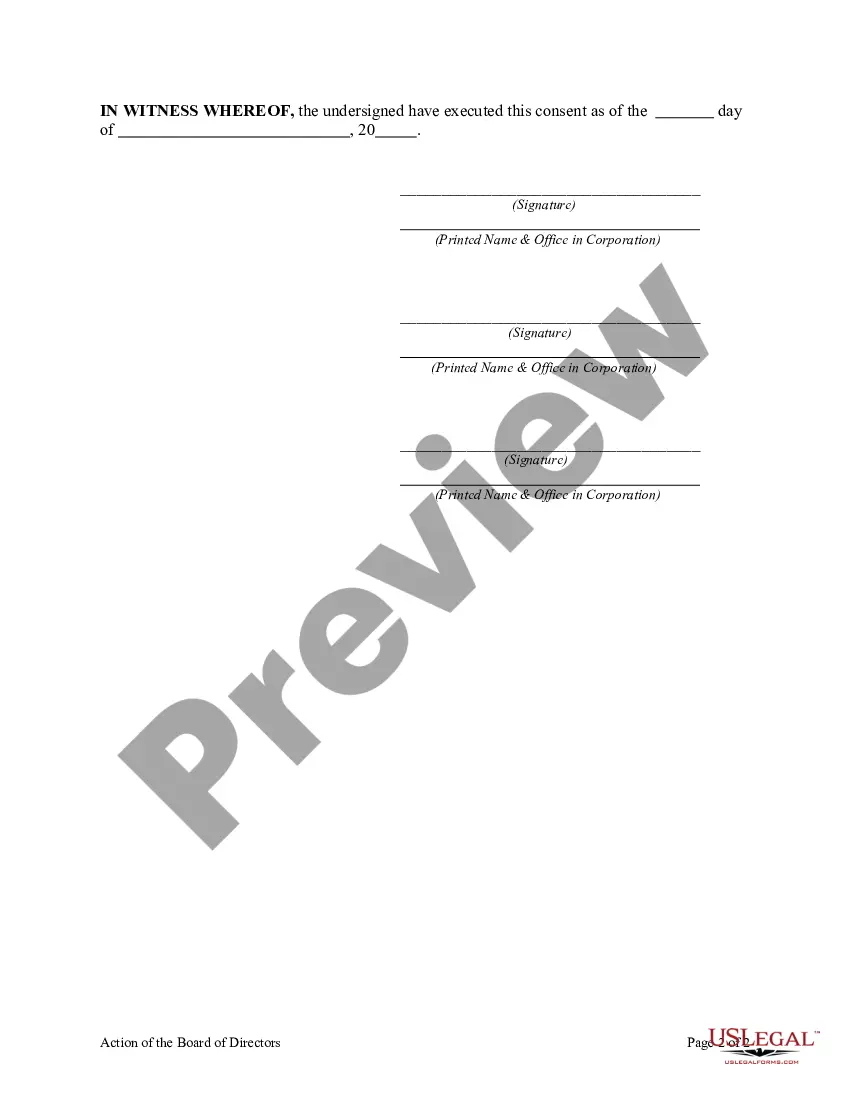
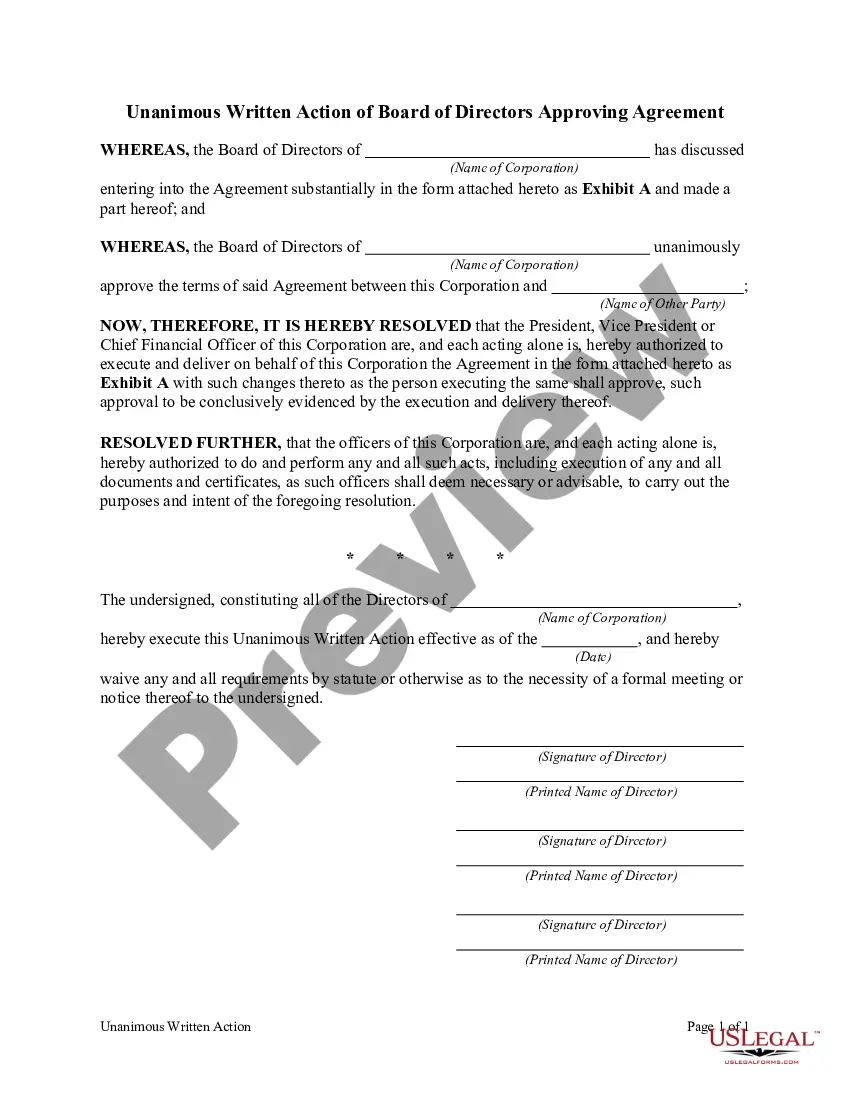
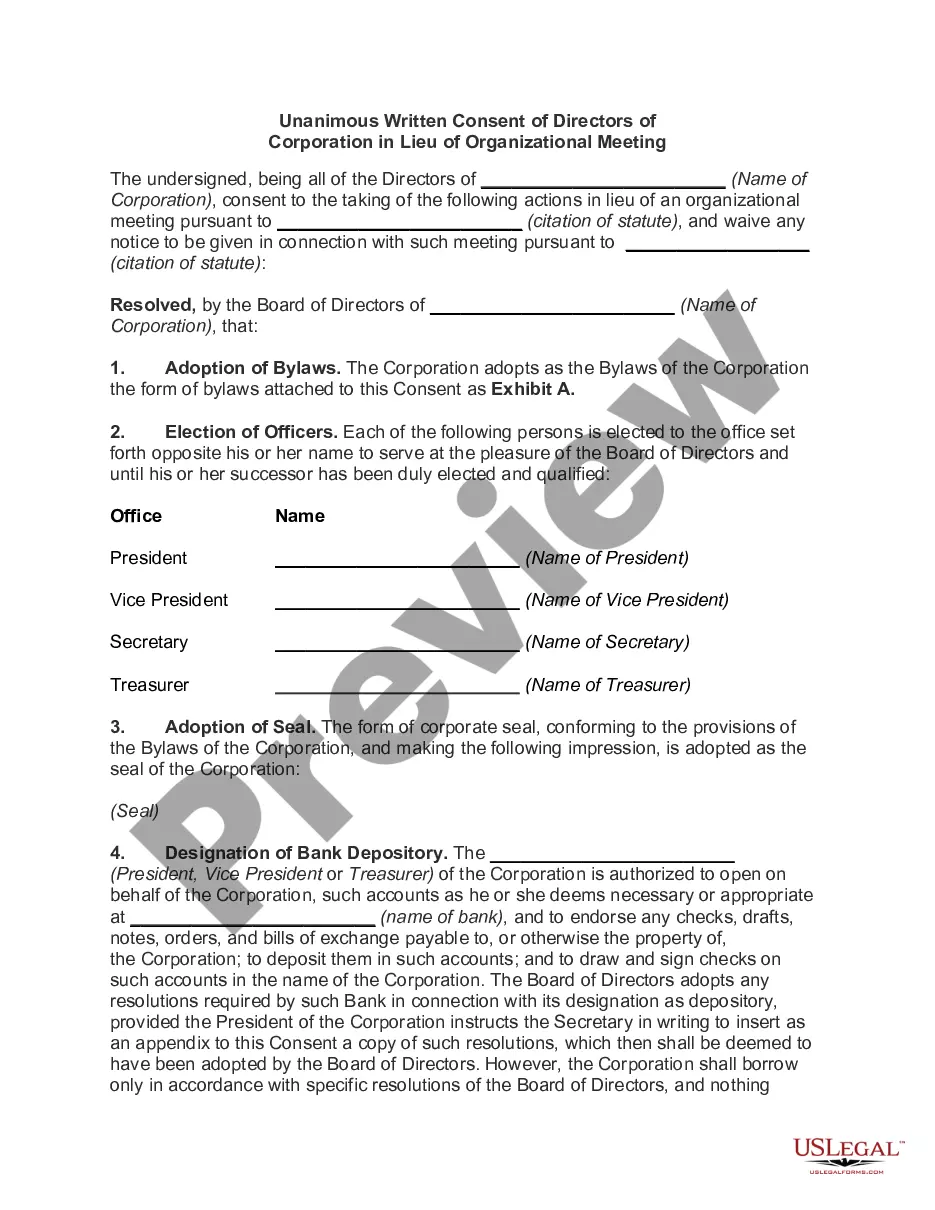
What is a director's consent? In a director's consent an individual agrees in writing to be a director of a nonprofit. Every director who is elected or appointed needs to sign a consent. The consent needs to be signed within 10 days of being elected or appointed as a director.
A statement saying that they agree to act as a director of the nonprofit. the date on which they will begin to serve as director.
Section 66(7) is clear that a person can act as a director or, in other words, is entitled to serve as such when he or she has, for instance, provided written consent to the company to act as a director.
A director can also operate independently from the members, which is often the case with larger types of companies. Where the director is not also a member, the director's role is to manage or control the affairs of the company without having any ownership of the company.
Shareholder Vote - In many jurisdictions, directors can be removed by a majority vote of the shareholders. If the company's bylaws allow, shareholders can call a meeting and vote to remove the director, even if they do not consent.
The statutory procedure allows any director to be removed by ordinary resolution of the shareholders in general meetings (i.e., the holders of more than 50% of the voting shares must agree). This right of removal by the shareholders cannot be excluded by the Articles or by any agreement.
A standard document providing a specimen form of notice of willingness or consent to be appointed and act as a director of the company.
The statutory provision allowing any director to be removed from office by ordinary resolution of the shareholders is in Section 168 of the Companies Act 2006 (CA06). Importantly, the resolution must be proposed at a formal shareholders' meeting and cannot be passed as a written resolution.
In Texas, the two primary ways to change LLC ownership are by issuing membership interest units or transferring existing units. The issuance of membership interest units is done through the LLC itself. As mentioned above, the company agreement will usually designate the initial number of units.
