Directors Rules In Minnesota
Description
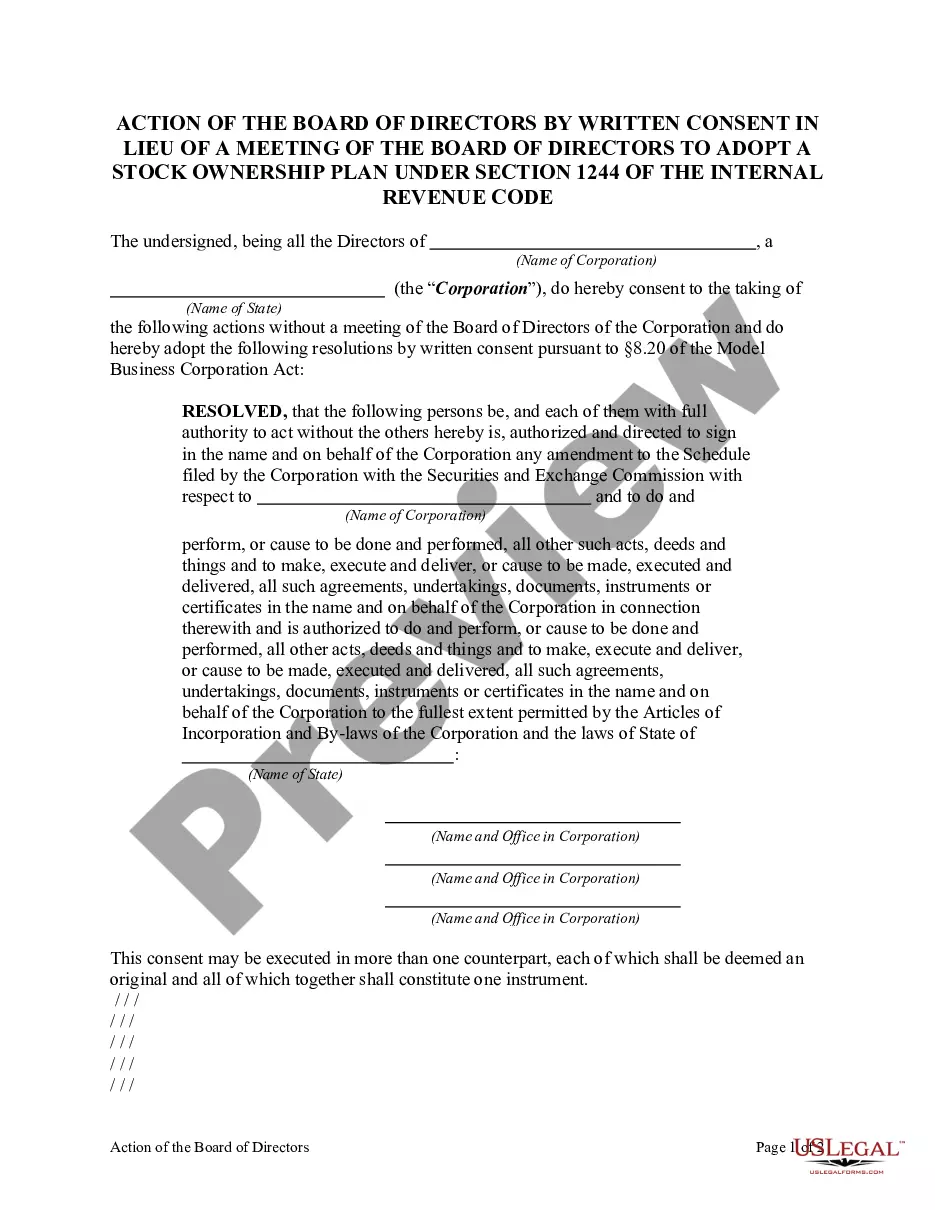

Get your form ready online
Our built-in tools help you complete, sign, share, and store your documents in one place.
Make edits, fill in missing information, and update formatting in US Legal Forms—just like you would in MS Word.
Download a copy, print it, send it by email, or mail it via USPS—whatever works best for your next step.
Sign and collect signatures with our SignNow integration. Send to multiple recipients, set reminders, and more. Go Premium to unlock E-Sign.
If this form requires notarization, complete it online through a secure video call—no need to meet a notary in person or wait for an appointment.
We protect your documents and personal data by following strict security and privacy standards.

Make edits, fill in missing information, and update formatting in US Legal Forms—just like you would in MS Word.

Download a copy, print it, send it by email, or mail it via USPS—whatever works best for your next step.

Sign and collect signatures with our SignNow integration. Send to multiple recipients, set reminders, and more. Go Premium to unlock E-Sign.

If this form requires notarization, complete it online through a secure video call—no need to meet a notary in person or wait for an appointment.

We protect your documents and personal data by following strict security and privacy standards.
Looking for another form?









Form popularity
FAQ
The minimum income amount depends on your filing status and age. In 2024, for example, the minimum for Single filing status if under age 65 is $14,600 . If your income is below that threshold, you generally do not need to file a federal tax return.
If you are a full-year Minnesota resident, you must file a Minnesota income tax return if your income meets the state's minimum filing requirement. (See the table on this page.) If you are a part-year resident or nonresident, you must file if your Minnesota gross income meets the state's minimum filing requirement.
Minnesota corporate bylaws are rules that define a corporation's internal structure and daily operations. They allow the first board of directors or the incorporators to nominate officers and identify their liabilities, duties, and rights within the corporation.
7291 or 302A. 727 is used to dissolve a corporation that has issued shares. Articles of Dissolution are being filed pursuant to Minnesota Statutes, section 302A. 7291 for corporations that have NOT given notice to creditors and claimants.
Ing to Minnesota Instructions, “If you are a full-year Minnesota resident, you must file a Minnesota income tax return if you need to file a federal income tax return.” If you are a Part year resident or nonresident, you must file if your Minnesota gross income meets the state's minimum filing requirement.
To form an S Corporation in Minnesota, you'll need to file Articles of Incorporation with the Secretary of State. Once the corporation is established, you'll need to file IRS Form 2553 to elect S Corporation status.
All sellers must complete and sign the title in the seller's section on the front of the title. All buyers must complete and sign the buyers section (next to the sellers section) as well as complete and sign the "Application for Title by Buyer" section.
DEFINITIONS. LEGAL RECOGNITION OF ELECTRONIC RECORDS AND SIGNATURES.
