Commercial Listing Agreement Form In Washington
Description

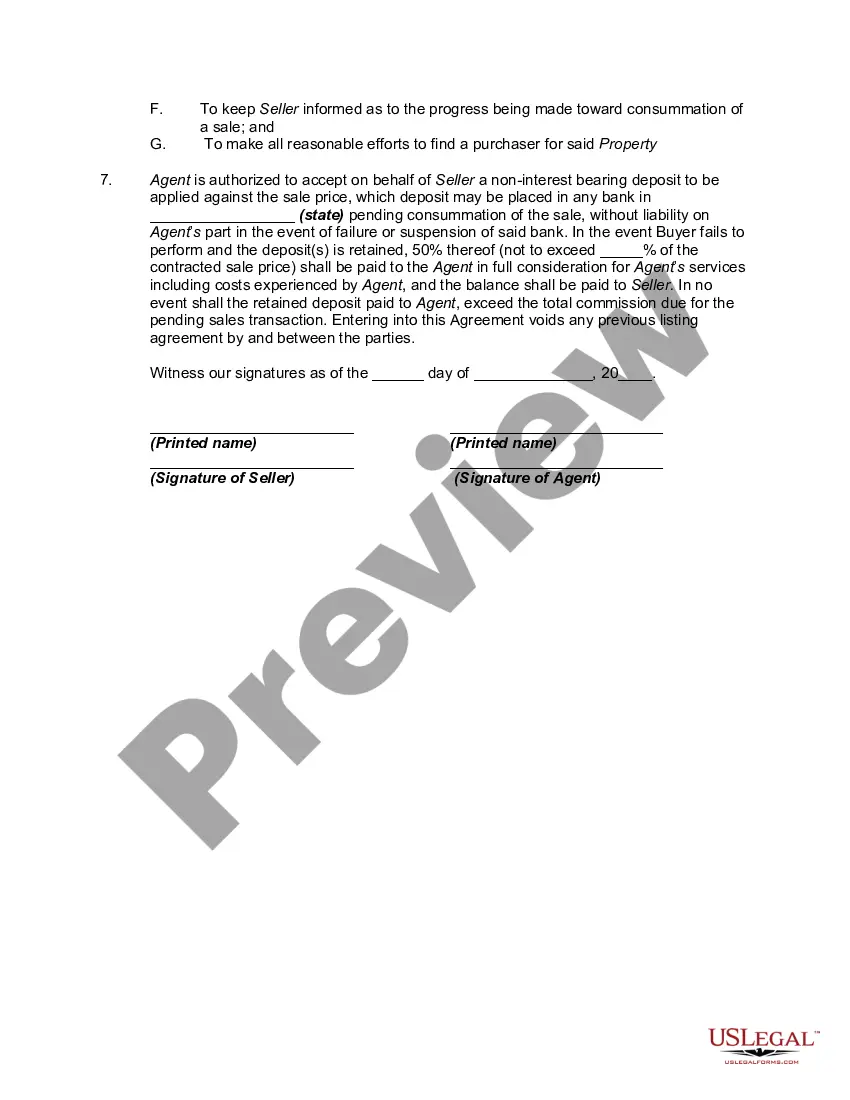

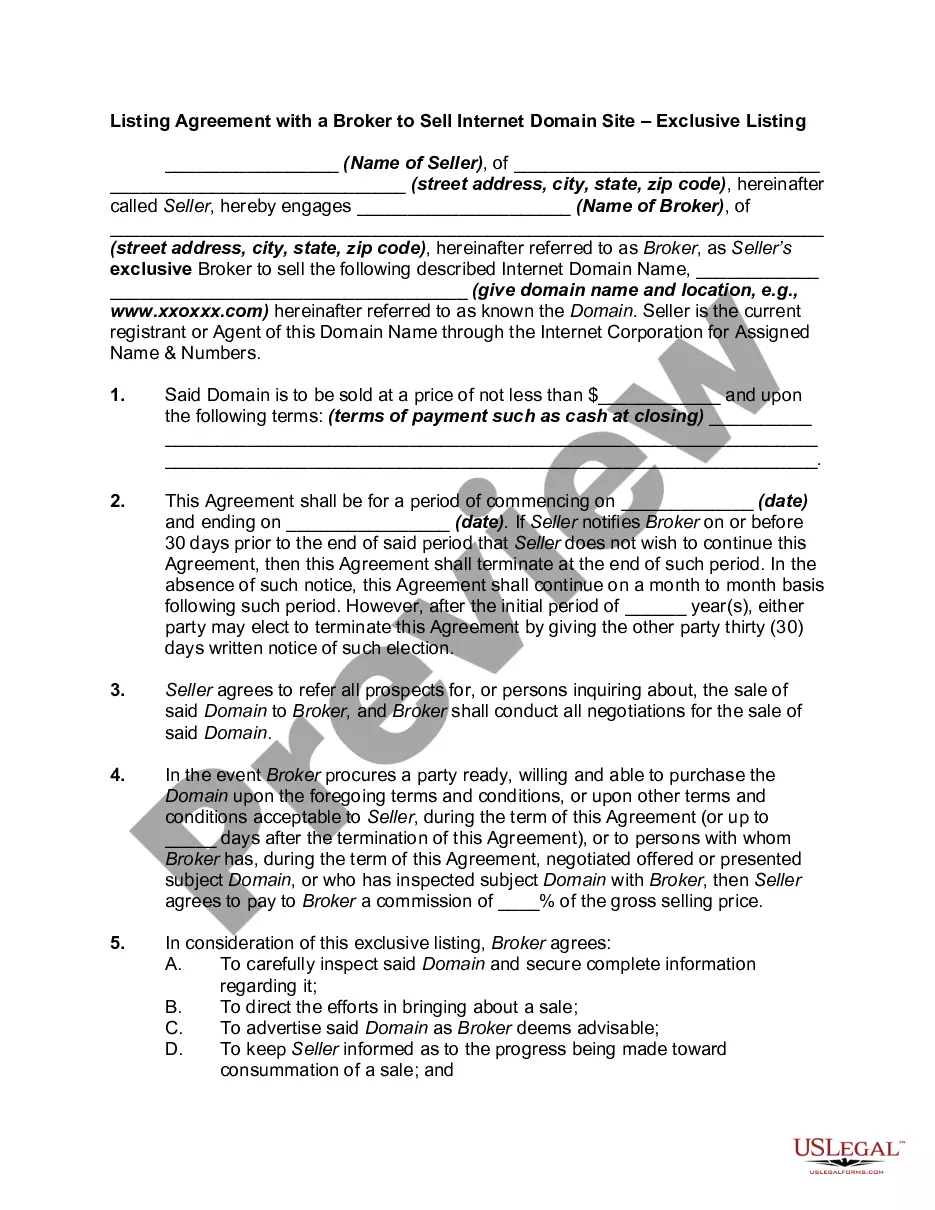
Get your form ready online
Our built-in tools help you complete, sign, share, and store your documents in one place.
Make edits, fill in missing information, and update formatting in US Legal Forms—just like you would in MS Word.
Download a copy, print it, send it by email, or mail it via USPS—whatever works best for your next step.
Sign and collect signatures with our SignNow integration. Send to multiple recipients, set reminders, and more. Go Premium to unlock E-Sign.
If this form requires notarization, complete it online through a secure video call—no need to meet a notary in person or wait for an appointment.
We protect your documents and personal data by following strict security and privacy standards.

Make edits, fill in missing information, and update formatting in US Legal Forms—just like you would in MS Word.

Download a copy, print it, send it by email, or mail it via USPS—whatever works best for your next step.

Sign and collect signatures with our SignNow integration. Send to multiple recipients, set reminders, and more. Go Premium to unlock E-Sign.

If this form requires notarization, complete it online through a secure video call—no need to meet a notary in person or wait for an appointment.

We protect your documents and personal data by following strict security and privacy standards.
Looking for another form?



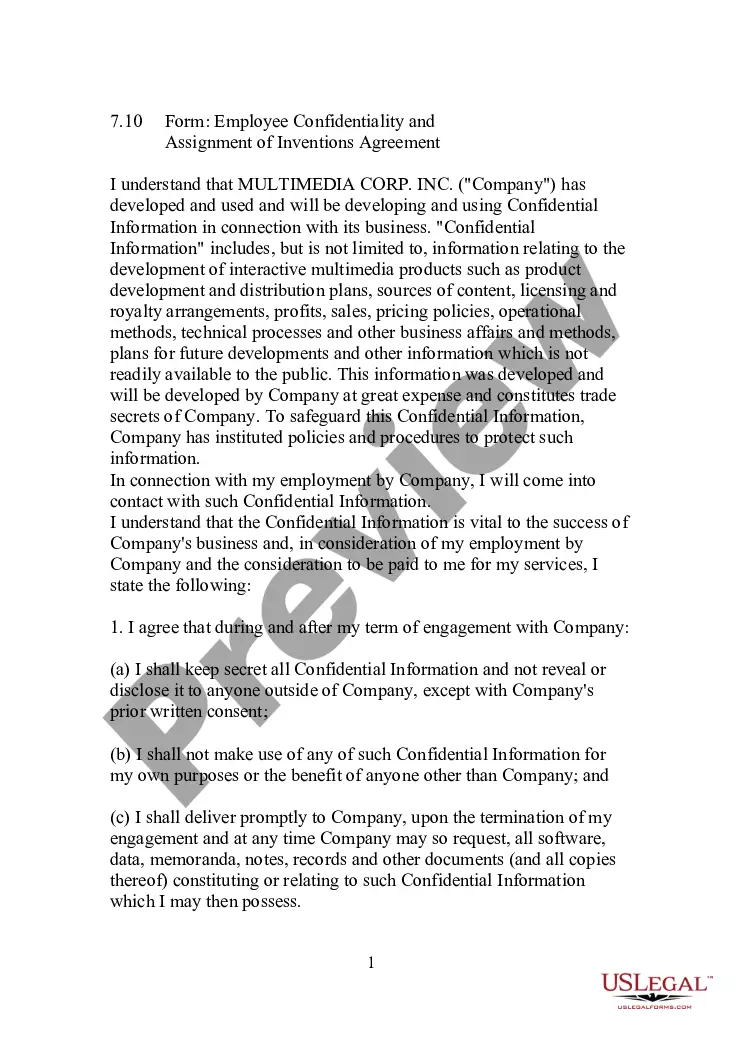

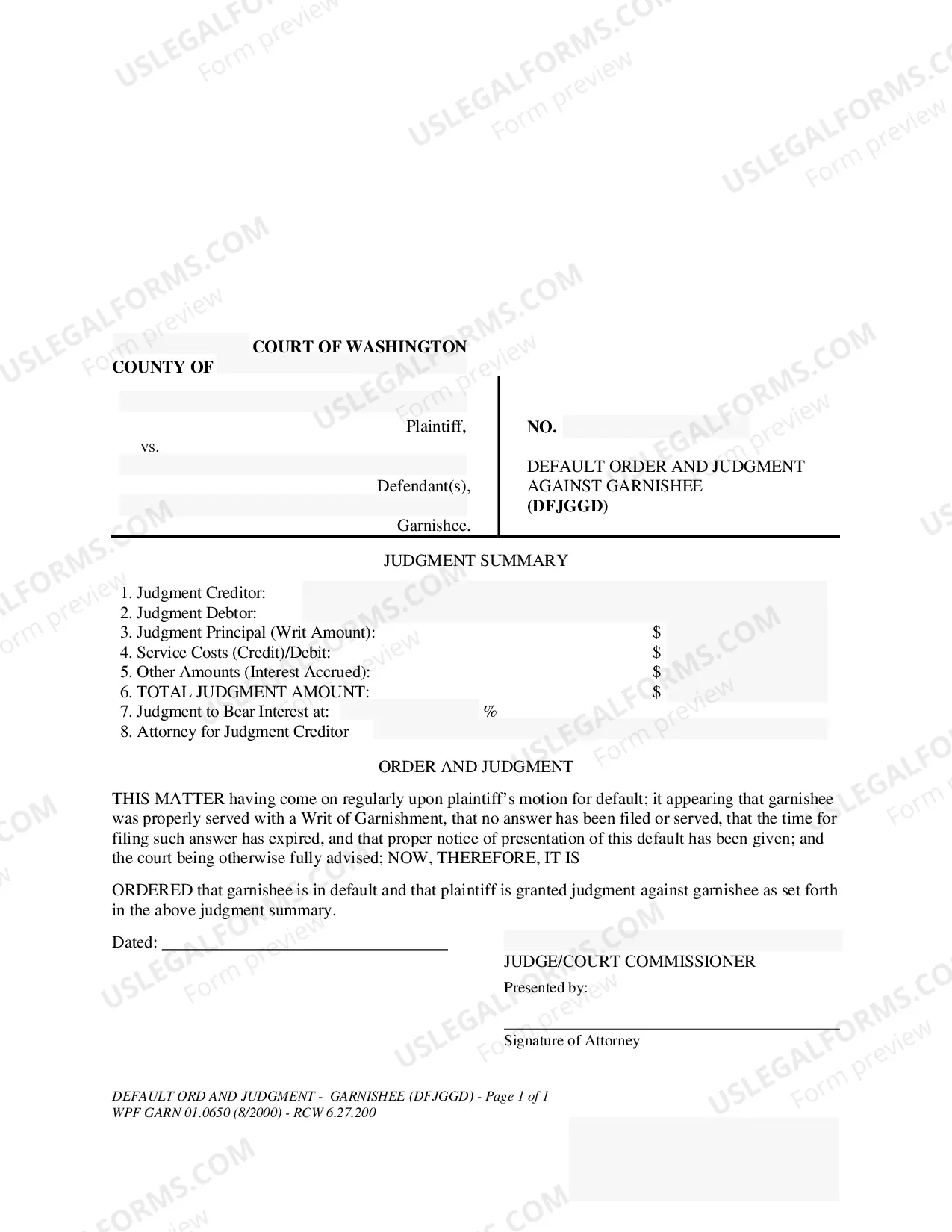


Form popularity
FAQ
Signing a listing agreement is an important contract between a seller and a real estate broker. This contract protects both parties when listing commercial property for sale.
Writing your own contracts is perfectly possible, and legal. But it's also an incredibly bad idea. There's two reasons for this: Property law is complicated. Because it's such a fundamental part of legislation, it's often lots and lots of different laws layered on top of each other.
Under an Exclusive Buyer-Broker Agreement, the buyer is designating their agent as their sole representative, and cannot bypass the agent to go to another agent or directly to the listing agent. A Non-Exclusive Buyer Broker agreement, on the other hand, allows the buyer to use other agents to find him a potential home.
Exclusive Agency Listing Agreement: You work with just one agent and agree to compensate them if they sell your home. This allows you to retain the option to sell your home yourself without having to compensate your agent for the sale.
An exclusive listing, or more accurately “office-exclusive” listing, is a listing a REALTOR® uses to establish a seller representation agreement between the seller and their brokerage only, which will not be marketed on the MLS® system to other brokerages.
Exclusive listing agreements give a single real estate agent/brokerage the sole right to sell your property. This arrangement can be a great representation structure for limiting complexity and increasing seller control but can also have consequences like limiting exposure.
How do you start a business letter in the first sentence? You'll want to start your letter with exactly why you are writing. Start with a phrase like “I am reaching out regarding” or “I am writing to request” and then finish the sentence with the specific topic of your letter.
A Letter of Intent (LOI) is a preliminary document that outlines the basic terms and conditions of a potential commercial real estate transaction. It serves as a non-binding agreement between the buyer and seller or landlord and tenant, laying the groundwork for further negotiations and formal agreements.
Components of a LOI Opening Paragraph: Your summary statement. Statement of Need: The "why" of the project. ( ... Project Activity: The "what" and "how" of the project. ( ... Outcomes (1–2 paragraphs; before or after the Project Activity) ... Credentials (1–2 paragraphs) ... Budget (1–2 paragraphs) ... Closing (1 paragraph) ... Signature.
The letter of intent should include the following six things: A Statement Declaring Your Interest in Leasing the Space. A Description of Your Company. An Outline of On-Site Employees, Equipment, and Machinery. Your Business Hours. An Overview of Your Current Space. Contact Details.
