Broker For Commercial Property In Suffolk
Description

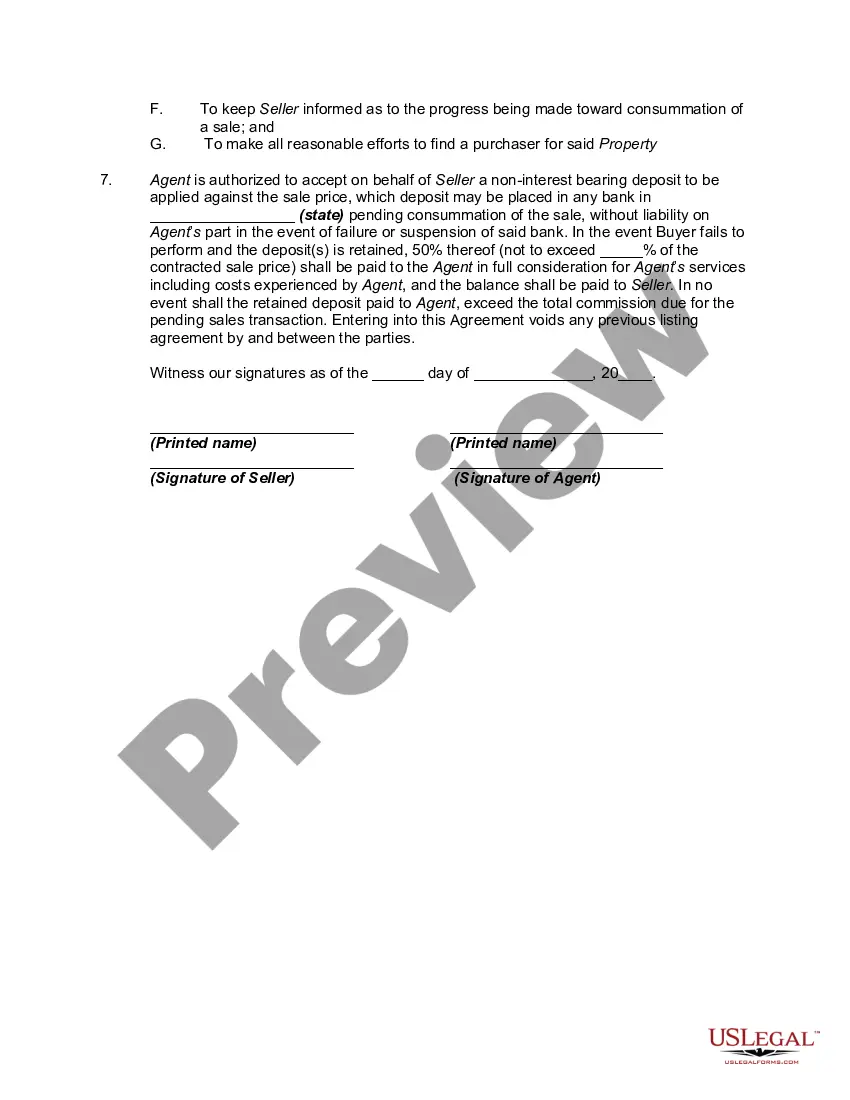

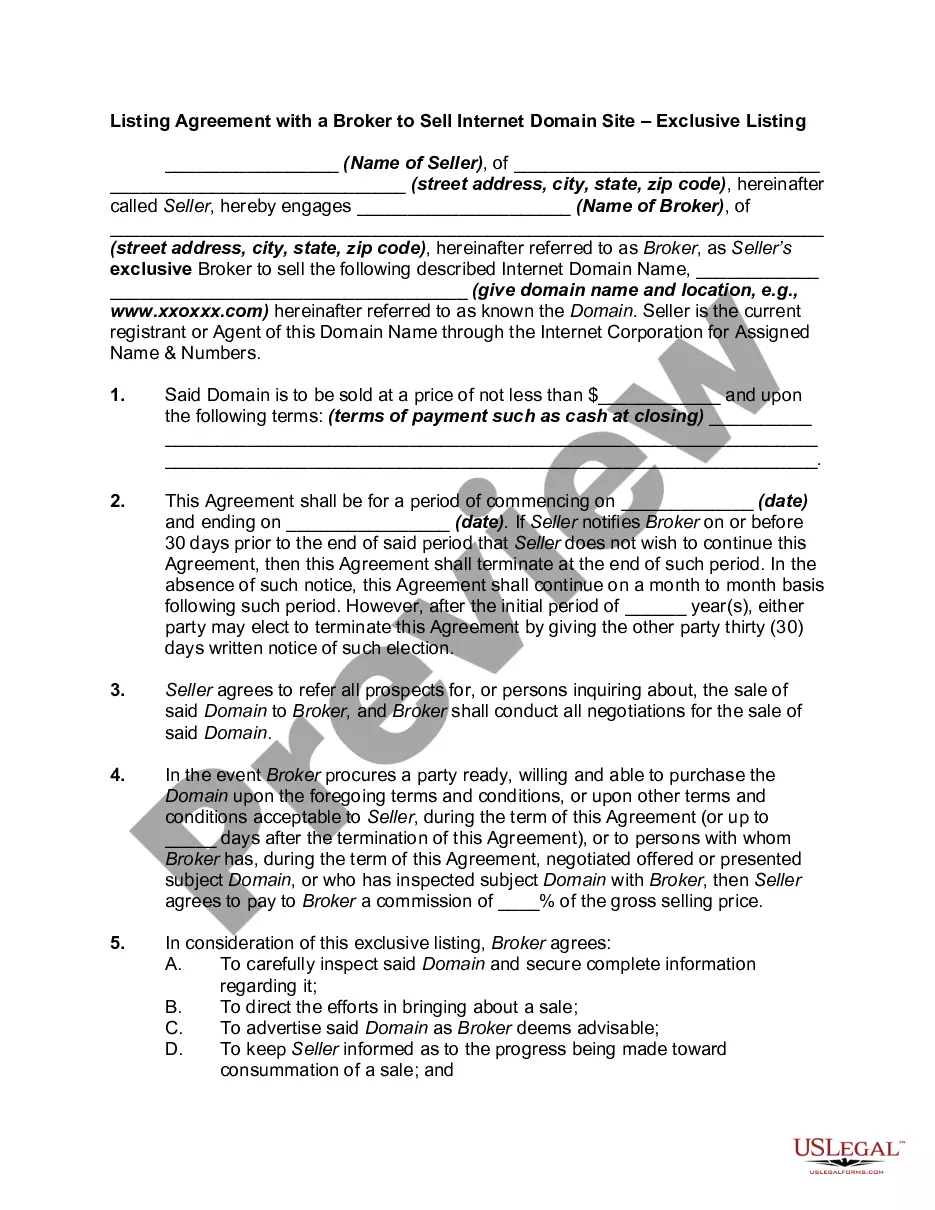
Get your form ready online
Our built-in tools help you complete, sign, share, and store your documents in one place.
Make edits, fill in missing information, and update formatting in US Legal Forms—just like you would in MS Word.
Download a copy, print it, send it by email, or mail it via USPS—whatever works best for your next step.
Sign and collect signatures with our SignNow integration. Send to multiple recipients, set reminders, and more. Go Premium to unlock E-Sign.
If this form requires notarization, complete it online through a secure video call—no need to meet a notary in person or wait for an appointment.
We protect your documents and personal data by following strict security and privacy standards.

Make edits, fill in missing information, and update formatting in US Legal Forms—just like you would in MS Word.

Download a copy, print it, send it by email, or mail it via USPS—whatever works best for your next step.

Sign and collect signatures with our SignNow integration. Send to multiple recipients, set reminders, and more. Go Premium to unlock E-Sign.

If this form requires notarization, complete it online through a secure video call—no need to meet a notary in person or wait for an appointment.

We protect your documents and personal data by following strict security and privacy standards.
Looking for another form?







Form popularity
FAQ
There is an apprenticeship route to becoming a broker, e.g. financial services professional degree apprenticeship or an insurance professional higher apprenticeship. To be successful, individuals will usually need four or five GCSEs at grades 9 to 4 (A to C) and A levels or equivalent.
Becoming a Broker typically involves studying for a degree in finance or related fields, gaining practical experience through internships or entry-level roles, and obtaining professional certifications like the Chartered Financial Analyst (CFA) or Chartered Institute for Securities & Investment (CISI).
Key Takeaways Brokers have higher income potential, more control over business operations, and the ability to diversify income streams. However, they also face challenges such as legal compliance, liability for agents' actions, and less time for direct client interactions.
Make sure the broker you choose is experienced in helping tenants find office, retail, and other commercial space (not someone who works primarily with houses, condos, and apartments). Experience in representing tenants in commercial real estate transactions.
It can add a dynamic and promising resource to your portfolio whether you lease it to others or move in yourself. Yet that makes hiring a commercial real estate broker all the more critical. Such a professional can supply you with industry knowledge, networking prowess, transaction representation, and more.
Below, we'll help you with the details to look for when hiring a real estate broker who specializes in commercial properties. What Are Your Specific Needs? ... What is the Agent's Level Of Experience? ... Interview, Interview, Interview. Trust and “Likeability” ... Conflicts of Interest.
Agents help people buy, sell, and rent properties. These individuals work for brokers. Brokers, on the other hand, can work on their own, set their own hours, and hire agents to work for them.
Due to years of experience, commercial real estate experts have more access and a vast network of connections — access to listings, resources, tools, and data that someone on their own would not be able to access; connections that have been fostered over years of working in the industry.
A broker is an intermediary between those who want to invest and make trades and the exchange at which those trades are processed. You need a broker because stock exchanges require that those who execute trades on the exchange be licensed.
