Broker Commercial Property Real Formula In Harris
Description

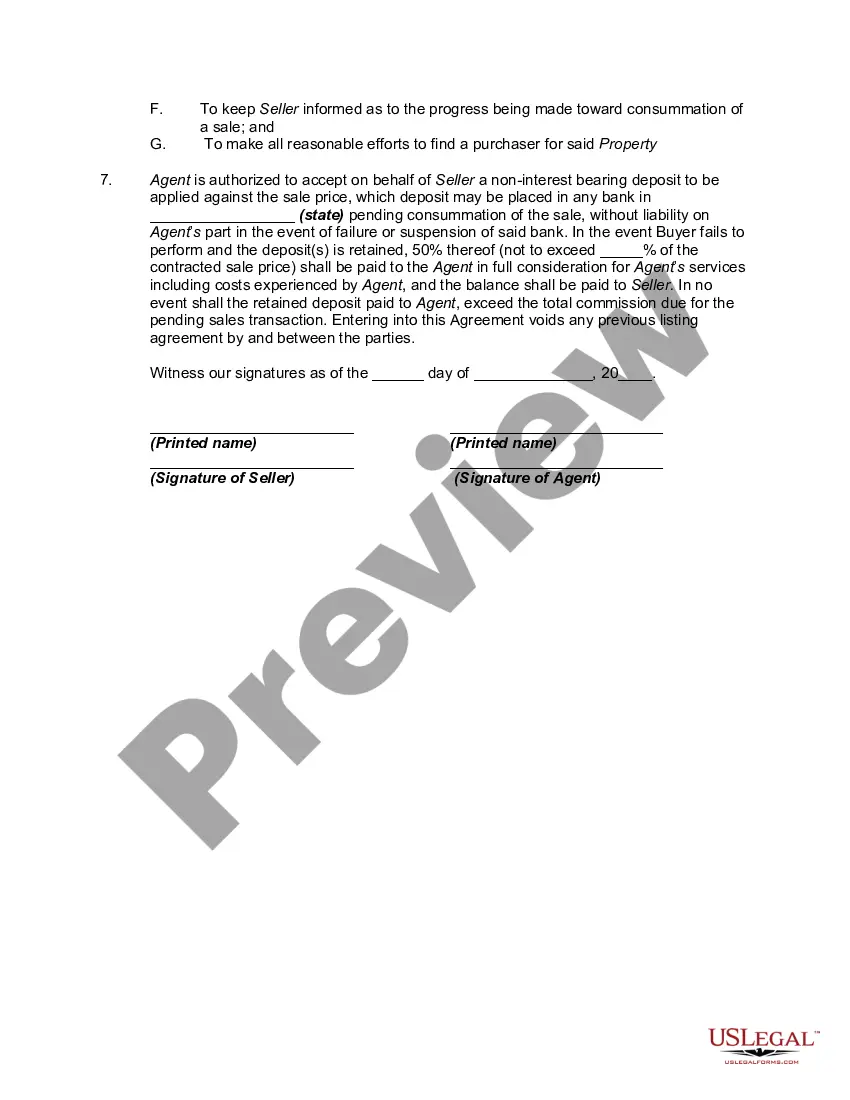

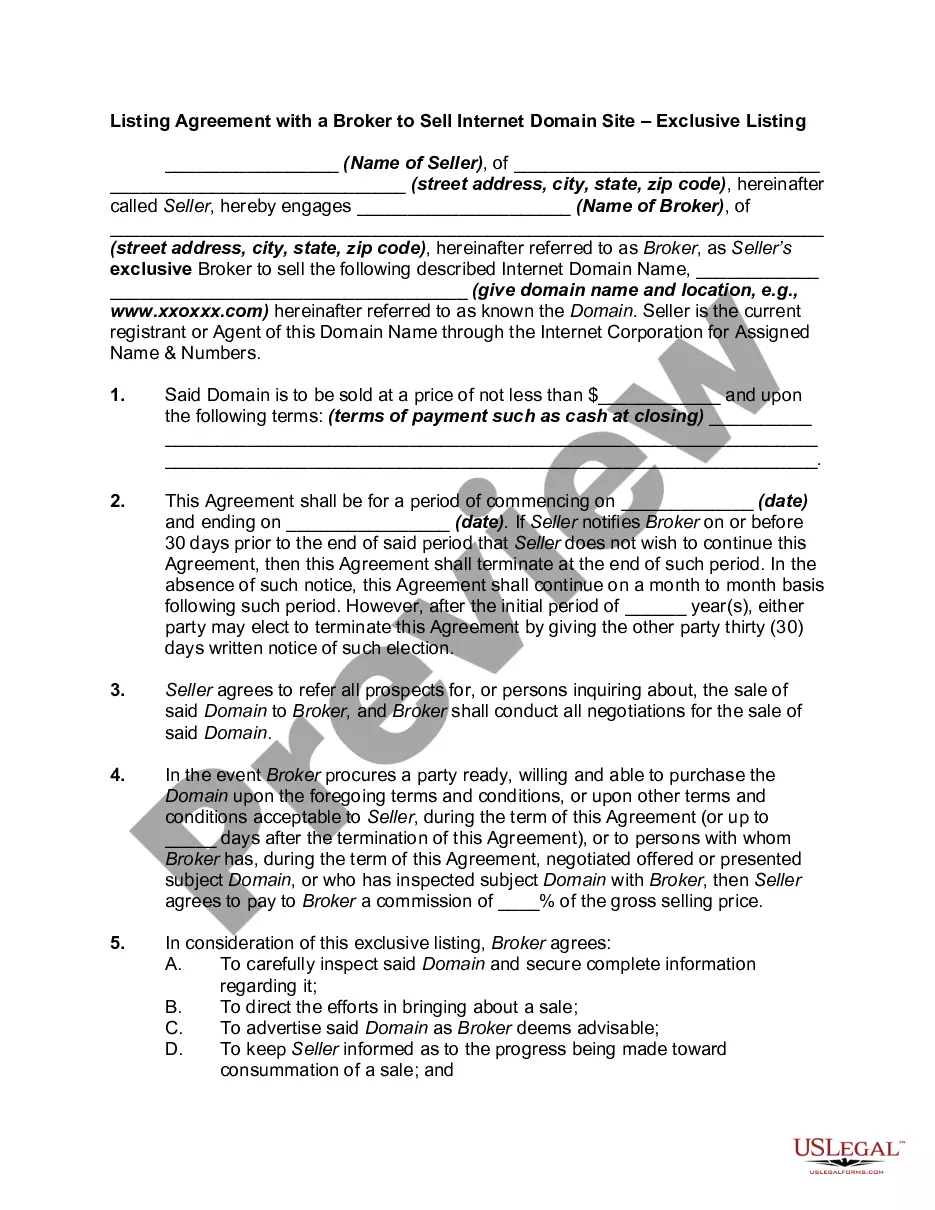
Get your form ready online
Our built-in tools help you complete, sign, share, and store your documents in one place.
Make edits, fill in missing information, and update formatting in US Legal Forms—just like you would in MS Word.
Download a copy, print it, send it by email, or mail it via USPS—whatever works best for your next step.
Sign and collect signatures with our SignNow integration. Send to multiple recipients, set reminders, and more. Go Premium to unlock E-Sign.
If this form requires notarization, complete it online through a secure video call—no need to meet a notary in person or wait for an appointment.
We protect your documents and personal data by following strict security and privacy standards.

Make edits, fill in missing information, and update formatting in US Legal Forms—just like you would in MS Word.

Download a copy, print it, send it by email, or mail it via USPS—whatever works best for your next step.

Sign and collect signatures with our SignNow integration. Send to multiple recipients, set reminders, and more. Go Premium to unlock E-Sign.

If this form requires notarization, complete it online through a secure video call—no need to meet a notary in person or wait for an appointment.

We protect your documents and personal data by following strict security and privacy standards.
Looking for another form?









Form popularity
FAQ
Capitalization Rate (Cap Rate) = Net Operating Income / Property Value. Value = Net Operating Income / Capitalization Rate.
Future property values may be influenced by the following important factors: Economic Conditions. Demographic Trends. Housing Market Specifics. Market Sentiment and Investor Activity. Policy and Regulatory Changes. Environmental and Climate Factors. Technology and Urbanization Trends:
Peter Harris is known as the leading commercial real estate investing mentor. Starting out professionally as an introverted engineer, he purchased his first apartment building in 2001. His then co-workers began asking Mr. Harris for investing guidance and thus began a life long passion for...
To calculate the future value of a commercial property, use the formula: Value = Net Operating Income / Capitalization Rate to determine the property's value based on its net operating income and cap rate.
8 steps for making your own commercial Step 1: Research your demographic and competition. Step 2: Brainstorm ideas. Step 3: Write a script/storyboard. Step 4: Cast talent and gather crew. Step 5: Gather necessary equipment. Step 6: Shoot or record your commercial. Step 7: Edit commercial.
Many of the issues confronting industry stakeholders in the new year are interrelated. High Financing Costs. Massive Commercial Real Estate Debt. High Cap Rates. Soaring Insurance Costs. Increasingly Unaffordable Housing. Rise in Artificial Intelligence. Impact of Extreme Weather. Lingering Office Vacancies.
Using public records. Searching public records can also give you access to the property history of commercial properties that fall within a specific location—usually delegated to a county. Online, those records will typically include transaction history, ownership history, mortgage information, liens, or so on.
Getting Started In Commercial Real Estate Investing: 4 Steps To Begin Step 1: Educate Yourself On The Commercial Real Estate Industry. Step 2: Define Your Investment Goals & Strategies. Step 3: Secure Financing For Your Investment Opportunity. Step 4: Identify and Evaluate Properties.
Types of Profitable Commercial Real Estate Investments Industrial Properties. Industrial Properties have strong and stable demand, especially with industries like manufacturing and e-commerce needing properties like warehouses to store and distribute their goods. Multifamily Properties. Shopping Centers.