Tenancy Agreement For Rental In Travis
Description
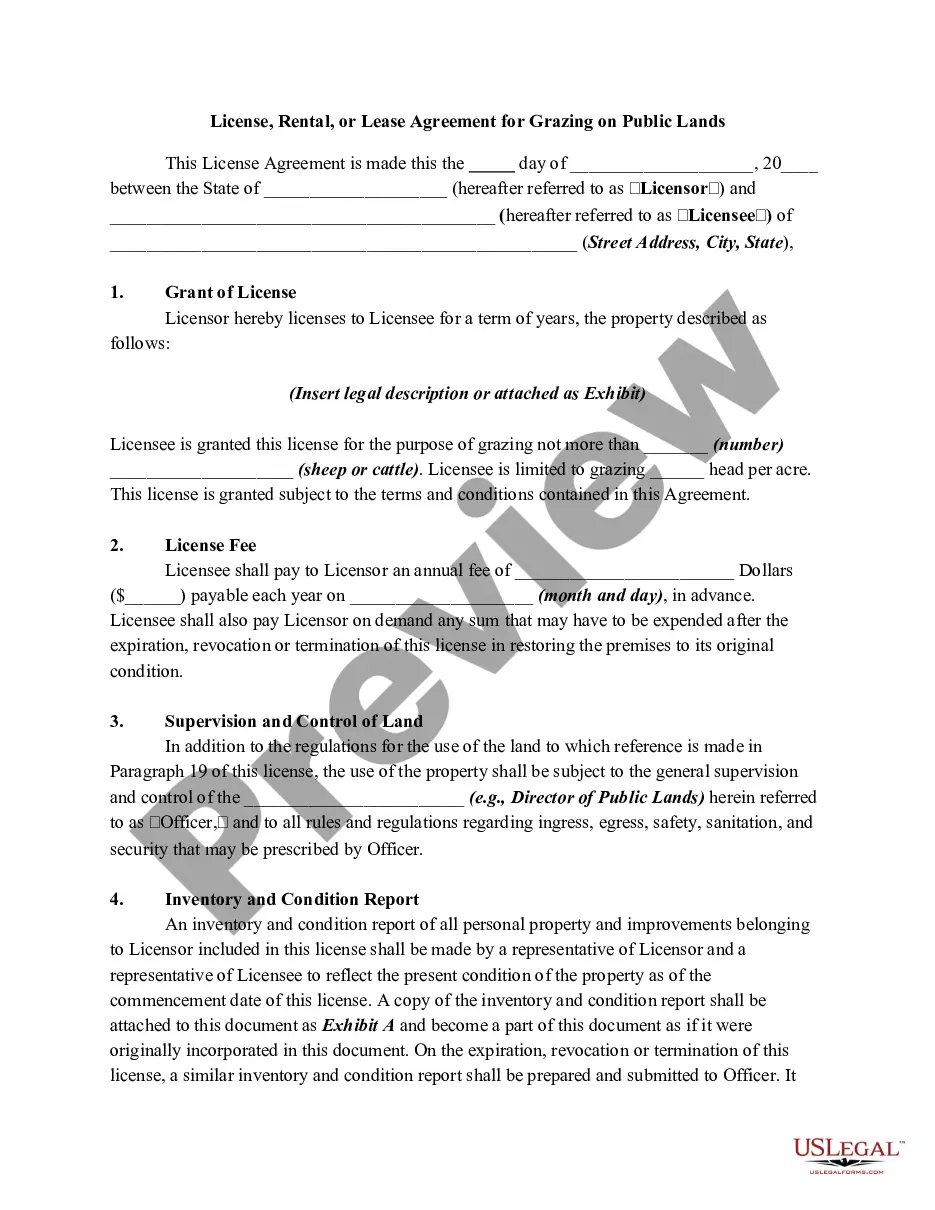
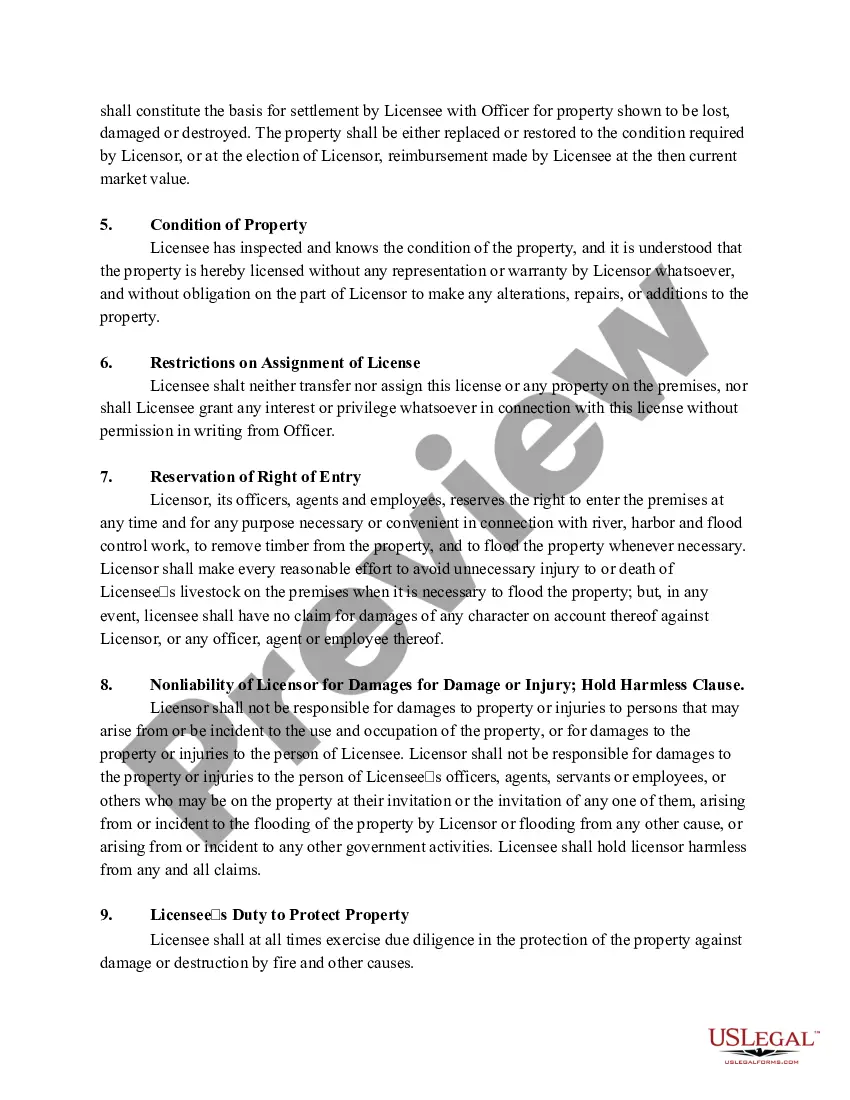
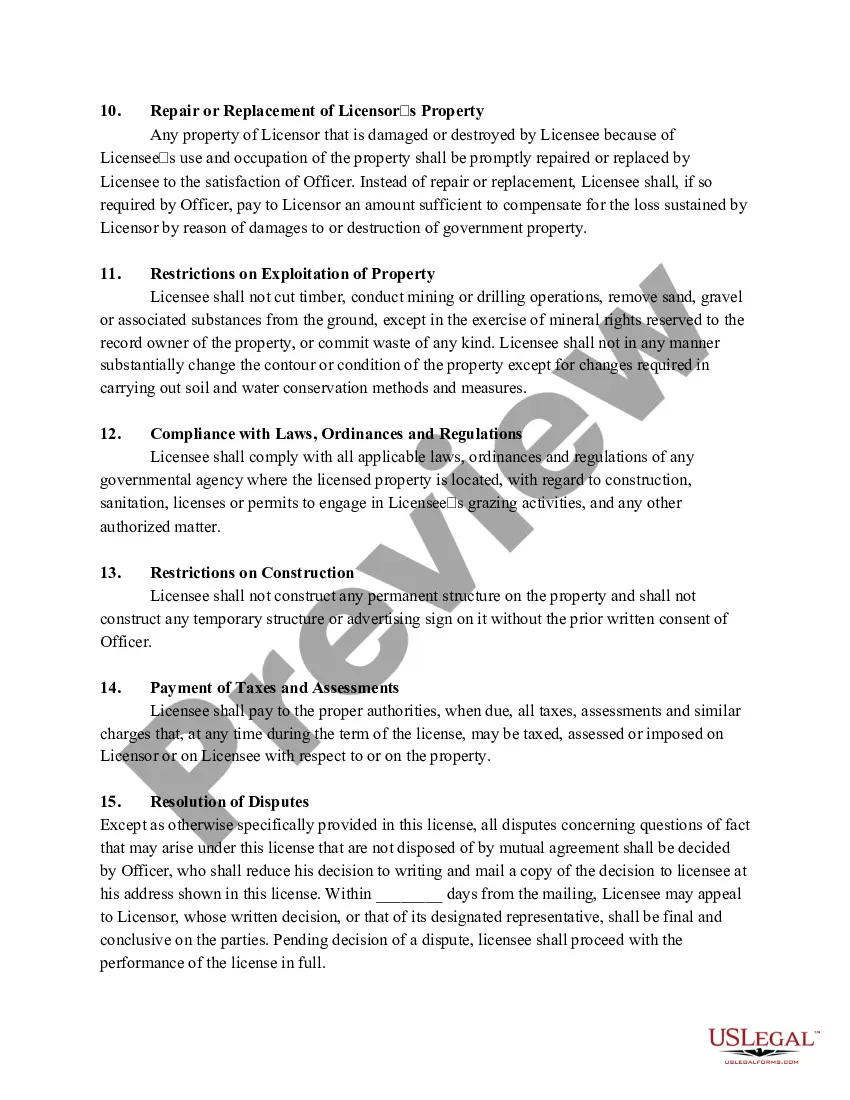
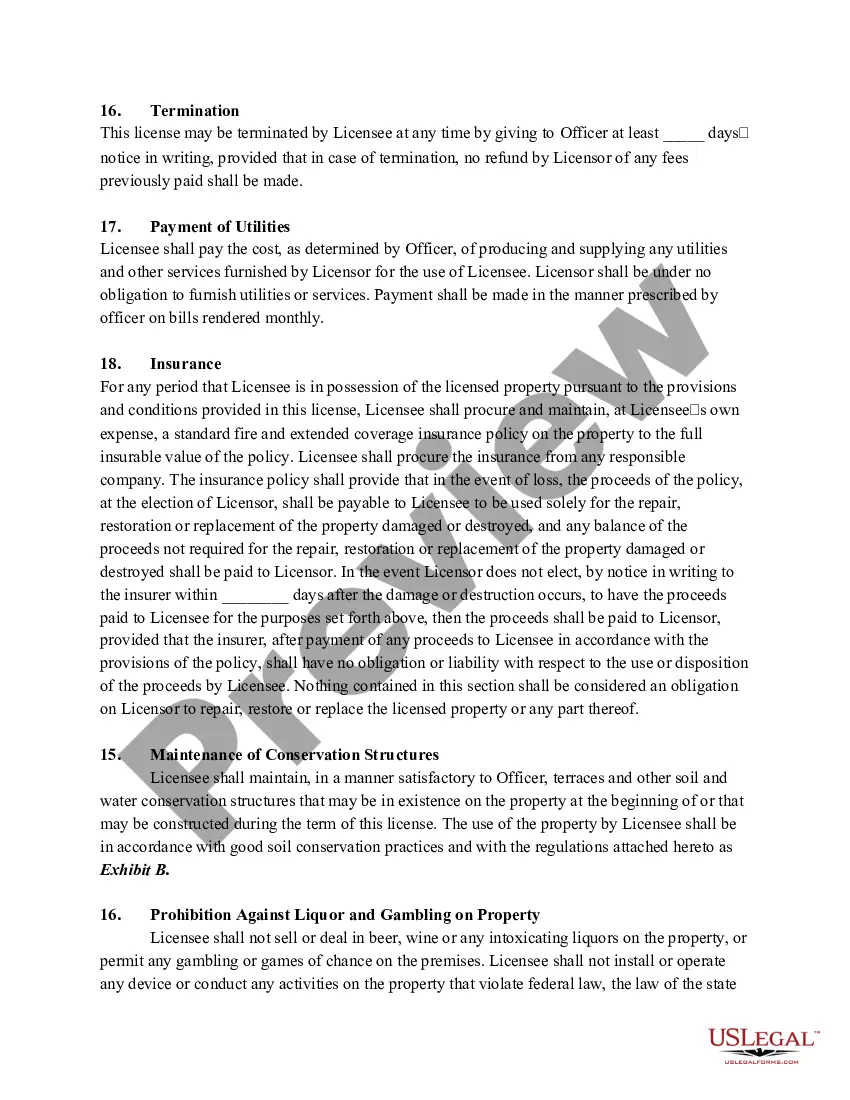
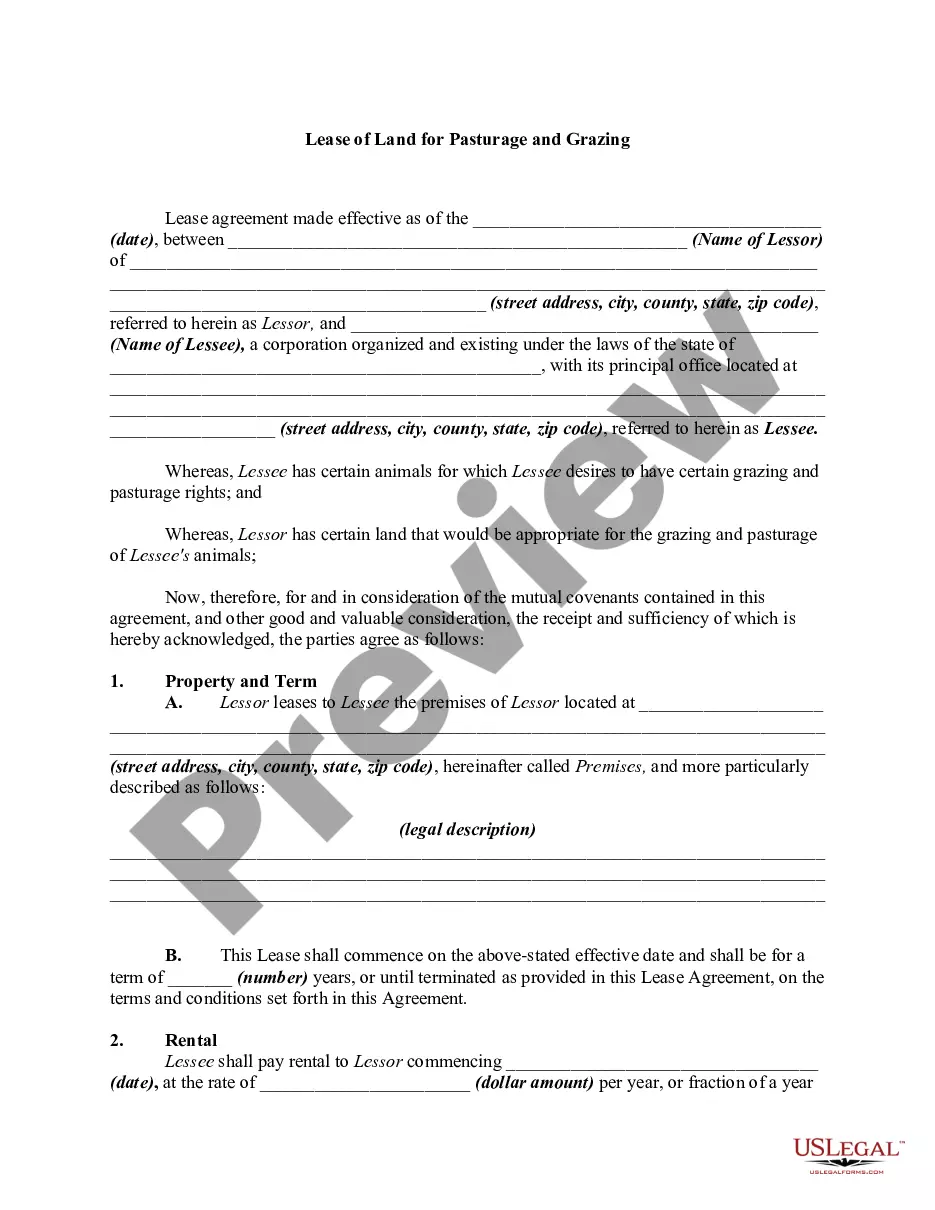
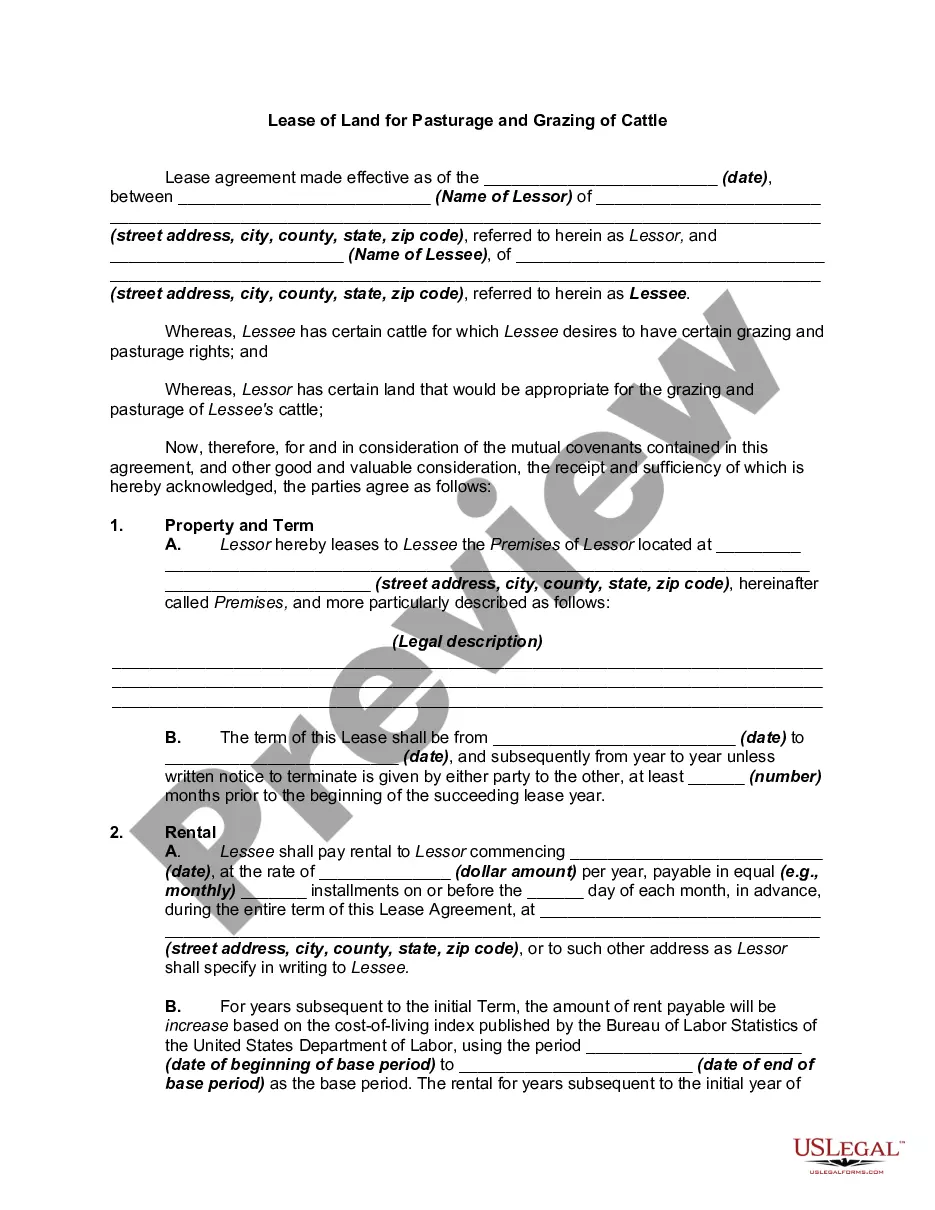
Get your form ready online
Our built-in tools help you complete, sign, share, and store your documents in one place.
Make edits, fill in missing information, and update formatting in US Legal Forms—just like you would in MS Word.
Download a copy, print it, send it by email, or mail it via USPS—whatever works best for your next step.
Sign and collect signatures with our SignNow integration. Send to multiple recipients, set reminders, and more. Go Premium to unlock E-Sign.
If this form requires notarization, complete it online through a secure video call—no need to meet a notary in person or wait for an appointment.
We protect your documents and personal data by following strict security and privacy standards.

Make edits, fill in missing information, and update formatting in US Legal Forms—just like you would in MS Word.

Download a copy, print it, send it by email, or mail it via USPS—whatever works best for your next step.

Sign and collect signatures with our SignNow integration. Send to multiple recipients, set reminders, and more. Go Premium to unlock E-Sign.

If this form requires notarization, complete it online through a secure video call—no need to meet a notary in person or wait for an appointment.

We protect your documents and personal data by following strict security and privacy standards.
Looking for another form?









Form popularity
FAQ
How to write a Texas lease agreement Begin by including the names and contact information of both the landlord and tenant. Describe the rental property, including its address and any unique features. Specify the lease term, including the move-in and move-out dates.
A lease agreement longer than one year must be in writing. A lease is a contract between a landlord and a tenant. As with any contract, both parties have the right to negotiate the terms before entering into it.
A Texas standard residential lease agreement is a document used by a landlord renting property to a tenant for monthly payment under typical conditions. Most agreements of this type are for a fixed term, usually one year.
The tenancy agreement should include: the deposit amount and how it will be protected. when the deposit can be fully or partly withheld, for example to repair damage caused by tenants. the property address. the start and end date of the tenancy. any tenant or landlord obligations. which bills your tenants are responsible for.
Ing to the Texas Property Code, landlords can pursue claims for eviction and damage to the premises, even without a written lease.
Protection Against Retaliation: Retaliation against a tenant for exercising their legal rights, such as requesting necessary repairs, is prohibited. Legal Obligations for Repairs: Ignoring repair requests that impact tenant health and safety is unlawful and can result in legal action against the landlord.
Evictions usually involve a tenant not paying rent on time or breaking a rule included in the lease. Evictions also require a notice to vacate, which is different than a notice of non-renewal.
A Texas standard residential lease agreement is a document used by a landlord renting property to a tenant for monthly payment under typical conditions. Most agreements of this type are for a fixed term, usually one year.
Texas Tenant Rights and Responsibilities Live in peace and quiet enjoyment. Be treated without discrimination based on race, color, or any other protected class under the Fair Housing Act. Be removed from the rental through judicial means. Requesting repairs and having them done within a reasonable period.
Your rights as a tenant include the right to "quiet enjoyment," a legal term. This means your landlord cannot evict you without cause or otherwise disturb your right to live in peace and quiet. If other tenants in your building are disturbing you, you should complain to the landlord.
