Lease License For Alterations In Suffolk
Description
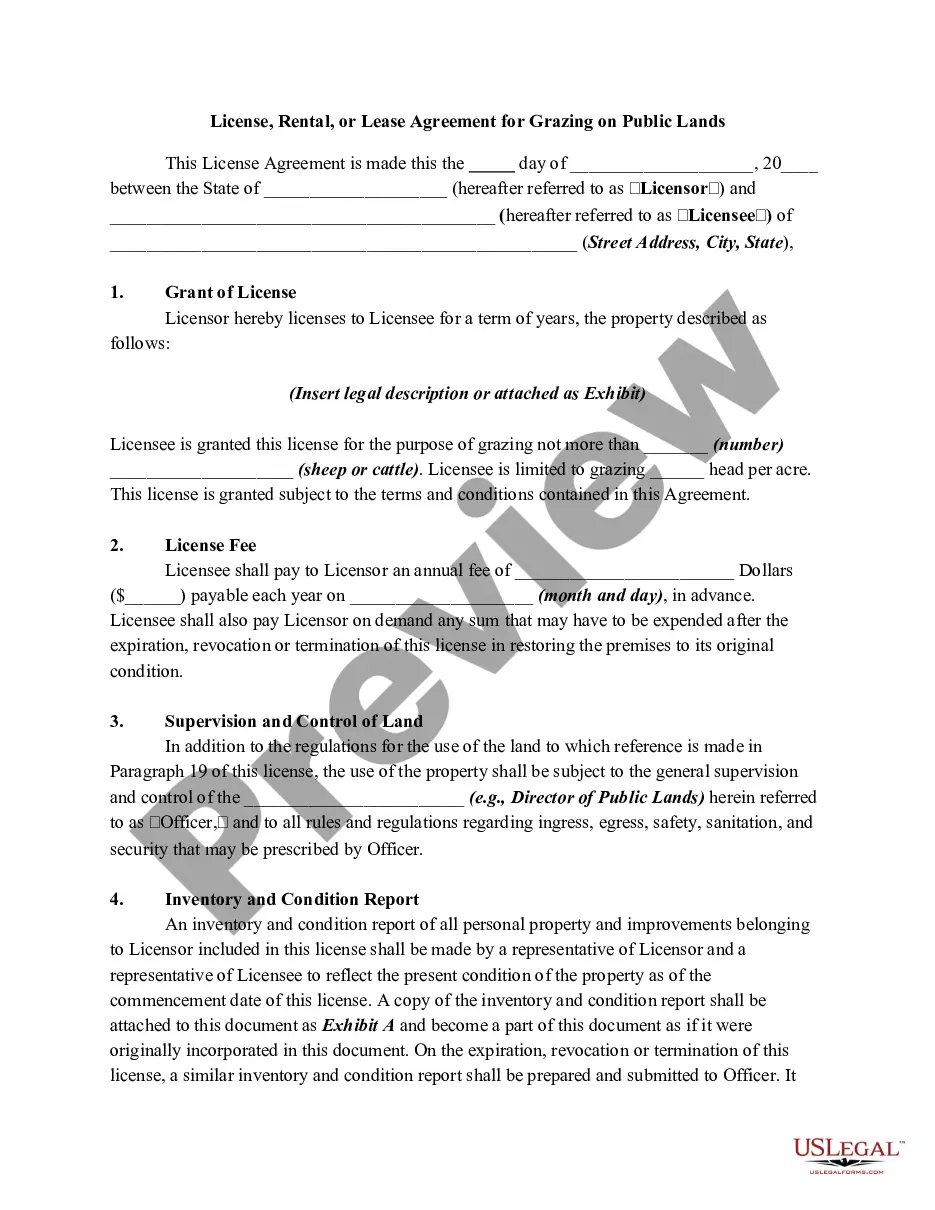
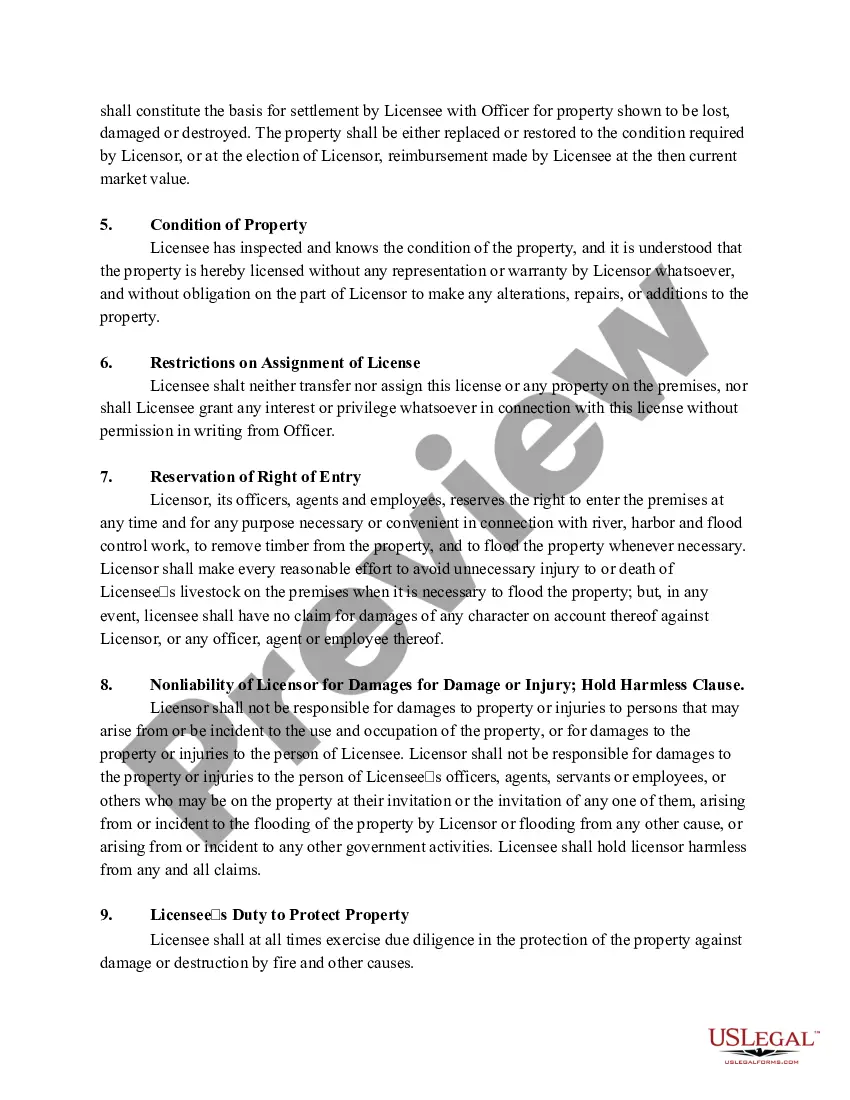
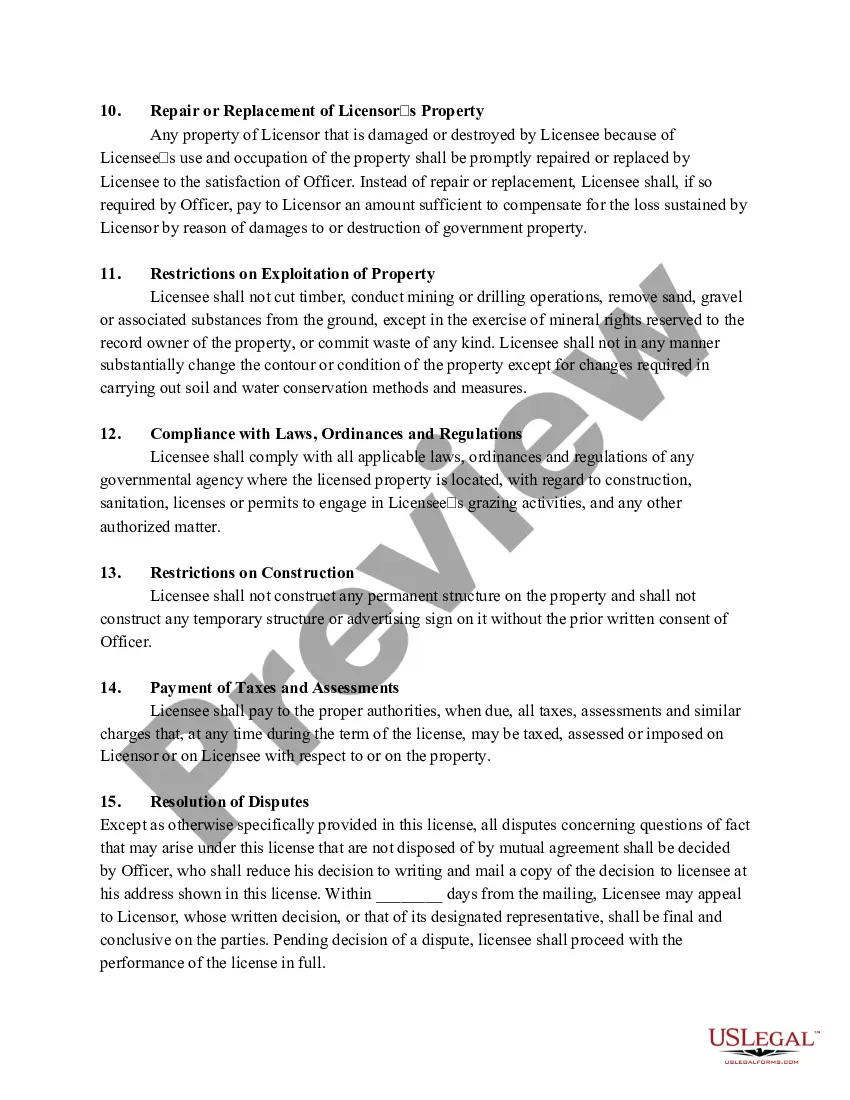
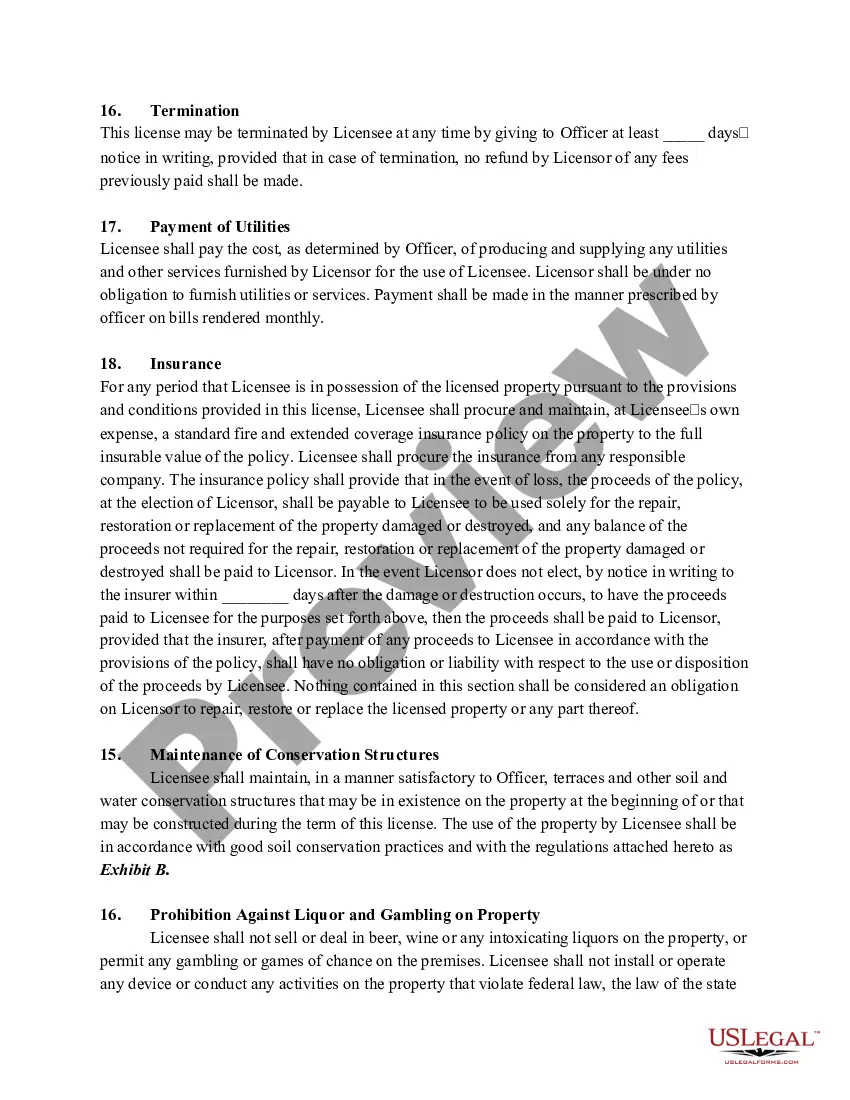
Get your form ready online
Our built-in tools help you complete, sign, share, and store your documents in one place.
Make edits, fill in missing information, and update formatting in US Legal Forms—just like you would in MS Word.
Download a copy, print it, send it by email, or mail it via USPS—whatever works best for your next step.
Sign and collect signatures with our SignNow integration. Send to multiple recipients, set reminders, and more. Go Premium to unlock E-Sign.
If this form requires notarization, complete it online through a secure video call—no need to meet a notary in person or wait for an appointment.
We protect your documents and personal data by following strict security and privacy standards.

Make edits, fill in missing information, and update formatting in US Legal Forms—just like you would in MS Word.

Download a copy, print it, send it by email, or mail it via USPS—whatever works best for your next step.

Sign and collect signatures with our SignNow integration. Send to multiple recipients, set reminders, and more. Go Premium to unlock E-Sign.

If this form requires notarization, complete it online through a secure video call—no need to meet a notary in person or wait for an appointment.

We protect your documents and personal data by following strict security and privacy standards.
Looking for another form?








Form popularity
FAQ
In general, courts will conclude that an agreement is a lease if the document grants exclusive use for a set period of time, and a license if the document grants non-exclusive use and the property owner is expressly entitled to terminate the agreement at will.
The alterations clause in the lease will set out what the tenant can and cannot do, and on what basis. A typical clause will prohibit some types of alterations altogether, for example structural changes or work that alters the external appearance of a building.
Rental License means a license issued by the Director of Permits pursuant to this Chapter attesting that the Rental Unit has been inspected in ance with the provisions of the Chapter, stating all violations, if any, found at the final inspection, and the term of the license based on such violations.
However, a lease and a license are two separate legal concepts that offer different rights and duties. A lease is an agreement between a landlord and a tenant that gives the tenant an exclusive interest in a property. A license is permission from the owner to a licensee to do something on the owner's property.
A bare license occurs when a person enters or uses the property of another with the express or implied permission of the owner or under circumstances that would provide a good defense against an action for trespass. For example, a person entering a gas station to ask for directions is a licensee and not a trespasser.
A Licence to Alter is the formal, written document from your landlord that gives you approval to carry out certain improvements or alterations to your leasehold property, which you need to obtain before you get started. Failure to secure a Licence to Alter will most likely result in a breach of the lease.
Lease Certificate means, collectively, for each Property, those certain Certificates Concerning Leases and Financial Condition, dated as of the Closing Date, made by Borrowers and REIT Guarantor in favor of Lender concerning, among other things, the Leases and financial condition of Borrowers and REIT Guarantor.
The main difference between leasing and renting is the length of tenancy. While these terms are often used interchangeably, renting is a term used to refer to short-term arrangements, usually on a month-to-month basis. In contrast, leasing refers to long-term agreements of six months to a year or more.
Nearly every dealership in America will require their vehicles to be insured by those leasing, and insurance companies typically won't register a specific vehicle to a driver without having an active driver's license. A learner's permit is basically a driver's license with additional restrictions.