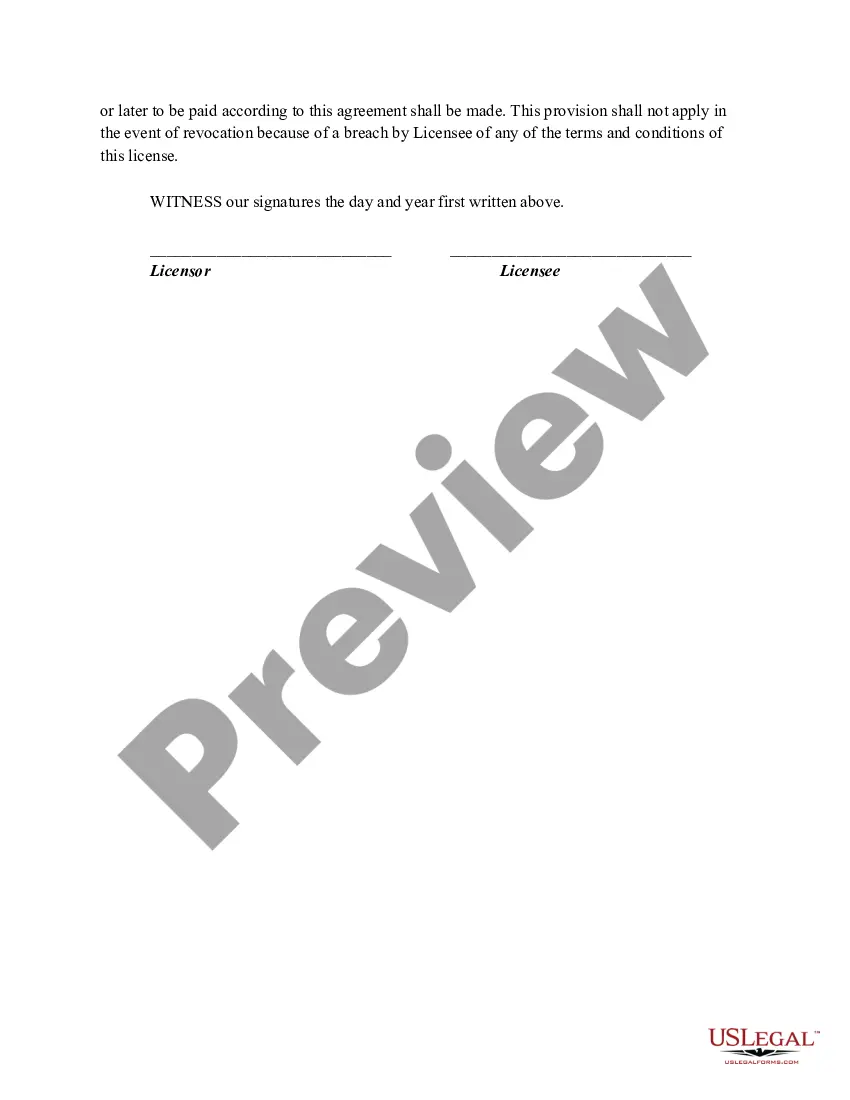
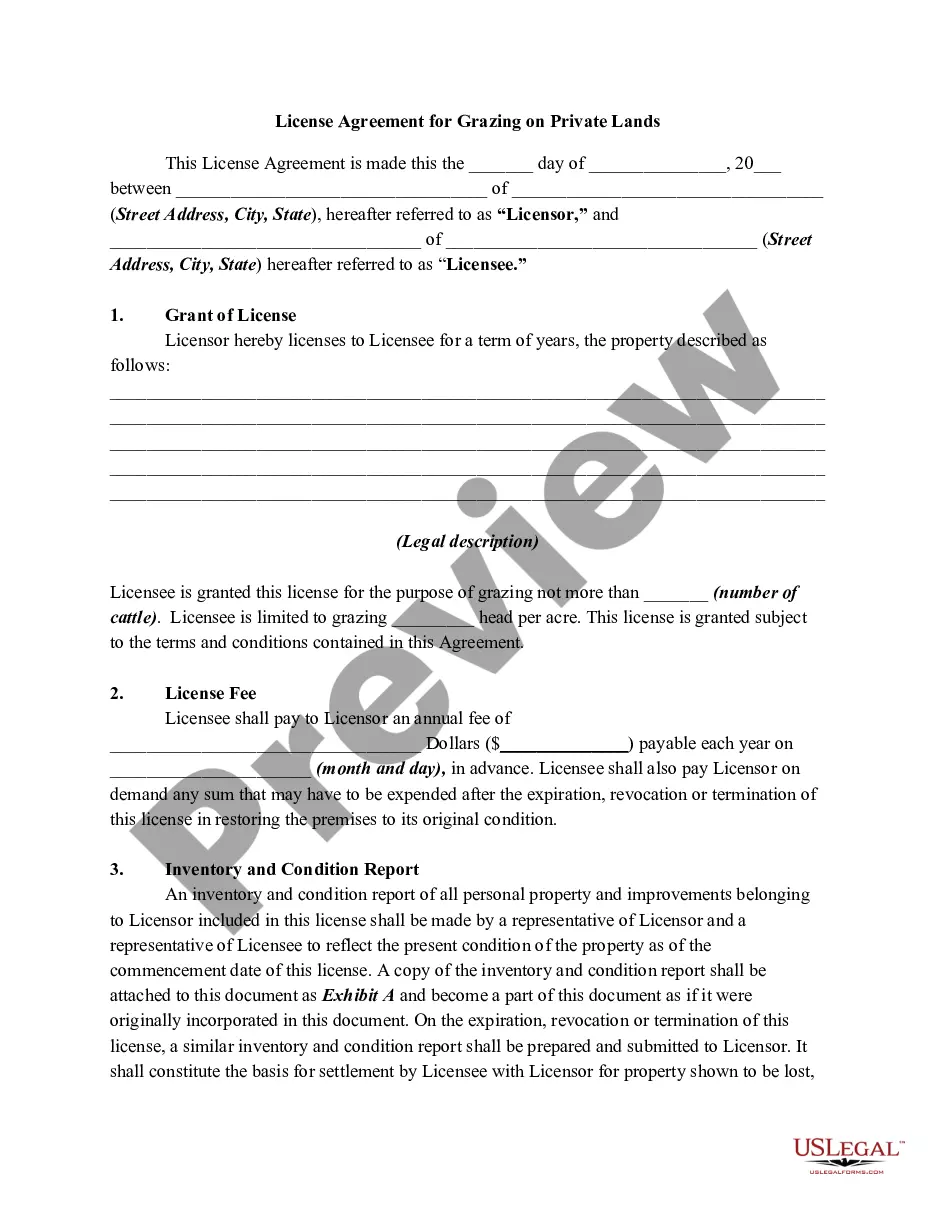
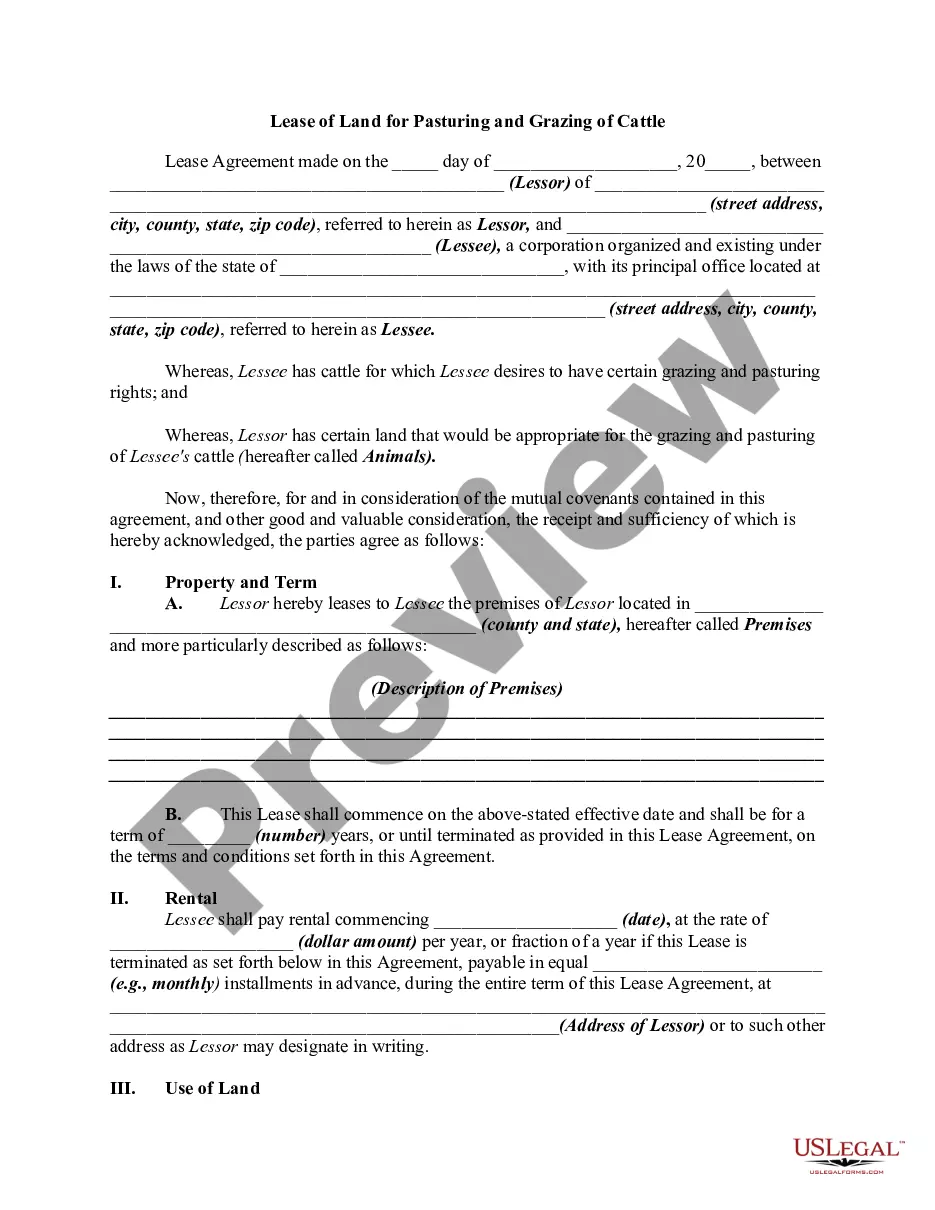
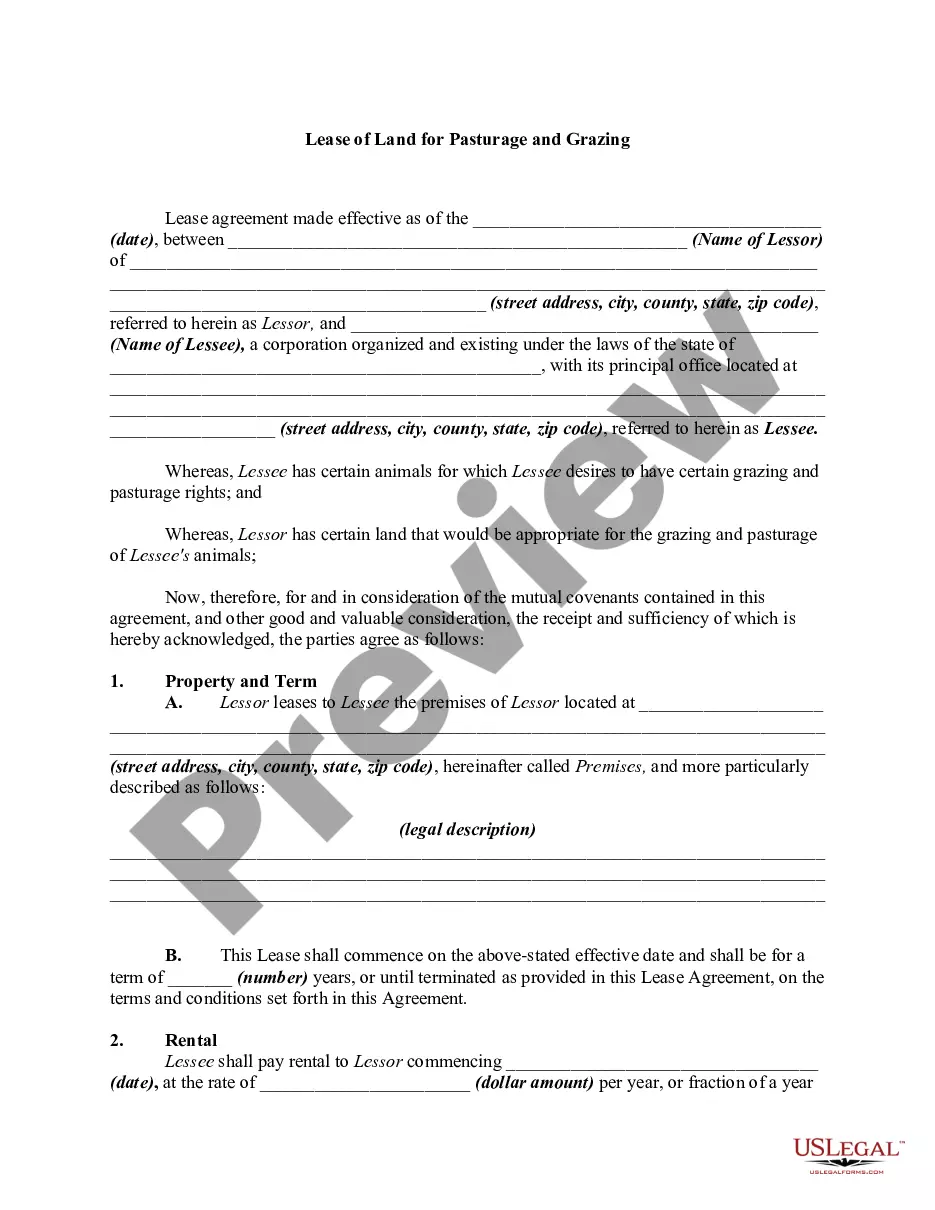
License Lease From Server In Orange
Description

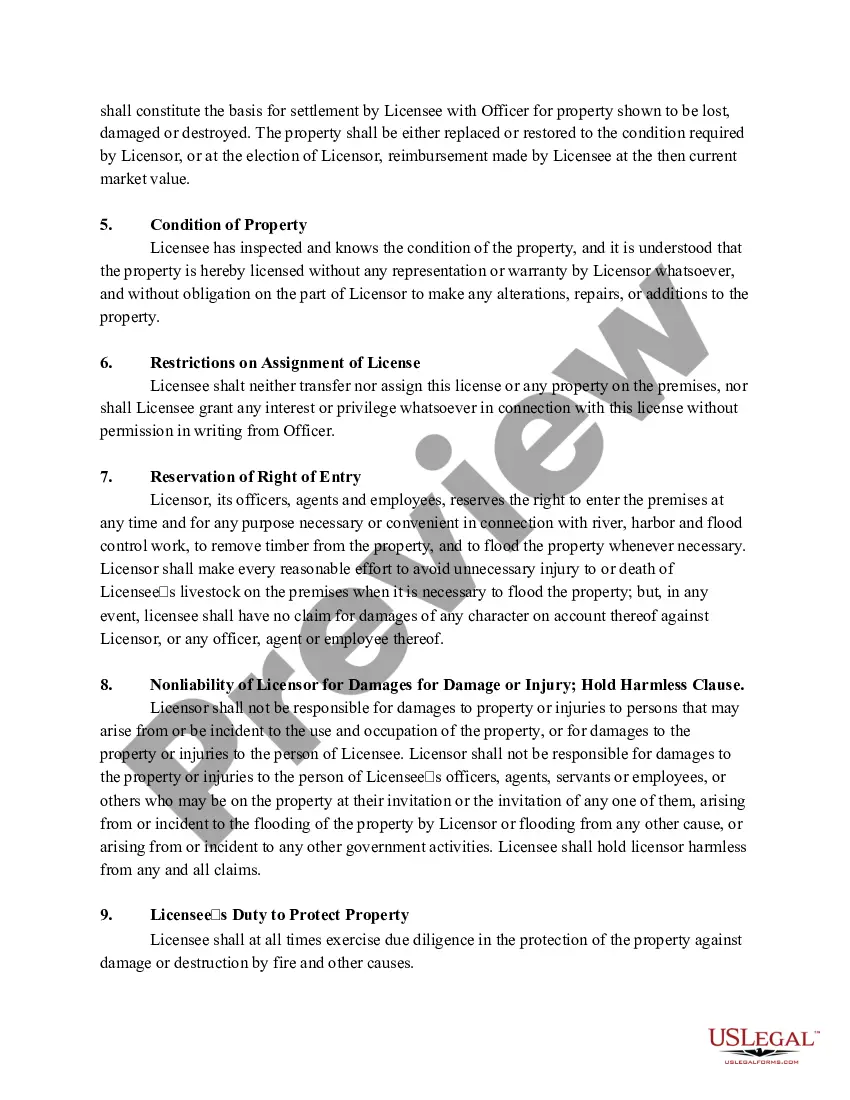
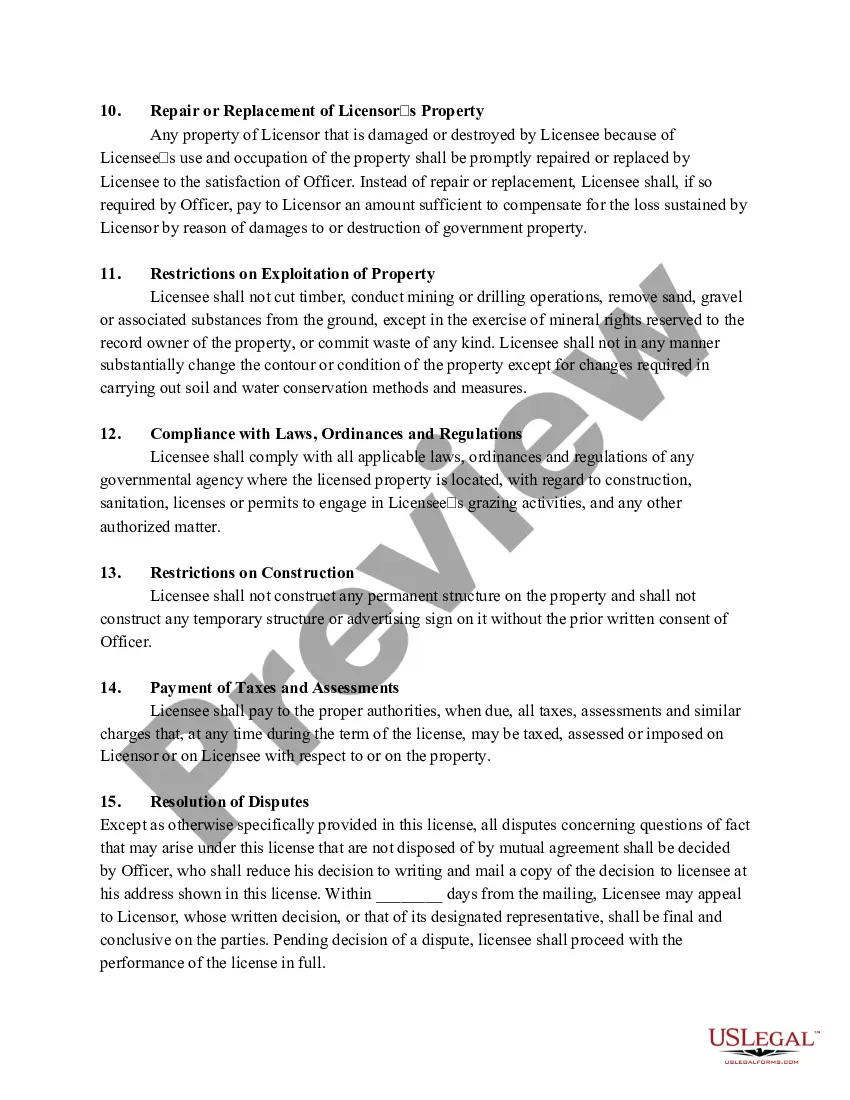
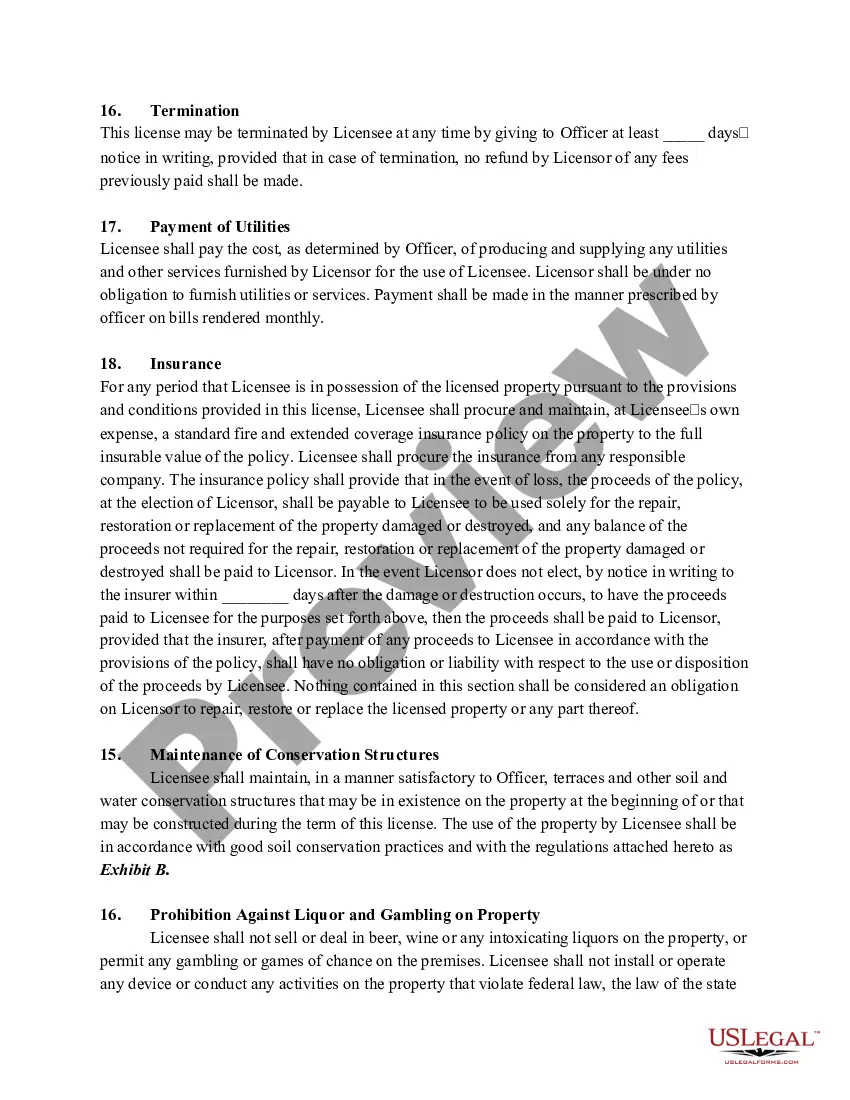
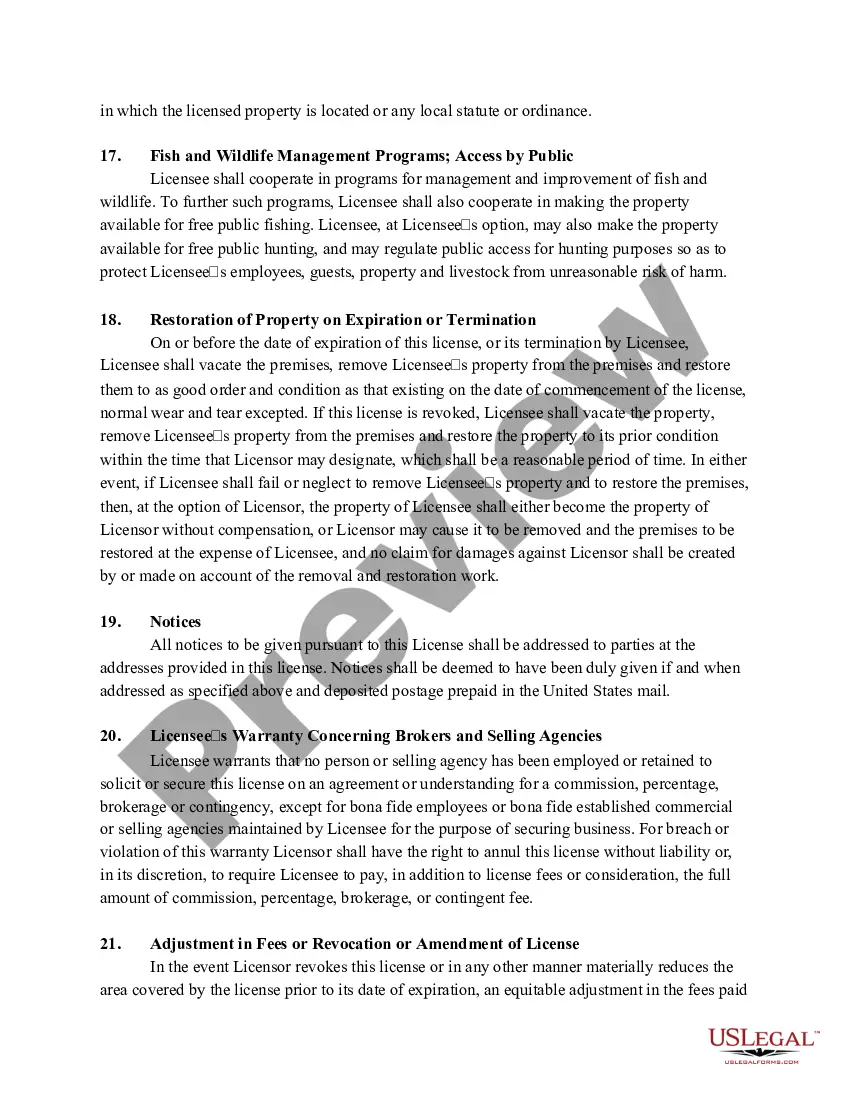
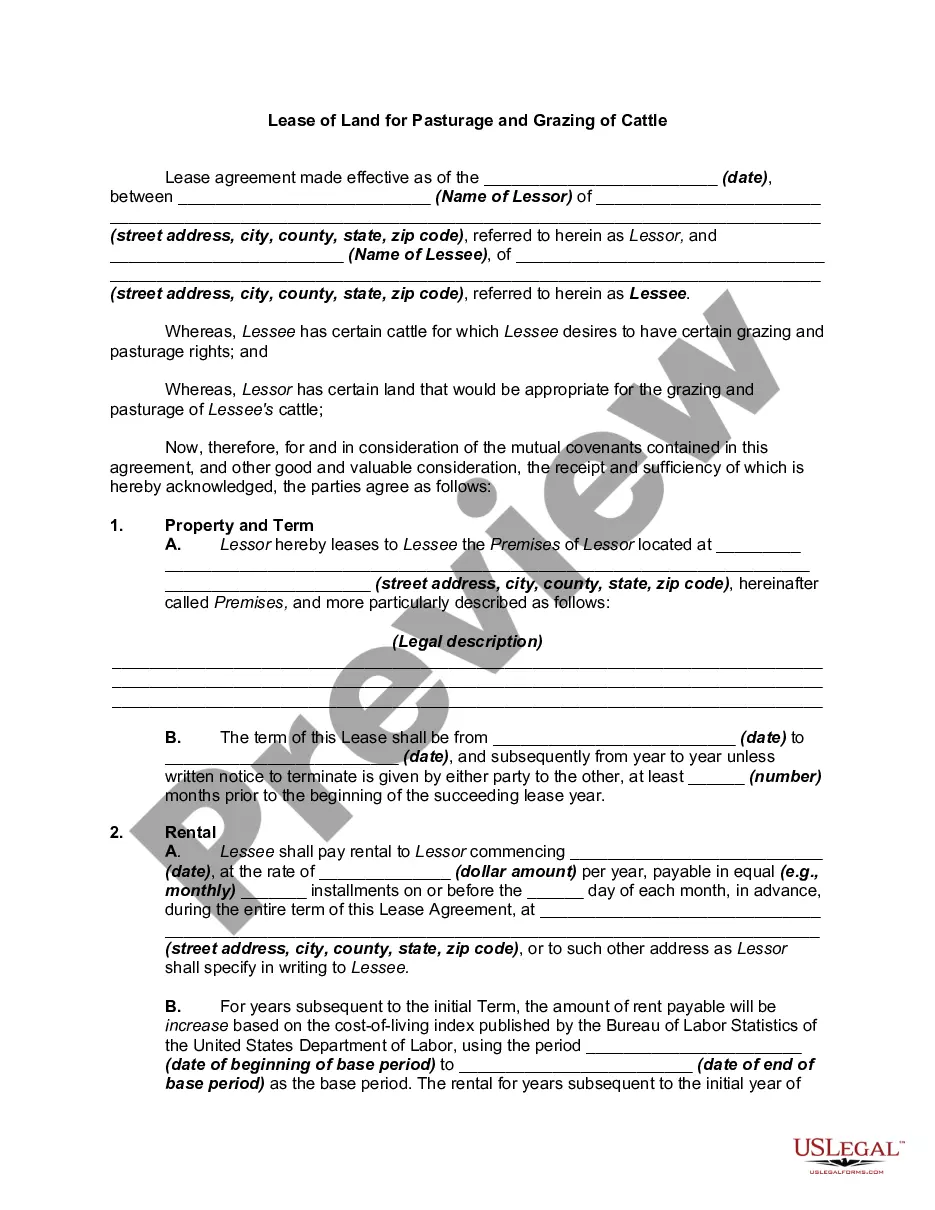
Get your form ready online
Our built-in tools help you complete, sign, share, and store your documents in one place.
Make edits, fill in missing information, and update formatting in US Legal Forms—just like you would in MS Word.
Download a copy, print it, send it by email, or mail it via USPS—whatever works best for your next step.
Sign and collect signatures with our SignNow integration. Send to multiple recipients, set reminders, and more. Go Premium to unlock E-Sign.
If this form requires notarization, complete it online through a secure video call—no need to meet a notary in person or wait for an appointment.
We protect your documents and personal data by following strict security and privacy standards.

Make edits, fill in missing information, and update formatting in US Legal Forms—just like you would in MS Word.

Download a copy, print it, send it by email, or mail it via USPS—whatever works best for your next step.

Sign and collect signatures with our SignNow integration. Send to multiple recipients, set reminders, and more. Go Premium to unlock E-Sign.

If this form requires notarization, complete it online through a secure video call—no need to meet a notary in person or wait for an appointment.

We protect your documents and personal data by following strict security and privacy standards.
Looking for another form?









Form popularity
FAQ
You can grant Qlik Replicate users different permissions ing to the tasks you want them to perform. Four predefined "roles" are available: Admin, Designer, Operator and Viewer.
Device-based and user-based CALs Microsoft offers two types of CALs: device-based CALs (device CAL) and user-based CALs (user CAL). A user CAL must be purchased for every user who accesses the server to use its various services, regardless of how many devices they use to access those services.
In QlikView Server, user-based licenses are either Professional and Analyzer Users licenses, or Client Access Licenses (CALs). A capacity-based license grants a predefined number of time allocations for accessing QlikView that can be used by identified or anonymous users.
This is how an unlicensed version of QlikView (QlikView Personal Edition) appears prior to a license lease being obtained from the QlikView Server. To Lease a license, go to File > Open in Server… from the toolbar at the top. Specify the server name and hit 'Connect'. This action will lease a license from the server.
A Qlik product is licensed and activated using either a serial and control number, or a signed license key. The use of a signed license key is required for Qlik Sense Enterprise SaaS deployments, and for the use of capacity based licenses.
ThinManager has two licensing modes, Standard and Enterprise. Several functions and modules require additional licenses. on a primary and a secondary ThinManager Server so that one will always be available for the ThinManager Ready thin clients.
Licensing your QlikView Server with a Serial Number and LEF Open the QlikView Management Console. Navigate to the tab System. Click Licenses. Select the QlikView Server you wish to license in the Legacy License section. Enter your Serial number in the Serial number text box. Fill out the Control Number.
There are two major license types: one based on access types, and one based on s. Access types licenses are the Professional and Analyzer Users licenses (user-based) and Analyzer Capacity licenses (capacity-based).
Server software access for Windows Server 2016 Standard and Datacenter editions requires access licenses. There are two classes of access licenses: Client Access Licenses (CALs) and External Connectors. There are two categories of access licenses: Base and Additive. There are two types of CALs: User and Device.
A minimum of 8 cores must be licensed for each processor. A minimum of 16 cores must be licensed for each Server.
