Lease License For Alterations In Nevada
Description

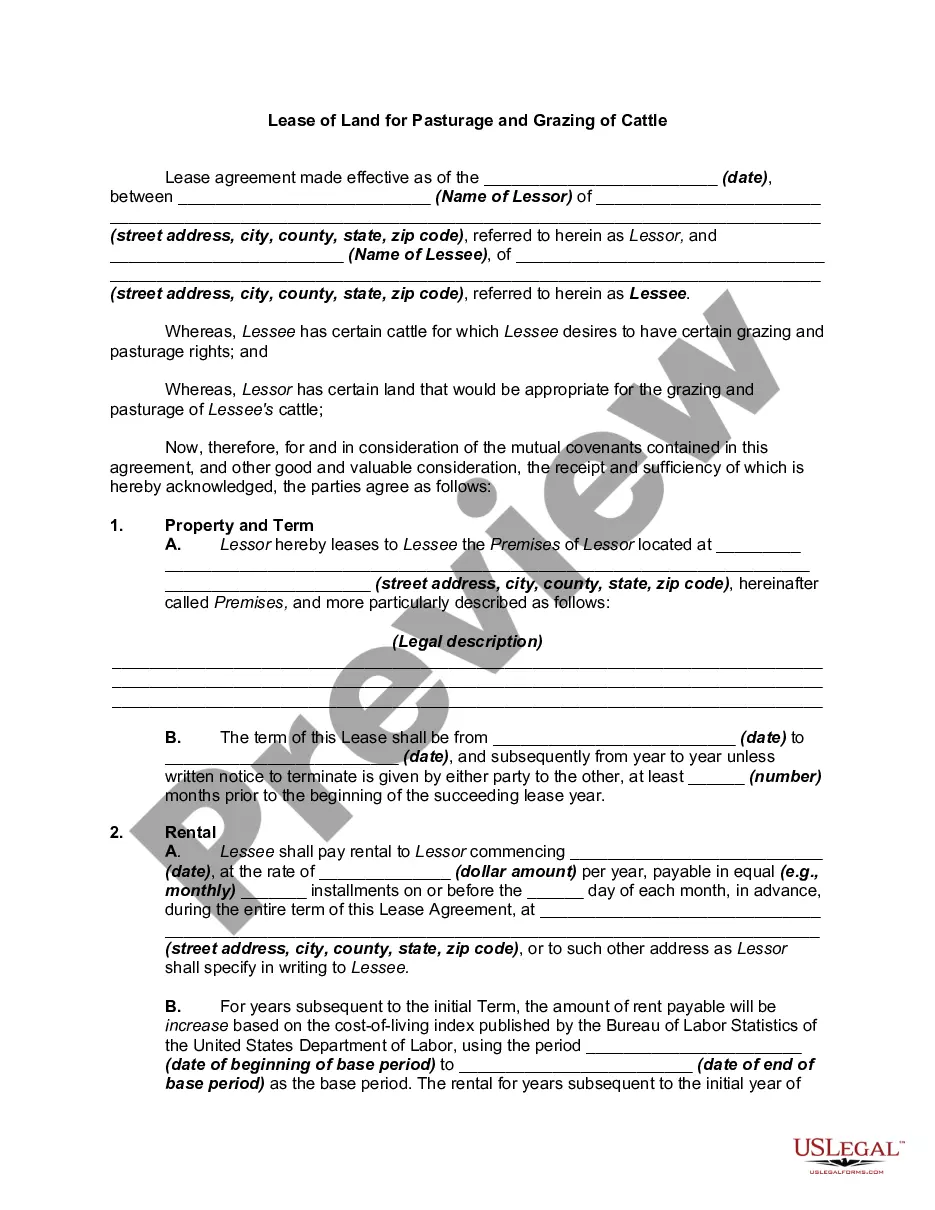
Get your form ready online
Our built-in tools help you complete, sign, share, and store your documents in one place.
Make edits, fill in missing information, and update formatting in US Legal Forms—just like you would in MS Word.
Download a copy, print it, send it by email, or mail it via USPS—whatever works best for your next step.
Sign and collect signatures with our SignNow integration. Send to multiple recipients, set reminders, and more. Go Premium to unlock E-Sign.
If this form requires notarization, complete it online through a secure video call—no need to meet a notary in person or wait for an appointment.
We protect your documents and personal data by following strict security and privacy standards.

Make edits, fill in missing information, and update formatting in US Legal Forms—just like you would in MS Word.

Download a copy, print it, send it by email, or mail it via USPS—whatever works best for your next step.

Sign and collect signatures with our SignNow integration. Send to multiple recipients, set reminders, and more. Go Premium to unlock E-Sign.

If this form requires notarization, complete it online through a secure video call—no need to meet a notary in person or wait for an appointment.

We protect your documents and personal data by following strict security and privacy standards.
Looking for another form?









Form popularity
FAQ
Landlords must honor tenant protections in Nevada, refraining from illegal evictions and improper security deposit withholdings. Adherence to the specific Nevada eviction process is a legal responsibility for landlords.
Nevada tenants have the right to live in a unit that complies with local housing and safety requirements. If there are any existing damages to the unit, the tenant can request the landlord to fix the issue within 14 days of notice. In cases of emergency, the fix may be done within 24 hours' notice.
A Licence to Alter is the formal, written document from your landlord that gives you approval to carry out certain improvements or alterations to your leasehold property, which you need to obtain before you get started. Failure to secure a Licence to Alter will most likely result in a breach of the lease.
Harassment from a landlord due to your disability or your service or assistance animal is illegal under both federal and Nevada state laws. Such harassment can include repeated, unwanted contact, threats, or any behavior that creates a hostile living environment.
Nevada law requires a thirty-day notice to the tenant (or a seven-day notice if the tenant pays rent weekly), followed by a second five-day Notice to Quit for Unlawful Detainer (after the first notice period has elapsed) instructing the tenant to leave because tenant's presence is now unlawful.
Can I rent, or advertise, a room in my property as a Short-Term Rental Unit without a license? No. In order to advertise your property, you must have a business license to operate a Short-Term Rental Unit from the County and this permits to both rent and advertise a room for thirty (30) consecutive days or less.
There is no hard and fast rule under Nevada law as to when and if a Landlord has a duty to replace carpet except that the Landlord must keep the premises habitable.
In order to advertise your property, you must have a business license to operate a Short-Term Rental Unit from the County and this permits to both rent and advertise a room for thirty (30) consecutive days or less.
"Normal wear" means that deterioration which occurs without negligence, carelessness or abuse of the premises, equipment or chattels by the tenant, a member of the tenant's household or other person on the premises with the tenant's consent.
