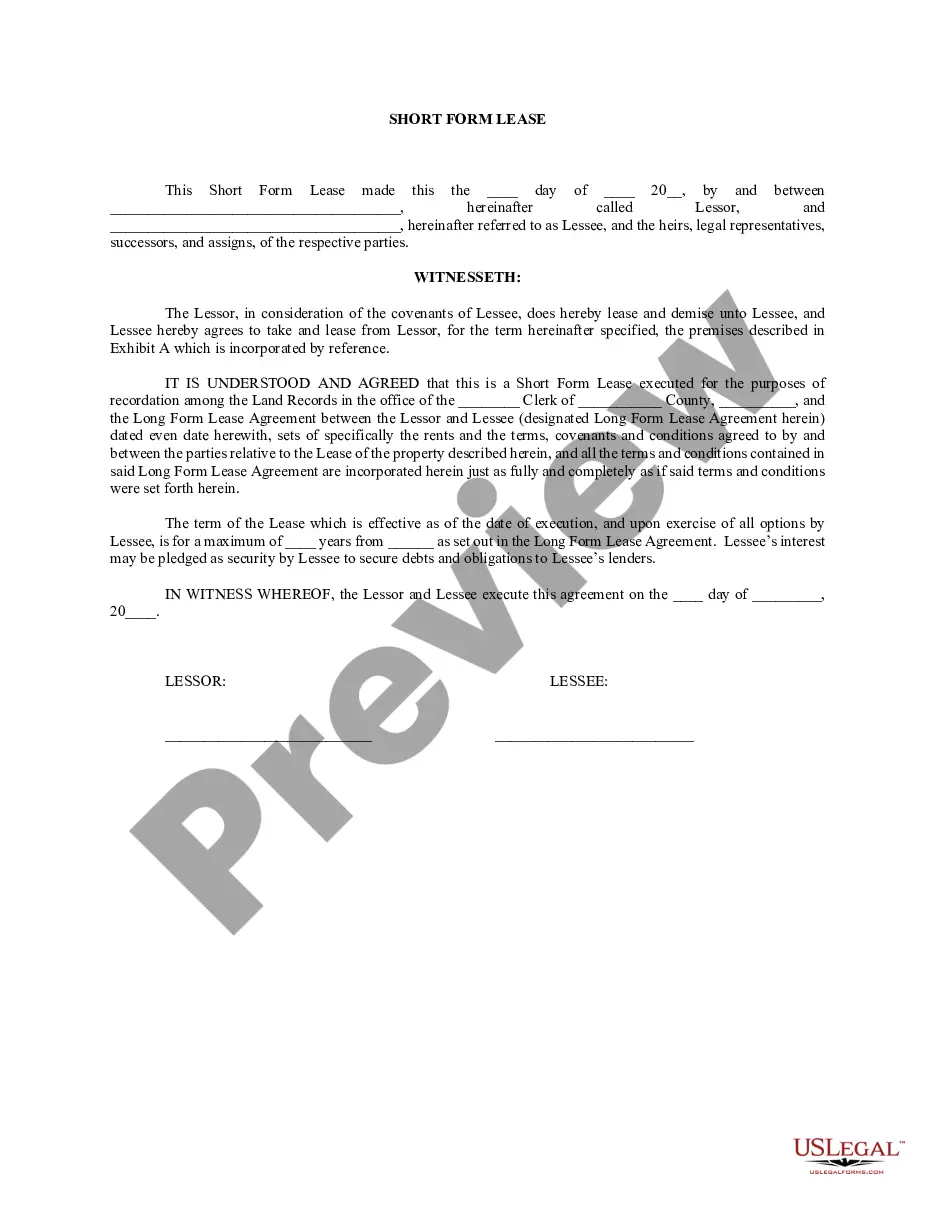
Tenancy Agreement For Rental In Middlesex
Description
Get your form ready online
Our built-in tools help you complete, sign, share, and store your documents in one place.
Make edits, fill in missing information, and update formatting in US Legal Forms—just like you would in MS Word.
Download a copy, print it, send it by email, or mail it via USPS—whatever works best for your next step.
Sign and collect signatures with our SignNow integration. Send to multiple recipients, set reminders, and more. Go Premium to unlock E-Sign.
If this form requires notarization, complete it online through a secure video call—no need to meet a notary in person or wait for an appointment.
We protect your documents and personal data by following strict security and privacy standards.

Make edits, fill in missing information, and update formatting in US Legal Forms—just like you would in MS Word.

Download a copy, print it, send it by email, or mail it via USPS—whatever works best for your next step.

Sign and collect signatures with our SignNow integration. Send to multiple recipients, set reminders, and more. Go Premium to unlock E-Sign.

If this form requires notarization, complete it online through a secure video call—no need to meet a notary in person or wait for an appointment.

We protect your documents and personal data by following strict security and privacy standards.
Looking for another form?





Form popularity
FAQ
You can usually let other people live with you while you are the tenant as long as your home is not overcrowded. You should ask your landlord before anyone moves in if your agreement says you have to. Sometimes a landlord's insurance company or mortgage lender asks for this to be in the tenancy agreement.
Tenancy in common is a type of ownership where two or more people own the property, but their share of ownership is not equal. For example, one person might own 50 percent of the property while two other people each own 25 percent. This division of ownership does not refer to the use or enjoyment of the property.
You have the 'right to unwind' a tenancy agreement if you signed it because of misleading information given by the landlord or agent. Not mentioning something does not count as misleading information although this could still be an unfair trading practice.
You don't need to do anything, as long as you're not sharing a kitchen or bathroom with the landlord you can have anyone you like living with you.
Each person named on the tenancy agreement needs to sign the agreement and all tenants must be over 18 years old. If someone under the age of 18 is occupying the property they can be named as an occupier but not legally sign the agreement.
If you're married or in a civil partnership Your partner will have rights in the home after they move in, even if they're not on the tenancy agreement: you cannot end the tenancy without their permission, unless you apply for a court order.
Assured Tenancy (AT) and Assured Shorthold Tenancy (AST) agreements offer more security than other tenancies as they offer the tenant more rights. For an agreement to be an Assured Tenancy, the tenant needs to occupy the property as their sole residence, and they have to be an individual, not a company.
The tenancy agreement should include: the deposit amount and how it will be protected. when the deposit can be fully or partly withheld, for example to repair damage caused by tenants. the property address. the start and end date of the tenancy. any tenant or landlord obligations. which bills your tenants are responsible for.
The most common types include joint tenancy, tenancy in common, tenants by entirety, sole ownership, and community property.
Whilst an AST can last for any duration, tenants have a legal right to stay in a property for a minimum of six months. This applies whether the AST was for a shorter term than this or not.
