Difference Between Lease And Rental Agreement In Miami-Dade
Description

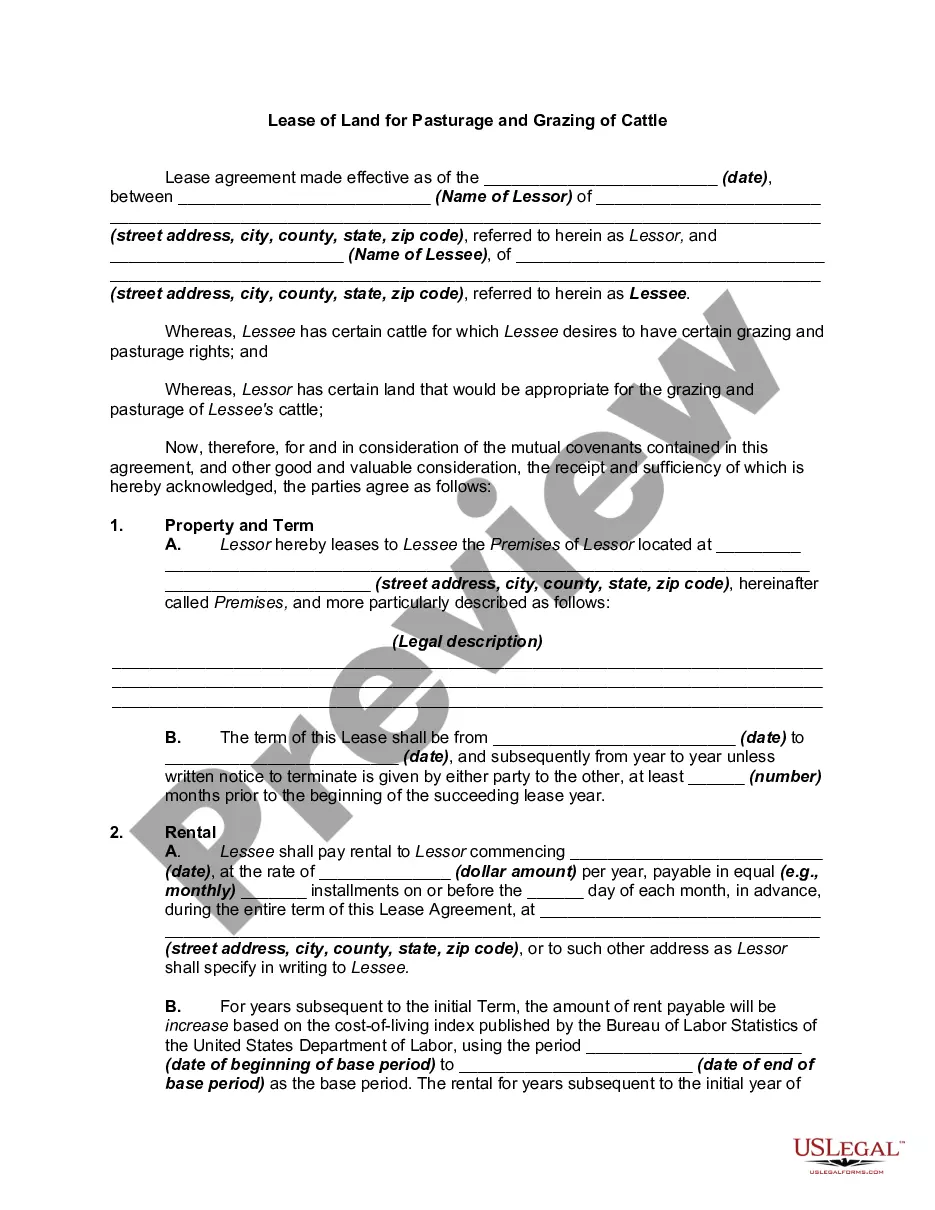
Get your form ready online
Our built-in tools help you complete, sign, share, and store your documents in one place.
Make edits, fill in missing information, and update formatting in US Legal Forms—just like you would in MS Word.
Download a copy, print it, send it by email, or mail it via USPS—whatever works best for your next step.
Sign and collect signatures with our SignNow integration. Send to multiple recipients, set reminders, and more. Go Premium to unlock E-Sign.
If this form requires notarization, complete it online through a secure video call—no need to meet a notary in person or wait for an appointment.
We protect your documents and personal data by following strict security and privacy standards.

Make edits, fill in missing information, and update formatting in US Legal Forms—just like you would in MS Word.

Download a copy, print it, send it by email, or mail it via USPS—whatever works best for your next step.

Sign and collect signatures with our SignNow integration. Send to multiple recipients, set reminders, and more. Go Premium to unlock E-Sign.

If this form requires notarization, complete it online through a secure video call—no need to meet a notary in person or wait for an appointment.

We protect your documents and personal data by following strict security and privacy standards.
Looking for another form?






Form popularity
FAQ
The landlord cannot make the late penalty too high, he cannot include provisions that make you forfeit your personal property without going to court, nor can he throw you out without going to court for nonpayment of rent. These are illegal provisions and will not be recognized by the courts.
Lease amendment forms usually include the following: Identification of the original lease. Names and contact information of landlord and tenant. Property address. Date of amendment. Specific clauses to modify. Details of the changes. Confirmation that all other lease terms remain unchanged. Signatures of both parties.
As a landlord, you may want to end a rental agreement early. In Florida, you can only terminate a residential lease before its expiration for cause (i.e., the tenant has violated the lease in some way). You will also have to go through the formal eviction process to evict a tenant.
A lease is a legal document that establishes the lease terms and conditions between a landlord and tenant. In contrast, a contract to lease is an agreement between the landlord) and tenant that outlines the specific terms and conditions in the actual lease agreement.
A Florida Landlord may not want to renew a Tenant's Lease for several reasons. However, they are not required to disclose them. While some leases require that that they give notice of non-renewal, others do not.
Whether annual or month-to-month, your landlord is unable to make any substantial changes to your lease agreement prior to the contract's expiration date or without your express consent. Though lease agreements are not always written, it is in always in your best interest to have an official written contract.
In a rental agreement, the tenant pays a fixed monthly rent, and utilities and some services may be included. In a leasing agreement, the lessee pays a fixed monthly lease payment, and they may have additional expenses such as utilities, maintenance, and repairs.
In some areas, renting may be more economical than leasing and vice versa. Personal Needs: Think about your lifestyle, job stability, and family needs. If you value flexibility, renting might be better; if you prefer stability and are planning to settle down, leasing could be advantageous.
