License For Lease In Kings
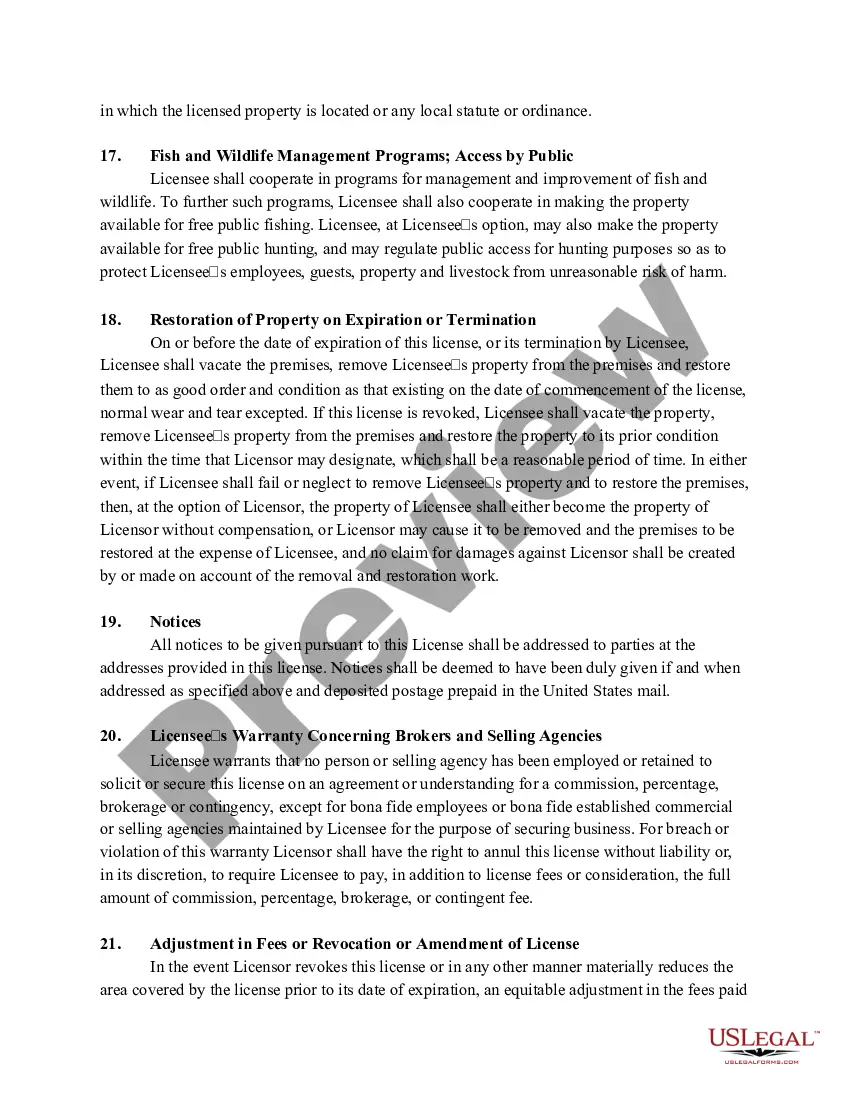
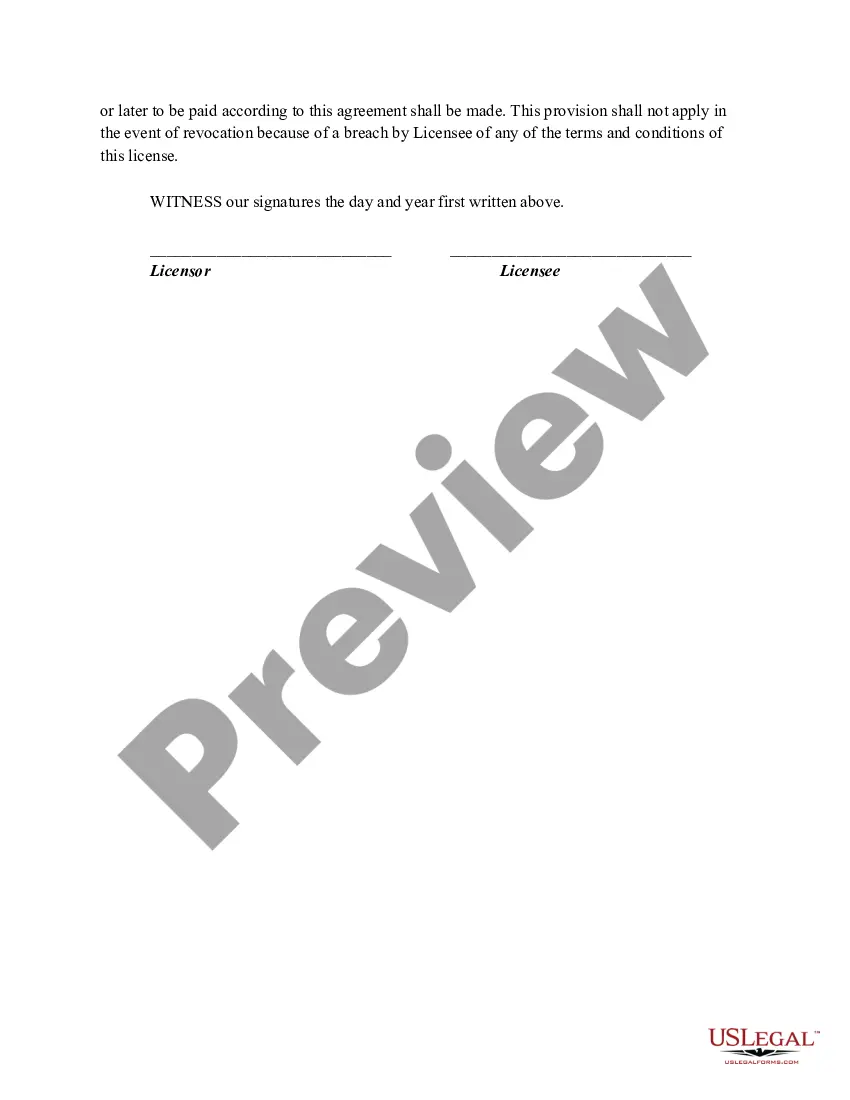
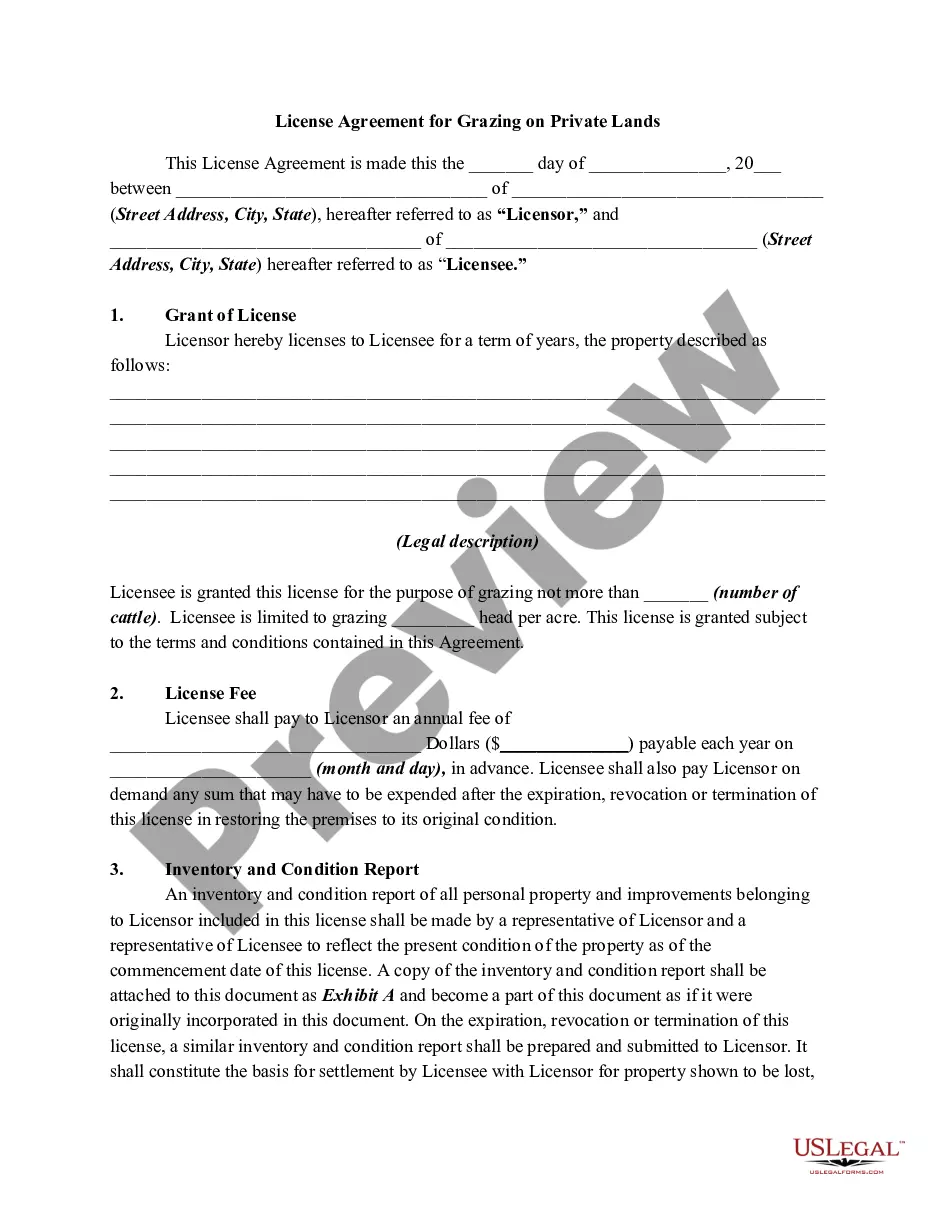
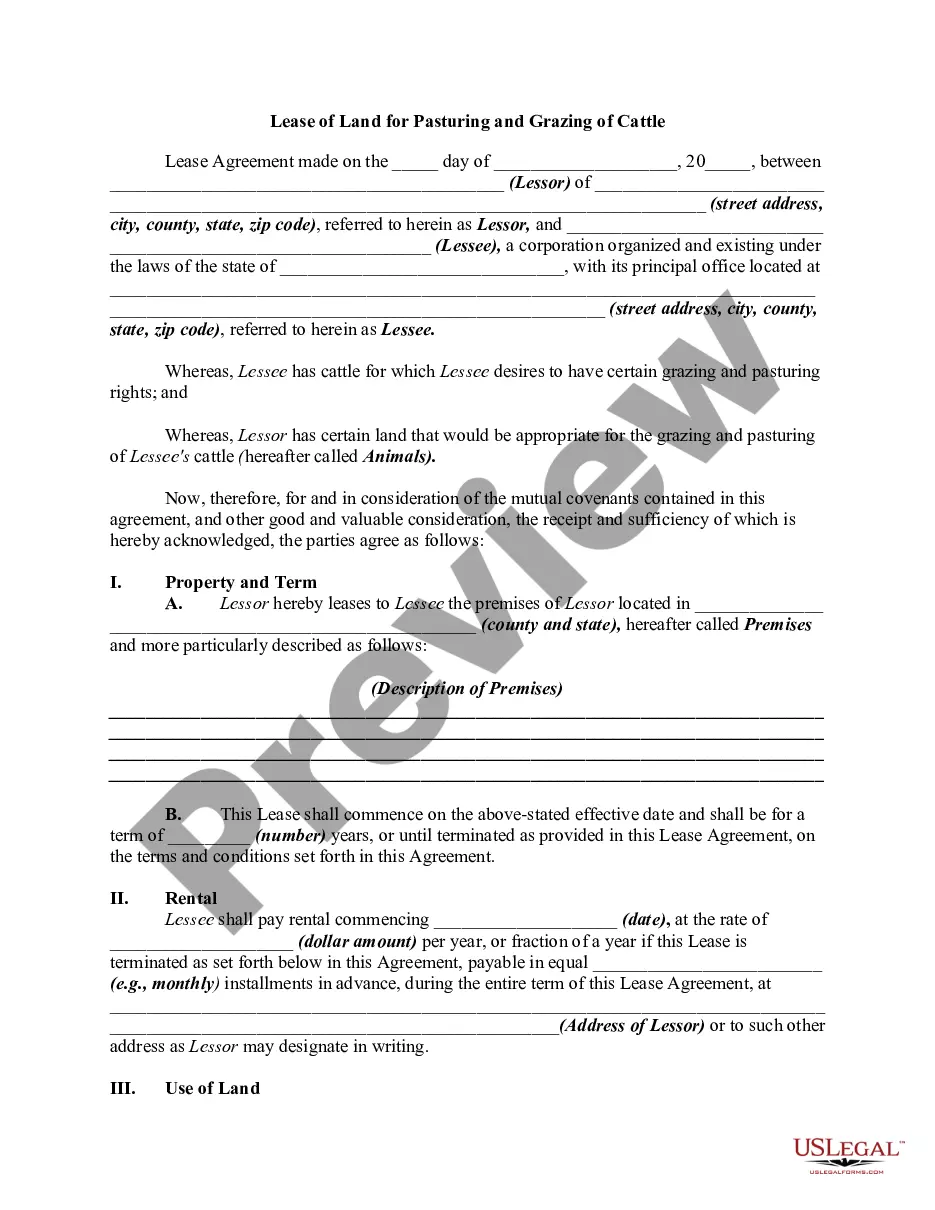
Description
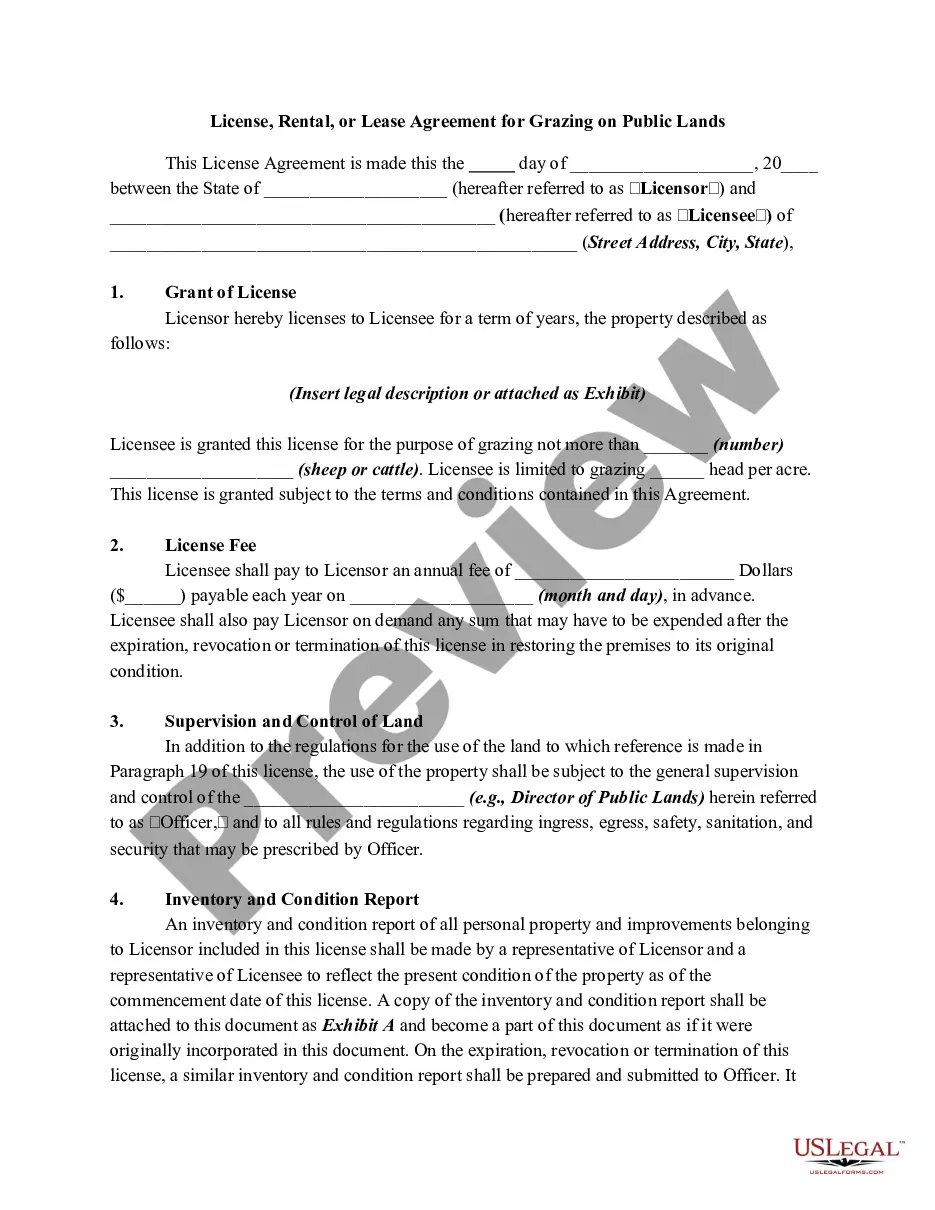
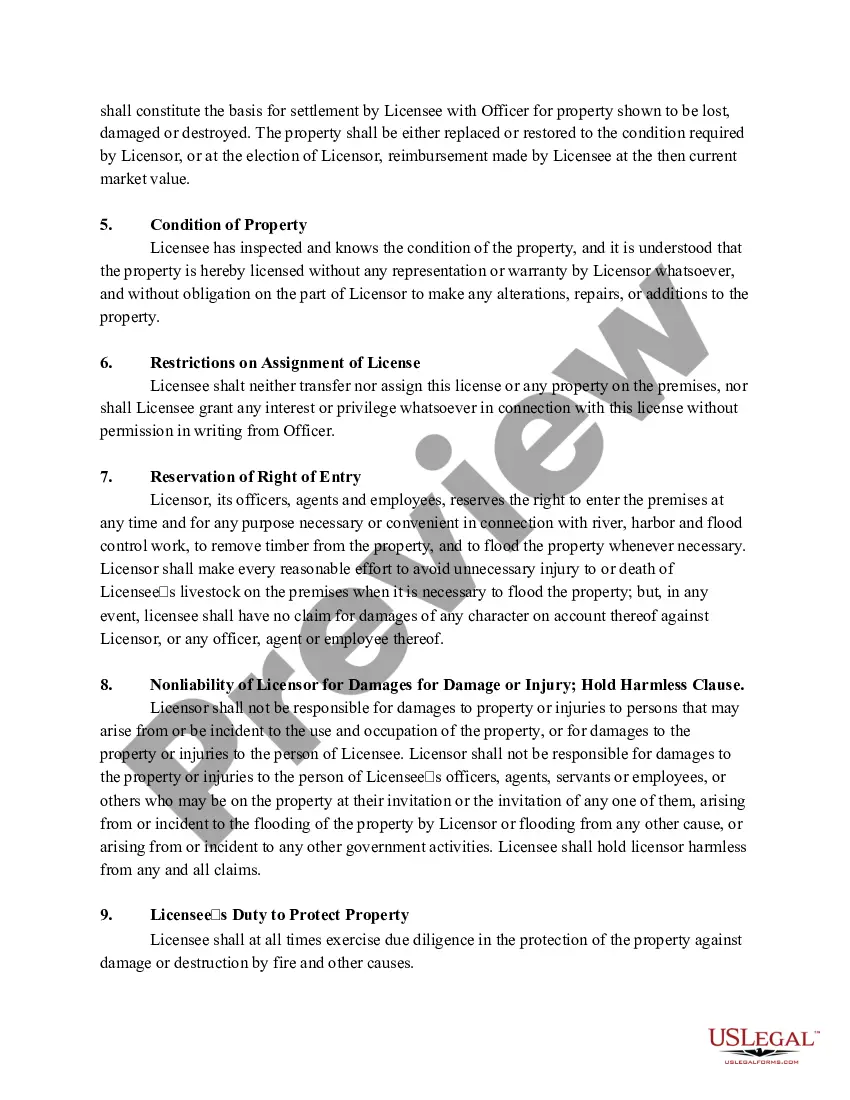
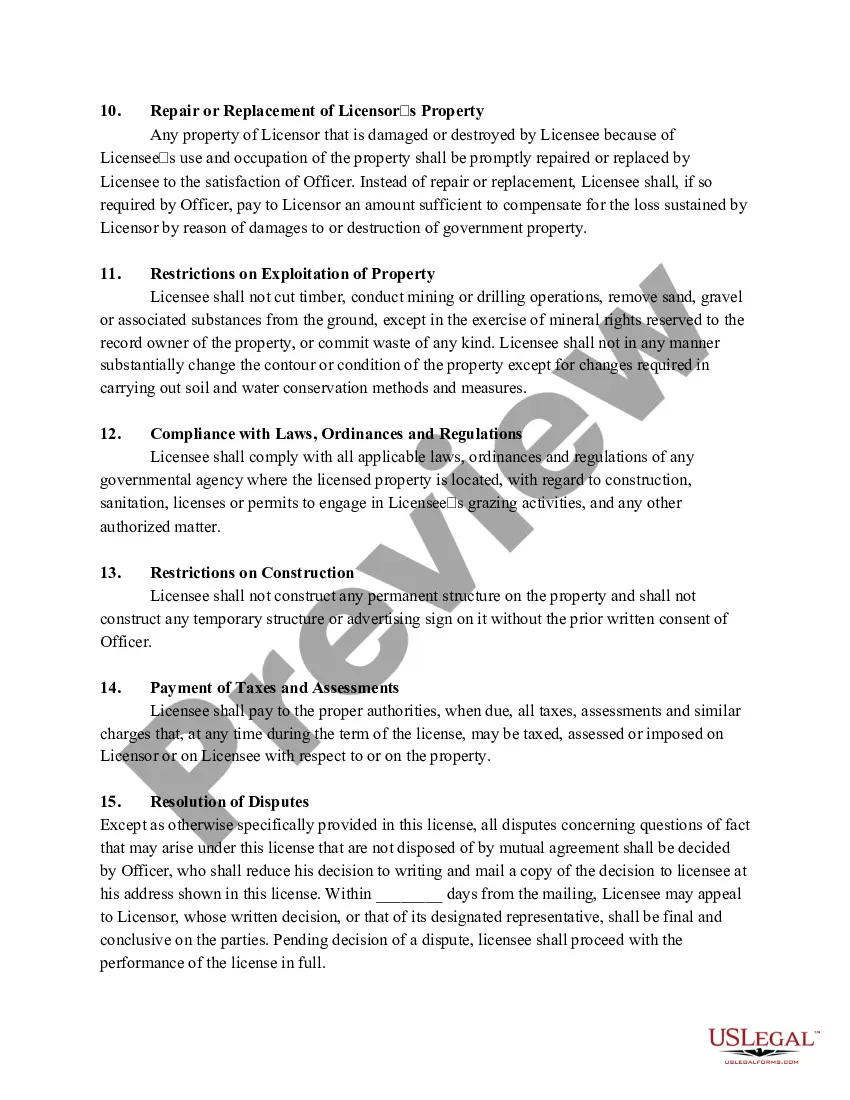
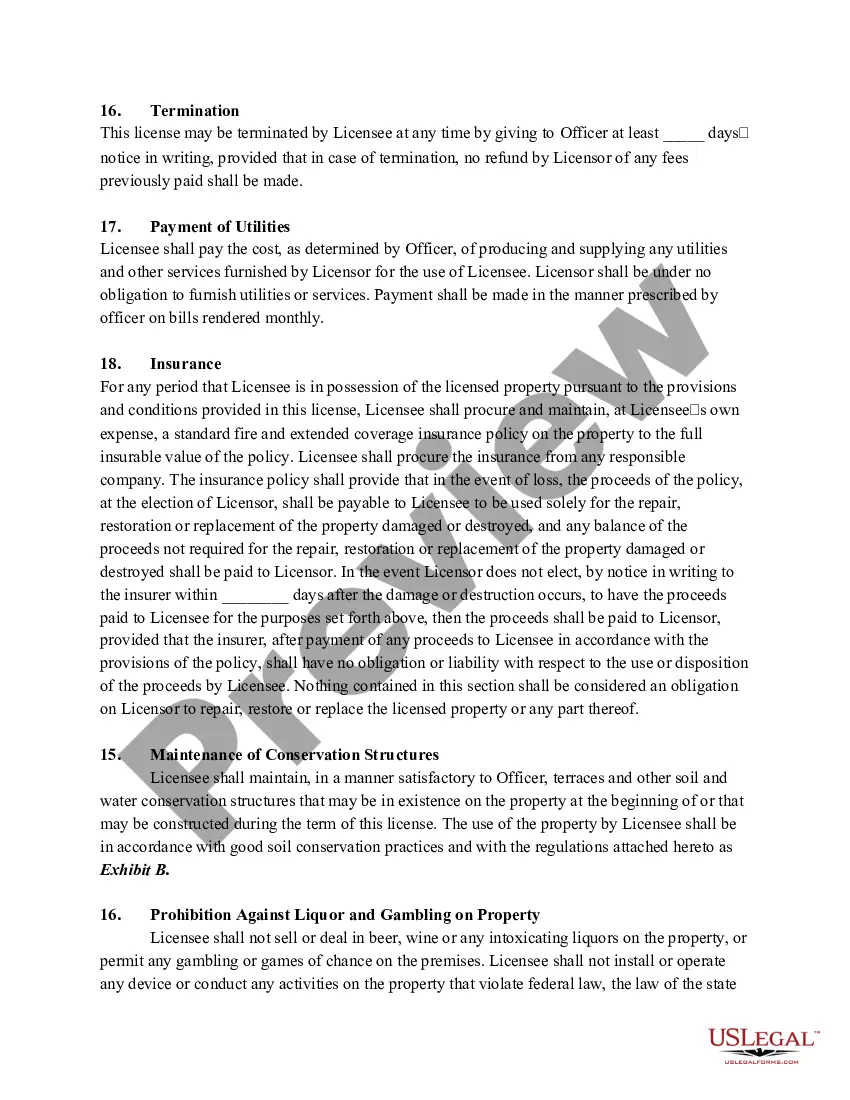
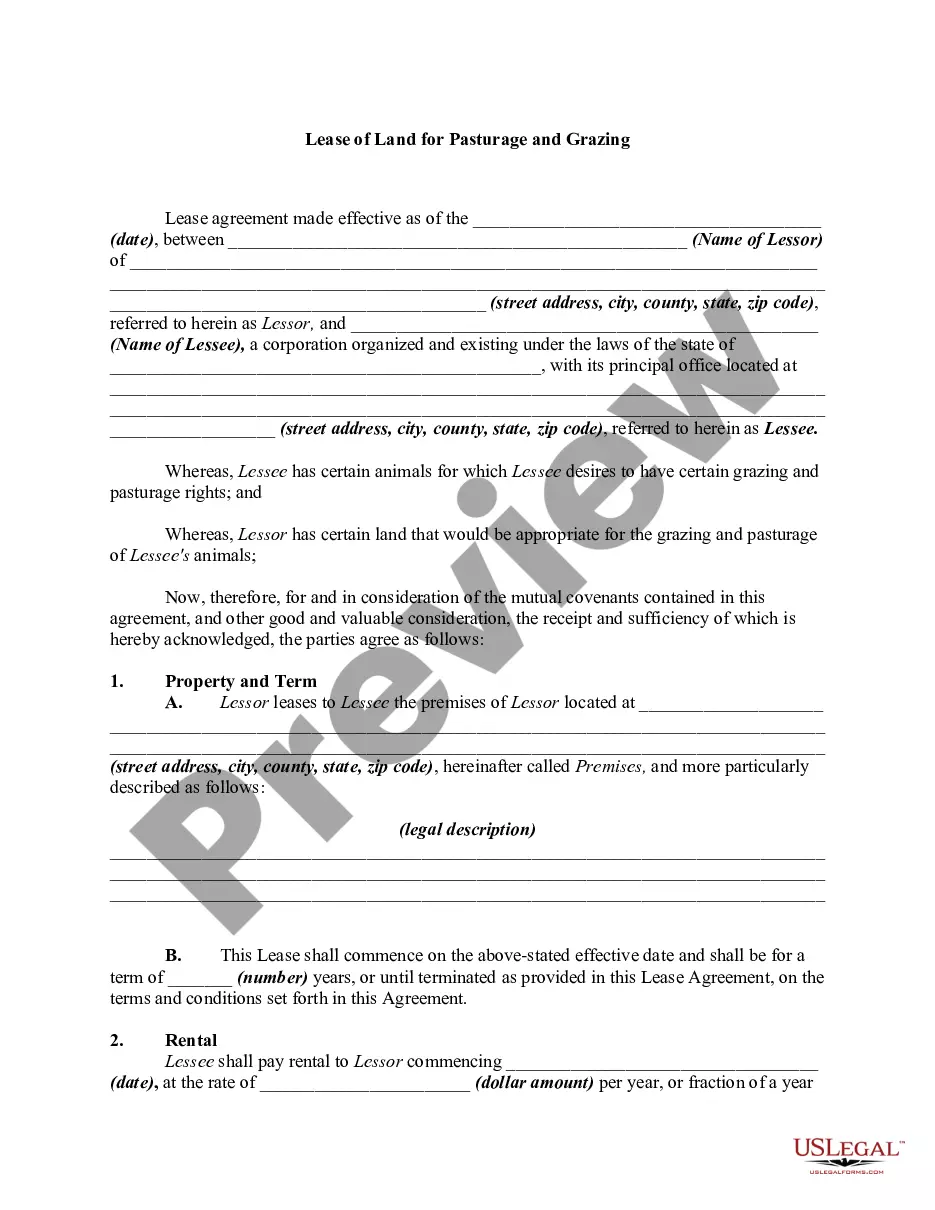
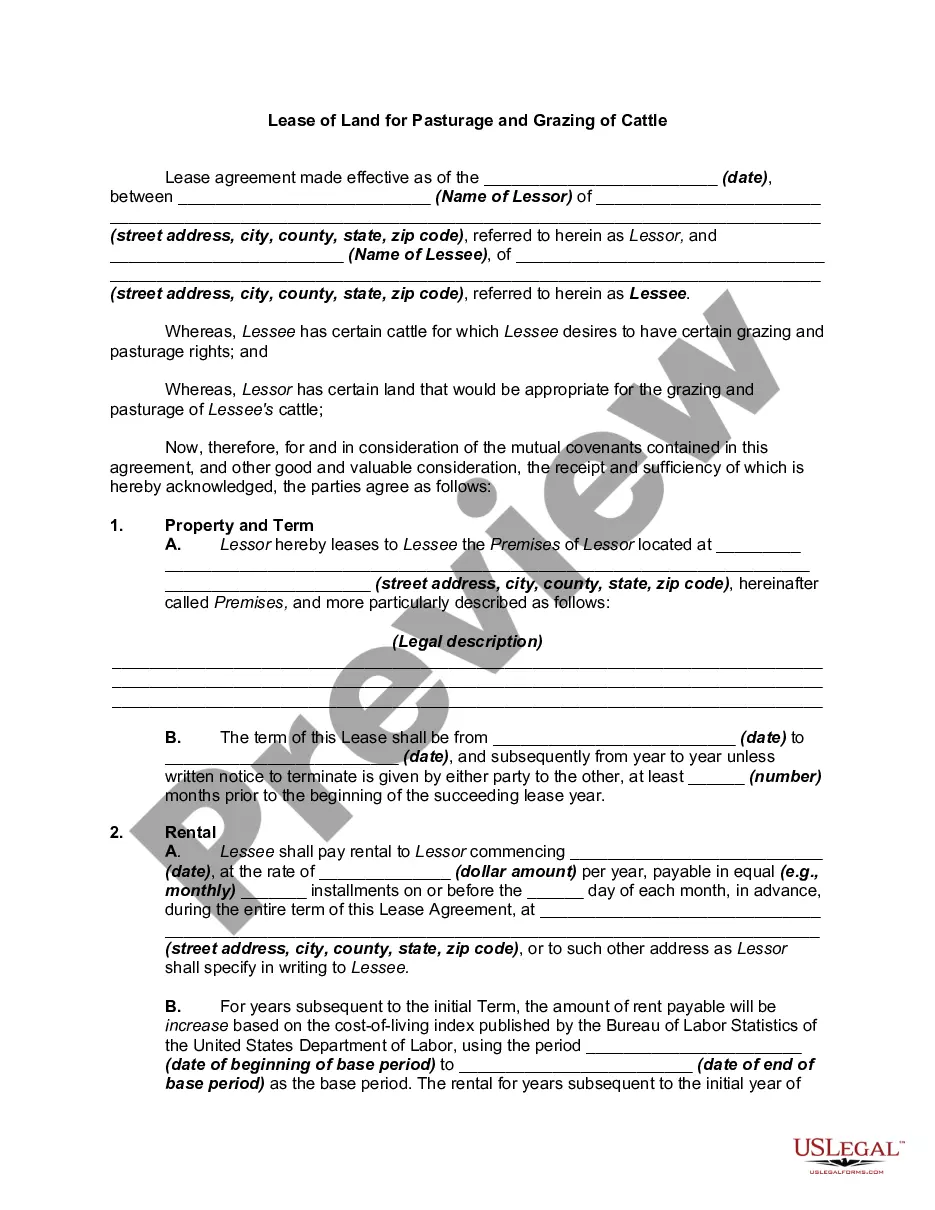
Get your form ready online
Our built-in tools help you complete, sign, share, and store your documents in one place.
Make edits, fill in missing information, and update formatting in US Legal Forms—just like you would in MS Word.
Download a copy, print it, send it by email, or mail it via USPS—whatever works best for your next step.
Sign and collect signatures with our SignNow integration. Send to multiple recipients, set reminders, and more. Go Premium to unlock E-Sign.
If this form requires notarization, complete it online through a secure video call—no need to meet a notary in person or wait for an appointment.
We protect your documents and personal data by following strict security and privacy standards.

Make edits, fill in missing information, and update formatting in US Legal Forms—just like you would in MS Word.

Download a copy, print it, send it by email, or mail it via USPS—whatever works best for your next step.

Sign and collect signatures with our SignNow integration. Send to multiple recipients, set reminders, and more. Go Premium to unlock E-Sign.

If this form requires notarization, complete it online through a secure video call—no need to meet a notary in person or wait for an appointment.

We protect your documents and personal data by following strict security and privacy standards.
Looking for another form?









Form popularity
FAQ
After the expiry of 99 years, the ownership will be given back to the original landowner. But, why are housing or commercial property lease agreements for 99 years? Housing Authorities like DDA and NOIDA allot residential Flats or Land on 99 years or Perpetual Lease. The objective is to ensure controlled development.
A license connotes the use or occupancy of the grantor's premises. But a lease grants exclusive possession of designated space to a tenant, subject to rights specifically reserved by the lessor. A license is cancellable at will and without cause.
While renting offers the flexibility, leasing provides the freedom. On the other hand, renting is usually viewed as a temporary arrangement, whereas leasing is considered long-term. Thus, the type of agreement to choose boils down to the specific needs of both parties involved in the transaction.
Tenancy is a kind of ownership over the property. A tenant is someone who is permitted to occupy the property of another person, by signing a lease or rental agreement. The rental agreement empowers the tenant in some ways but also restricts them from taking overall legal ownership of the property.
In simple words, a lease is an agreement made between two parties or companies. Here, one of the parties permits the other party to use and control an asset for a definite period without really buying it. This is not renting but it is a form of renting as per the lease house meaning.
Key Takeaways. A lease is a legal, binding contract outlining the terms under which one party agrees to rent property owned by another party. It guarantees the tenant or lessee use of the property and, in exchange, regular payments for a specified period to the property owner or landlord.
If a lease is not registered on title, your claim to occupancy does not appear on the registered land title. So, if the property you are leasing is sold, the new owner may not have to recognize or abide by the terms of your lease.
Review the Lease Agreement. The assignor (current tenant) should review the existing lease agreement to understand the terms and conditions associated with the lease assignment. Obtain Landlord's Consent. Negotiate Terms. Deed of Assignment. Land Registry Notification. Completion and Handover.
The key distinguishing feature is exclusive possession. If the occupier has exclusive possession of the premises for a term at a rent, and the agreement doesn't fall into any exceptional categories, it's likely to be a lease, regardless of what the agreement is called.
