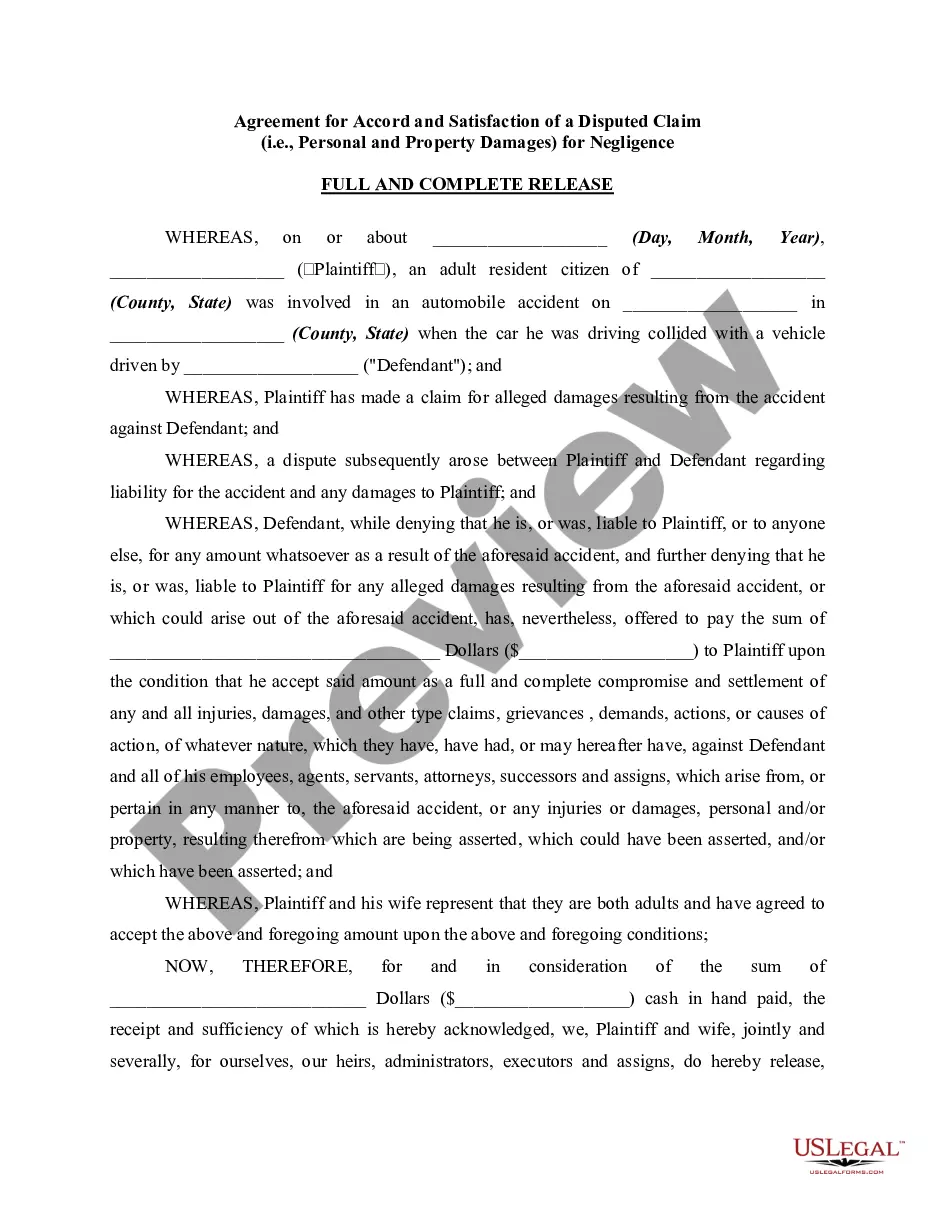
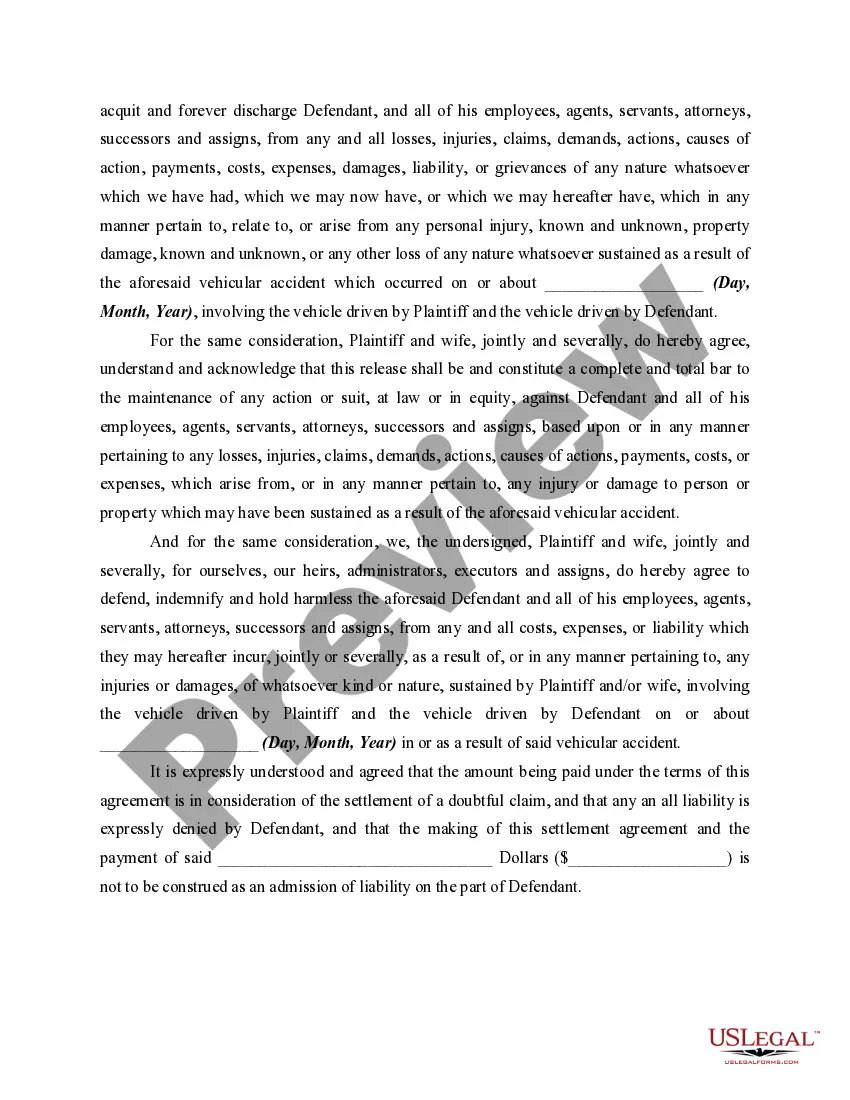
Personal Property Damages For Rent In Tarrant
Description

Get your form ready online
Our built-in tools help you complete, sign, share, and store your documents in one place.
Make edits, fill in missing information, and update formatting in US Legal Forms—just like you would in MS Word.
Download a copy, print it, send it by email, or mail it via USPS—whatever works best for your next step.
Sign and collect signatures with our SignNow integration. Send to multiple recipients, set reminders, and more. Go Premium to unlock E-Sign.
If this form requires notarization, complete it online through a secure video call—no need to meet a notary in person or wait for an appointment.
We protect your documents and personal data by following strict security and privacy standards.

Make edits, fill in missing information, and update formatting in US Legal Forms—just like you would in MS Word.

Download a copy, print it, send it by email, or mail it via USPS—whatever works best for your next step.

Sign and collect signatures with our SignNow integration. Send to multiple recipients, set reminders, and more. Go Premium to unlock E-Sign.

If this form requires notarization, complete it online through a secure video call—no need to meet a notary in person or wait for an appointment.

We protect your documents and personal data by following strict security and privacy standards.
Looking for another form?

Form popularity
FAQ
The landlord is not responsible for any damages to your personal possessions caused by incidents such as fire, a bathtub overflow from a neighboring unit, plumbing leaks, or flooding unless negligence on the part of the landlord can be demonstrated.
Photos or a video taken at the pre-move-out inspection, if any, and then after the tenant left, that show a mess or damage. Copies of inventory sheets (if any were prepared) detailing the condition of the rental unit when the tenant moved in and out, signed by the landlord and tenant.
What Happens if I Lose My Small Claims Case? If the judgment is in favor of the defendant, you can file a motion for new trial within 14 days of the judgment. That means that you want a “do over” in the same justice court. You would need to show that justice wasn't done in the original case.
Most Tarrant County precincts allow you to file your small claims lawsuit through the following methods: In-person. You can go to the court you wish to file your small claims lawsuit and file the forms with a court clerk in person. Online. Some Tarrant County precincts allow e-filing or electronic filing. By mail.
While some may think the tenant is completely responsible, this is not always true. In Texas, landlords have the legal authority to sue their tenants for damages to their rental property under specific conditions. However, certain principles and processes must be followed to pursue legal action properly.
Key Elements of the Letter Property Details: Refer to the property in question, preferably by its full address. Detail of the Damage: Be specific about what damage has occurred. Include dates if possible. Pictures or Evidence: If you can, provide evidence of the damage.
Security Deposit: California law allows landlords to withhold a portion of the security deposit for cleaning costs if the carpets are not left in a clean condition. It's advisable for tenants to document the condition of the carpets when moving in and out to avoid disputes.
Right to Repair is simple. It requires manufacturers to provide owners and independent repair businesses with fair access to service information and affordable replacement parts. So you can fix the stuff you own quickly—and get back on with your life.
Texas law does not allow tenants to withhold rent if their landlord hasn't made repairs. If you illegally withhold some or all of the rent, you could be liable to your landlord for one month's rent plus $500 and attorney's fees. This law is in Texas Property Code Section 92.058.
