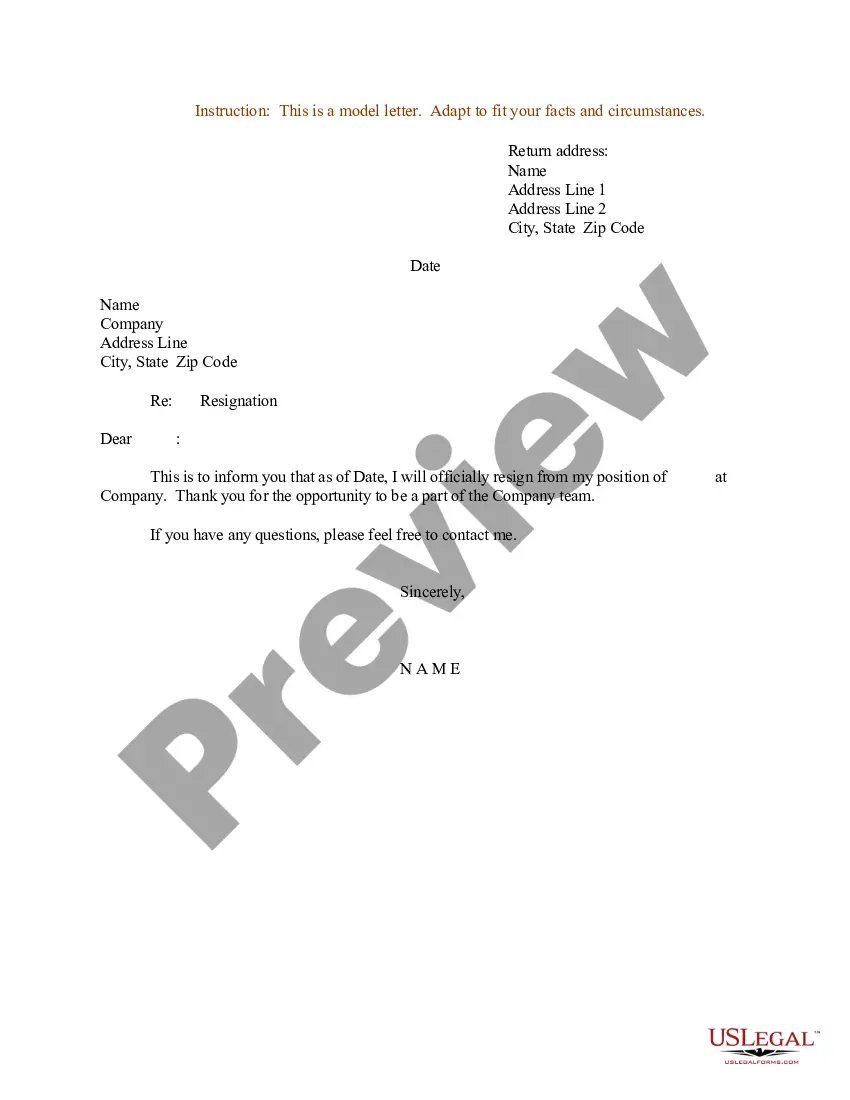
Resignation Letter with Holiday Entitlement Template
Understanding this form
The Resignation Letter with Holiday Entitlement Template is a formal letter that allows an employee to resign from their position while also addressing any holiday entitlement they may have accrued. This form serves as a clear communication tool that distinguishes itself from standard resignation letters by incorporating specific references to holiday leave, ensuring that the employee's entitlements are acknowledged at the time of departure. Utilizing this template can streamline the resignation process and help protect the employeeâs rights related to accrued vacation days.
Key parts of this document
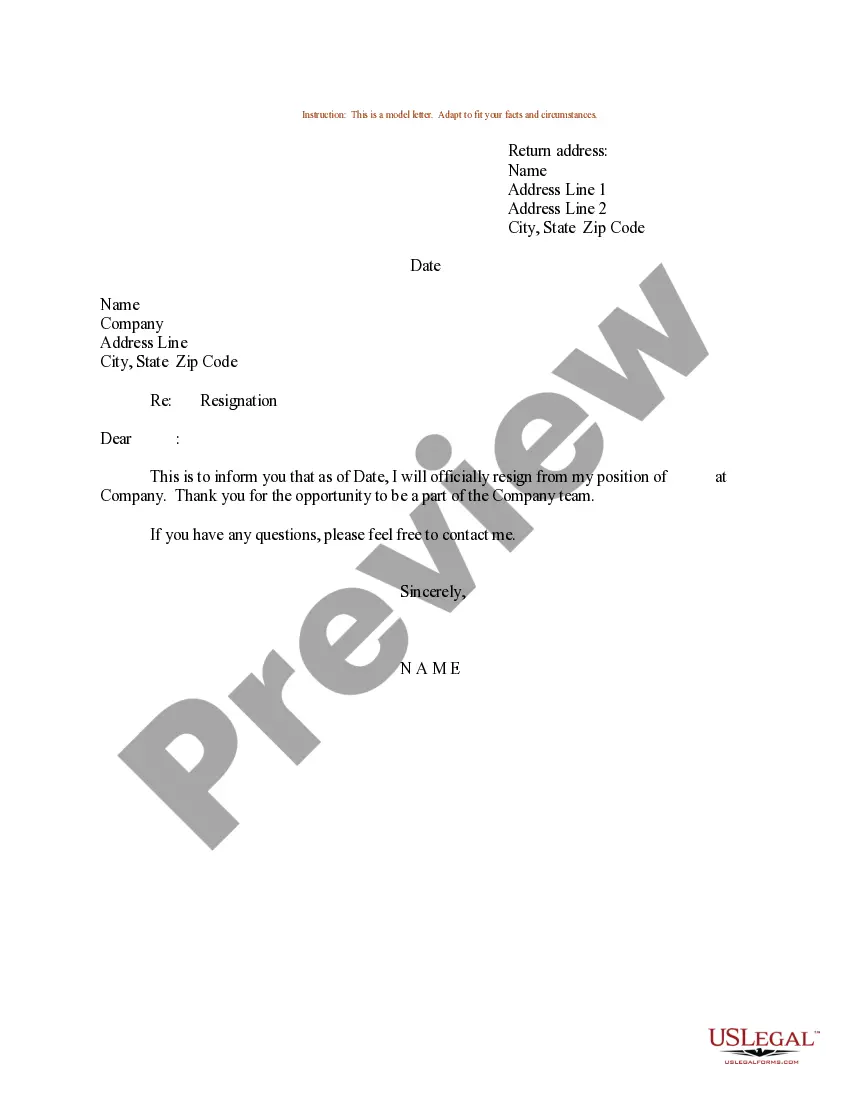
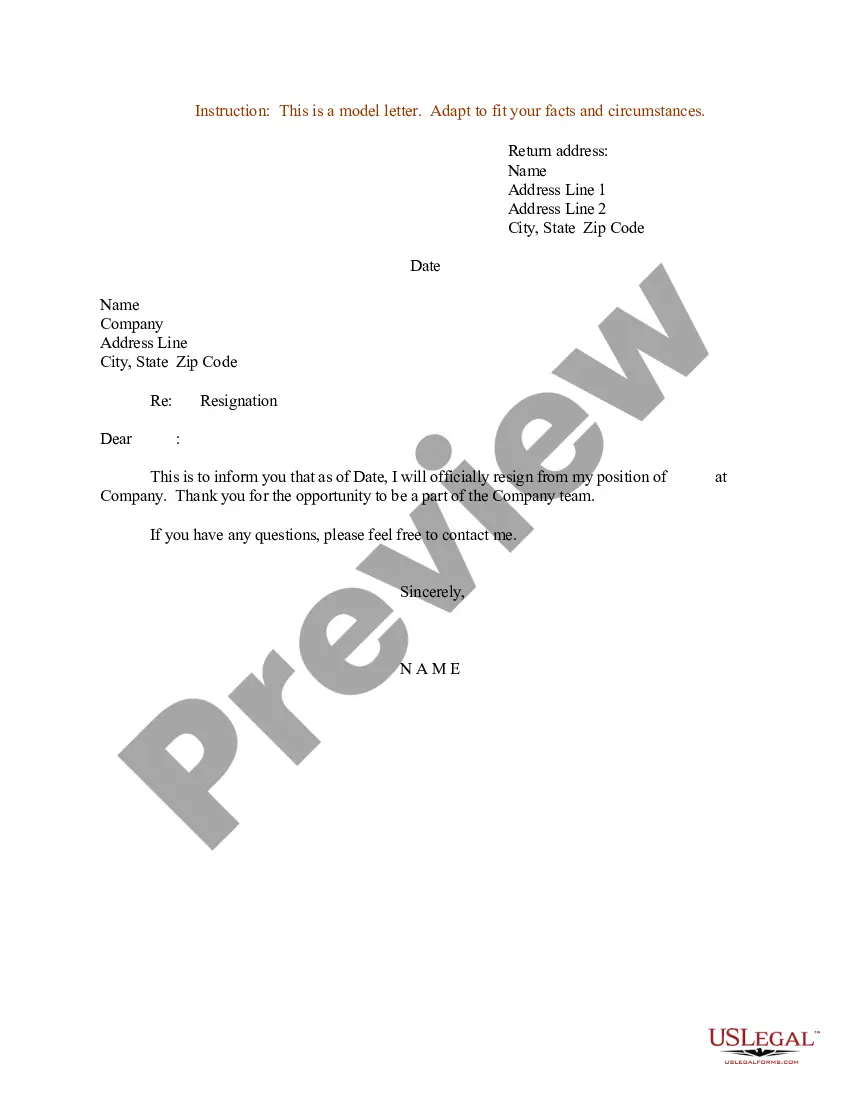
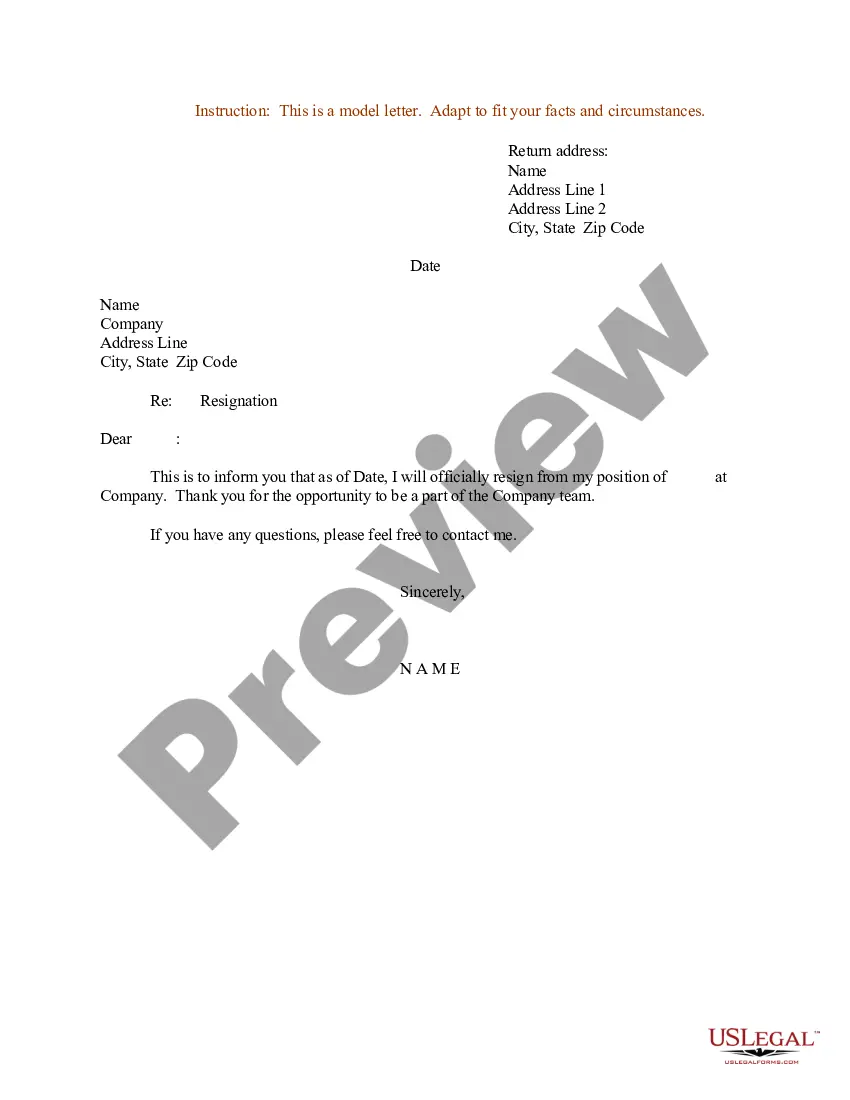
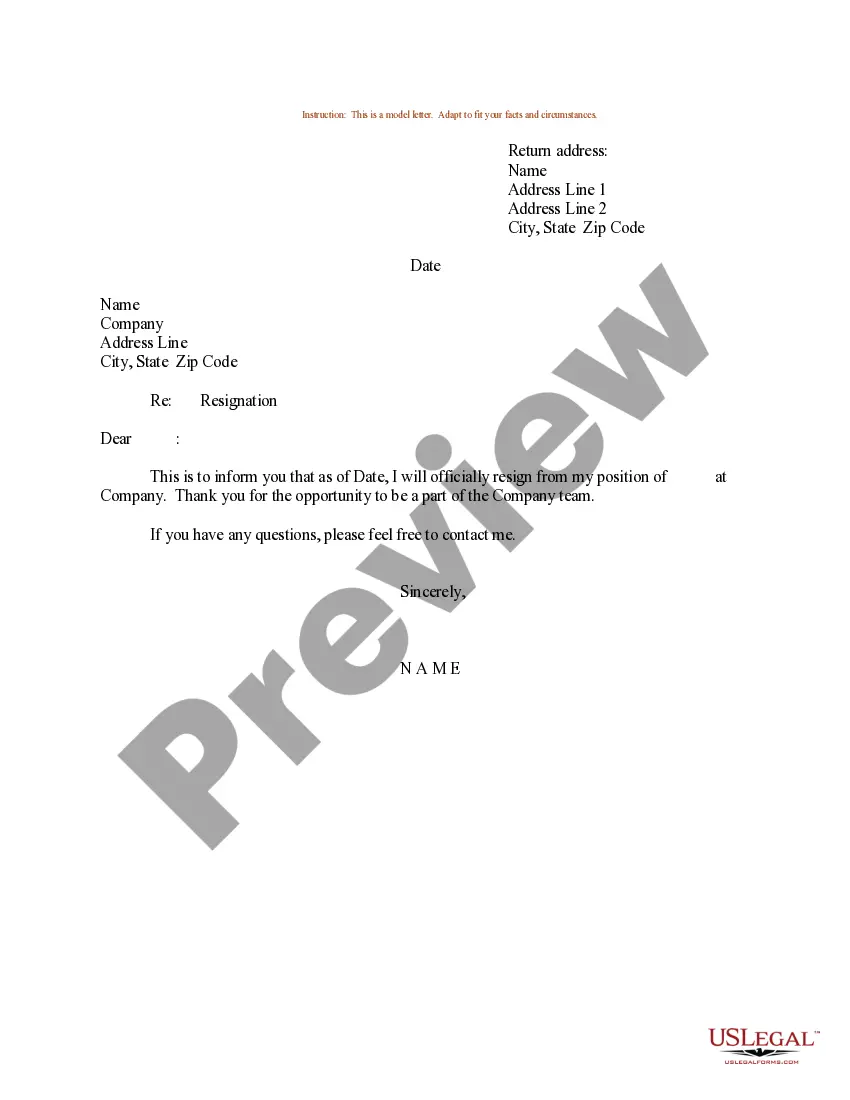
- Return address: Includes the sender's name and address.
- Company address: Contains the recipient company's name and address.
- Date: Indicates when the letter is written.
- Subject line: Clearly states the purpose of the letter â resignation.
- Body: Expresses the resignation and specifies details about holiday entitlement.
- Signature: Finalizes the document with the sender's name.
When to use this form
This form is necessary when an employee decides to resign from their job and wants to ensure that their accrued holiday entitlement is recognized and processed. It is particularly useful if the employee has outstanding vacation days and wishes to clarify their status regarding these benefits in their resignation notice.
Who needs this form
- Employees who plan to resign from their job and wish to document their holiday entitlements.
- Individuals who have accumulated vacation days that need to be addressed upon resignation.
- People seeking a professional and formal way to communicate their departure to an employer.
How to prepare this document
- Identify the sender's information: Include your name and address at the top.
- Add the company's details: Write the name and address of the employer.
- Insert the date: Record the date of writing for official reference.
- Write the subject: Clearly state that the purpose is your resignation.
- Detail your resignation and holiday entitlement: Express your intent to resign and mention any vacation days owed to you.
- Sign the letter: End with your name to formalize the document.
Does this document require notarization?
This form does not typically require notarization unless specified by local law. It functions effectively as a formal letter of resignation when completed and submitted properly.
Get your form ready online
Our built-in tools help you complete, sign, share, and store your documents in one place.
Make edits, fill in missing information, and update formatting in US Legal Forms—just like you would in MS Word.
Download a copy, print it, send it by email, or mail it via USPS—whatever works best for your next step.
Sign and collect signatures with our SignNow integration. Send to multiple recipients, set reminders, and more. Go Premium to unlock E-Sign.
If this form requires notarization, complete it online through a secure video call—no need to meet a notary in person or wait for an appointment.
We protect your documents and personal data by following strict security and privacy standards.

Make edits, fill in missing information, and update formatting in US Legal Forms—just like you would in MS Word.

Download a copy, print it, send it by email, or mail it via USPS—whatever works best for your next step.

Sign and collect signatures with our SignNow integration. Send to multiple recipients, set reminders, and more. Go Premium to unlock E-Sign.

If this form requires notarization, complete it online through a secure video call—no need to meet a notary in person or wait for an appointment.

We protect your documents and personal data by following strict security and privacy standards.
Common mistakes to avoid
- Failing to specify holiday entitlements leading to disputes.
- Not including the date, which is vital for recordkeeping.
- Neglecting to keep a copy for personal records.
- Using informal language instead of maintaining a professional tone.
Advantages of online completion
- Convenience: Easily download and customize the form from anywhere.
- Editability: Update details easily as per individual circumstances.
- Reliability: Form templates drafted by licensed attorneys ensure legal validity.
Summary of main points
- The Resignation Letter with Holiday Entitlement Template is essential for formally resigning while ensuring holiday benefits are acknowledged.
- Complete the form by including personal and company details, the resignation statement, and specifics regarding any holiday time owed.
- Utilizing this form helps avoid confusion and possible disputes about accrued vacation days during the resignation process.
Looking for another form?
Form popularity
FAQ
A statement of intent that you will be leaving your job. the name of your official staff position. the date of your last day on the job. gratitude to your employer for hiring you. a highlight of your time there (optional) an offer to train your replacement.
A tenant must vacate the rental unit by the end of the thirtieth day after the date on which notice was served. For example, if a 30-day notice is served on July 16, you would begin counting days on July 17, and the 30-day period would end on August 15.
You can ask to take holiday in your notice period, but it's up to your employer to decide if you can take it. If you go on paid holiday in your notice period you're entitled to your usual wage. When you leave you'll be paid for any holiday you have accrued but not taken, up to your first 28 days of holiday entitlement.
Begin by addressing your letter. State the purpose of your letter. Include your date of resignation. Explain your reason for leaving. Include a statement of gratitude. Discuss the next steps. Offer to help during your transition. Close your letter.
For example, a worker working five days per week is entitled to 5.6 weeks per year, the equivalent of 28 days (5.6 x 5). They leave a job three months into the year having taken four days off. Applying the formula above: 28 x (3 ÷ 12) - 4 = 3 days' leave to be paid in lieu.
An employee can take paid annual leave during a notice period if the employer agrees to the leave.They don't usually extend the notice period. An employee can take paid sick or carer's leave during a notice period if they give: notice of the leave as soon as possible.
It's common courtesy to give at least one week's notice to your employer if you've been with your company for more than one month but less than two years. Consider giving two weeks' notice even if you've only been with your company for a few months.
Keep it professional. Keep it short and sweet. Provide reasons for leaving (optional). Remain polite. Say thank you to your employer for the role. Offer to help in the transition period. Avoid personal criticism. Finish your resignation letter positively.
With your employer's agreement, you can use your annual leave to offset the notice period in exchange for bringing forward your last day of employment.You would only be paid up to your last day of work. The annual leave which has been used to offset the remaining notice period will not be paid for by the employer.