Personal Property Damages For Renters Insurance In Montgomery
Description
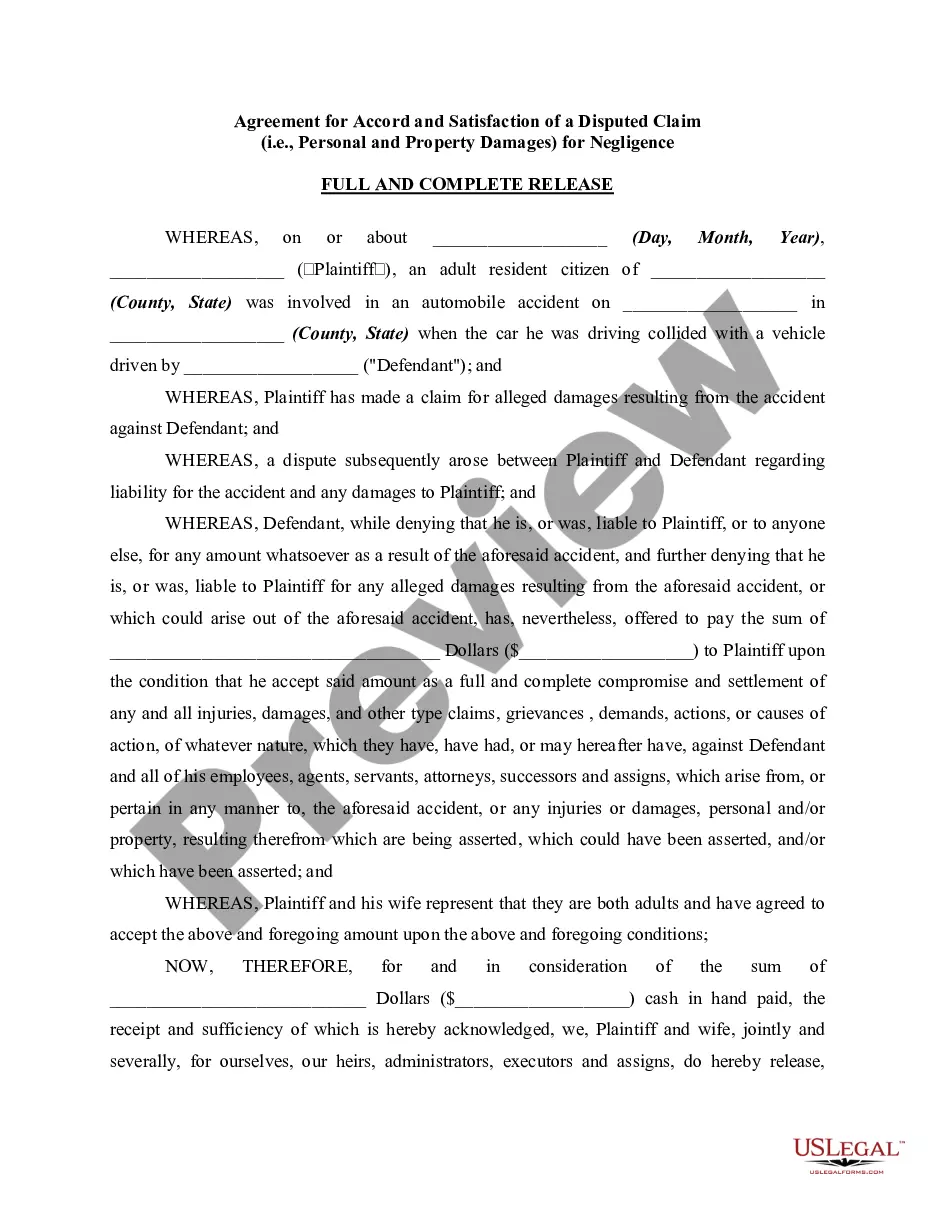
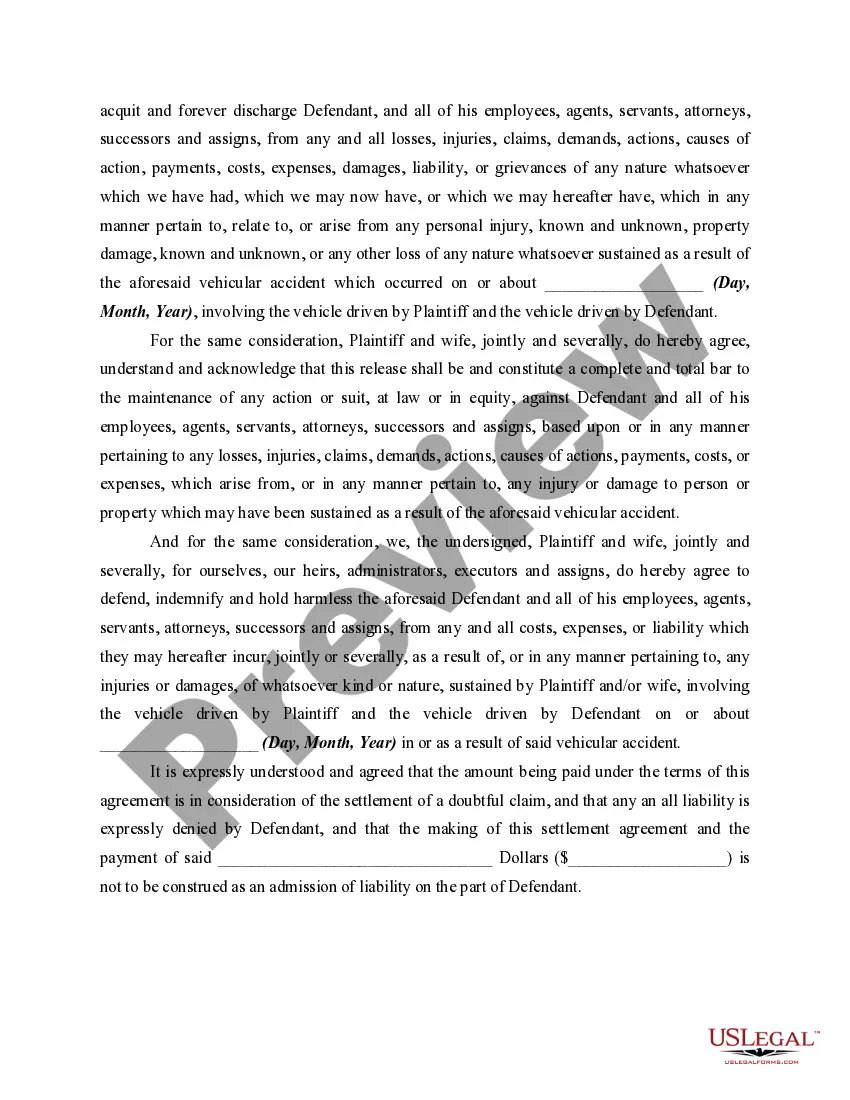
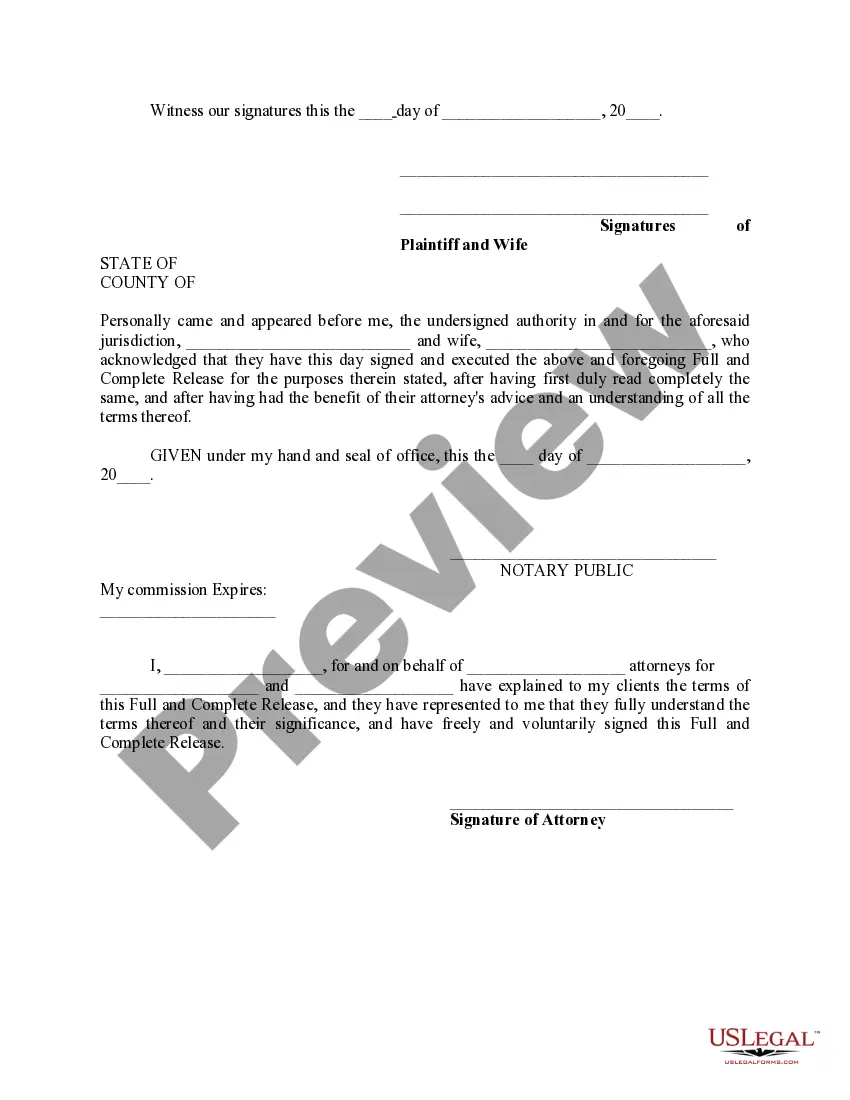

Get your form ready online
Our built-in tools help you complete, sign, share, and store your documents in one place.
Make edits, fill in missing information, and update formatting in US Legal Forms—just like you would in MS Word.
Download a copy, print it, send it by email, or mail it via USPS—whatever works best for your next step.
Sign and collect signatures with our SignNow integration. Send to multiple recipients, set reminders, and more. Go Premium to unlock E-Sign.
If this form requires notarization, complete it online through a secure video call—no need to meet a notary in person or wait for an appointment.
We protect your documents and personal data by following strict security and privacy standards.

Make edits, fill in missing information, and update formatting in US Legal Forms—just like you would in MS Word.

Download a copy, print it, send it by email, or mail it via USPS—whatever works best for your next step.

Sign and collect signatures with our SignNow integration. Send to multiple recipients, set reminders, and more. Go Premium to unlock E-Sign.

If this form requires notarization, complete it online through a secure video call—no need to meet a notary in person or wait for an appointment.

We protect your documents and personal data by following strict security and privacy standards.
Looking for another form?





Form popularity
FAQ
Documentation is key, so present your requests clearly and in writing. Explain what you need, when you need it, and why you are entitled to it. Keep a claim journal and record who you talked to, when you called (date/time), what was said. Keep all of your paperwork organized and together.
Flooding, earthquakes and sinkholes are all examples of natural disasters that are not covered by a typical renters insurance policy. All three of these events can easily damage your personal property, so you should buy additional coverage if you think you're at risk.
Renters insurance helps cover your personal property if it's damaged by a covered event, like theft, fire or a storm — but it's even more than that. Beyond helping to replace your belongings, renters insurance can help protect your lifestyle.
The standard coverages on a typical renters insurance policy are personal property, personal liability, medical payments to others, and loss of use.
Is renters insurance required in Alabama? No, there is no federal law that requires tenants to carry renters insurance; however, some landlords may require proof of renters insurance as part of the lease agreement.
Renters insurance companies typically offer three options for renters liability coverage: $100,000, $300,000, and $500,000. Choose the limit that best protects your net worth.
What is the most common amount of renters insurance coverage? Renters insurance commonly covers around $30,000 in property damage and $100,000 in liability coverage.
Personal liability limits You may be able to choose your personal liability coverage limit; often the three choices are $100,000, $300,000, or $500,000. Your limit typically applies to covered damages that you're legally liable for. Get tips for figuring out how much homeowners insurance you need.
