Here Denied Claim For Authorization In Pima
Description
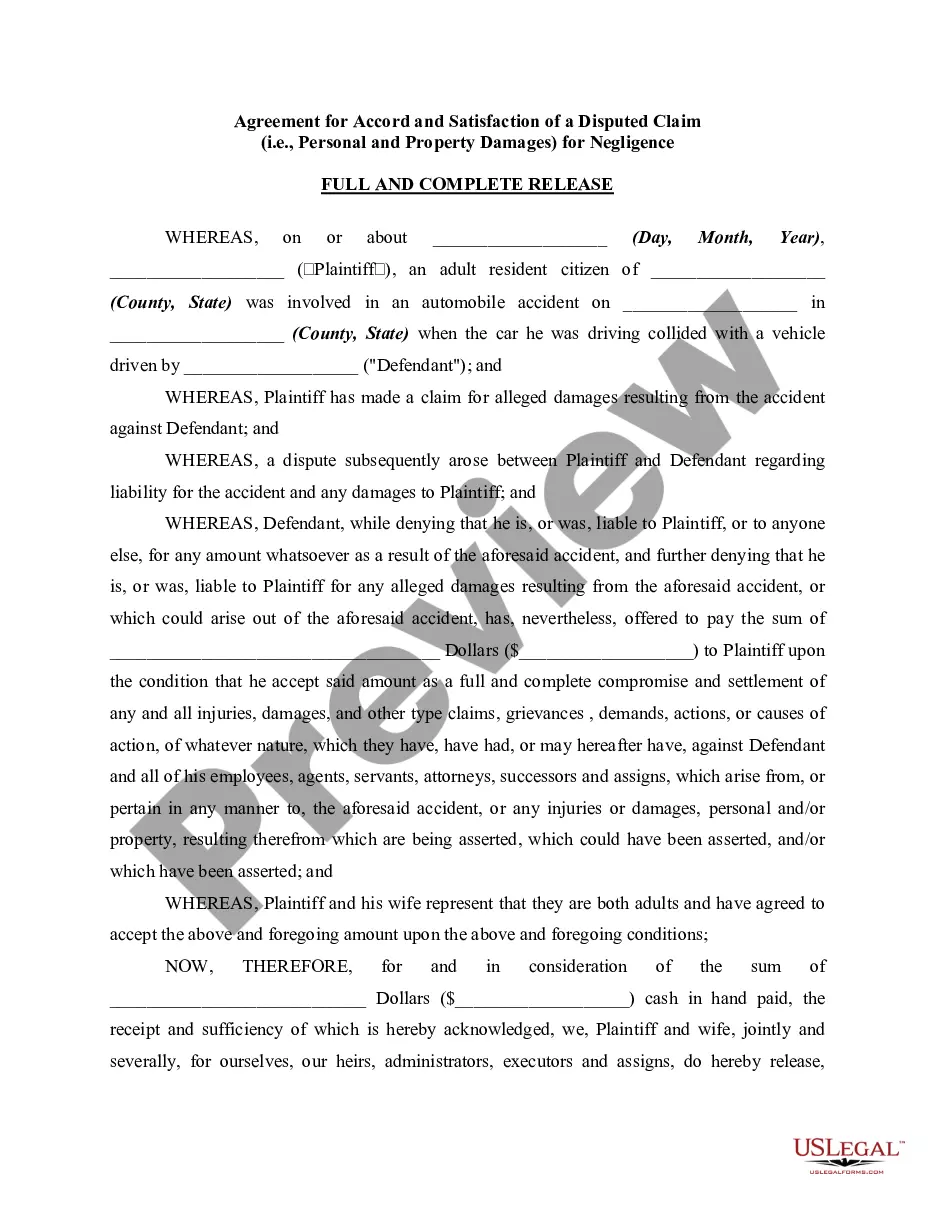
Get your form ready online
Our built-in tools help you complete, sign, share, and store your documents in one place.
Make edits, fill in missing information, and update formatting in US Legal Forms—just like you would in MS Word.
Download a copy, print it, send it by email, or mail it via USPS—whatever works best for your next step.
Sign and collect signatures with our SignNow integration. Send to multiple recipients, set reminders, and more. Go Premium to unlock E-Sign.
If this form requires notarization, complete it online through a secure video call—no need to meet a notary in person or wait for an appointment.
We protect your documents and personal data by following strict security and privacy standards.

Make edits, fill in missing information, and update formatting in US Legal Forms—just like you would in MS Word.

Download a copy, print it, send it by email, or mail it via USPS—whatever works best for your next step.

Sign and collect signatures with our SignNow integration. Send to multiple recipients, set reminders, and more. Go Premium to unlock E-Sign.

If this form requires notarization, complete it online through a secure video call—no need to meet a notary in person or wait for an appointment.

We protect your documents and personal data by following strict security and privacy standards.
Looking for another form?










Form popularity
FAQ
Claim denials often stem from poor communication between payer and provider systems, with the prior authorization process as a prime example. The process requires providers to seek agreement from the payer to cover a service or item before it is administered to the patient.
EPF claims are often rejected due to incorrect or missing documents, mismatched personal information, insufficient balance, or ineligibility for the claimed withdrawal type. Prepare for Your Dream Retirement! Exploring the EPF claim process can be tiring, especially when faced with rejection.
If your request for prior authorization is denied, then you and your patient will be notified about the denial. The first step is to understand the reason behind the denial, so contact the health insurance company to find out the problem. For example, a PA request for a medication might be rejected due to many reasons.
Steps To Take if Your Claim Was Denied Review the policy. Asses what should be covered. Review the denial letter. Keep records. Follow your insurance company's internal appeals process. Provide additional information. Consider an external review. Speak to an attorney.
Insurance companies deny claims for many reasons, such as insufficient evidence, missed deadlines, or policy exclusions. If your insurance company denied your claim, you can file an appeal, agree to mediation or arbitration, or take the insurance company to court for bad faith.
Thorough documentation based on a respected clinical source is the best way to obtain preauthorization or appeal a denial. In addition to government sources such as AHRQ, it may be worth asking your most frequent payers what guidelines they use. Clearly document any deviation from evidence-based guidelines.
If the notification is not clear, call the carrier for more information. In addition to eliciting a stated reason for denying a claim, you may find out that the claim was adjudicated incorrectly because of an administrative error on the part of the payer.
The insurer can reject your claim if they have reason to believe you didn't take reasonable care to answer all the questions on the application truthfully and accurately. A common example is failure to disclose a pre-existing medical condition.
I am writing to file an appeal regarding insurance company name's denial of a pre-authorization for medication name. I received a denial letter dated provide date stating provide denial reason directly from letter. As you are aware, I was diagnosed with migraine/chronic migraine on date.
