Bank Loan Resolution Format
Description

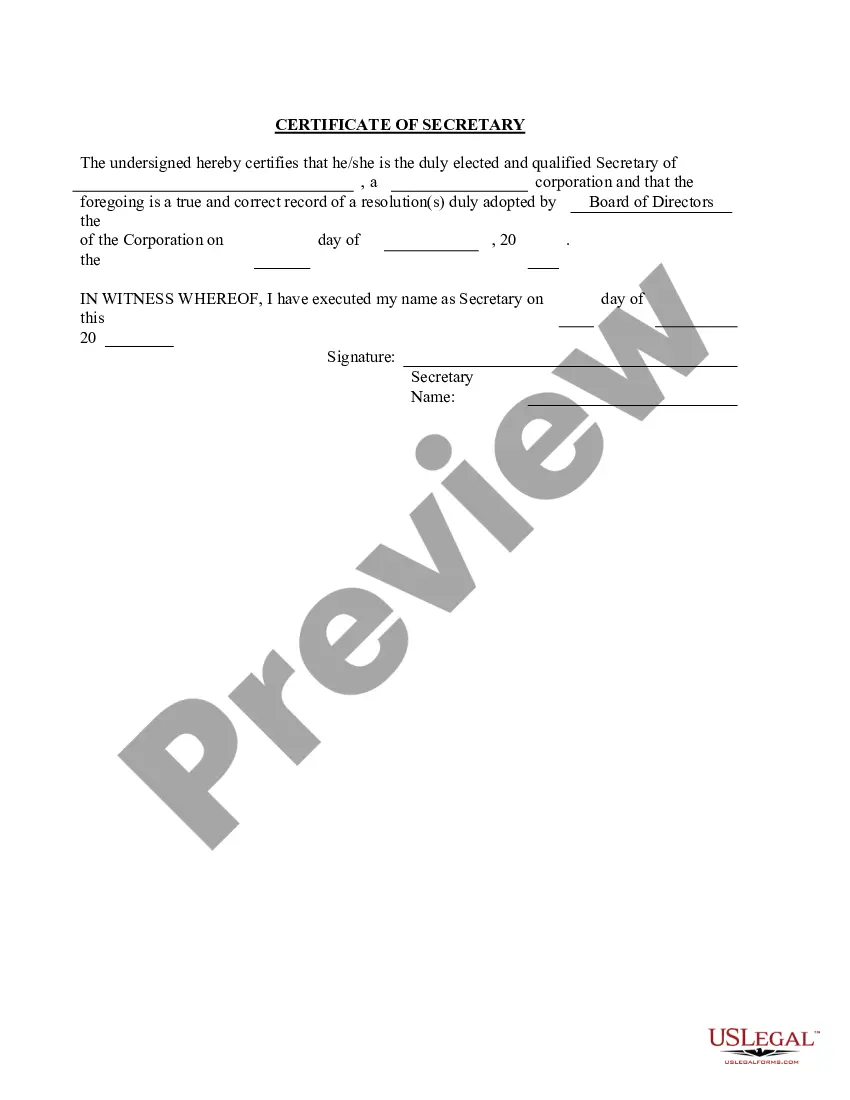
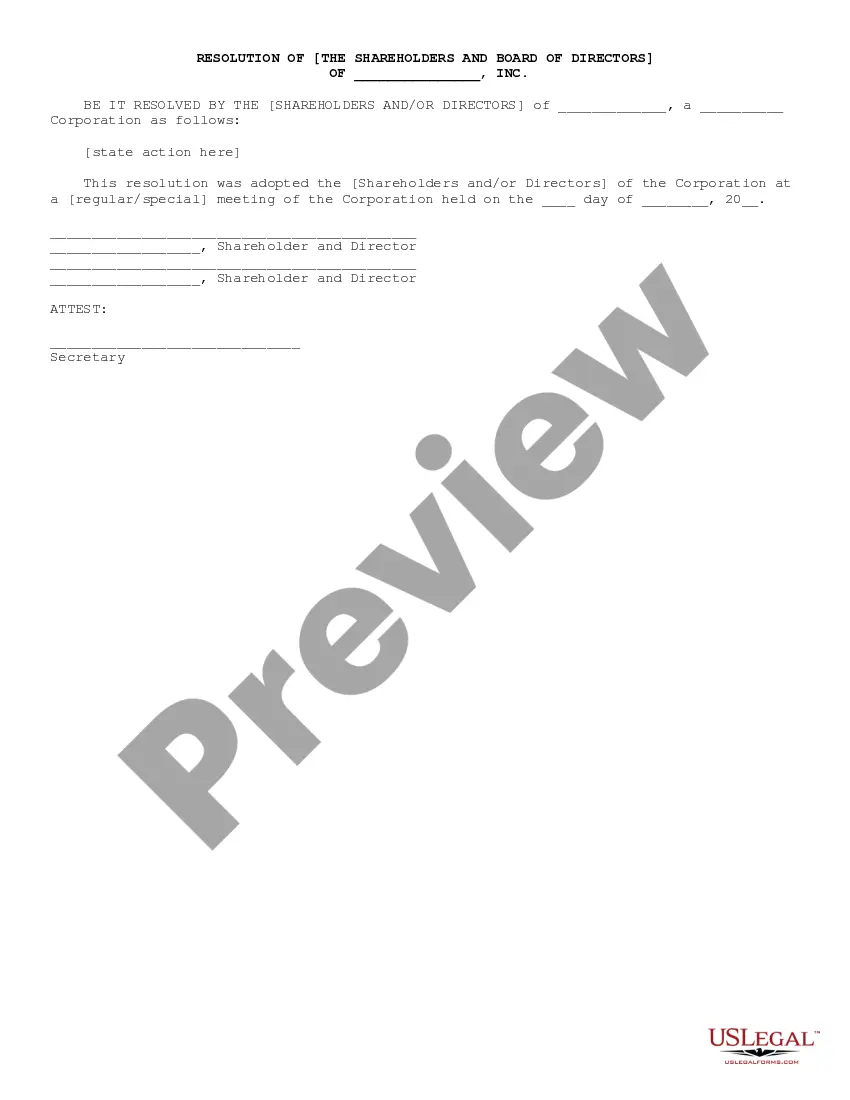
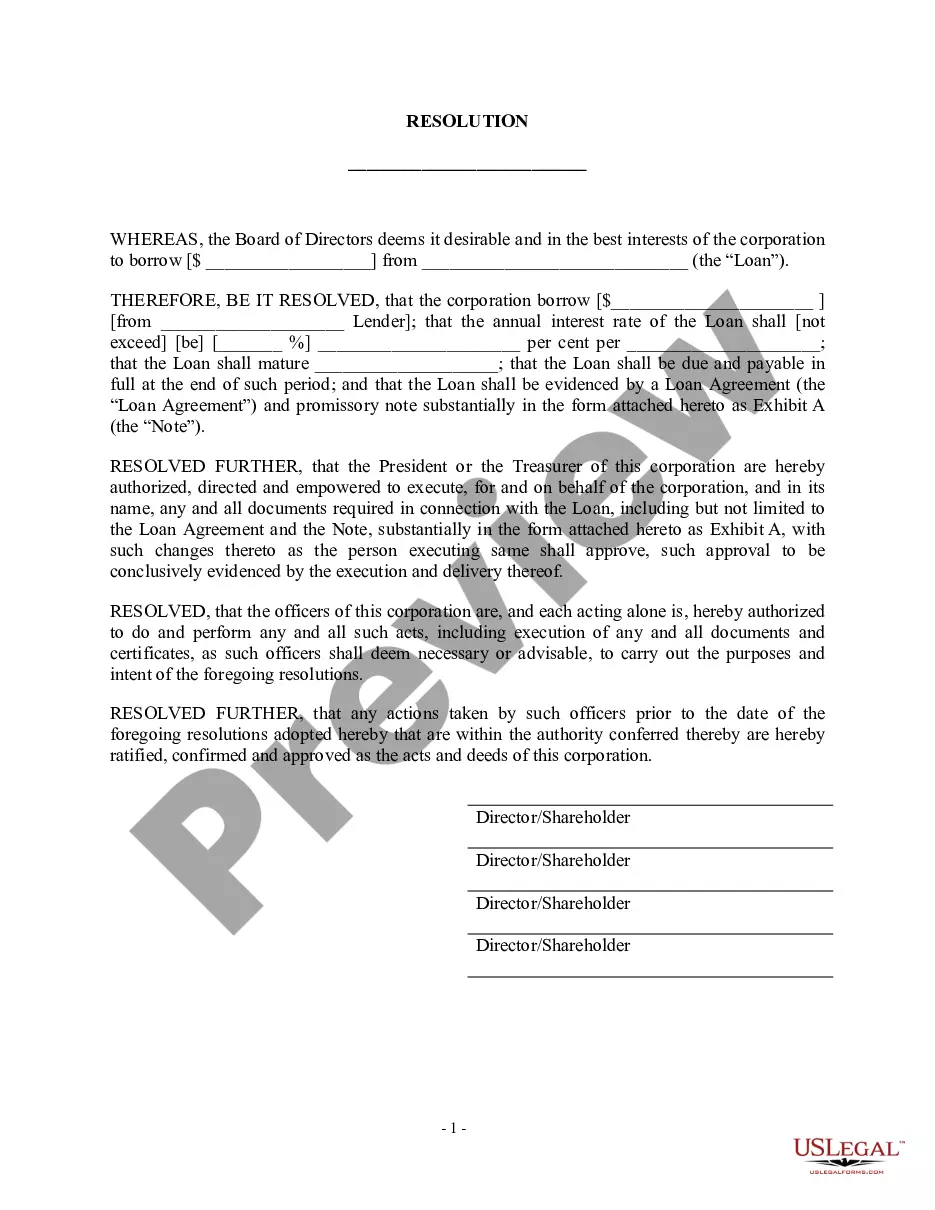
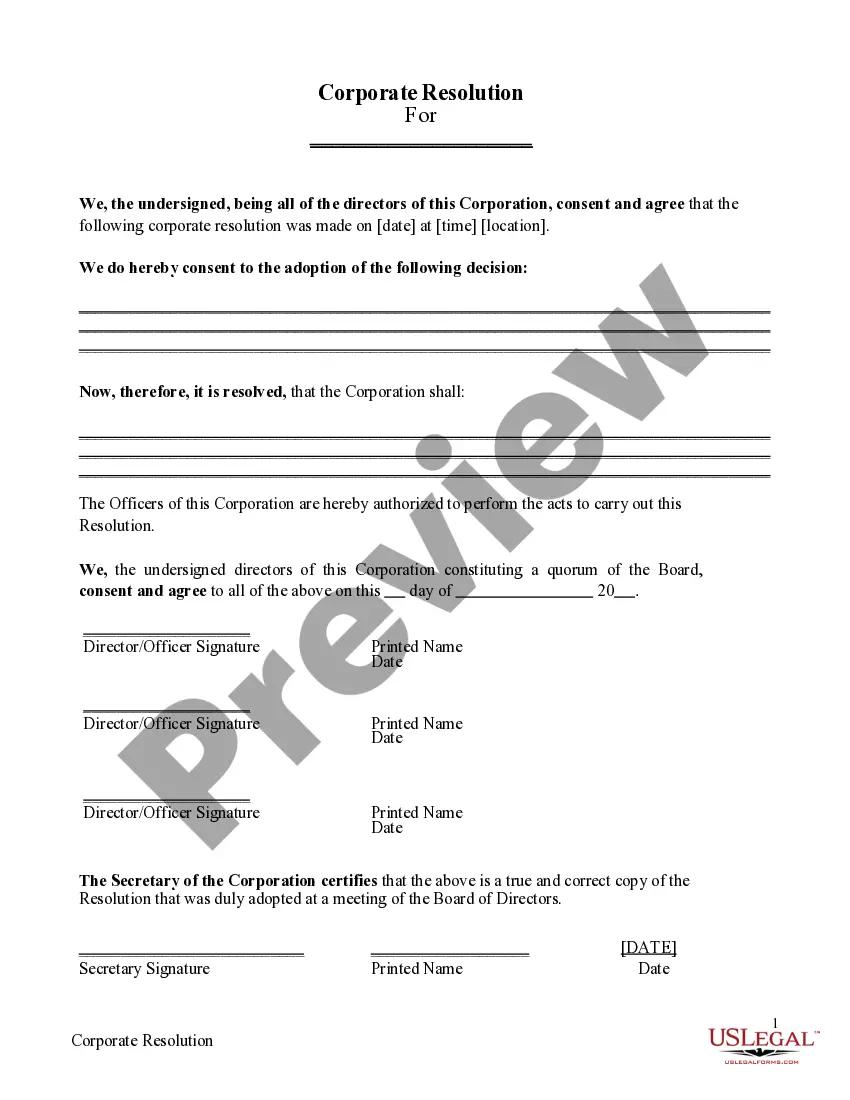
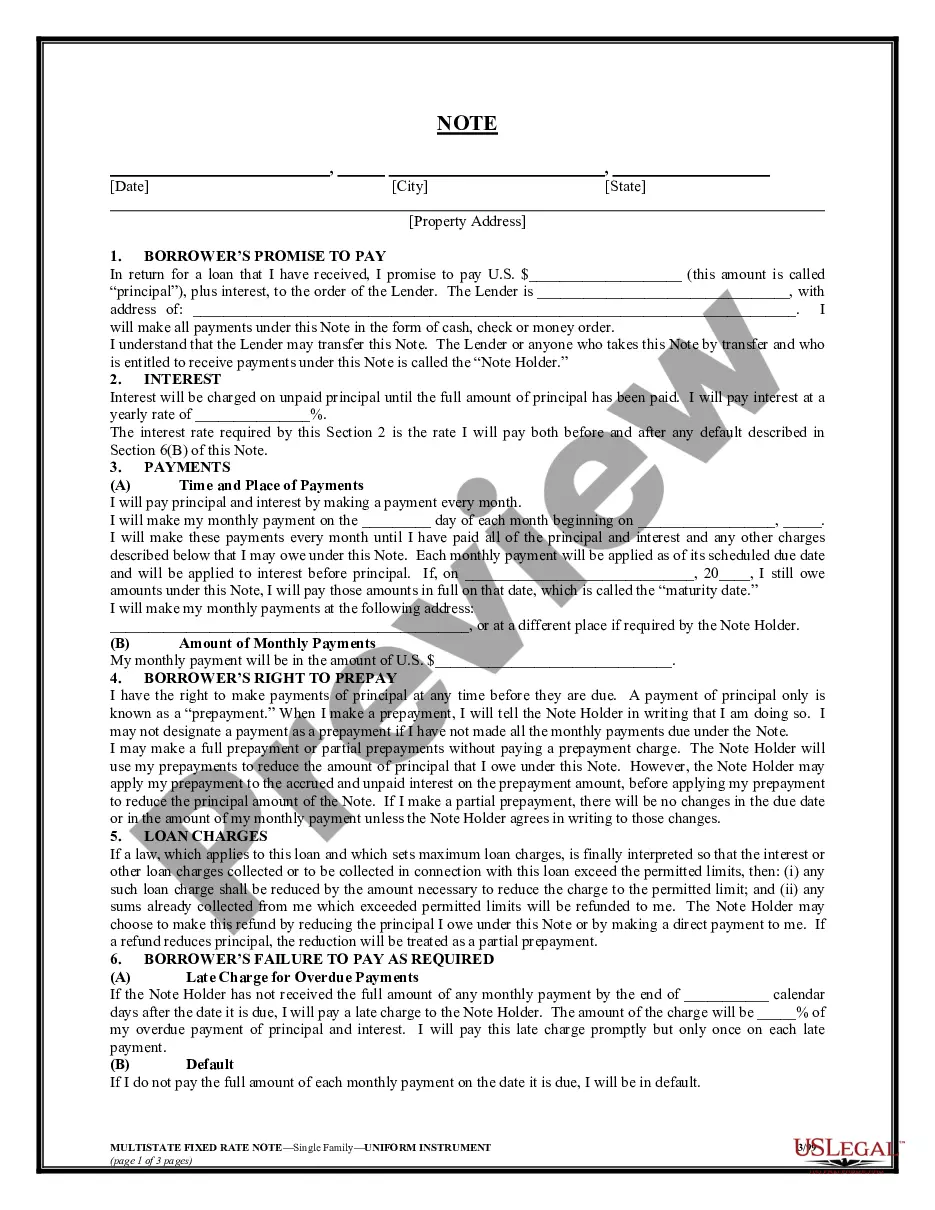






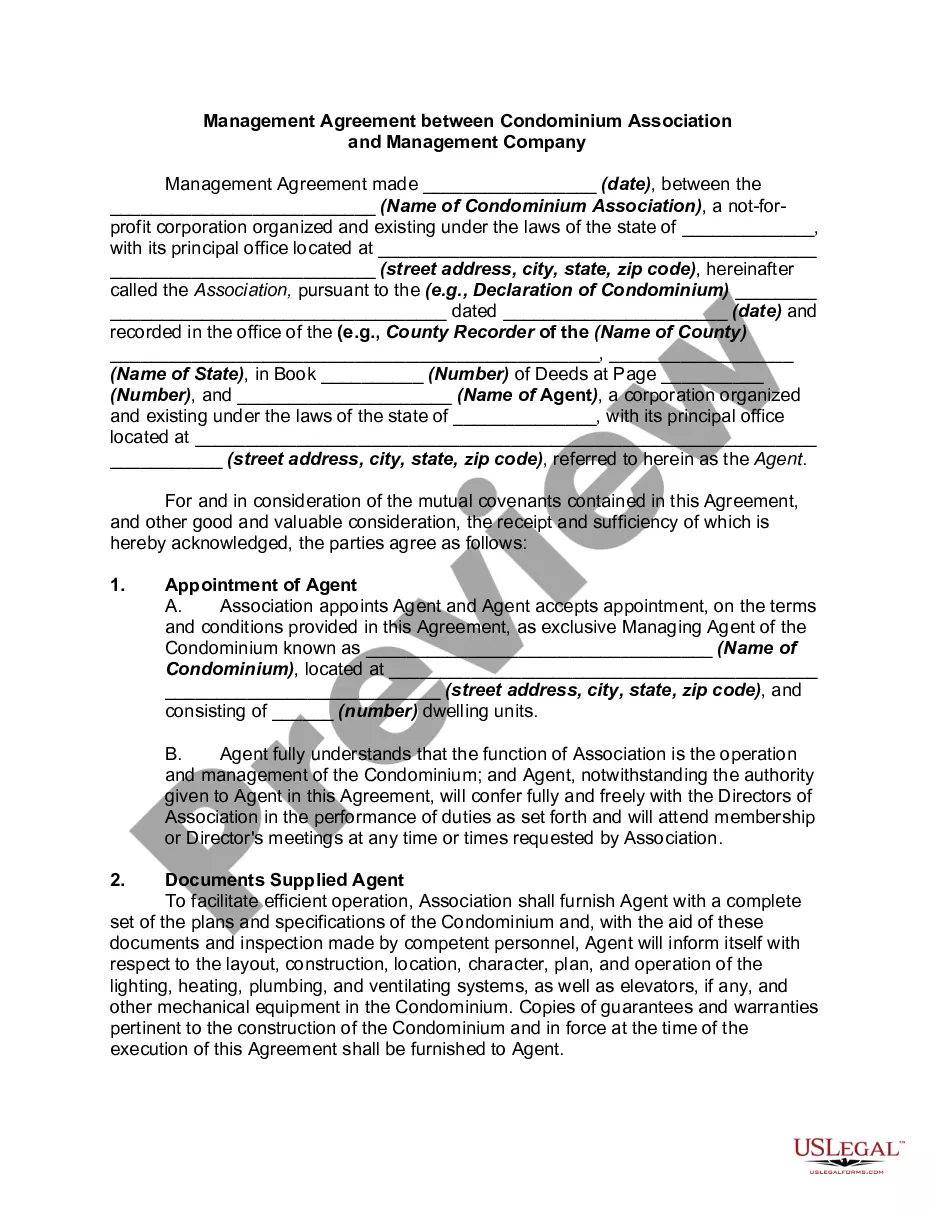

How to fill out Loan Form Corporation - Corporate Resolutions?
Whether for commercial reasons or personal matters, everyone must handle legal issues at some stage in their lifetime.
Completing legal documents demands meticulous care, starting with choosing the correct form template.
With an extensive US Legal Forms collection available, you don’t need to waste time searching for the right sample online. Utilize the library’s straightforward navigation to find the suitable form for any circumstance.
- Acquire the template you require by utilizing the search bar or catalog navigation.
- Review the form’s details to ensure it corresponds with your situation, state, and area.
- Select the form’s preview to examine it.
- If it is the wrong form, return to the search feature to find the Bank Loan Resolution Format sample you need.
- Download the document when it meets your specifications.
- If you possess a US Legal Forms account, simply click Log in to access previously saved templates in My documents.
- If you haven't created an account yet, you can get the form by clicking Buy now.
- Choose the suitable pricing option.
- Fill out the account registration form.
- Select your payment method: you can opt for a credit card or PayPal account.
- Choose the document format you want and download the Bank Loan Resolution Format.
- Once downloaded, you can fill out the form using editing software or print it and complete it manually.
Form popularity
FAQ
Unmarried couples are not entitled to the property, inheritance and spousal support rights of married couples, but they do have the right to enter into an agreement that specifies how these issues are handled. That said, California does place some restrictions on agreements between unmarried couples.
Common law marriage, also known as cohabitation, is not not recognized in the state of Wisconsin as a legal marriage. For this reason, those in a cohabitant relationship will need to file what is known as a Watts case to legally divide property and protect their rights.
The concept of common law marriage is not recognized in the state of Wisconsin. It does not matter how long a couple has been cohabitating, their relationship is not recognized as a legal marriage.
Are you legally married after living together for 7 years in Wisconsin? No. Unlike some states, Wisconsin does not recognize a cohabitation relationship as a marriage?regardless of how long a couple has been cohabitating.
Since Wisconsin does not recognize common law marriage as a legally binding marriage, unmarried or domestic partners have a hard time dividing marital property and are not entitled to alimony, child support, or other rights of married individuals.
For Wisconsin cohabitating couples, unjust enrichment claims are one of the main legal options available during a separation. Unjust enrichment is legal relief and cause of action that relies on the principle that someone who receives a benefit has a duty to pay restitution if keeping the benefit would be unjust.
Common law marriage, or cohabitation, was abolished by Wisconsin state law in 1917 and as such is not recognized in Wisconsin. It does not matter how long the couple has lived together, and the circumstances surrounding the cohabitation do not matter either. A common law marriage is not considered a legal marriage.
Unmarried couples cannot take advantage of these 50/50 ?community property? laws when they break up and instead must follow a different set of rules to decide who gets the house, cars, and other assets after a breakup.