Residency Definition For Taxes In Massachusetts
Description
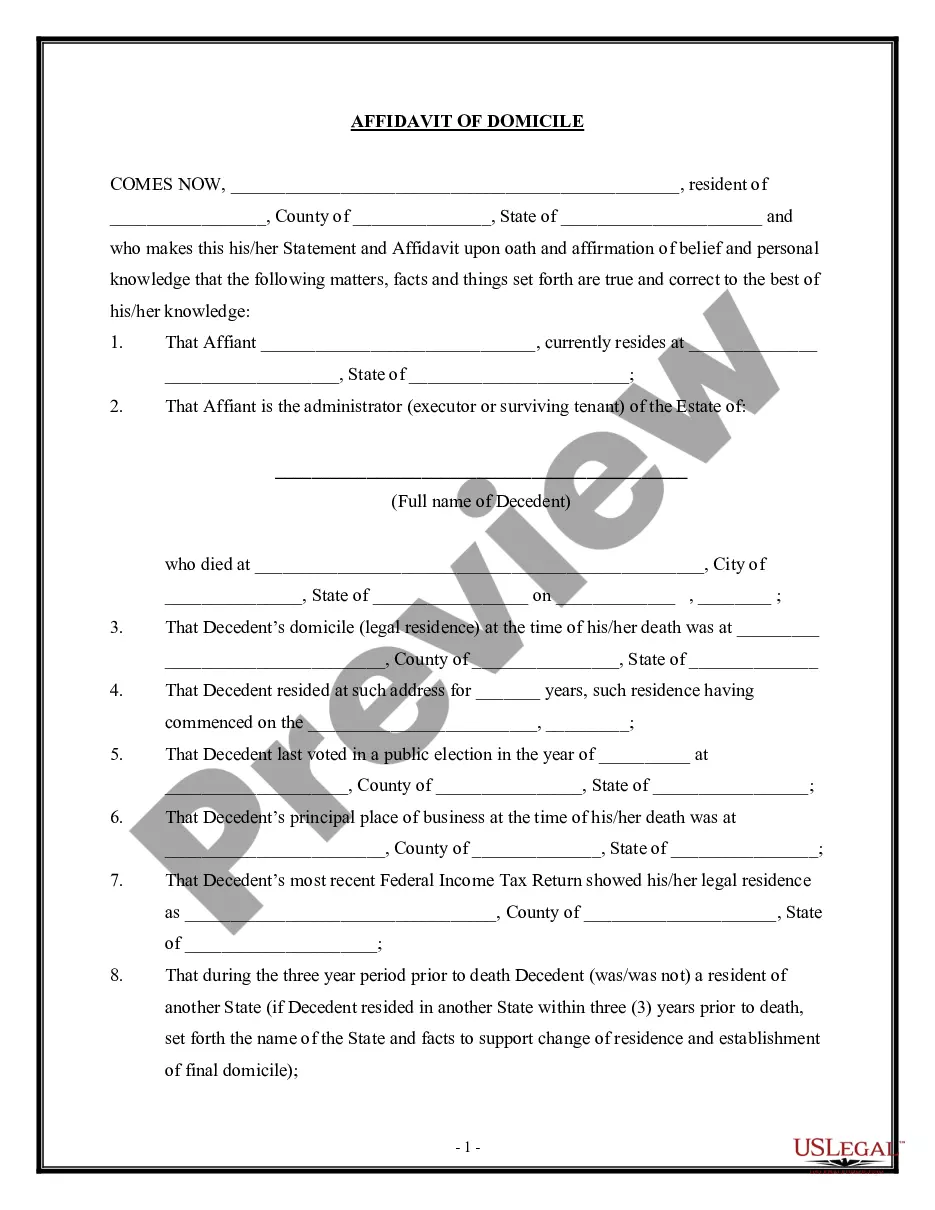
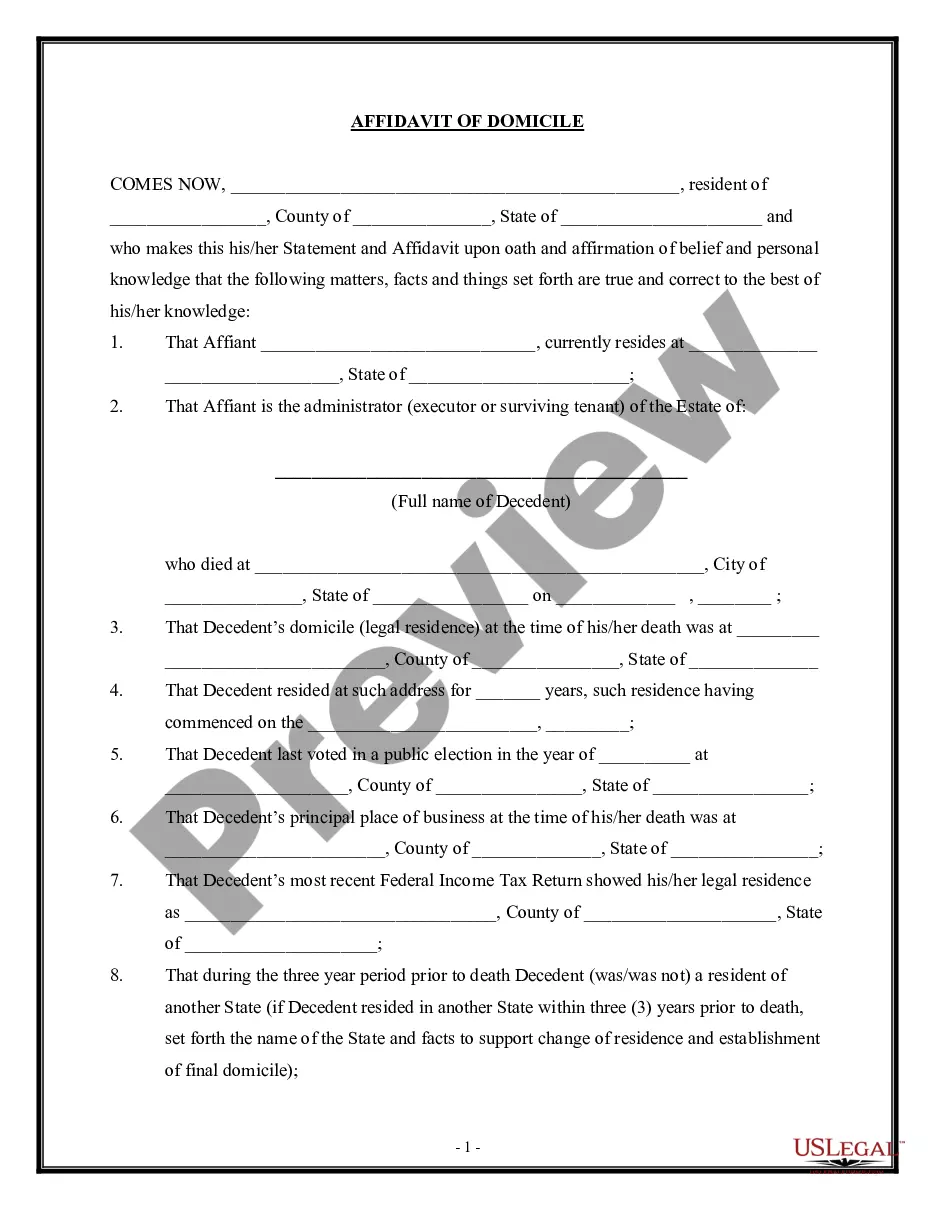
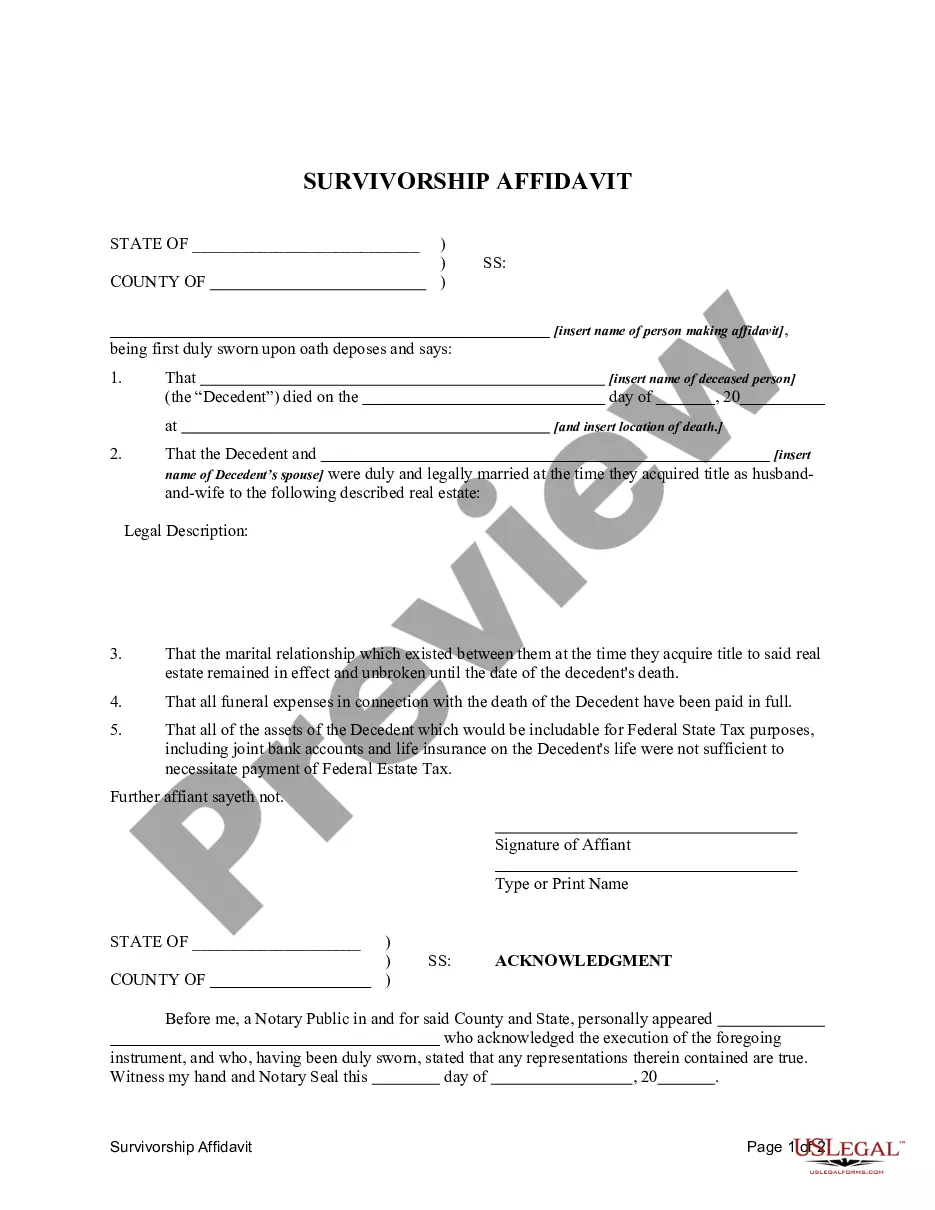
Get your form ready online
Our built-in tools help you complete, sign, share, and store your documents in one place.
Make edits, fill in missing information, and update formatting in US Legal Forms—just like you would in MS Word.
Download a copy, print it, send it by email, or mail it via USPS—whatever works best for your next step.
Sign and collect signatures with our SignNow integration. Send to multiple recipients, set reminders, and more. Go Premium to unlock E-Sign.
If this form requires notarization, complete it online through a secure video call—no need to meet a notary in person or wait for an appointment.
We protect your documents and personal data by following strict security and privacy standards.

Make edits, fill in missing information, and update formatting in US Legal Forms—just like you would in MS Word.

Download a copy, print it, send it by email, or mail it via USPS—whatever works best for your next step.

Sign and collect signatures with our SignNow integration. Send to multiple recipients, set reminders, and more. Go Premium to unlock E-Sign.

If this form requires notarization, complete it online through a secure video call—no need to meet a notary in person or wait for an appointment.

We protect your documents and personal data by following strict security and privacy standards.
Looking for another form?






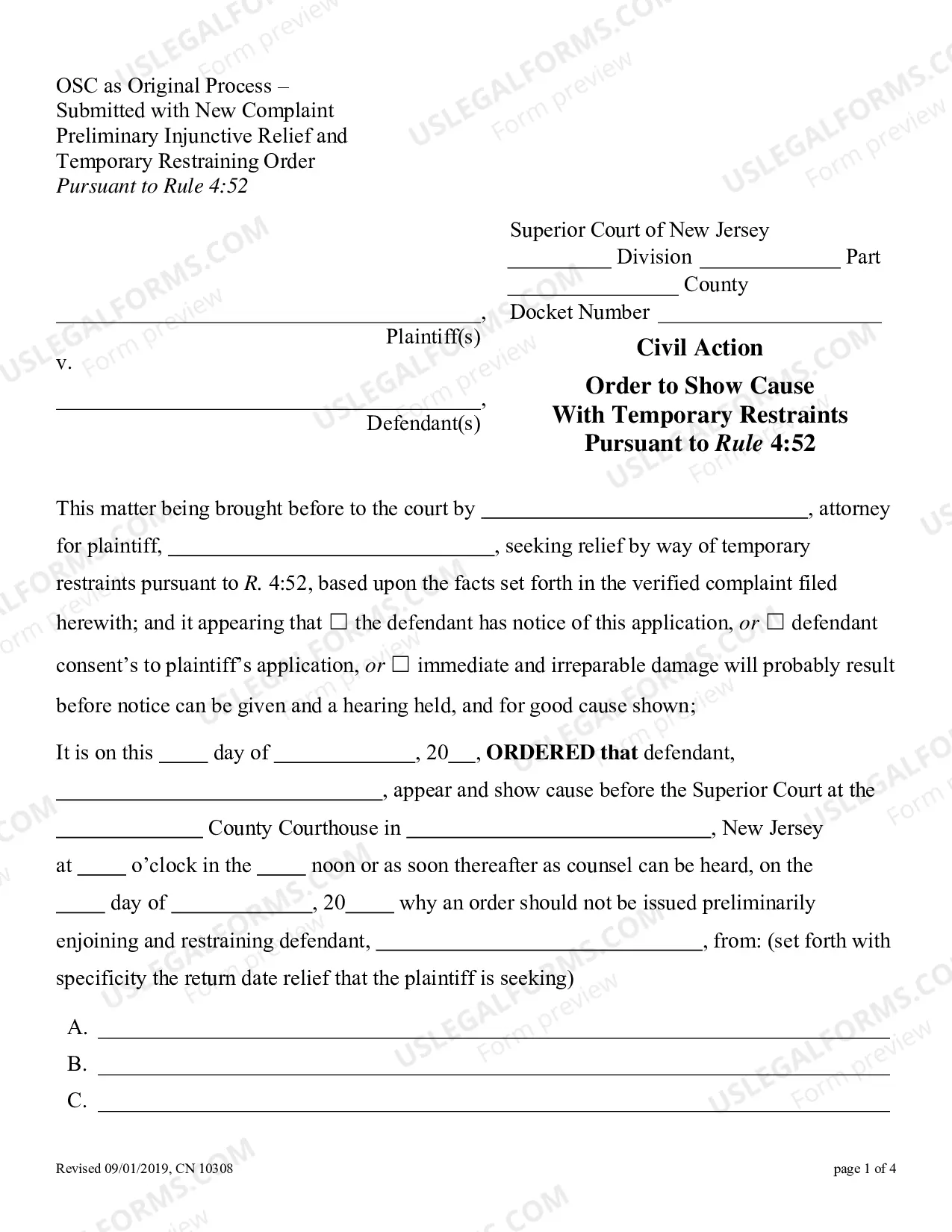



Form popularity
FAQ
Ing to the Massachusetts instructions: A Resident of Massachusetts is an individual who is domiciled in Massachusetts or maintains a permanent place of abode in MA and spends more than 183 days in the state.
An alternative residency affidavit, like the one used in Massachusetts, requires the resident and another person (at whose residence address the applicant resides) to sign in front of a notary public. It proves to officials that the resident lives at the stated address and has someone who can verify this information.
The Massachusetts Department of Revenue taxes residents on income from all sources, and non-residents only on income derived from Massachusetts. Refer to the Massachusetts Department of Revenue website for help in determining whether you are required to file a Masssachusetts state tax return.
The Substantial Presence Test. 31 days during the current year, and 183 days during the 3-year period that includes the current year and the 2 years immediately before that, counting: All the days you were present in the current year, and. 1/3 of the days you were present in the first year before the current year, and.
Normally tangible proof of residency is provided through: Appearance of a person's name on a city or town street list. Automobile registration. Driver's license. Rent / mortgage receipt. Utility or telephone bills. Voter registration.
Not only must a person maintain a permanent place of abode in Massachusetts, but a person must also spend more than 183 days in Massachusetts to meet the definition of a resident. For purposes of determining presence in Massachusetts, a day is defined as any part of a day spent in Massachusetts for whatever reason.
“Get Ready” online for faster service – Mass/ID. PROOF OF LAWFUL PRESENCE / PROOF OF DATE OF BIRTH. Your current name must match the name on your lawful presence document(s) when applying for a REAL ID driver's license / ID card. PROOF OF MASSACHUSETTS RESIDENCY. PROOF OF SOCIAL SECURITY NUMBER.
For income tax purposes, you're the resident of a state if you meet either of the following conditions: The state is your “domicile,” the place you envision as your home and where you intend to return after any absences. Though domiciled elsewhere, you spent more than half the year in the state.
If you own and live in just one home, then that property is your main home. If you own or live in more than one home, then you must apply a "facts and circumstances" test to determine which property is your main home. While the most important factor is where you spend the most time, other factors are relevant as well.

