Tort Negligence Liability For Teachers In Florida
Description

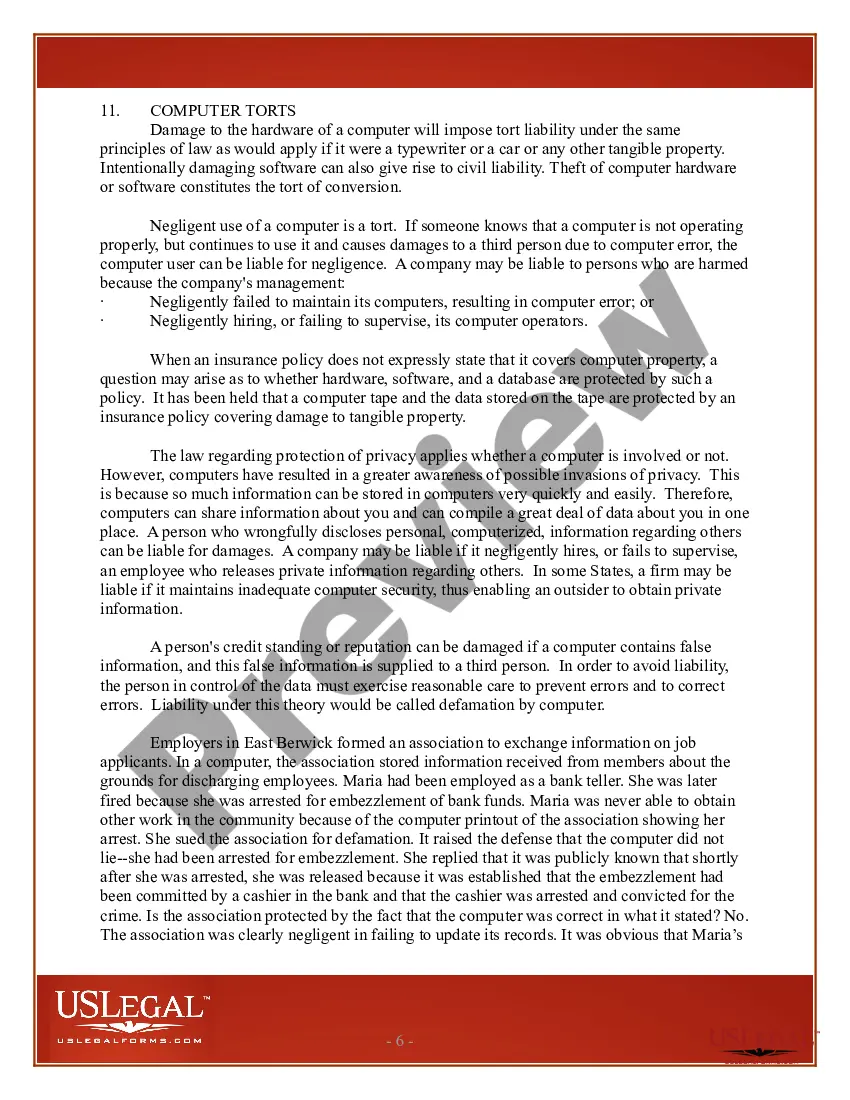
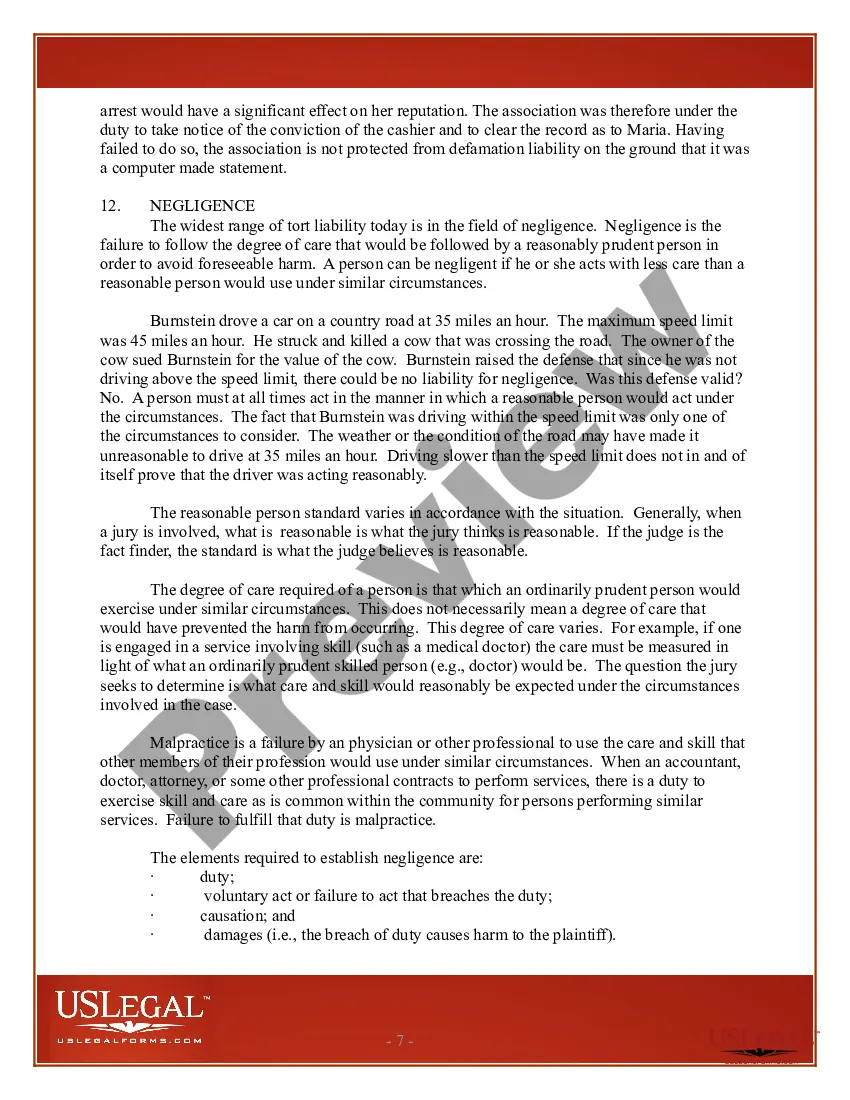
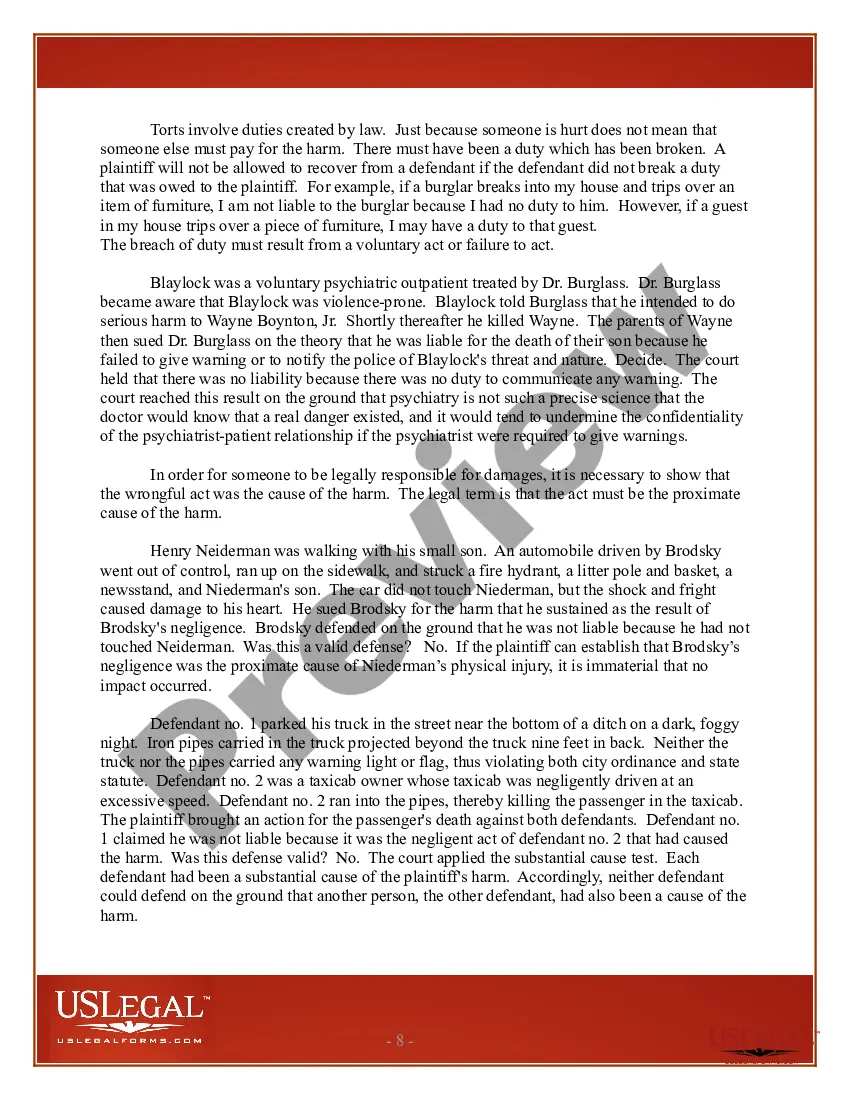
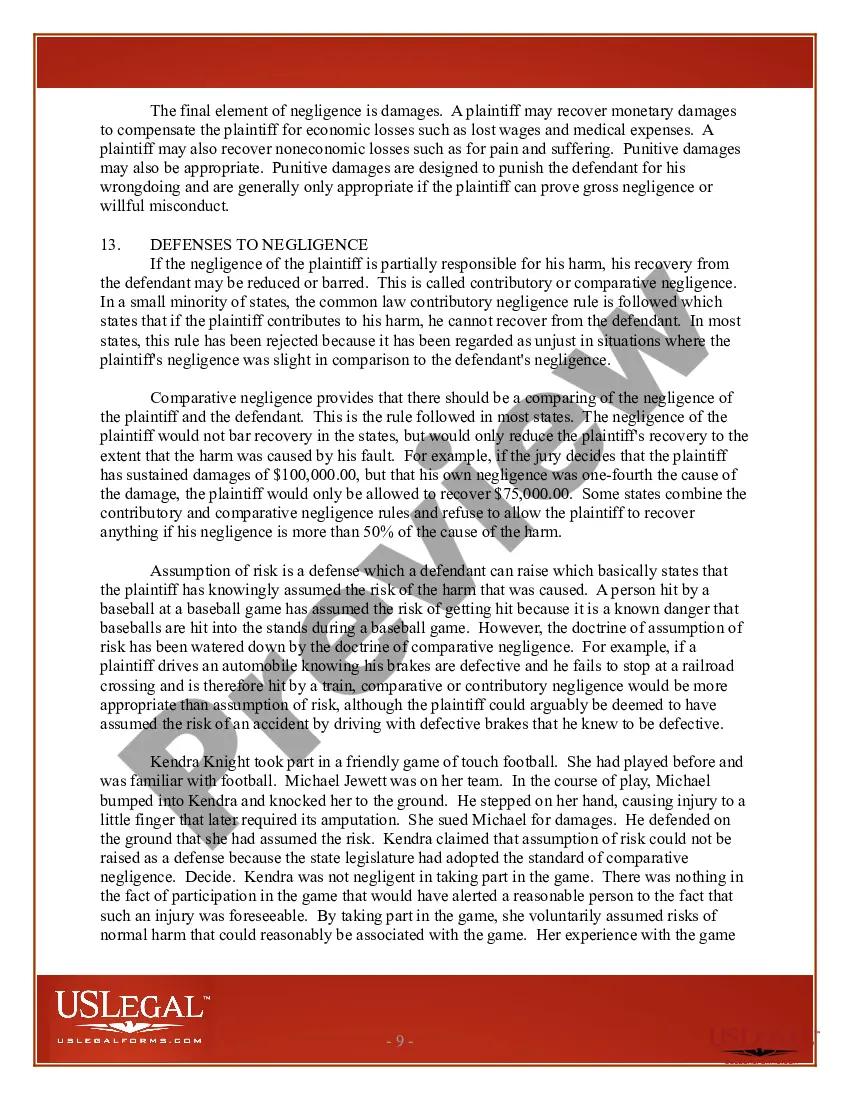





Get your form ready online
Our built-in tools help you complete, sign, share, and store your documents in one place.
Make edits, fill in missing information, and update formatting in US Legal Forms—just like you would in MS Word.
Download a copy, print it, send it by email, or mail it via USPS—whatever works best for your next step.
Sign and collect signatures with our SignNow integration. Send to multiple recipients, set reminders, and more. Go Premium to unlock E-Sign.
If this form requires notarization, complete it online through a secure video call—no need to meet a notary in person or wait for an appointment.
We protect your documents and personal data by following strict security and privacy standards.

Make edits, fill in missing information, and update formatting in US Legal Forms—just like you would in MS Word.

Download a copy, print it, send it by email, or mail it via USPS—whatever works best for your next step.

Sign and collect signatures with our SignNow integration. Send to multiple recipients, set reminders, and more. Go Premium to unlock E-Sign.

If this form requires notarization, complete it online through a secure video call—no need to meet a notary in person or wait for an appointment.

We protect your documents and personal data by following strict security and privacy standards.
Looking for another form?









Form popularity
FAQ
The new modified comparative negligence law went into effect on March 24, 2023, and applies to all negligence claims filed on or after that date, except for medical malpractice cases. Any general personal injury lawsuits filed before March 24, 2023, will still use the previous pure comparative negligence rule.
Thankfully, in order to prove negligence and claim damages, a claimant has to prove a number of elements to the court. These are: the defendant owed them a duty of care. the defendant breached that duty of care, and.
To prove negligence in Florida, you must establish the following: Duty of care. You must show the at-fault party had a legal obligation to avoid causing you injury. Breach of duty. You must prove a liable party's actions breached the duty of care. Causation. Damages.
What are the 4 Elements of Negligence in Florida? Duty of Care. First, you need to show that the person/entity who injured them owed them a duty of care. Breach of Duty. The second element requires you to prove a breach of duty to create a legal cause of action. Causation. Damages/Injury.
To prove negligence in Florida, you must establish the following: Duty of care. You must show the at-fault party had a legal obligation to avoid causing you injury. Breach of duty. You must prove a liable party's actions breached the duty of care. Causation. Damages.
Most civil lawsuits for injuries allege the wrongdoer was negligent. To win in a negligence lawsuit, the victim must establish 4 elements: (1) the wrongdoer owed a duty to the victim, (2) the wrongdoer breached the duty, (3) the breach caused the injury (4) the victim suffered damages.
While there are exceptions, in a nutshell it says that you cannot sue a school or its employees for negligent acts. The only way to get to a school is by demonstrating willful and wanton--just about intentional--conduct.
Most often, teachers are accused of committing a battery or assault in the course of disciplining a child or stopping a student from injuring another student. This usually involves grabbing the arm of a student or physically forcing the student away from an incident.
The courts use an objective test to measure what the defendant has done compared to what a 'reasonable man' would have done. If the defendant's actions reflect those actions of a reasonable person then they will not have breached their duty of care.
Most civil lawsuits for injuries allege the wrongdoer was negligent. To win in a negligence lawsuit, the victim must establish 4 elements: (1) the wrongdoer owed a duty to the victim, (2) the wrongdoer breached the duty, (3) the breach caused the injury (4) the victim suffered damages.
