Claim Defamation Character With Malicious Intent In Washington
Description

Get your form ready online
Our built-in tools help you complete, sign, share, and store your documents in one place.
Make edits, fill in missing information, and update formatting in US Legal Forms—just like you would in MS Word.
Download a copy, print it, send it by email, or mail it via USPS—whatever works best for your next step.
Sign and collect signatures with our SignNow integration. Send to multiple recipients, set reminders, and more. Go Premium to unlock E-Sign.
If this form requires notarization, complete it online through a secure video call—no need to meet a notary in person or wait for an appointment.
We protect your documents and personal data by following strict security and privacy standards.

Make edits, fill in missing information, and update formatting in US Legal Forms—just like you would in MS Word.

Download a copy, print it, send it by email, or mail it via USPS—whatever works best for your next step.

Sign and collect signatures with our SignNow integration. Send to multiple recipients, set reminders, and more. Go Premium to unlock E-Sign.

If this form requires notarization, complete it online through a secure video call—no need to meet a notary in person or wait for an appointment.

We protect your documents and personal data by following strict security and privacy standards.
Looking for another form?

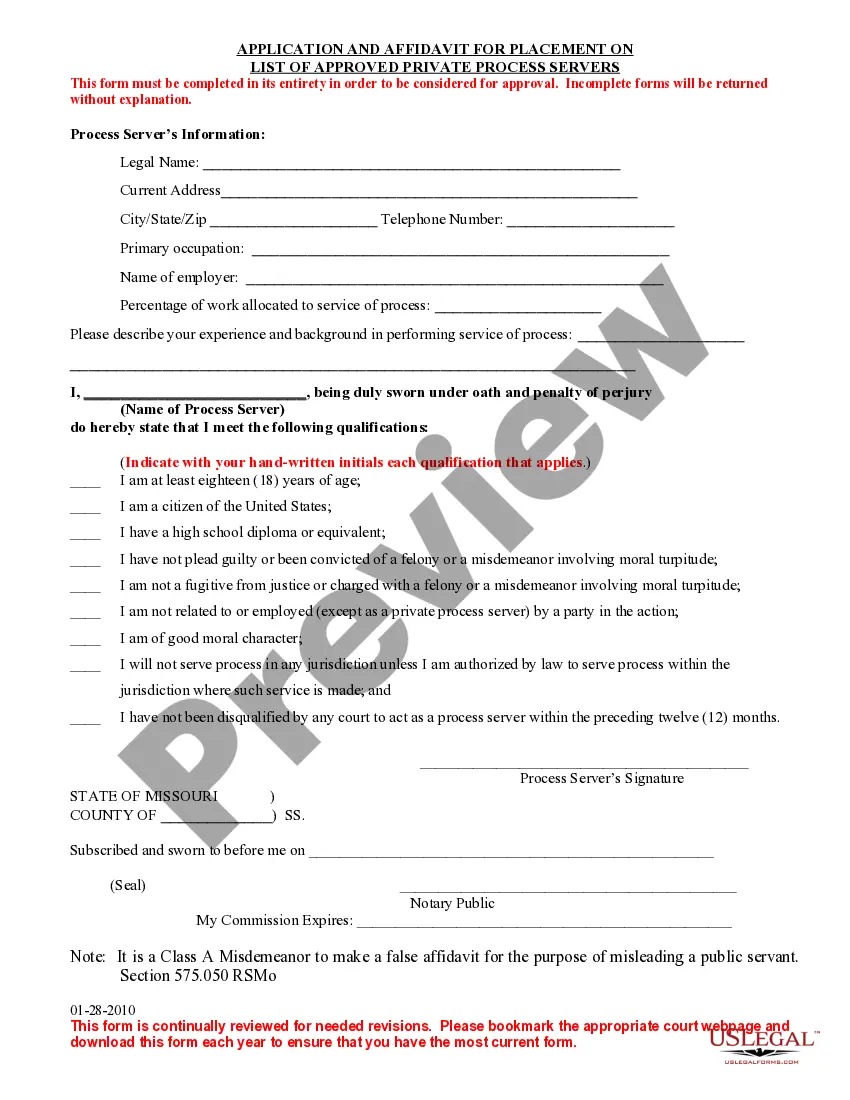






Form popularity
FAQ
These cases can be complex, encompassing both written (libel) and spoken (slander) forms of defamation. In Washington state, proving defamation requires demonstrating that the defendant made a false statement about the plaintiff, published it to a third party, and caused damage to the plaintiff's reputation.
To state a cause of action for defamation, a plaintiff must allege: (1) Falsity; (2) Unprivileged Communication – Liability requires that the defamation be communicated (“publication” of the defamation); (3) Fault; and (4) Damages.
If you decide to do it alone, your letter should state the specific defamatory statements made, confirm that they are defamatory, indicate the reputational harm caused, demand an apology and retraction of those statements, and demand that they cease making further statements failing which you will sue them.
The law has now been amended to require someone who thinks they have been defamed to provide a 'concerns notice' to the person who they believed has published the defamatory material before they can bring defamation proceedings against them in court.
Defamation is when words have been spoken or written which: harm your reputation in the eyes of ordinary people in the community, harm your reputation in your trade or profession (for example, lead you to get less work), or. are likely to result in you being shunned, avoided, made fun of, or despised.
Truth, or substantial truth, is a complete defense to a claim of defamation.
Truth is the first, and easiest, defense to a defamation claim. As discussed in the elements of defamation, the statement about you must have been false. If a Defendant can show that the statements were true, or even substantially true, then they could defeat a claim for defamation.
Defamation Per Se Civil Suits are Permissible in Washington State. As with many states, per se defamation lawsuits are possible in Washington.
A person who wishes to take legal action for defamation must be able to prove that they have suffered, or could suffer, 'serious harm'. If a corporation is suing for defamation, it needs to prove that it has suffered 'serious financial loss' as a result of the publication of the allegedly defamatory matter.

